




- AllProduct Category
-
Lab Wastewater Treatment Equipment
Lab Wastewater Treatment Equipment
Ultra-Pure Water Equipment
Membrane Separation Equipment
Pure Water Equipment
Low-Temperature Evaporator
Ultra-Pure Water System
Integrated Wastewater Treatment Equipment
Reverse Osmosis Equipment
Pure Water Equipment
Ceramic Membrane Equipment



Recommended Products
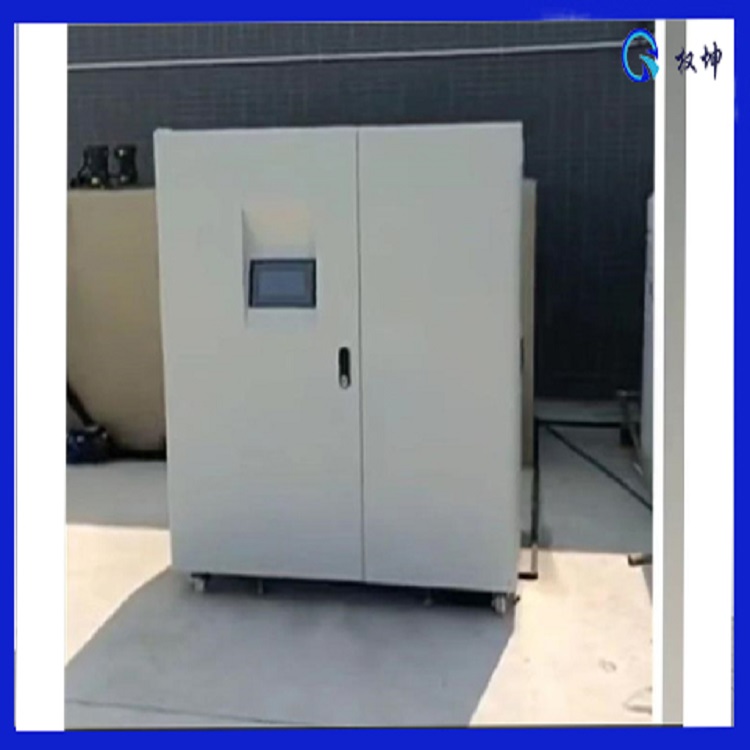
Quan Kun - Comprehensive Laboratory Waste Water Treatment Equipment - Remote Monitoring - Automated Control
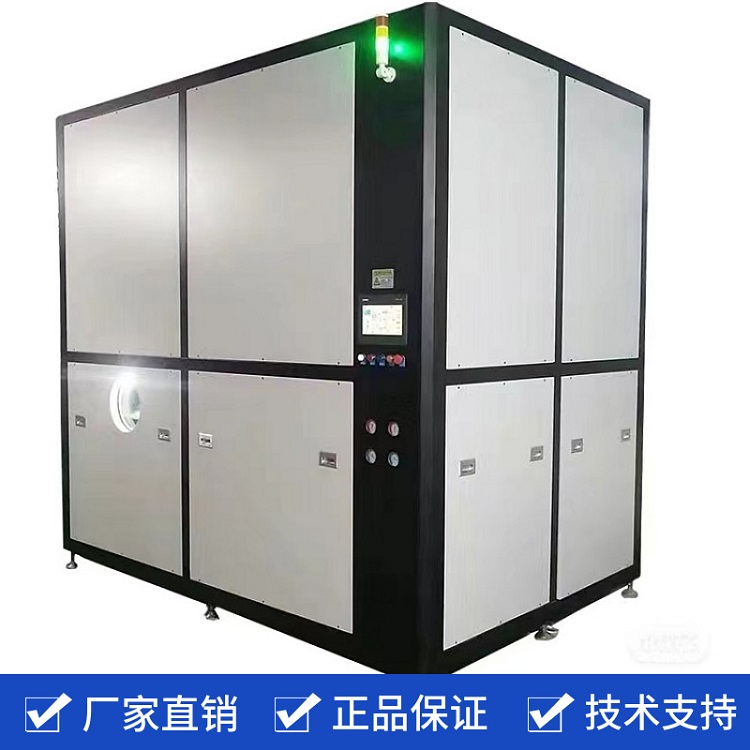
Sodium Chloride Wastewater Low-Temperature Evaporator - Intelligent Automatic - Quankun - Integrated Design
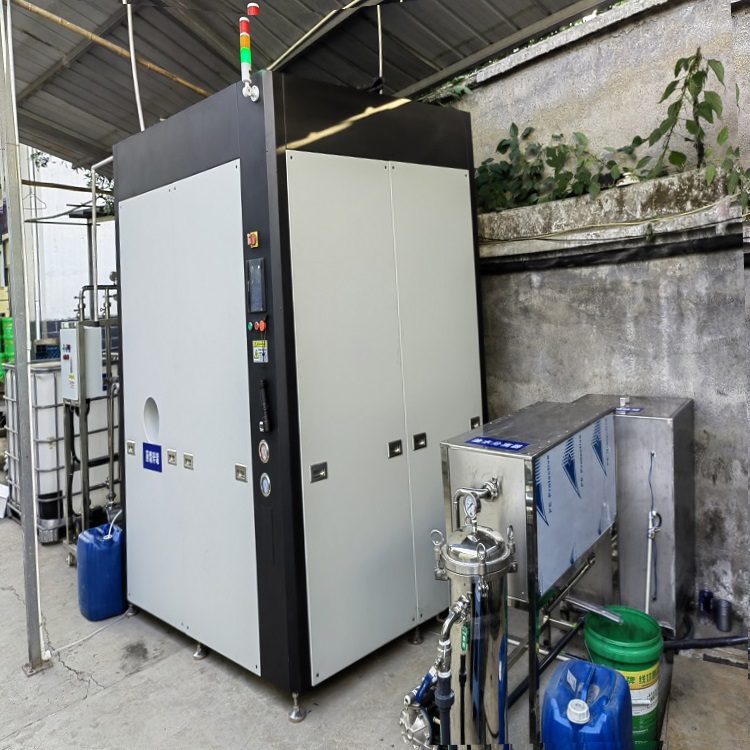
High-Concentration Oil Emulsion Waste Water Treatment Equipment - Quankun - Evaporator Unit - High Concentration Ratio
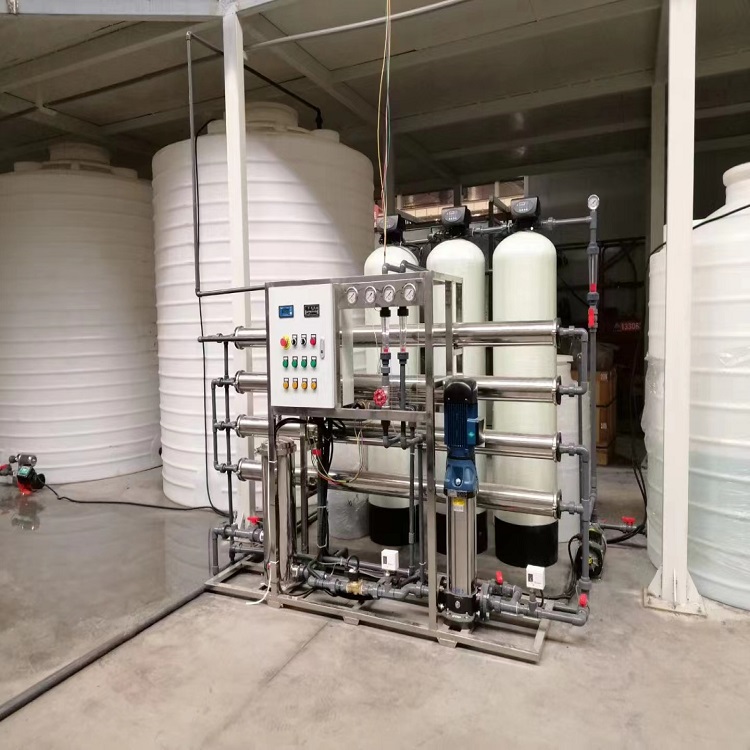
Industrial Pure Water Equipment EDI Ultra-Pure Water System Fully Automatic Control Quankun Environmental Protection
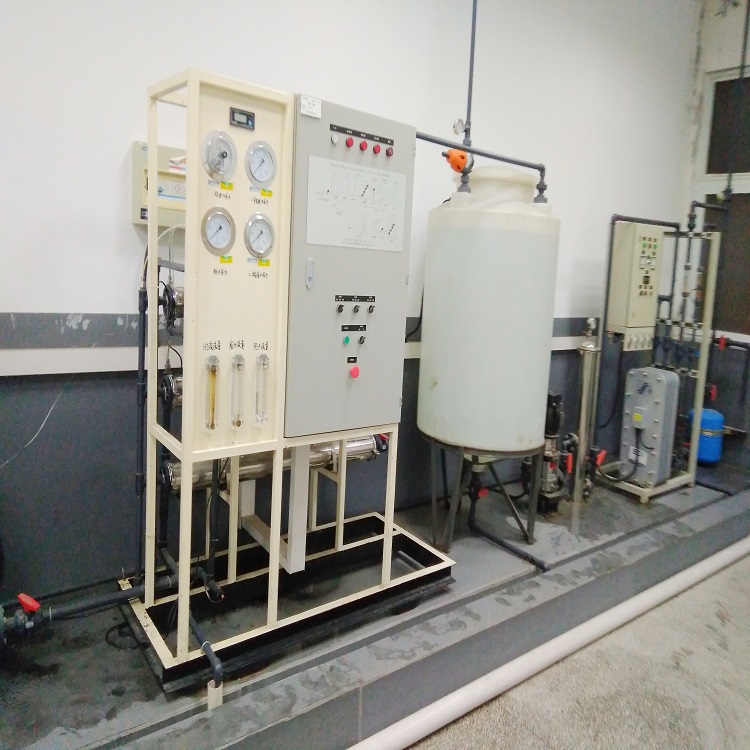
Shenzhen Industrial Ultra-Pure Water Equipment, equipped with EDI system, features low energy consumption and high degree of automation.
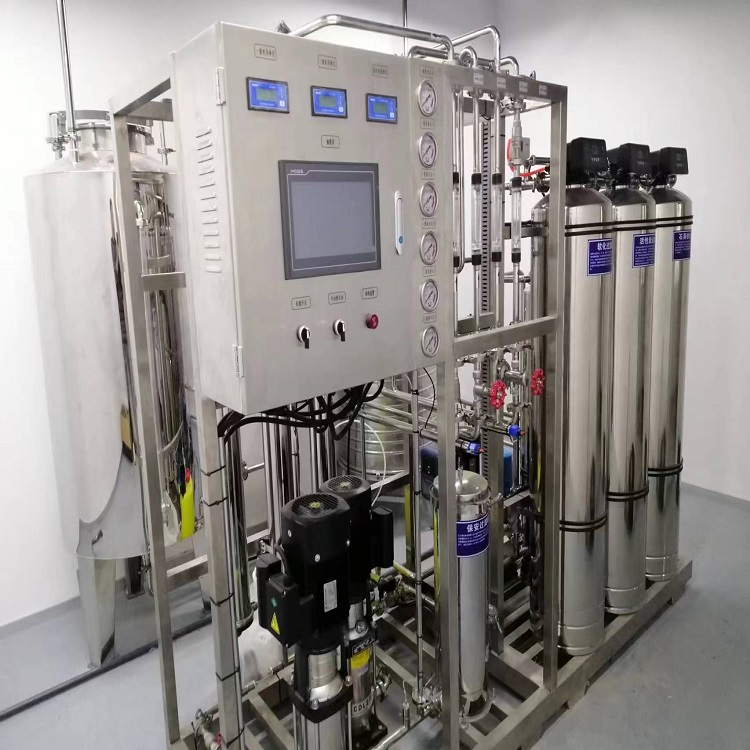
Shanghai industrial pure water production equipment reverse osmosis filtration system with high yield and customizable options, Quankun brand.
详情描述
The core component of the wastewater treatment equipment for cutting waste is the cutting-type sludge pump, which chops solid particles or fibers in the wastewater using built-in cutting blades, allowing them to pass through the pump body smoothly and prevent clogging. The cutting blades are typically made of high-hardness alloy materials, capable of quickly cutting various contaminants such as plastic bags, fabrics, hair, etc. During operation, the wastewater enters the pump body, and the cutting blades rotate at high speed, chopping the solid matter before it is discharged through the pump's outlet. This design not only enhances the effluent efficiency but also reduces the risk of pipe clogging and extends the lifespan of the equipment.
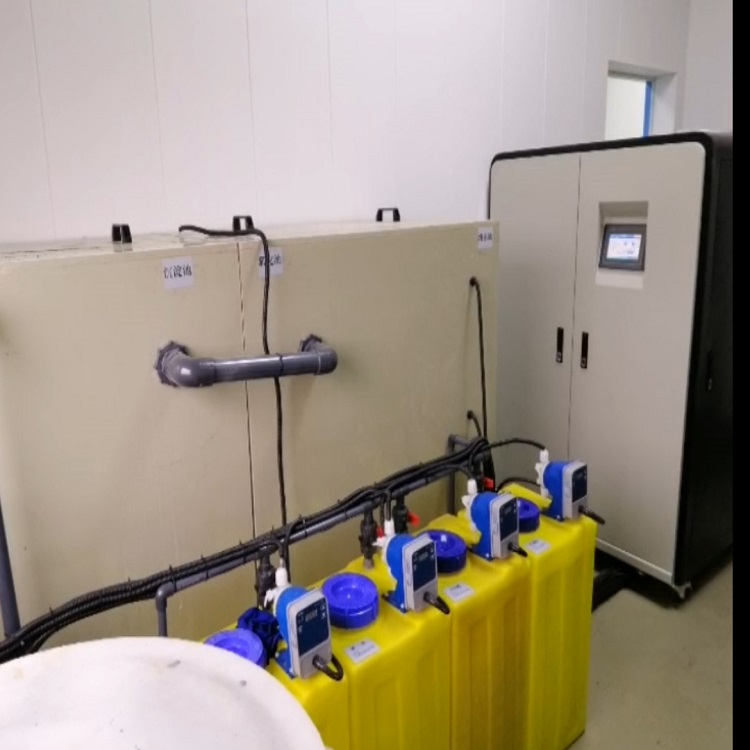
Based on application scenarios and functional requirements, wastewater treatment equipment can be divided into the following types:
Submersible sewage pump: Mainly used for waste water discharge in deep wells, basements, and other low-lying areas. It features a compact structure, easy installation, and is capable of long-term operation underwater.
2. Dry Cutting Sewage Pumps: Designed for wastewater treatment in ground or dry environments. The motor of the dry pump is separated from the pump body, facilitating maintenance and repair, commonly used in industrial wastewater treatment and construction site drainage.
3. Portable Cutting Sewage Pumps: Compact in size, easy to move, suitable for temporary drainage needs such as emergency rescue and agricultural irrigation. These devices usually feature lightweight design, easy operation, and are suitable for non-professionals.
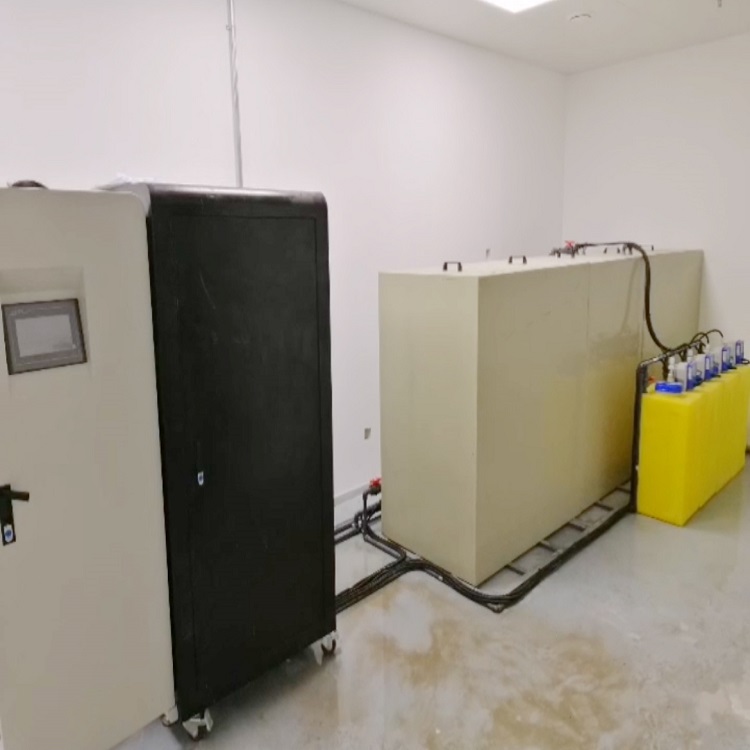
Wastewater treatment equipment for cutting applications is widely used in the following fields due to its high efficiency and reliability:
1. Municipal Engineering: Urban drainage systems often contain a large amount of solid impurities, such as leaves and plastic bags. Cutaway sewage pumps can effectively handle these impurities, ensuring the smooth operation of the drainage system and reducing the risk of urban flooding.
2. Industrial Wastewater Treatment: Wastewaters from industries like textiles, papermaking, and food processing often contain solid substances such as fibers and residues. Cutting equipment can chop these materials, preventing pipe blockages and enhancing the efficiency of wastewater treatment.
3. Construction Sites: Slurry, sand, and stones generated during construction often clog traditional sewage systems. The cut sewage pump can easily handle these high-concentration wastewater, ensuring smooth drainage on the site.
4. Rural and Agricultural: Septic tanks and similar facilities in rural areas require regular cleaning. Cutaway sewage pumps can efficiently handle wastewater containing straw, feces, and other impurities, improving the rural environmental sanitation.
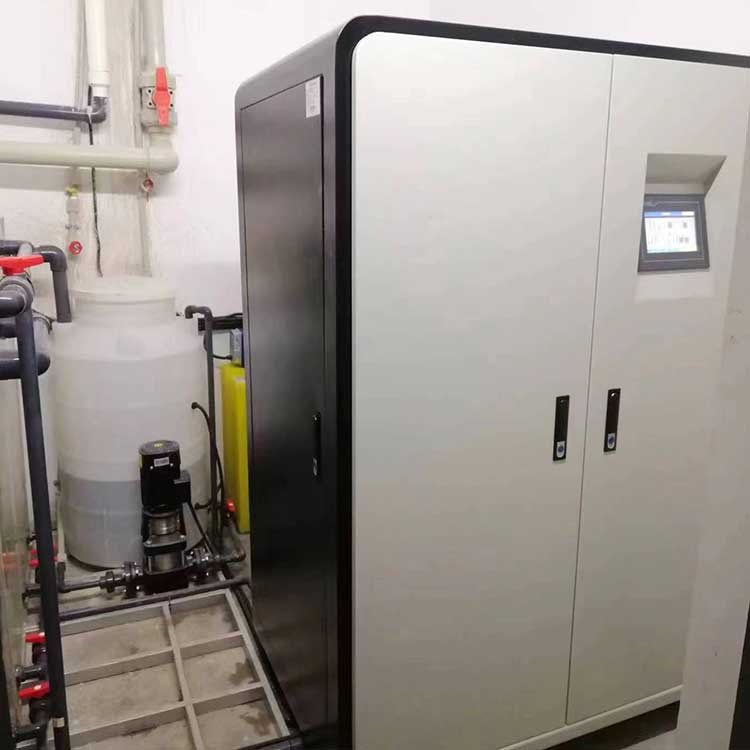
When selecting a wastewater treatment equipment for cutting, consider the following factors:
Flow Rate and Head: Select the equipment's flow rate (the amount of wastewater processed per unit of time) and head (the height the pump can lift water) based on actual needs. An insufficient flow rate and head will not meet the requirements, while an excessive rate and head will increase energy consumption and costs.
2. Cutting Capacity: The cutting capacity varies among different equipment. Select the appropriate blade material and structure based on the type and content of solid impurities in the wastewater.
3. Material and Durability: The pump housing and cutting components of the equipment should be made of corrosion and wear-resistant materials, such as stainless steel or high-strength alloys, to ensure long-term stable operation in harsh environments.
4. Automatic Control Function: Equipment equipped with an automatic control system can automatically start and stop based on water level changes, reducing manual intervention and improving operational efficiency.
5. Brand and After-Sales Service: Choose products from renowned brands to ensure quality and excellent after-sales service.
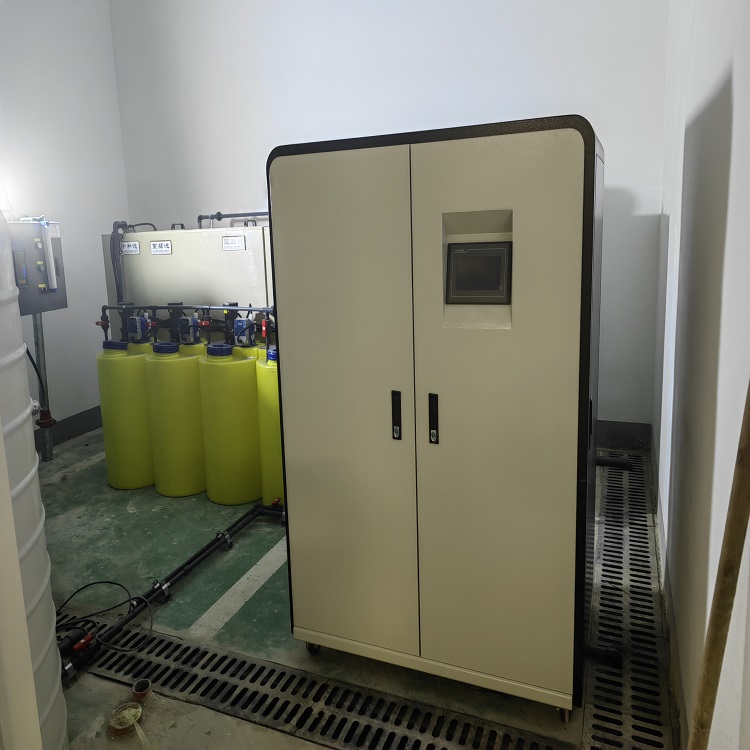
To extend the lifespan of the equipment, regular maintenance and care are required.
Regularly inspect cutting blades: Blade wear or damage can affect cutting quality, so they should be checked and replaced regularly.
2. Clean pump body internally: Over time, impurities may accumulate inside the pump body, necessitating regular cleaning to prevent blockages.
3. Inspect Sealing Performance: Pay special attention to the sealing performance of diving equipment to prevent water from entering and damaging the motor.
4. Lubricate moving parts: Regularly add lubricating oil to bearings and other moving parts to reduce wear.


