



- AllProduct Category
-
Lab Wastewater Treatment Equipment
Lab Wastewater Treatment Equipment
Ultra-Pure Water Equipment
Membrane Separation Equipment
Pure Water Equipment
Low-Temperature Evaporator
Ultra-Pure Water System
Integrated Wastewater Treatment Equipment
Reverse Osmosis Equipment
Pure Water Equipment
Ceramic Membrane Equipment



Recommended Products
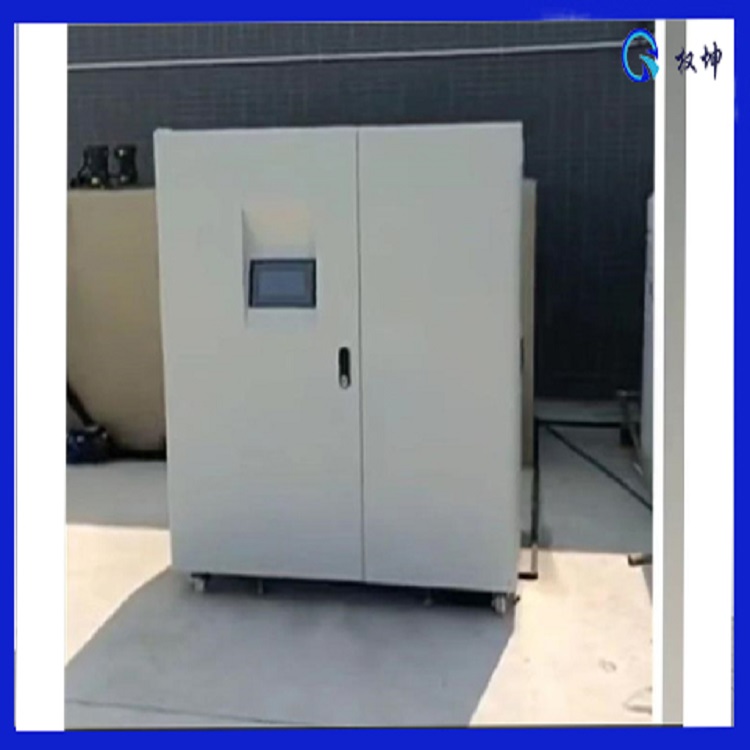
Quan Kun - Comprehensive Laboratory Waste Water Treatment Equipment - Remote Monitoring - Automated Control
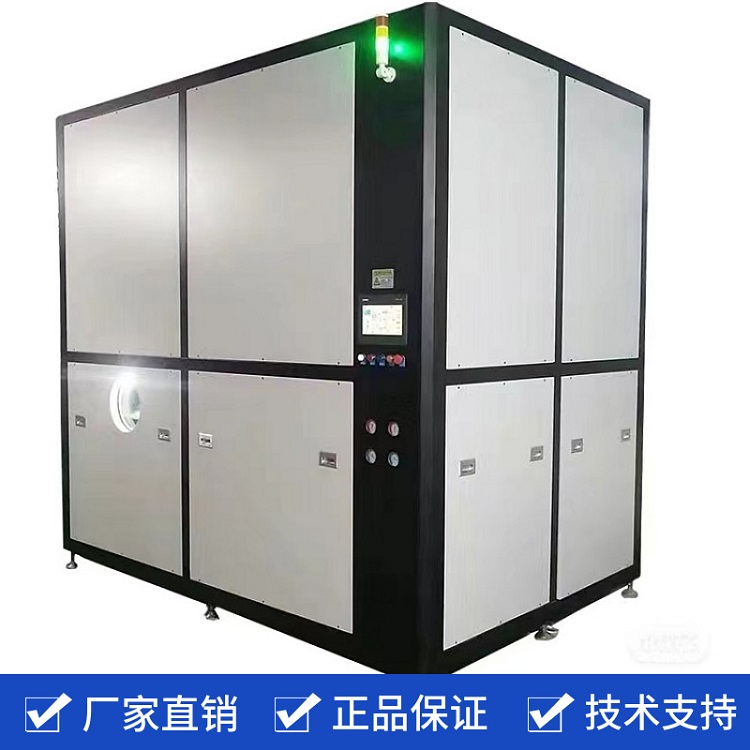
Sodium Chloride Wastewater Low-Temperature Evaporator - Intelligent Automatic - Quankun - Integrated Design
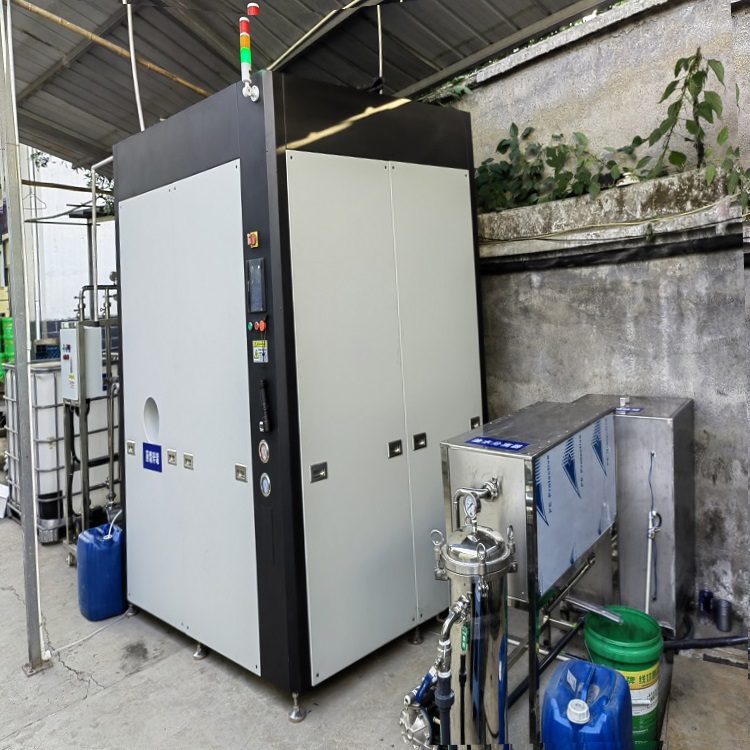
High-Concentration Oil Emulsion Waste Water Treatment Equipment - Quankun - Evaporator Unit - High Concentration Ratio
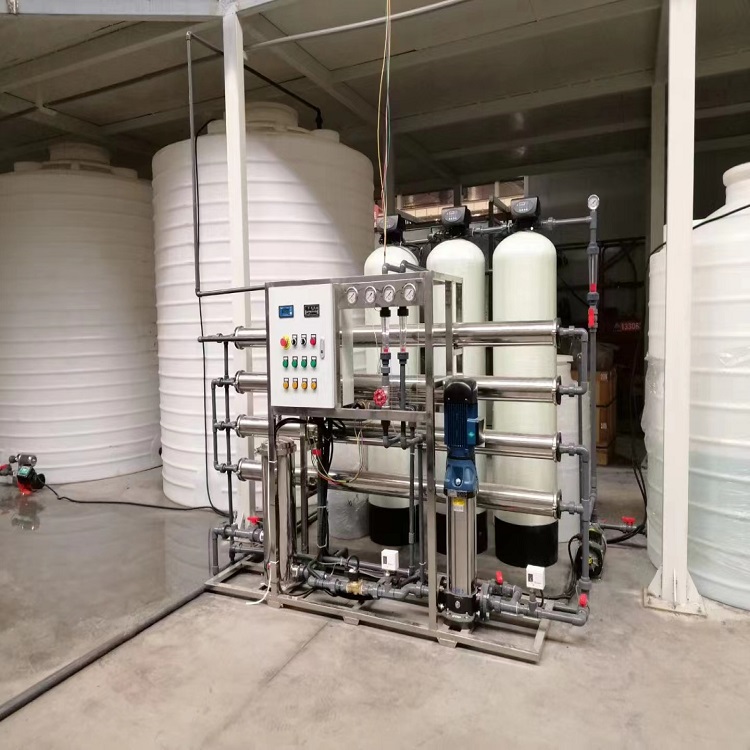
Industrial Pure Water Equipment EDI Ultra-Pure Water System Fully Automatic Control Quankun Environmental Protection
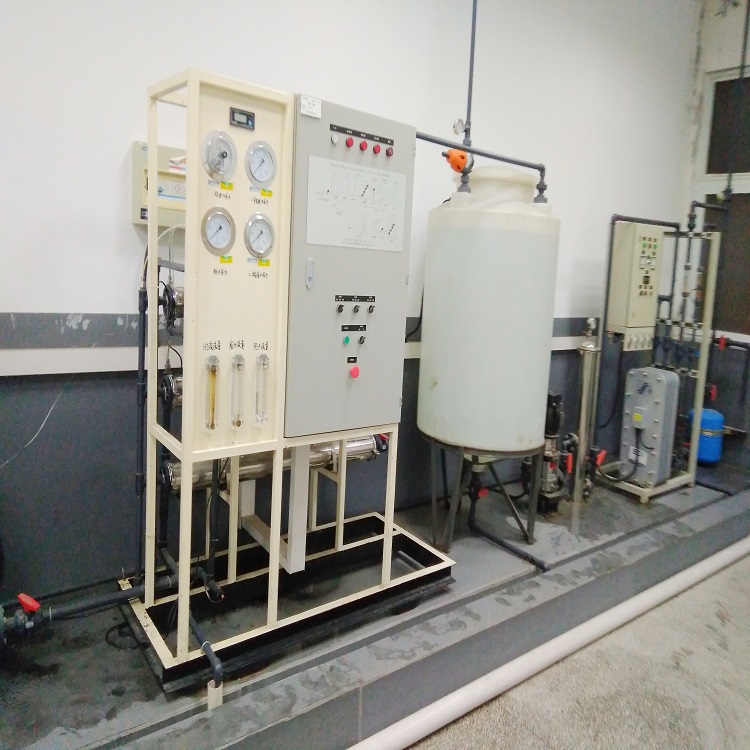
Shenzhen Industrial Ultra-Pure Water Equipment, equipped with EDI system, features low energy consumption and high degree of automation.
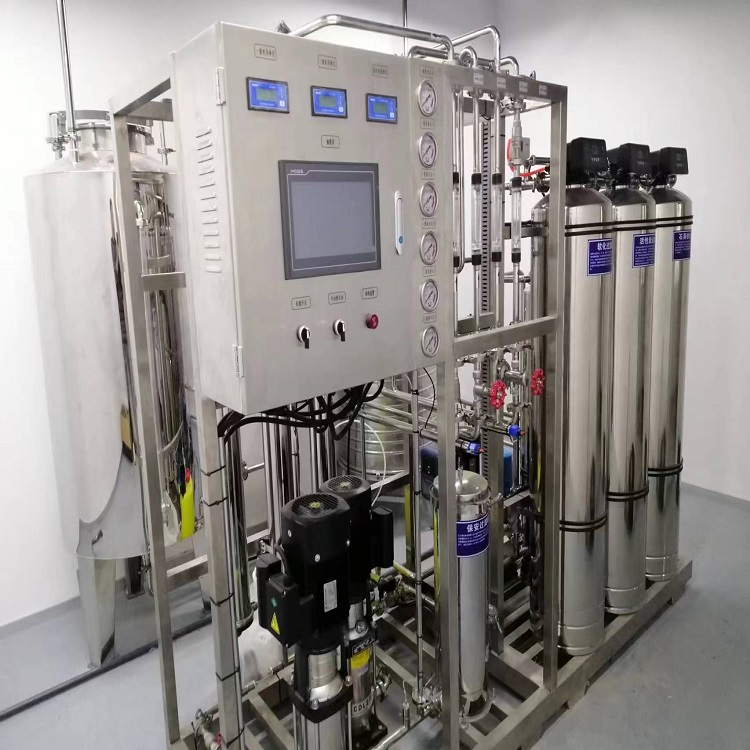
Shanghai industrial pure water production equipment reverse osmosis filtration system with high yield and customizable options, Quankun brand.
详情描述
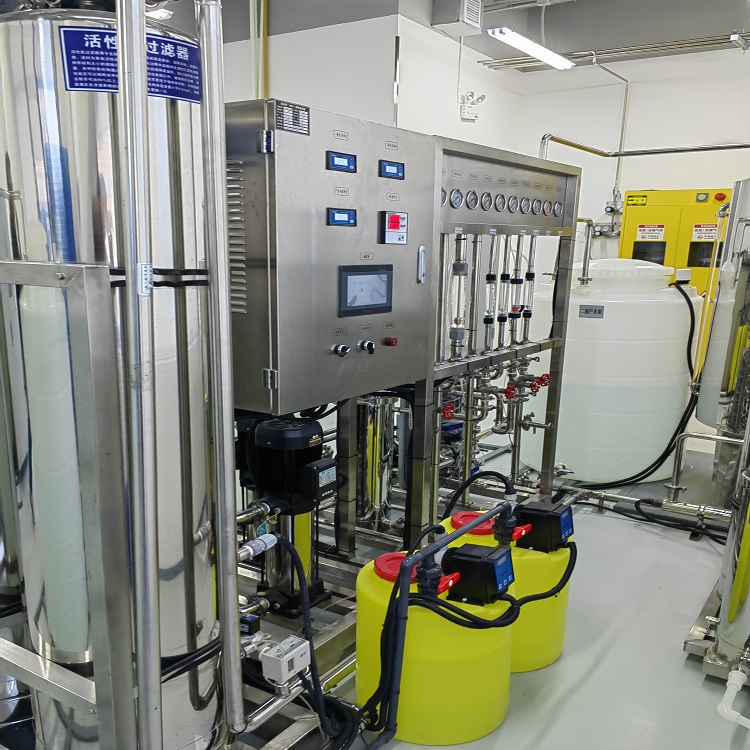
Purified Water Preparation System, Quankun, Stainless Steel Material, Laboratory Pure Water System, Customized to Order
Laboratory pure water systems are typically categorized into three grades based on water purity: Grade 1 Pure Water, Grade 2 Pure Water, and Ultra-Pure Water. Grade 1 Pure Water usually refers to water that has undergone initial filtration and reverse osmosis treatment, suitable for general laboratory cleaning and reagent preparation. Grade 2 Pure Water, on the other hand, has been further treated with ion exchange or electro-deionization, offering higher purity and is commonly used for precise instruments and biochemical experiments. Ultra-Pure Water is the highest purity water, with a resistivity of up to 18.2 MΩ·cm, almost free of impurities, and is primarily used for cell culture, molecular biology experiments, and high-precision analysis.
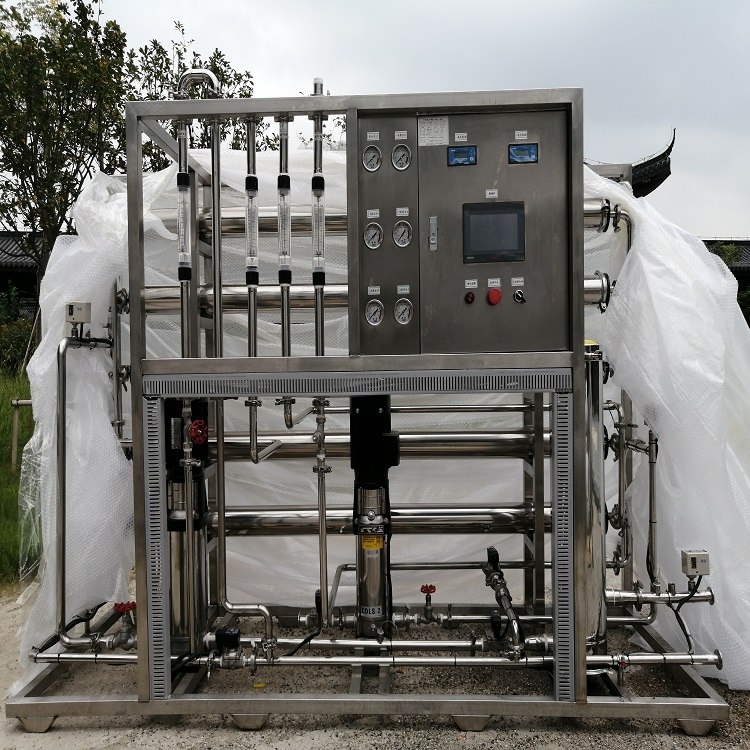
Advantages of EDI equipment:
The EDI unit is used after the reverse osmosis system to replace the traditional mixed ion exchange technology (MB-DI) for producing stable deionized water. Compared to mixed ion exchange technology, the EDI technology has the following advantages:
① Water quality stable; ② Easy to achieve full automatic control; ③ No downtime due to regeneration; ④ No chemical regeneration required; ⑤ Low operation costs; ⑥ Small land area required; ⑦ No wastewater discharge.
EDI technology represents a revolutionary water treatment method, integrating electrodialysis and ion exchange into a continuous desalination process, a high-tech, green, and environmentally friendly technology. EDI water purification equipment boasts continuous water output, no need for acid-base regeneration, and unattended operation, and is gradually replacing mixed bed systems as a treatment equipment in pure water preparation systems.
The EDI unit is applied after the reverse osmosis system, replacing ion exchange resins, requiring no acid or alkali regeneration. It features stable water quality, low operating costs, easy operation and management, and a small footprint.
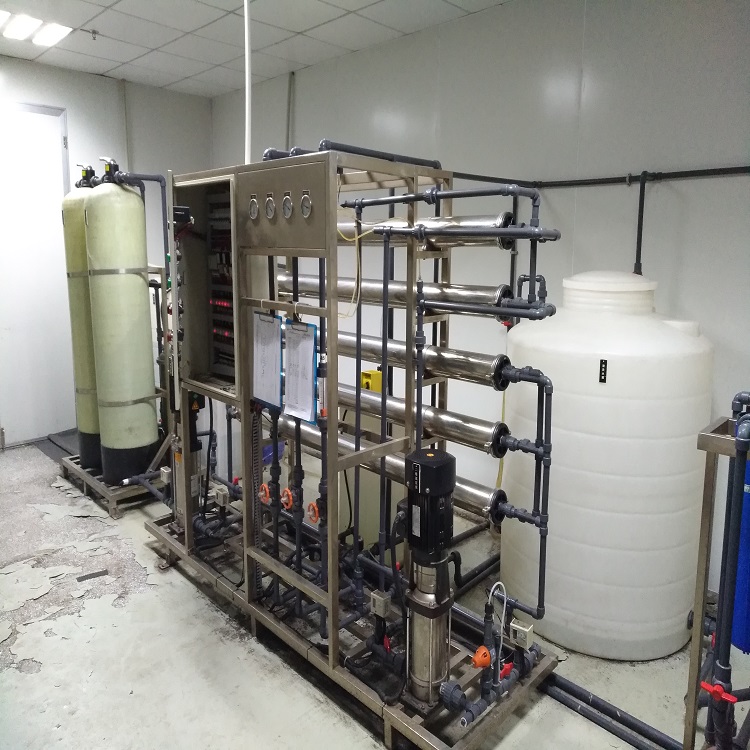 From a technical standpoint, laboratory pure water systems can be further categorized into reverse osmosis (RO) systems, electric deionization (EDI) systems, and ultrafiltration (UF) systems, among others. RO systems remove dissolved salts and organics from water through semi-permeable membranes, while EDI systems utilize electric fields and ion exchange resins to eliminate ionic impurities. UF systems physically filter out large molecules and particulates. Different technological combinations can meet the varying needs of various laboratories.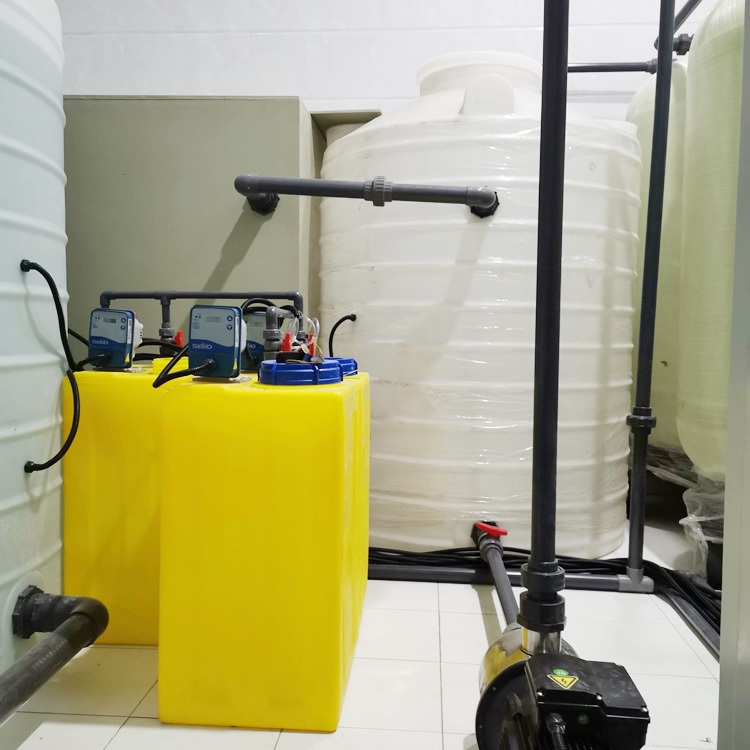
When selecting a laboratory pure water system, it's important to consider factors such as water quality requirements, water usage, budget, and maintenance costs. Here are some practical purchasing suggestions:
Be Specific About Water Quality Requirements: Firstly, it's essential to determine the laboratory's specific water usage standards. Different experiments have varying water quality demands, such as molecular biology experiments often requiring ultrapure water, while general glassware cleaning may only require grade one pure water.
2. Evaluate Water Usage: Select the appropriate system specifications based on the laboratory's average daily water usage and peak water usage. Labs with high water consumption may consider a central water supply system, while smaller labs can opt for desktop or wall-mounted units.
3. Focus on system features: Modern pure water systems for laboratories typically feature various intelligent functions, such as online water quality monitoring, automatic flushing, and remote alarms. These features significantly simplify daily operations and maintenance.
4. Consider maintenance costs: The operational costs of a pure water system encompass not only the initial purchase price but also long-term expenses such as consumable replacements and regular maintenance.
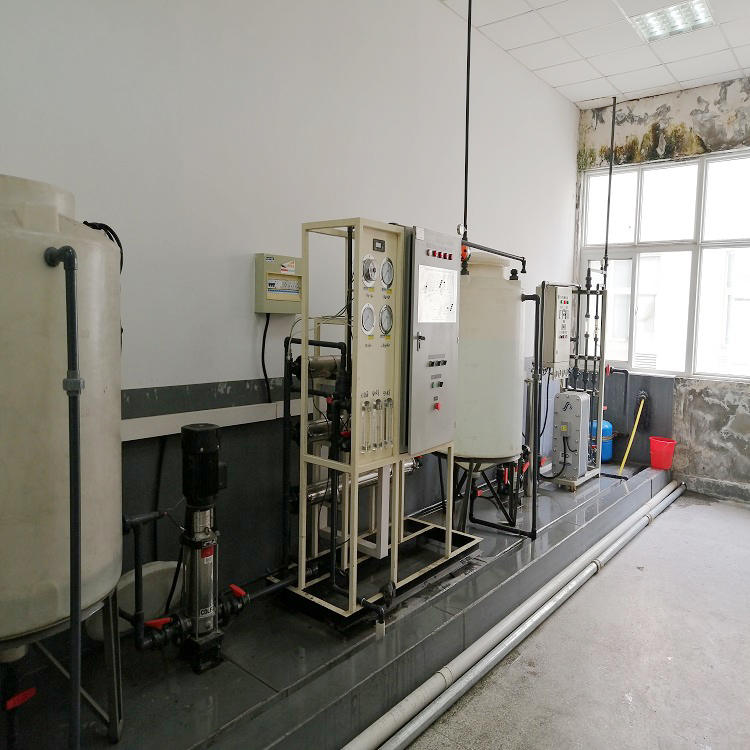
Features of Pure Water Equipment:
Highly Efficient and Energy-Saving: The pure water equipment utilizes advanced reverse osmosis technology, featuring high efficiency and energy-saving properties, capable of producing high-quality pure water with lower energy consumption.
High level of automation: Pure water equipment is equipped with a comprehensive automated control system, capable of achieving automatic operation, monitoring, and alarm, significantly reducing the difficulty and intensity of manual operation.
3. Environmental and Safety Standards: The pure water equipment is designed and manufactured with comprehensive consideration of environmental and safety factors, utilizing non-toxic and harmless materials and processes to ensure that the equipment will not pose any harm to the environment or human health during operation.
4. Excellent Stability: The pure water equipment has undergone strict process control and quality inspections, ensuring good stability and reliability for long-term stable operation.
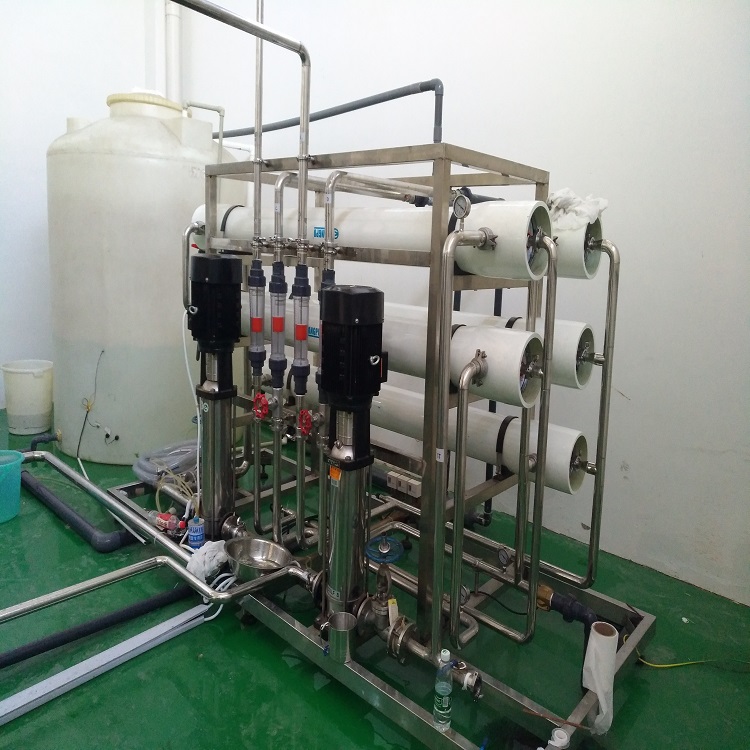
Pure Water Preparation System, Quankun, Stainless Steel Material, Laboratory Pure Water System, Customized as Required
Application Fields:
Pure water equipment is widely used in industries such as chemicals, electronics, medicine, and food, mainly for producing high-purity and ultra-pure water. In the chemical industry, pure water is primarily used in chemical reactions, solvent preparation, cleaning, and cooling. In the electronics industry, it is mainly used for cleaning electronic components, preparing semiconductor materials, and etching. In the pharmaceutical industry, pure water is mainly used in the preparation of medicines, injection water, and cleaning water. In the food industry, it is mainly used in food processing, beverage preparation, and equipment cleaning.


