



- AllProduct Category
-
Lab Wastewater Treatment Equipment
Lab Wastewater Treatment Equipment
Ultra-Pure Water Equipment
Membrane Separation Equipment
Pure Water Equipment
Low-Temperature Evaporator
Ultra-Pure Water System
Integrated Wastewater Treatment Equipment
Reverse Osmosis Equipment
Pure Water Equipment
Ceramic Membrane Equipment



Recommended Products
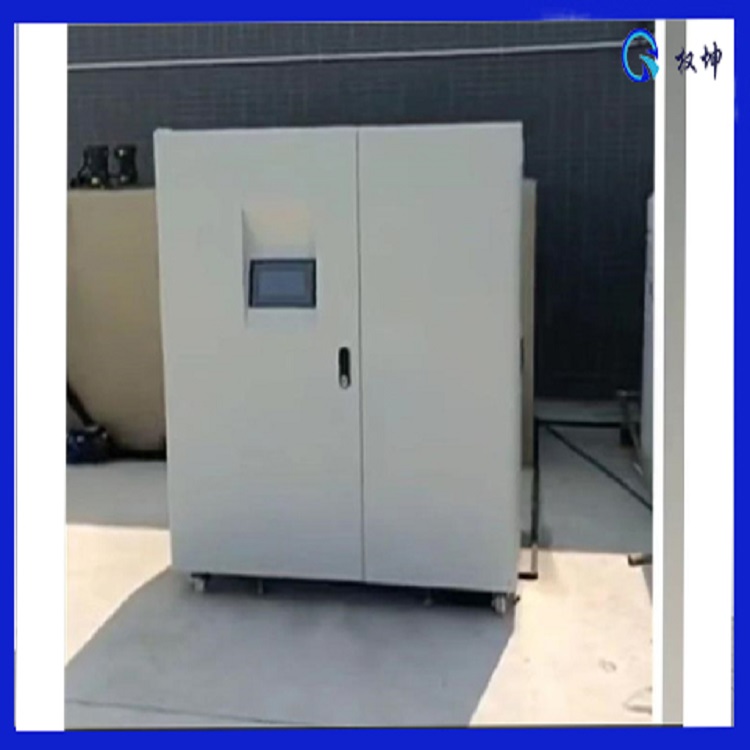
Quan Kun - Comprehensive Laboratory Waste Water Treatment Equipment - Remote Monitoring - Automated Control
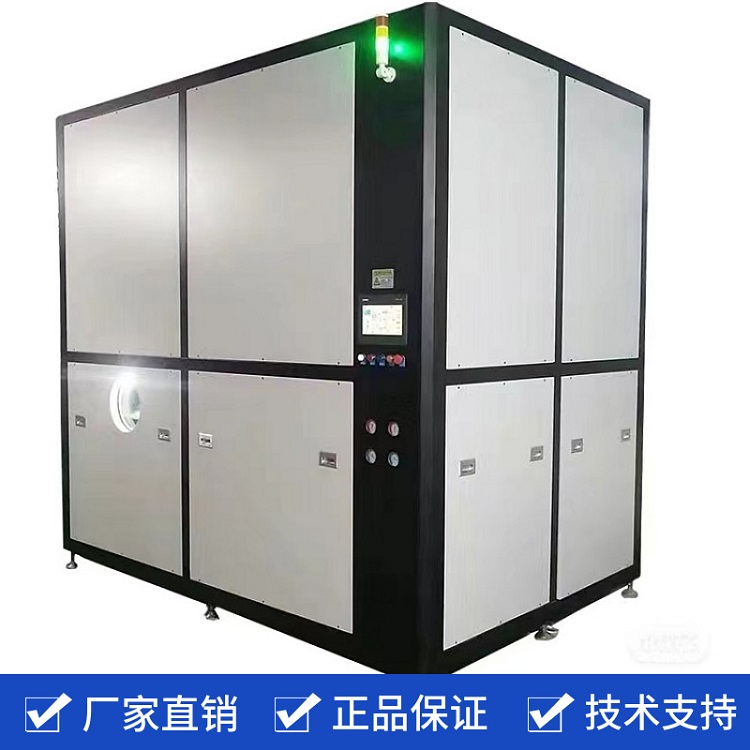
Sodium Chloride Wastewater Low-Temperature Evaporator - Intelligent Automatic - Quankun - Integrated Design
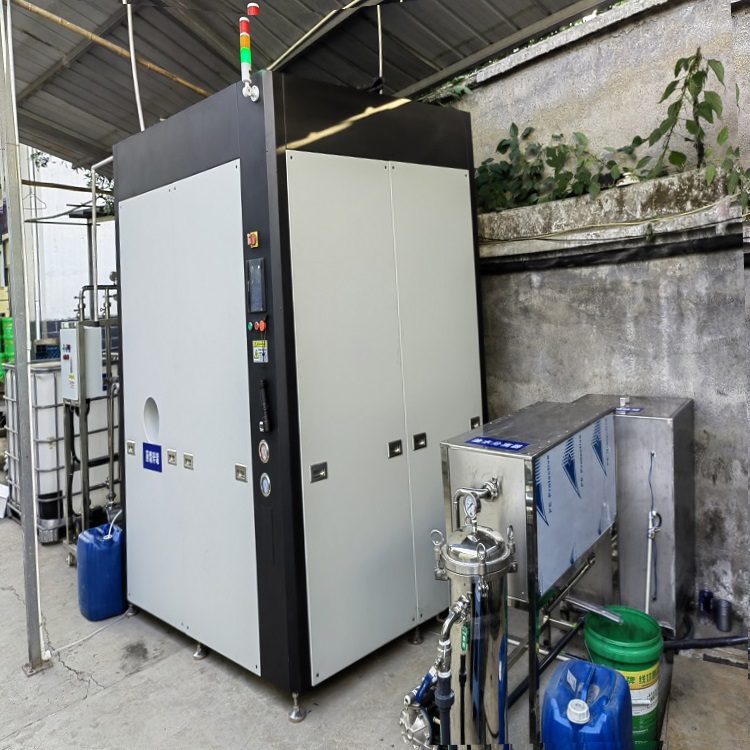
High-Concentration Oil Emulsion Waste Water Treatment Equipment - Quankun - Evaporator Unit - High Concentration Ratio
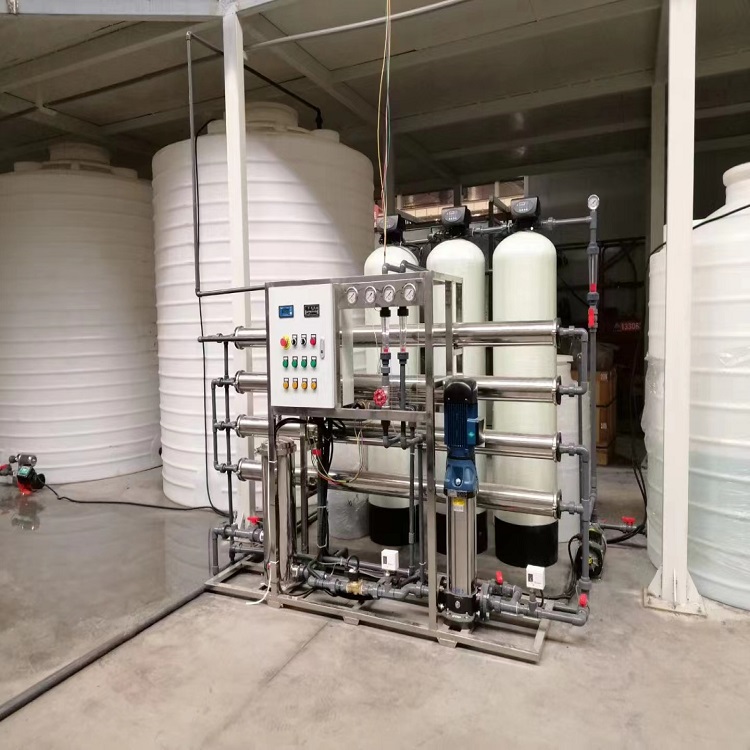
Industrial Pure Water Equipment EDI Ultra-Pure Water System Fully Automatic Control Quankun Environmental Protection
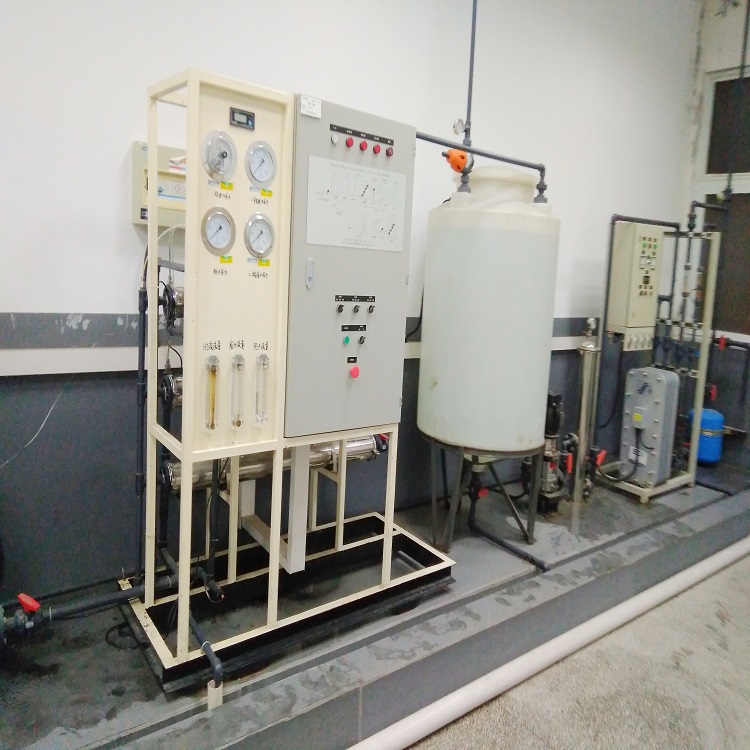
Shenzhen Industrial Ultra-Pure Water Equipment, equipped with EDI system, features low energy consumption and high degree of automation.
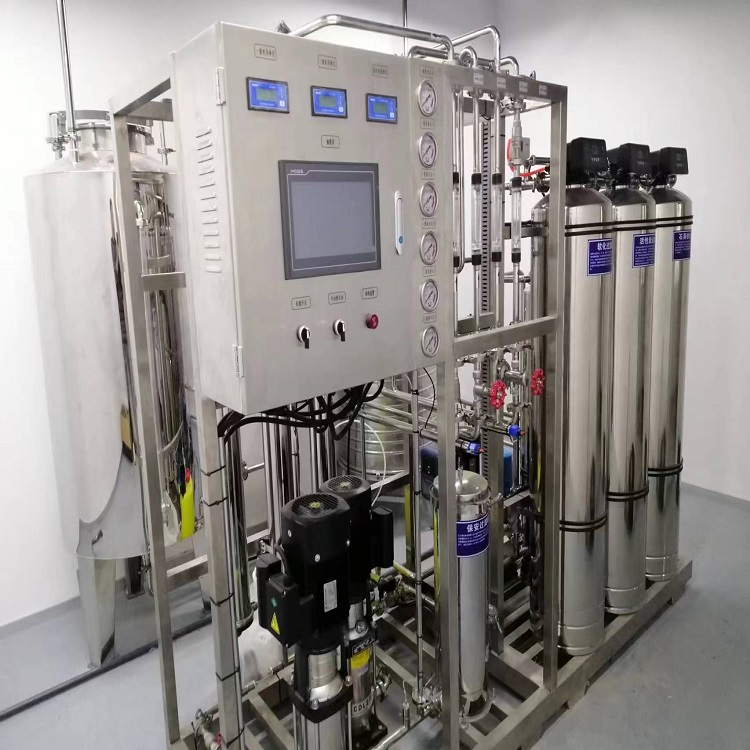
Shanghai industrial pure water production equipment reverse osmosis filtration system with high yield and customizable options, Quankun brand.
详情描述
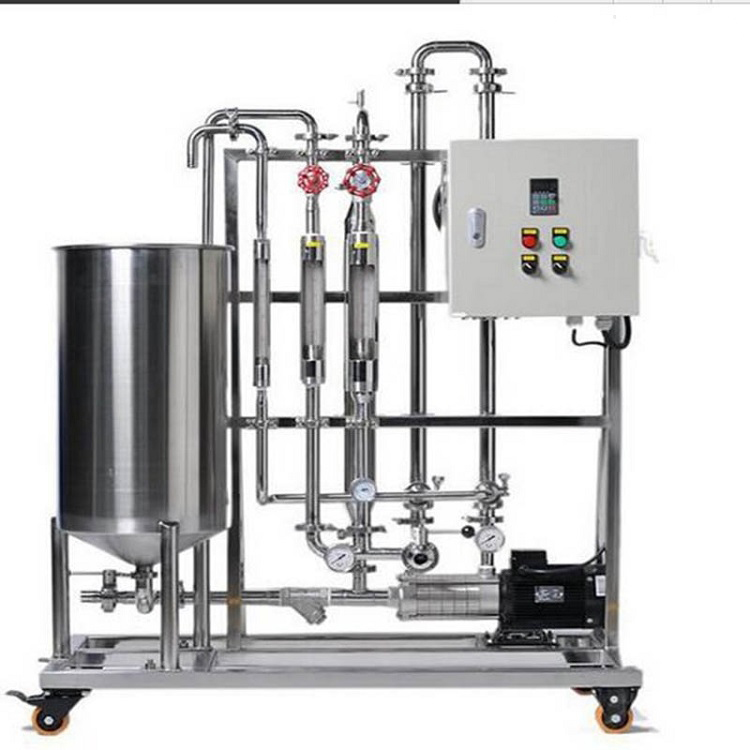
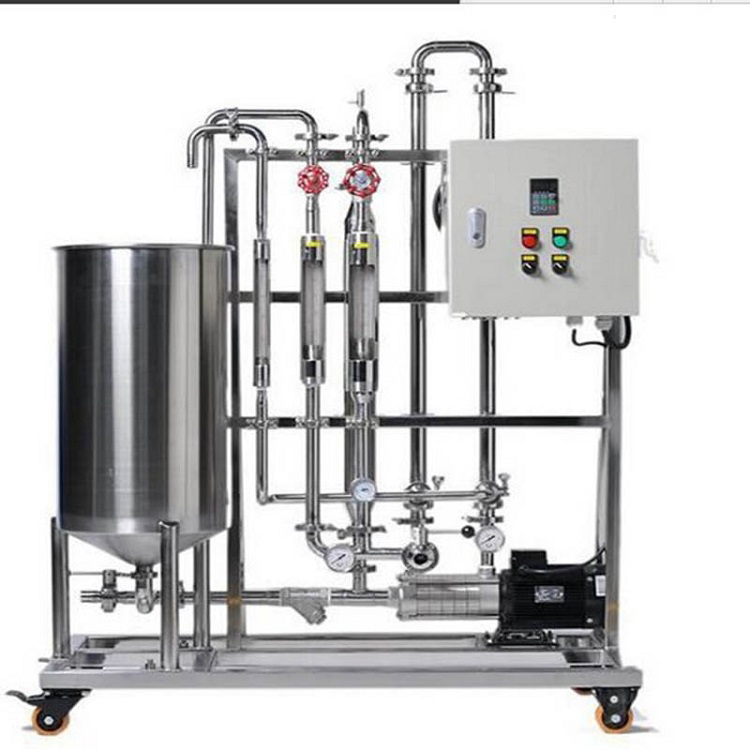
Quan Kun pilot ceramic membrane equipment features easy installation and usage for separation, concentration, and purification.
Ceramic Membrane Equipment Introduction:
Ceramic membrane equipment is a separation device that uses inorganic ceramic membrane elements as the core separation components. The ceramic membranes are made by sintering porous inorganic pressure-resistant materials (such as alumina, titanium oxide, zirconia, silicon carbide, titania, etc.) at high temperatures. With the membrane pore size distribution, driven by pressure, the raw material liquid flows in a crossflow manner within the membrane tubes. Small molecular substances pass through the membrane, while the liquid containing large molecular components is retained by the membrane, forming a concentrated liquid, thereby achieving the purpose of separation, concentration, and purification of the fluid.
Product Categories:
Based on different types of membrane tubes, they are primarily divided into two series: ceramic membrane tubes and ceramic composite membrane tubes.
Based on different aperture sizes, the main categories are ceramic microfiltration membrane tubes and ceramic ultrafiltration membrane tubes.
The main categories are single-channel and multi-channel, differing by the number of channels.
We can select the appropriate ceramic membrane tube or ceramic composite membrane tube for the customer based on their process requirements, the specific treatment systems, and relevant technical specifications.
Product Advantages:
Ceramic membranes, established on the foundation of inorganic material science, offer superior advantages over other separation mediums such as plate-and-frame separators, centrifuges, diatomite, and polymer membranes.
Excellent chemical stability, resistant to acids, alkalis, and oxidation.
Resistant to organic solvents, high-temperature tolerant.
High mechanical strength, excellent wear resistance.
Long lifespan, high processing capacity.
Narrow aperture distribution, high separation accuracy, capable of nanometer-level filtration.
Easy to clean, can be disinfected with online chemicals or high-temperature sterilization, and can be backwashed.
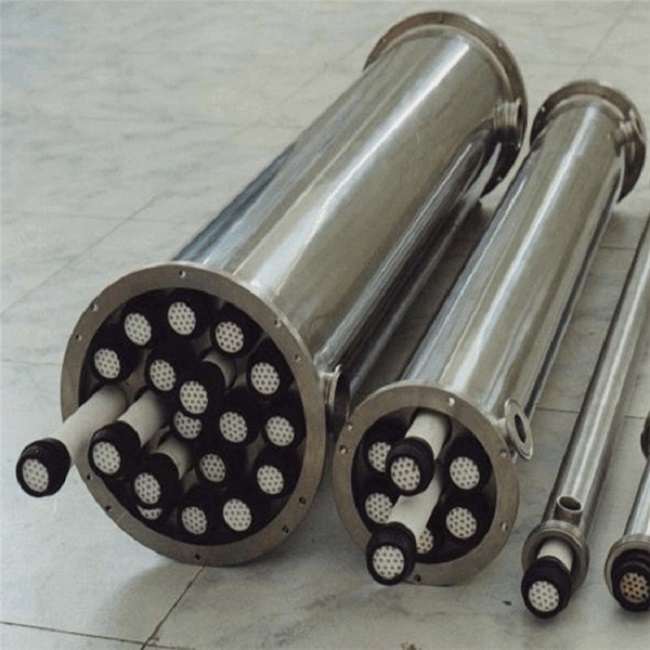
Ceramic Membrane Filtration Principle:
The tubular ceramic membrane is densely covered with micropores. Under pressure, the feed liquid flows inside or outside the membrane tube. Small molecule substances (or liquids) pass through the membrane, while large molecule substances (or solids) are retained by the membrane, achieving separation, concentration, purification, and environmental protection. The flat ceramic membrane panel is also densely covered with micropores. Depending on the diameter of the permeate molecules within a certain membrane pore size range, the permeability varies. Driven by the pressure difference across the membrane, which acts as the filtration medium, under a certain pressure, when the feed liquid flows over the membrane surface, only water, inorganic salts, and small molecule substances are allowed to pass through the membrane, while suspended particles, gums, and microorganisms, etc., as large molecule substances, are prevented from passing through.
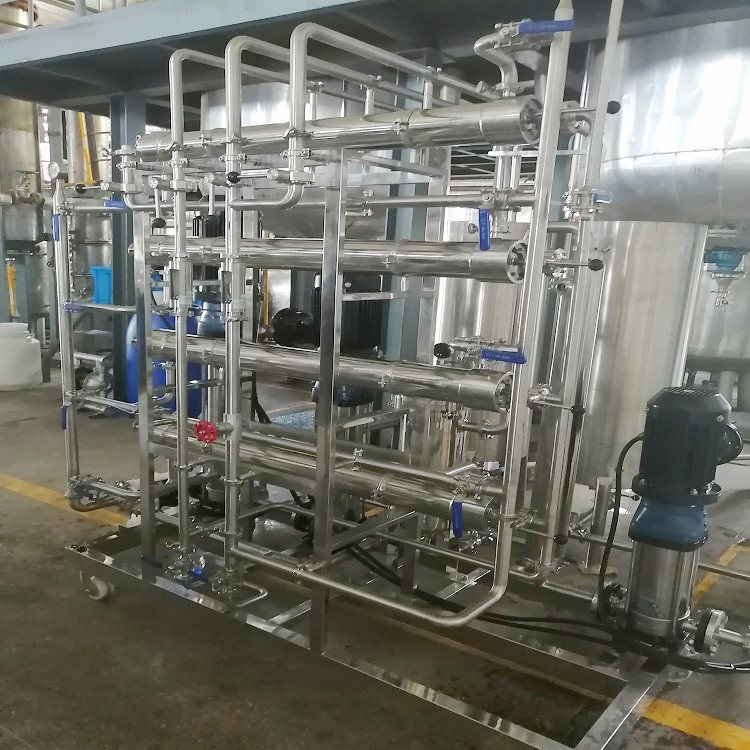
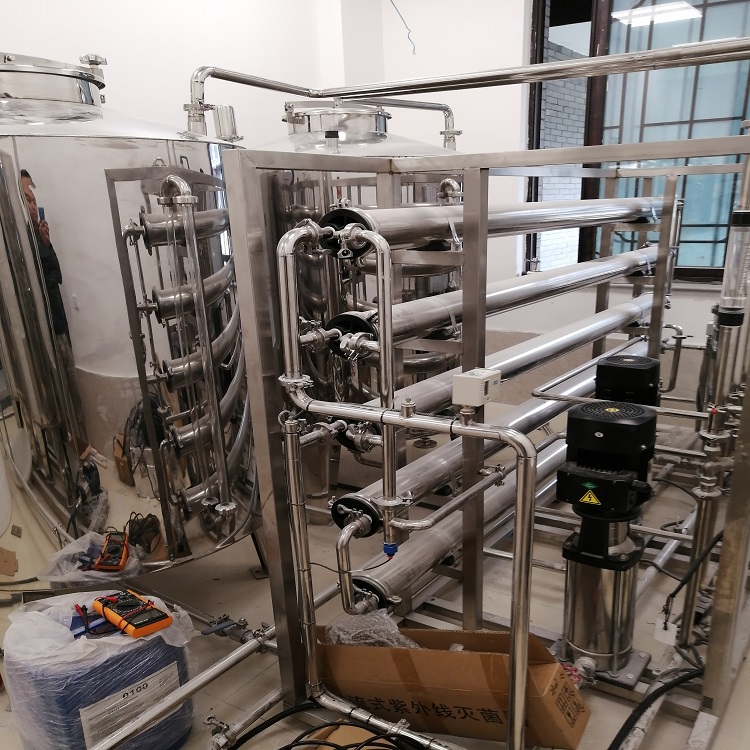
Quankun pilot ceramic membrane equipment, easy installation and operation for separation, concentration, and purification.
Application Fields:
Available in dozens of specifications and models, catering to various filtration precision, membrane tube types (ceramic or ceramic composite), and meeting the demands of different customers, systems, technical requirements, and processing volumes. Successfully applied in numerous fields including food industry, beverage industry, deep processing of plants (medicinal plants), deep processing of agricultural products, deep processing of water (sea) products, biopharmaceuticals, biological fermentation, and fine chemicals, for material clarification, sterilization, impurity removal, filtration, separation, and concentration processes.


