



- AllProduct Category
-
Lab Wastewater Treatment Equipment
Lab Wastewater Treatment Equipment
Ultra-Pure Water Equipment
Membrane Separation Equipment
Pure Water Equipment
Low-Temperature Evaporator
Ultra-Pure Water System
Integrated Wastewater Treatment Equipment
Reverse Osmosis Equipment
Pure Water Equipment
Ceramic Membrane Equipment



Recommended Products
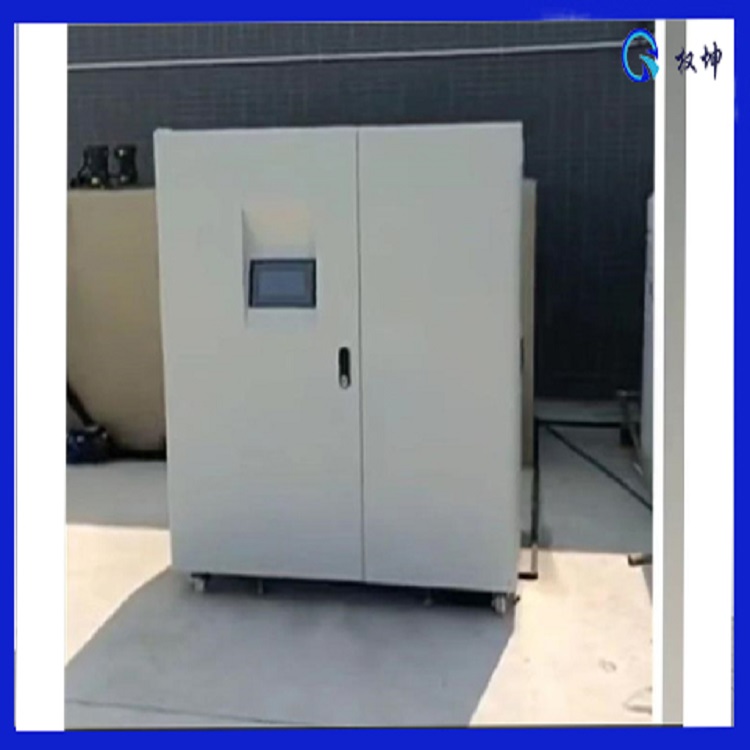
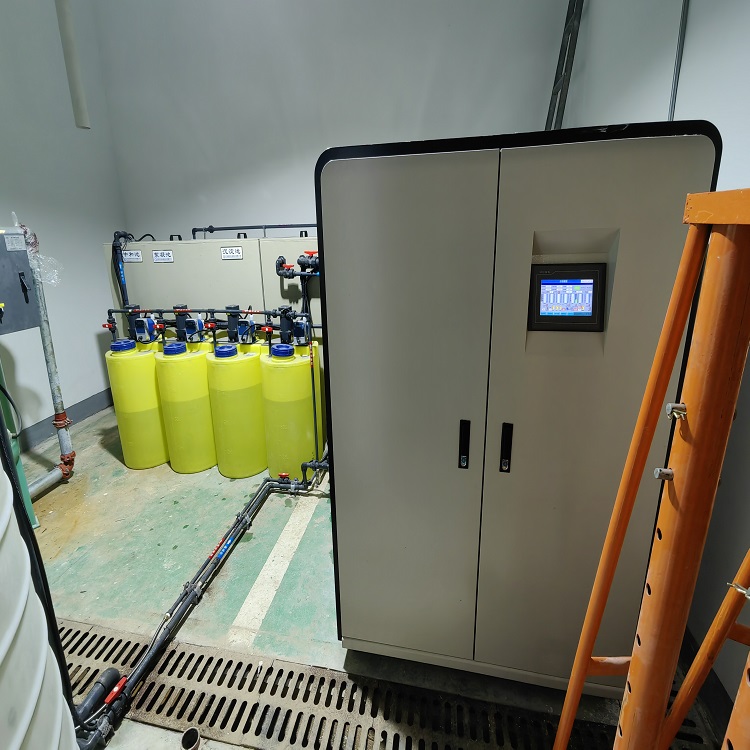
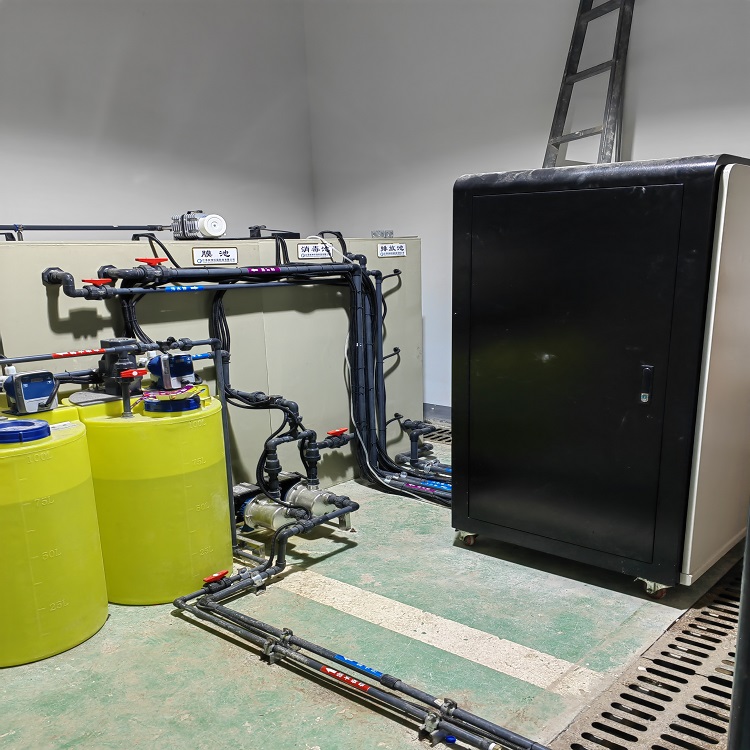
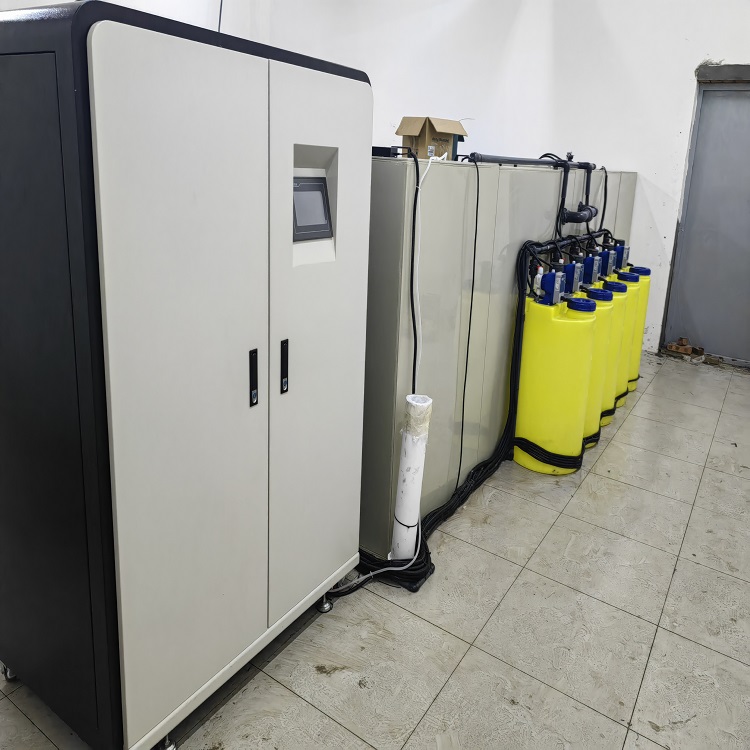
Quan Kun - Comprehensive Laboratory Waste Water Treatment Equipment - Remote Monitoring - Automated Control
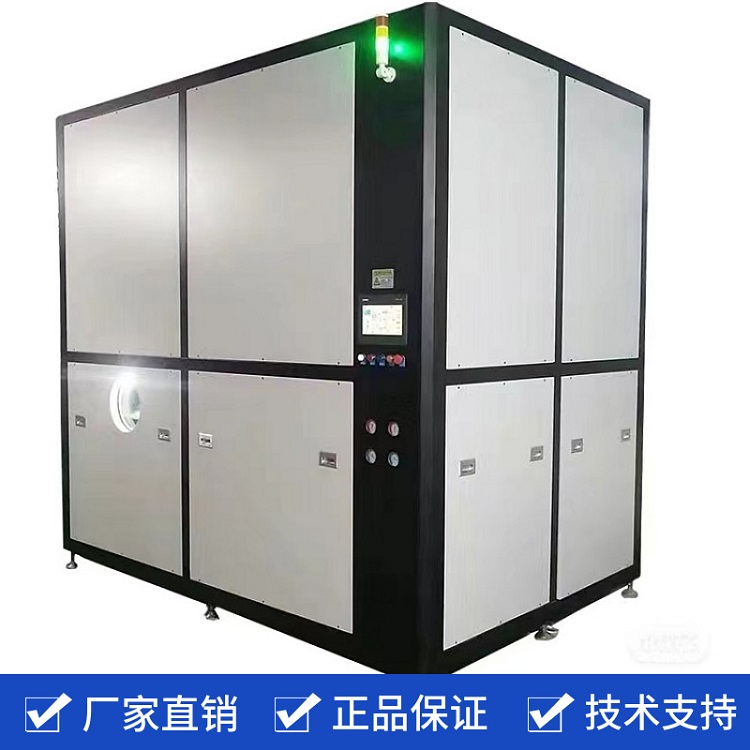
Sodium Chloride Wastewater Low-Temperature Evaporator - Intelligent Automatic - Quankun - Integrated Design
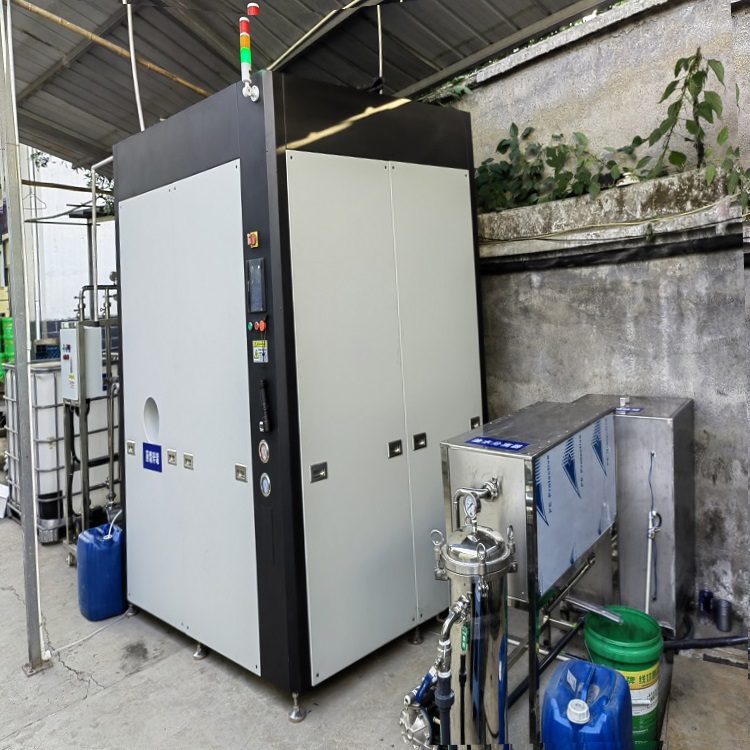
High-Concentration Oil Emulsion Waste Water Treatment Equipment - Quankun - Evaporator Unit - High Concentration Ratio
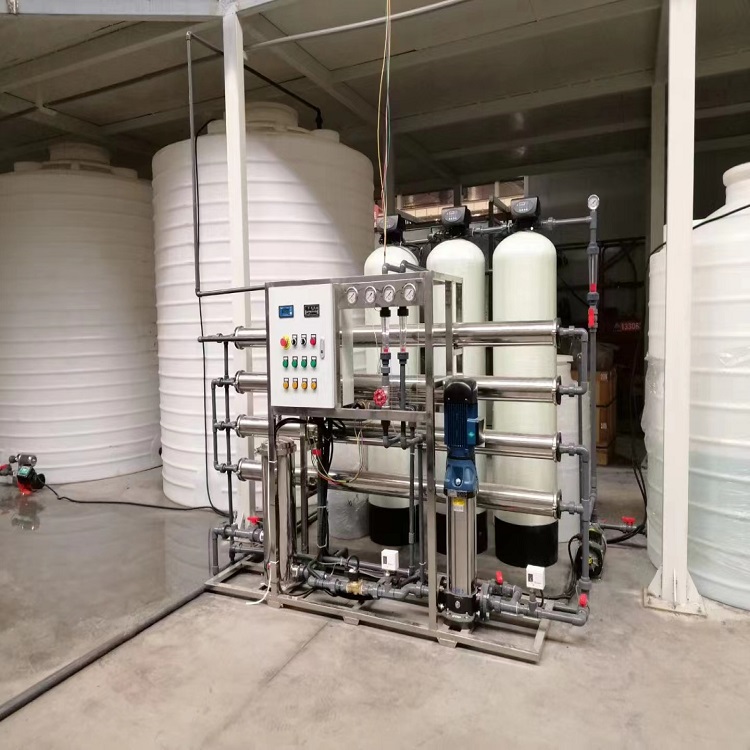
Industrial Pure Water Equipment EDI Ultra-Pure Water System Fully Automatic Control Quankun Environmental Protection
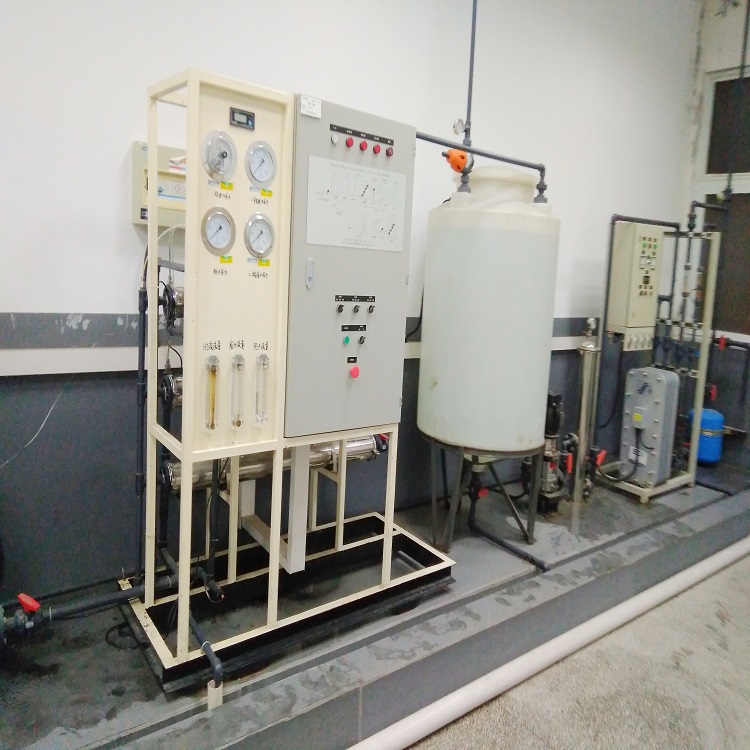
Shenzhen Industrial Ultra-Pure Water Equipment, equipped with EDI system, features low energy consumption and high degree of automation.
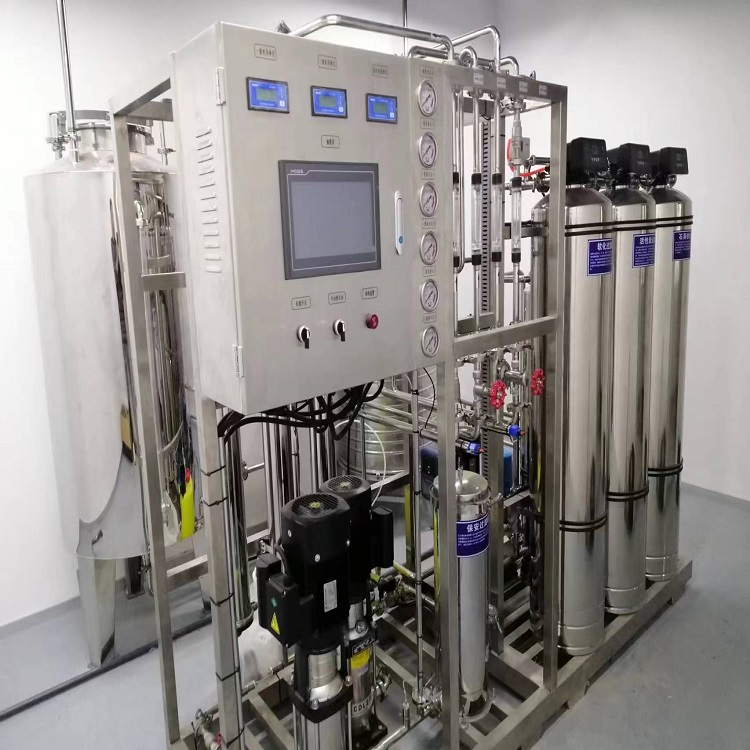
Shanghai industrial pure water production equipment reverse osmosis filtration system with high yield and customizable options, Quankun brand.
详情描述
Nanjing Small Laboratory Wastewater Treatment Equipment - Quankun Environmental - Wastewater Treatment Equipment for Chip Manufacturing
The process principle of laboratory wastewater treatment equipment primarily relies on physical, chemical, and biological treatment methods. These methods typically work together to ensure efficient treatment of wastewater. The equipment's structure usually includes multiple key units, such as collection, adjustment, pretreatment, neutralization, chemical treatment, biological treatment, advanced treatment, and disinfection units. Each unit has specific functions and process steps, collectively ensuring effective purification of wastewater.
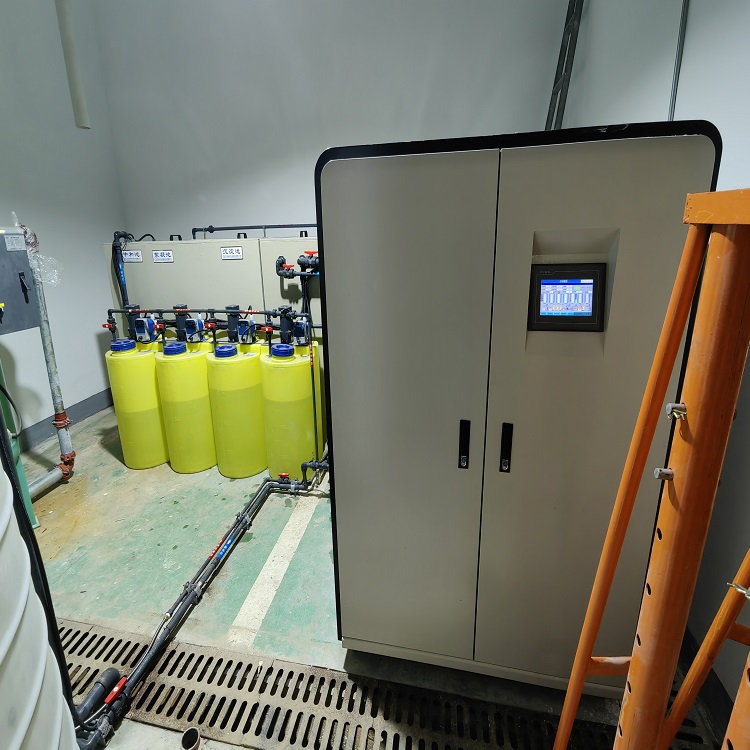
When selecting wastewater treatment equipment, the following principles should be followed:
Based on the characteristics of the wastewater quality and treatment requirements, select the appropriate treatment process and equipment. For instance, in the case of medical wastewater containing a high concentration of pathogens, treatment equipment with disinfection capabilities should be prioritized.
Minimize equipment investment and operating costs while ensuring processing effectiveness. This can be achieved by optimizing equipment selection, enhancing efficiency, and reducing energy consumption.
Choose reliable and stable equipment to ensure long-term stable operation, minimizing failure rates and maintenance costs.
Equipment should minimize noise, vibration, and exhaust emissions during operation, while ensuring that the treated wastewater meets discharge standards.
With technological advancements, an increasing number of wastewater treatment equipment are now equipped with intelligent control systems, enabling remote monitoring, automatic adjustment, and fault diagnosis, thus enhancing operational efficiency and management levels.
In terms of equipment composition, pharmaceutical wastewater treatment systems typically consist of four parts: the pretreatment system, the biochemical treatment system, the advanced treatment system, and the sludge treatment system. The pretreatment system is mainly used to remove suspended solids, oils, and other large particle pollutants from the wastewater, preventing blockages in subsequent treatment units. The biochemical treatment system utilizes the metabolic actions of microorganisms to convert organic matter in the wastewater into inorganic matter, achieving the degradation of pollutants. The advanced treatment system further removes non-degradable organic matter, color, odor, and other substances from the wastewater, enhancing the quality of the effluent. The sludge treatment system is responsible for treating the sludge generated during the biochemical treatment process, reducing sludge volume, and lowering the cost of sludge disposal.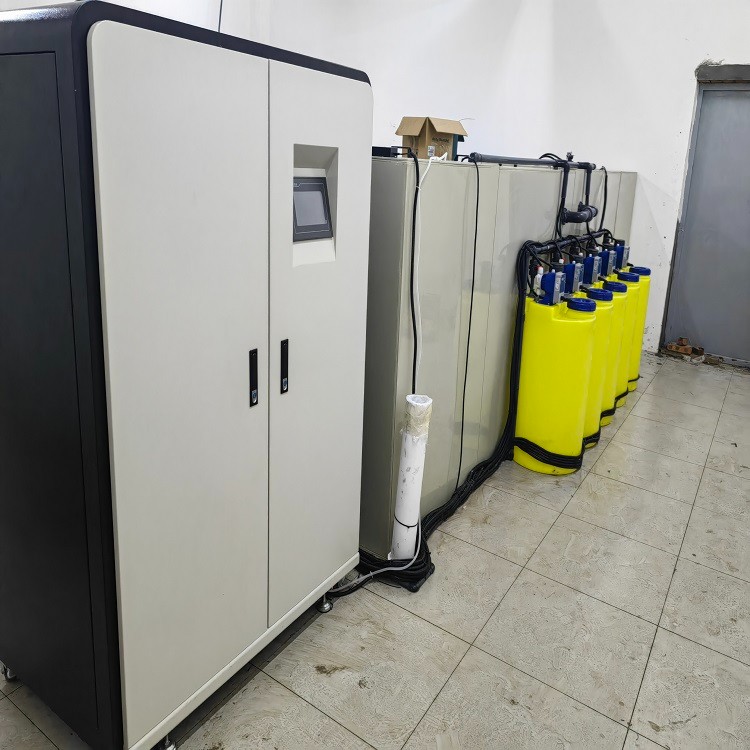 The pretreatment system typically includes units such as格栅、equalization ponds, and coagulation and sedimentation. The格栅 is used to remove large suspended solids from the wastewater; the equalization ponds are for balancing water quality and quantity to reduce the impact load on subsequent treatment units; coagulation and sedimentation involves adding coagulants to form flocs of suspended solids and colloids in the wastewater, which then settle under gravity.
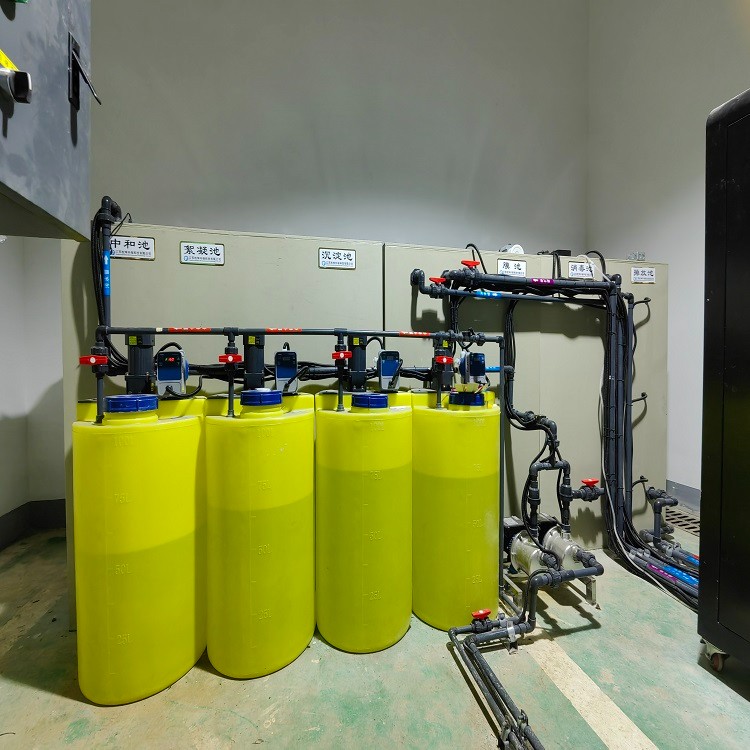 The biochemical treatment system is the core component of pharmaceutical wastewater treatment equipment. Depending on the characteristics of the wastewater, the biochemical treatment system can adopt processes such as activated sludge method, biofilm method, and anaerobic-aerobic (A/O) method. The activated sludge method utilizes suspended microorganisms for organic matter degradation, offering high treatment efficiency and adaptability. The biofilm method, on the other hand, uses microorganisms attached to a carrier surface for organic matter degradation, featuring less land occupation and stable operation. The anaerobic-aerobic (A/O) method combines the advantages of anaerobic and aerobic biological treatments, enabling efficient degradation of organic matter and removal of nitrogen and phosphorus.
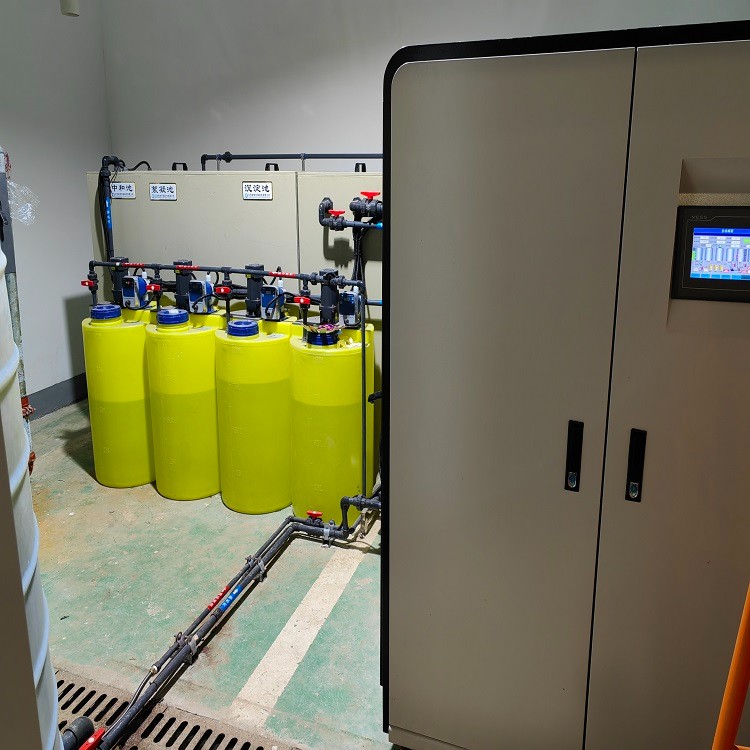
Nanjing Small Laboratory Wastewater Treatment Equipment - Quankun Environmental - Wastewater Treatment Equipment for Chip Manufacturing
Types of laboratory wastewater treatment equipment:
Primarily used for removing suspended solids from wastewater. After a period of stay in the sedimentation pond, under the force of gravity, heavier particles settle to the bottom to form sludge, while the supernatant flows out to the next treatment stage.
2. Includes sand filters, activated carbon filters, etc., used for removing fine particles, colloids, and some dissolved organic matter from wastewater. The filtering medium retains pollutants on its surface or inside through adsorption and interception.
3. Adjusts wastewater pH levels to meet discharge standards. Neutralizes acidic or alkaline substances in wastewater by adding acids or bases, resulting in harmless salts.
4. Utilize oxidizing or reducing agents to convert harmful substances in wastewater into harmless or low-toxic substances. Common oxidizing agents include ozone and hydrogen peroxide, while reducing agents consist of sodium sulfite and ferrous sulfate.
5. Utilizing the metabolic action of microorganisms, organic matter in wastewater is decomposed into carbon dioxide, water, and biomass. Bioreactors can be categorized into aerobic and anaerobic bioreactors, with the former requiring oxygen and the latter operating under anaerobic conditions.


