



- AllProduct Category
-
Lab Wastewater Treatment Equipment
Lab Wastewater Treatment Equipment
Ultra-Pure Water Equipment
Membrane Separation Equipment
Pure Water Equipment
Low-Temperature Evaporator
Ultra-Pure Water System
Integrated Wastewater Treatment Equipment
Reverse Osmosis Equipment
Pure Water Equipment
Ceramic Membrane Equipment



Recommended Products
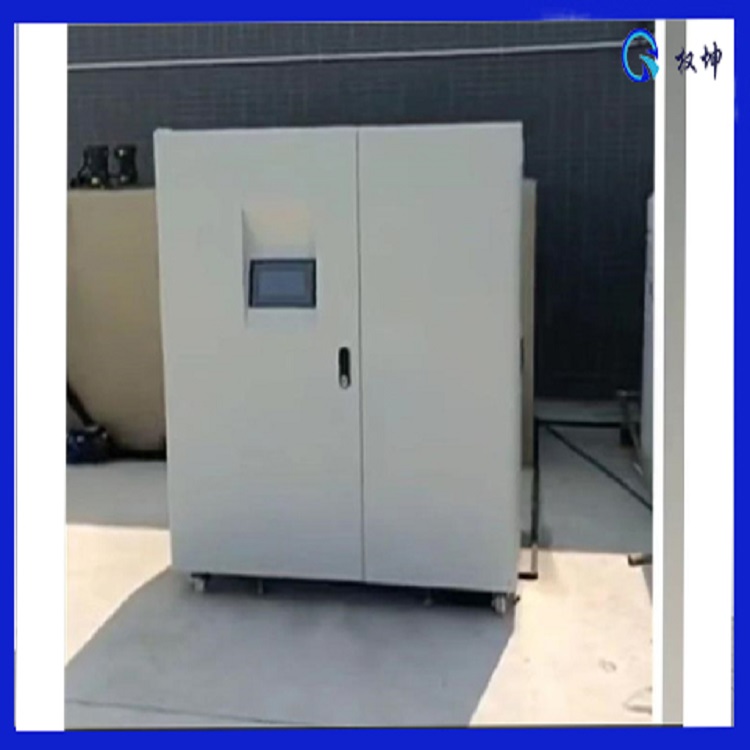
Quan Kun - Comprehensive Laboratory Waste Water Treatment Equipment - Remote Monitoring - Automated Control
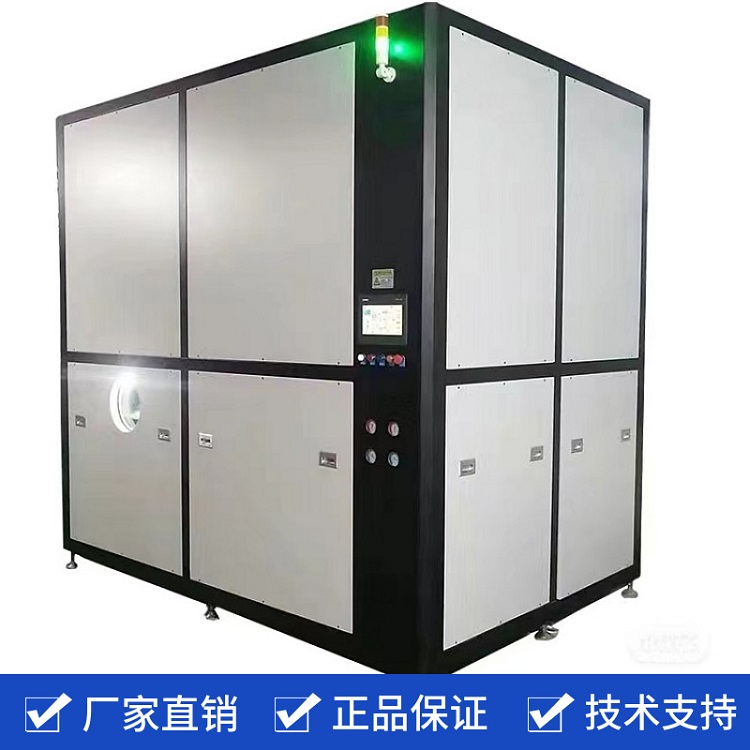
Sodium Chloride Wastewater Low-Temperature Evaporator - Intelligent Automatic - Quankun - Integrated Design
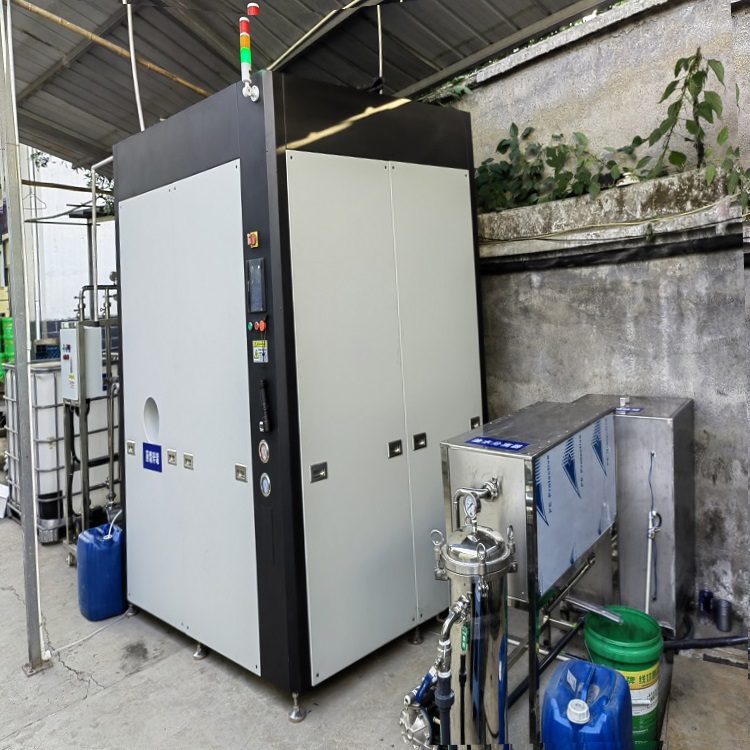
High-Concentration Oil Emulsion Waste Water Treatment Equipment - Quankun - Evaporator Unit - High Concentration Ratio
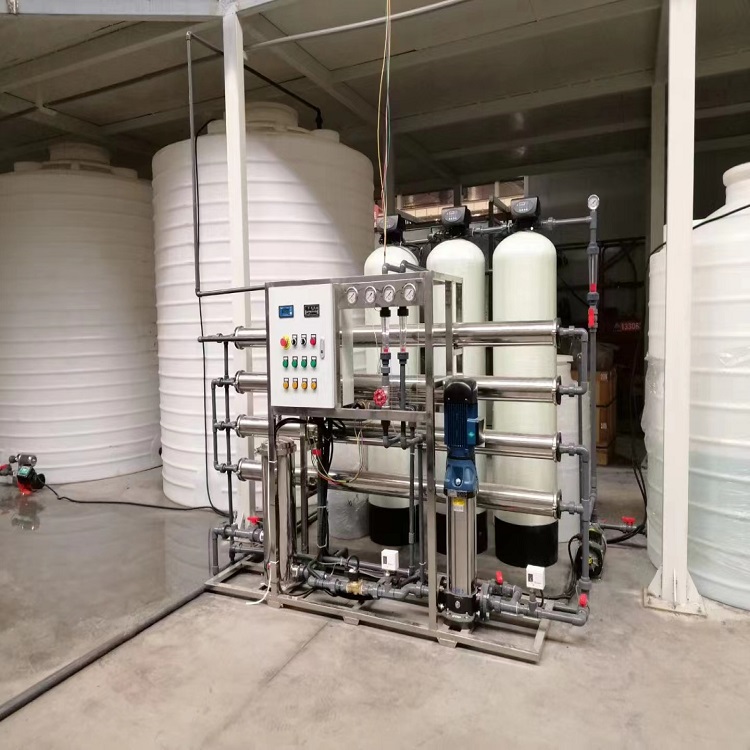
Industrial Pure Water Equipment EDI Ultra-Pure Water System Fully Automatic Control Quankun Environmental Protection
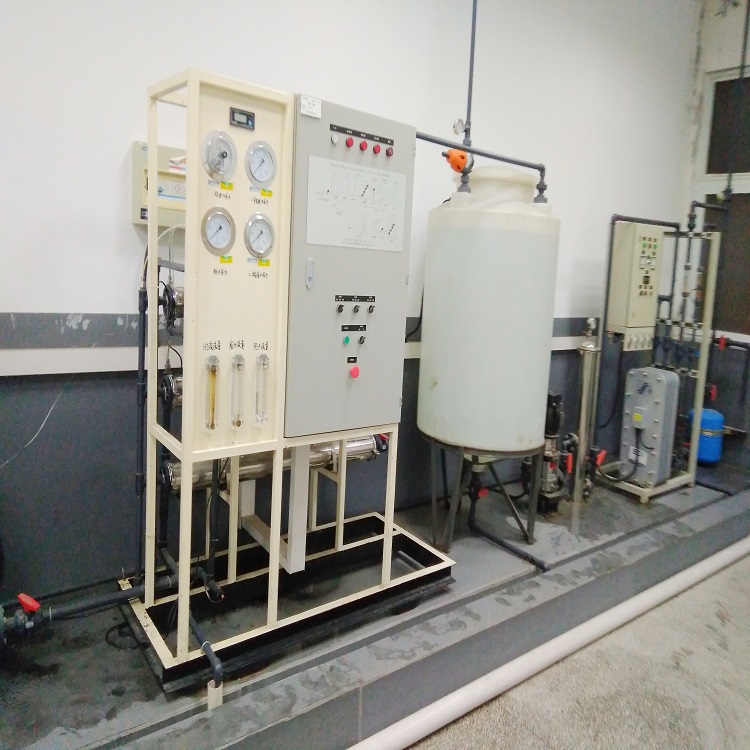
Shenzhen Industrial Ultra-Pure Water Equipment, equipped with EDI system, features low energy consumption and high degree of automation.
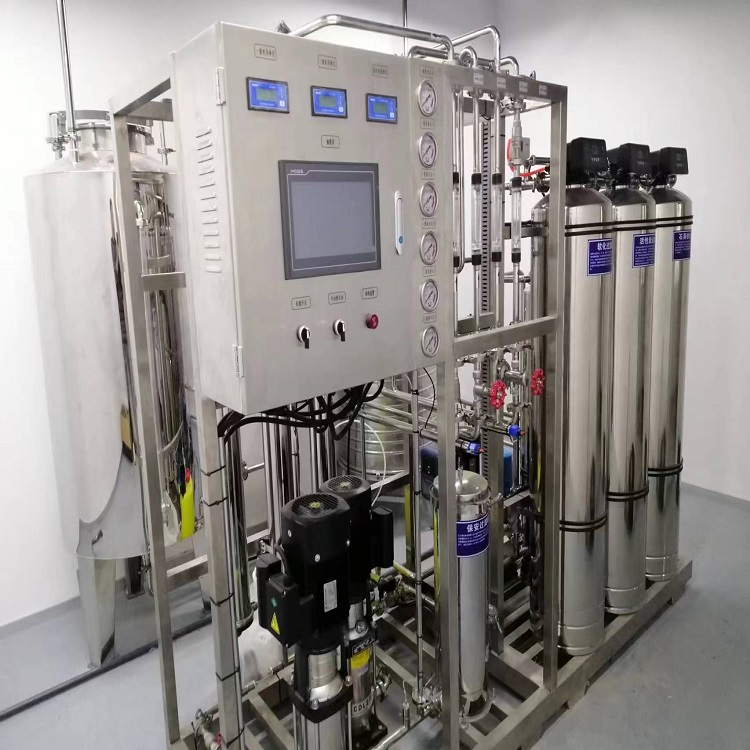
Shanghai industrial pure water production equipment reverse osmosis filtration system with high yield and customizable options, Quankun brand.
详情描述
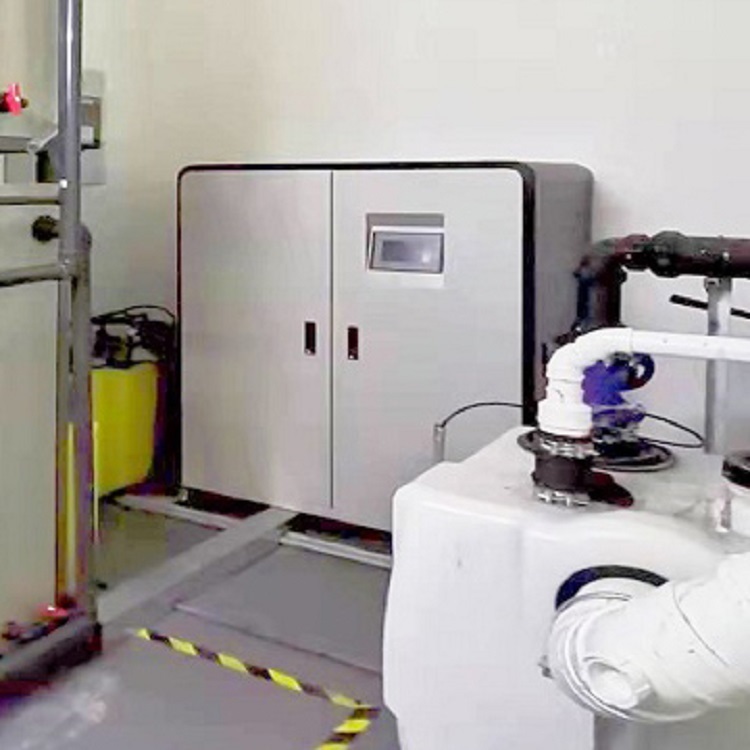
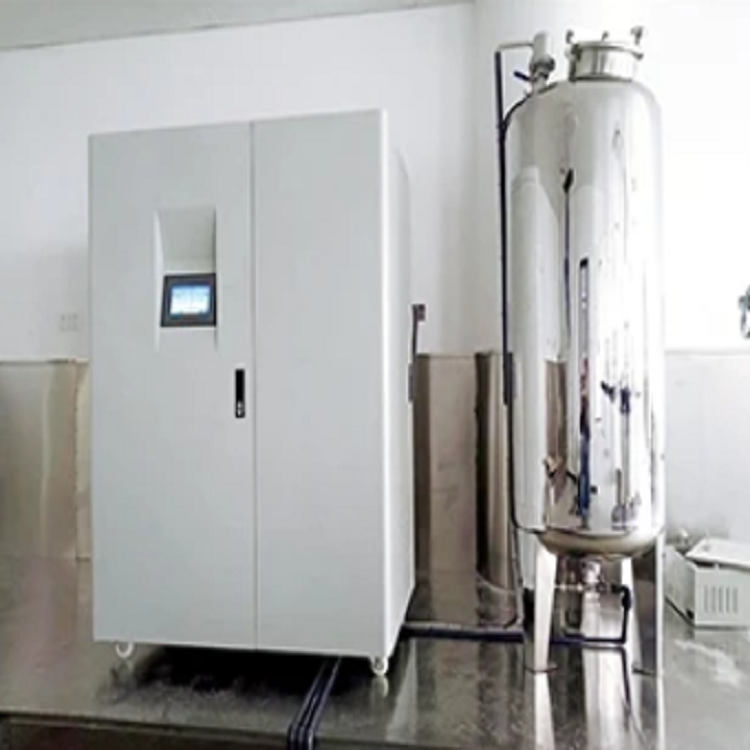
Shanghai Low-Temperature Evaporation Wastewater Treatment Equipment - Domestic Sewage Treatment Plant Equipment - Quankun Customized
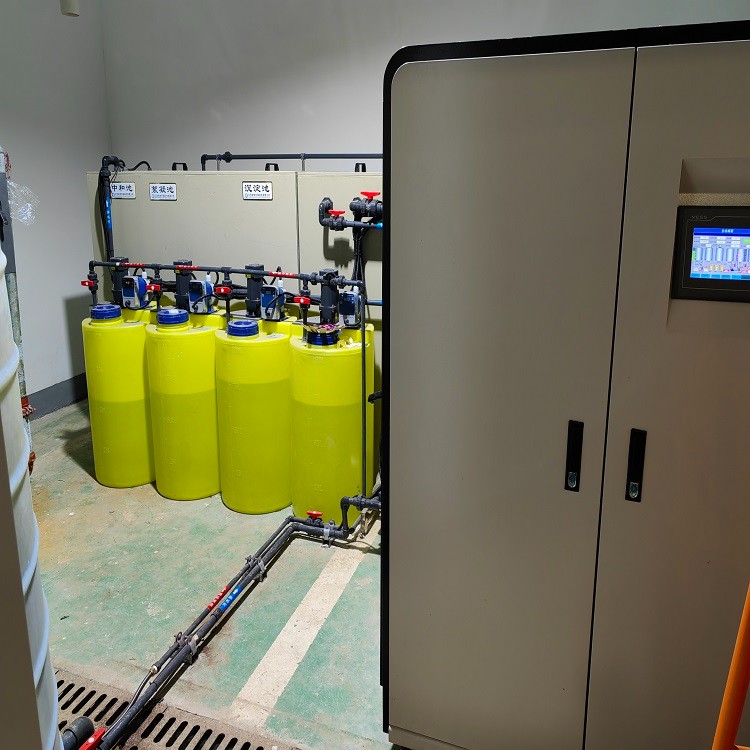
The laboratory employs an integrated wastewater treatment system that encompasses sedimentation, filtration, acid-base neutralization, and biological treatment. Since its operation, the equipment has effectively removed suspended solids, organic matter, heavy metals, and other harmful substances from the wastewater, achieving the local environmental protection department's discharge standards. Additionally, through regular inspections and maintenance, the stable operation and long-term reliability of the equipment have been ensured. This case demonstrates that the rational allocation and use of high and medium school laboratory wastewater treatment equipment is of great significance for protecting the environment and safeguarding human health.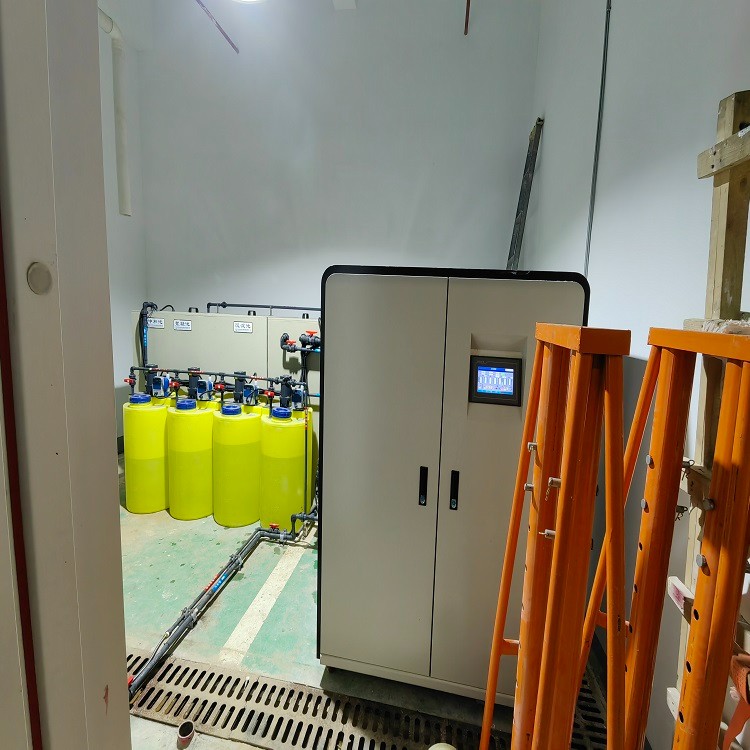 The configuration and operation of laboratory wastewater treatment equipment is a crucial part of laboratory environmental protection efforts. By understanding the working principle, types, selection criteria, as well as daily management and maintenance methods of wastewater treatment equipment, we can better choose and utilize appropriate treatment devices to ensure the safe discharge of laboratory wastewater.
Working Principle:
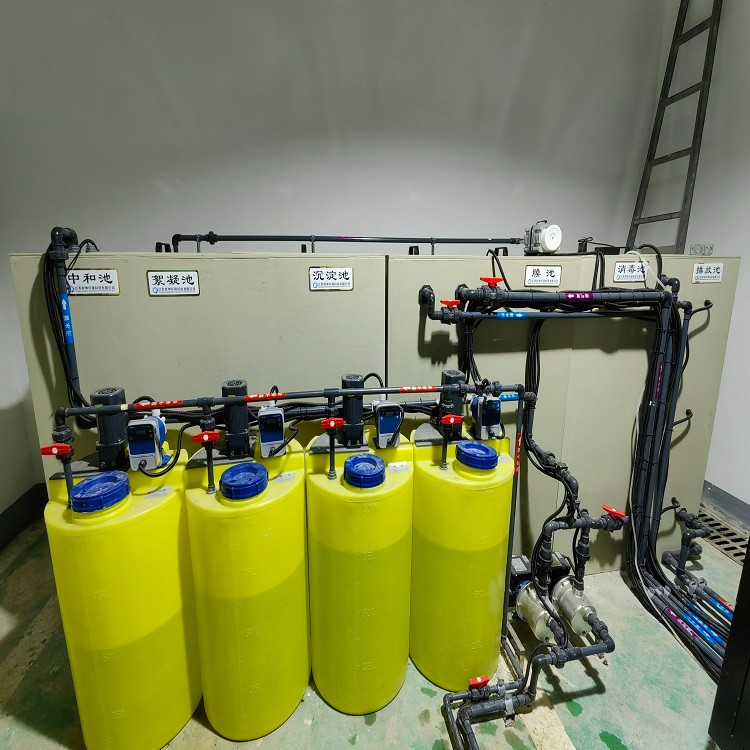
Wastewater Collection System: Equipped with dedicated wastewater collection containers, capable of collecting various types of acidic and alkaline wastewater.
2. Wastewater Pretreatment System: This system is capable of removing large particles and certain harmful microorganisms from wastewater.
3. Neutralization Reaction System: Equipped with a neutralization reactor inside the equipment, which can neutralize acidic and alkaline substances to convert them into neutral substances.
4. Filtration System: Further removes fine particles and various harmful substances from wastewater through filters.
5. Emission System: Treated wastewater is discharged into the public drainage system after meeting the emission standards through the emission system.
When selecting laboratory wastewater treatment equipment, consider the following factors:
Understand the composition, concentration, pH level, and temperature of wastewater to select the appropriate treatment process and equipment.
2. Determine the scale of the treatment equipment based on the laboratory wastewater generation. An oversized scale increases investment costs, while an undersized scale may not meet the treatment requirements.
3. Familiarize yourself with the local environmental department's specific requirements for wastewater discharge, ensuring the selected equipment meets the emission standards.
4. Consider factors such as equipment energy consumption, reagent usage, and maintenance costs when selecting an economically reasonable treatment solution.
5. Prioritize equipment that is technically mature, stable in operation, and easy to maintain to minimize operational risks.
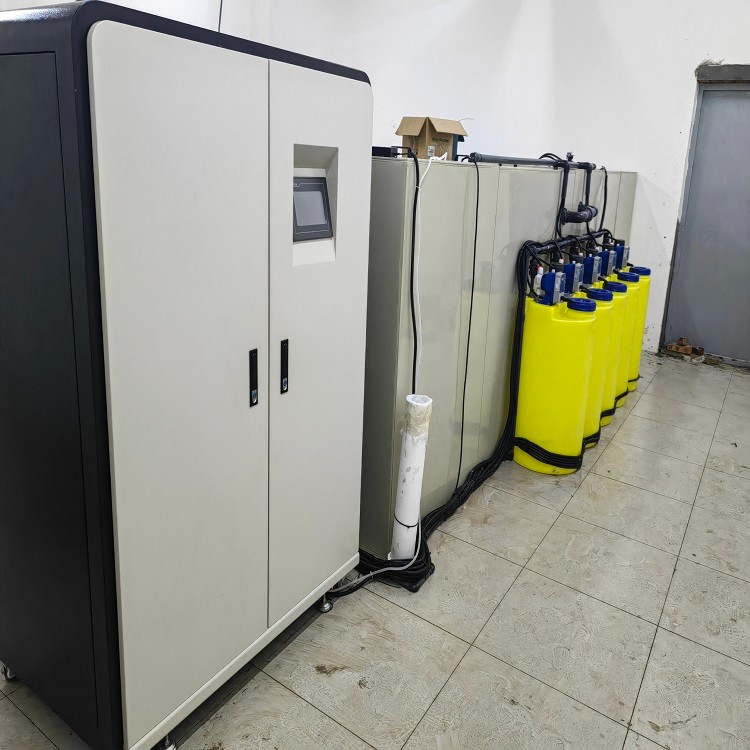
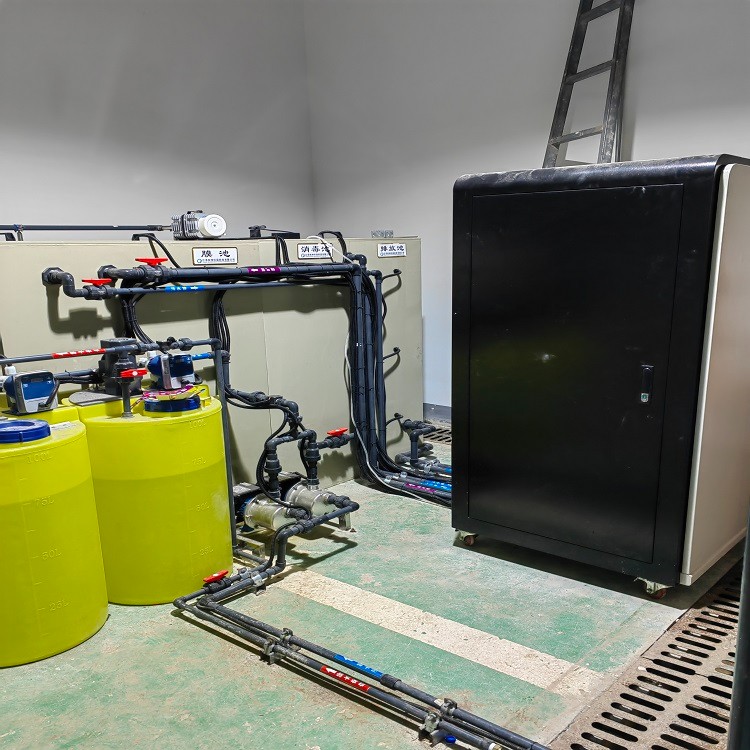
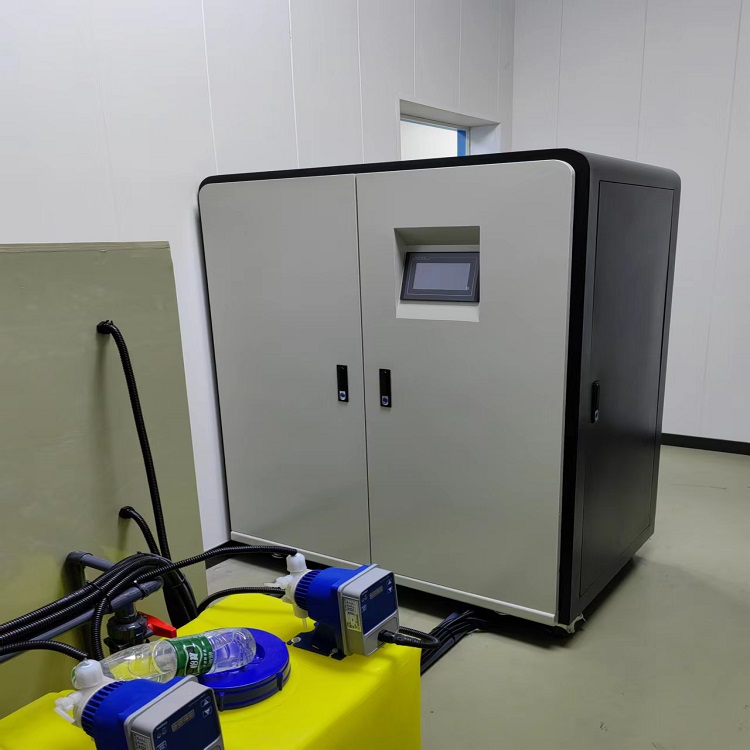
Shanghai Low-Temperature Evaporation Wastewater Treatment Equipment - Residential Sewage Treatment Equipment - Quankun Customized
Types of laboratory wastewater treatment equipment:
Primarily used for removing suspended solids from wastewater. The wastewater is held in a sedimentation tank for a period, during which heavier particles settle to the bottom under gravity, forming sludge, while the supernatant flows out to the next treatment stage.
2. Includes sand filters, activated carbon filters, etc., used for removing fine particles, colloids, and some dissolved organic matter from wastewater. The filtering medium retains pollutants on its surface or inside through adsorption and interception.
3. Adjusts the pH level of waste water to meet discharge standards. Neutralizes acidic or alkaline substances in the waste water by adding acid or alkali, resulting in harmless salts.
4. Utilize oxidizers or reductants to convert harmful substances in wastewater into non-hazardous or low-toxic materials. Common oxidizers include ozone and hydrogen peroxide, while reductants include sodium sulfite and ferrous sulfate.
5. Utilizing the metabolic actions of microorganisms to decompose organic matter in wastewater into carbon dioxide, water, and biomass. Bioreactors are categorized into aerobic and anaerobic bioreactors, with the former requiring oxygenation and the latter operating in an oxygen-free environment.


