



- AllProduct Category
-
Lab Wastewater Treatment Equipment
Lab Wastewater Treatment Equipment
Ultra-Pure Water Equipment
Membrane Separation Equipment
Pure Water Equipment
Low-Temperature Evaporator
Ultra-Pure Water System
Integrated Wastewater Treatment Equipment
Reverse Osmosis Equipment
Pure Water Equipment
Ceramic Membrane Equipment



Recommended Products
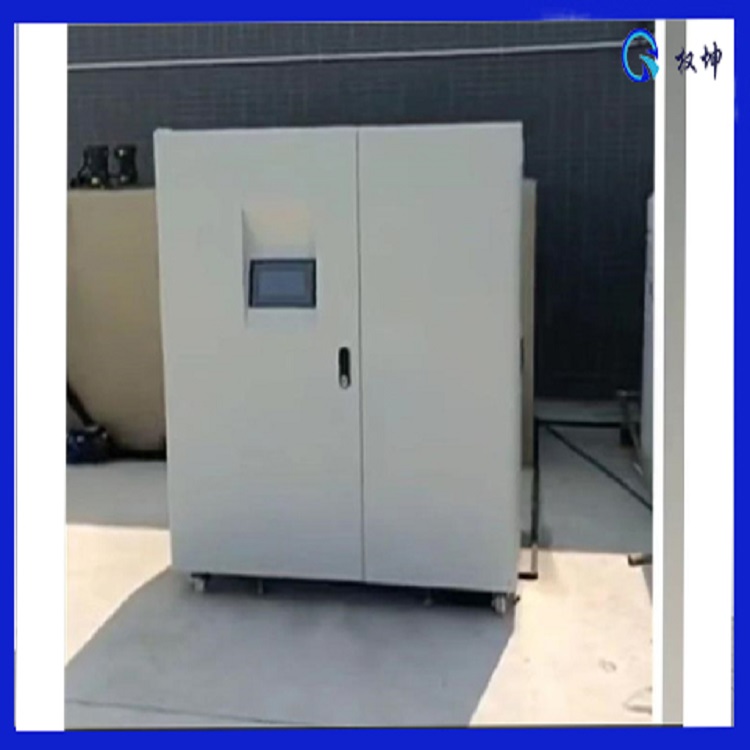
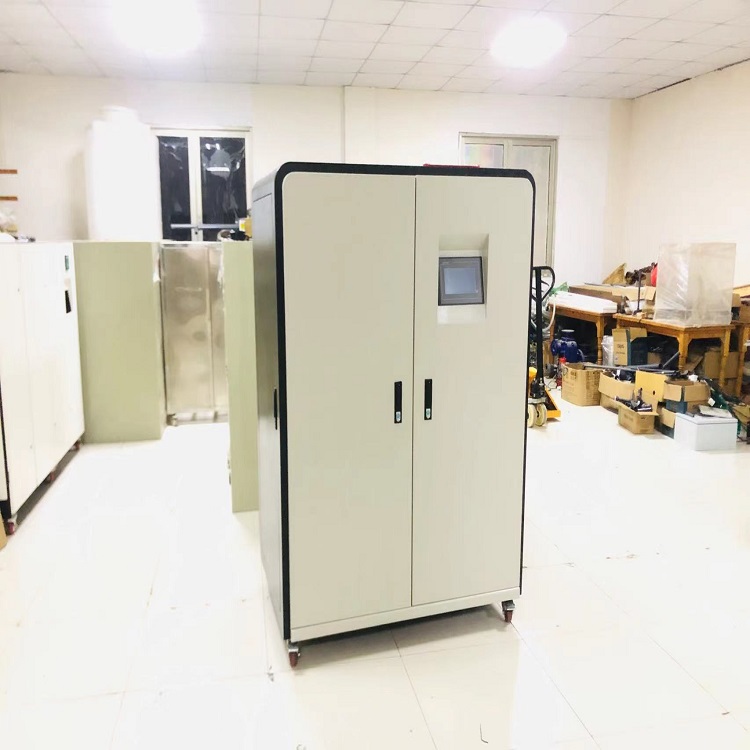
Quan Kun - Comprehensive Laboratory Waste Water Treatment Equipment - Remote Monitoring - Automated Control
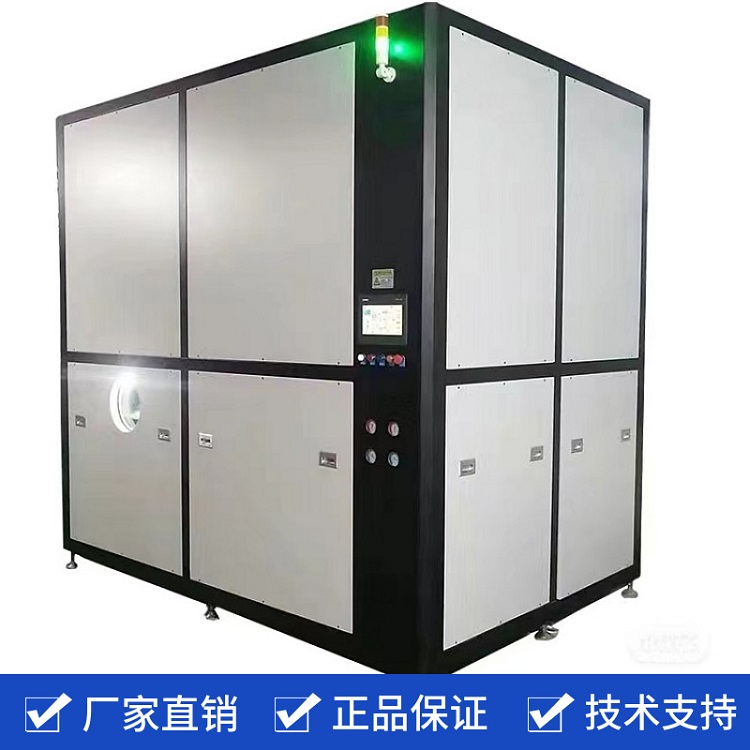
Sodium Chloride Wastewater Low-Temperature Evaporator - Intelligent Automatic - Quankun - Integrated Design
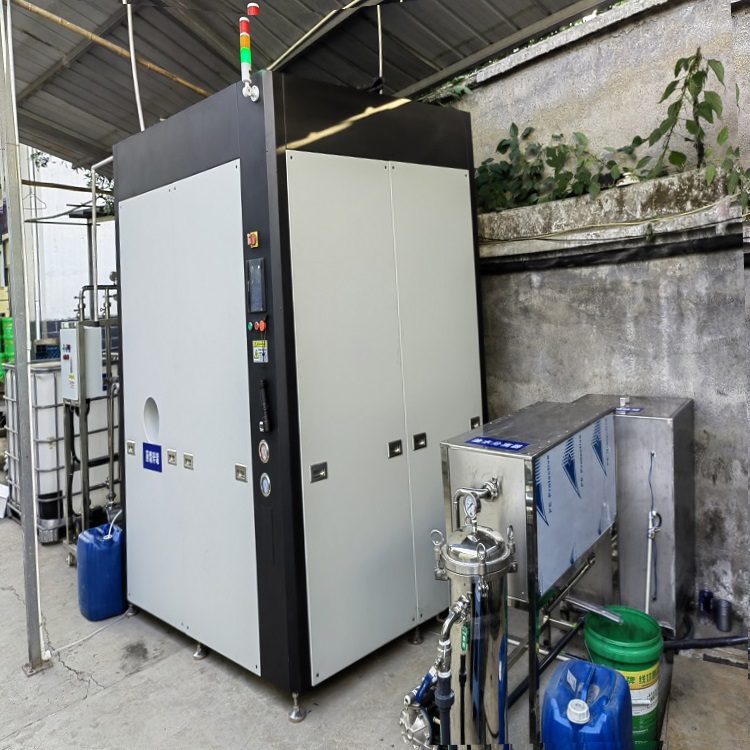
High-Concentration Oil Emulsion Waste Water Treatment Equipment - Quankun - Evaporator Unit - High Concentration Ratio
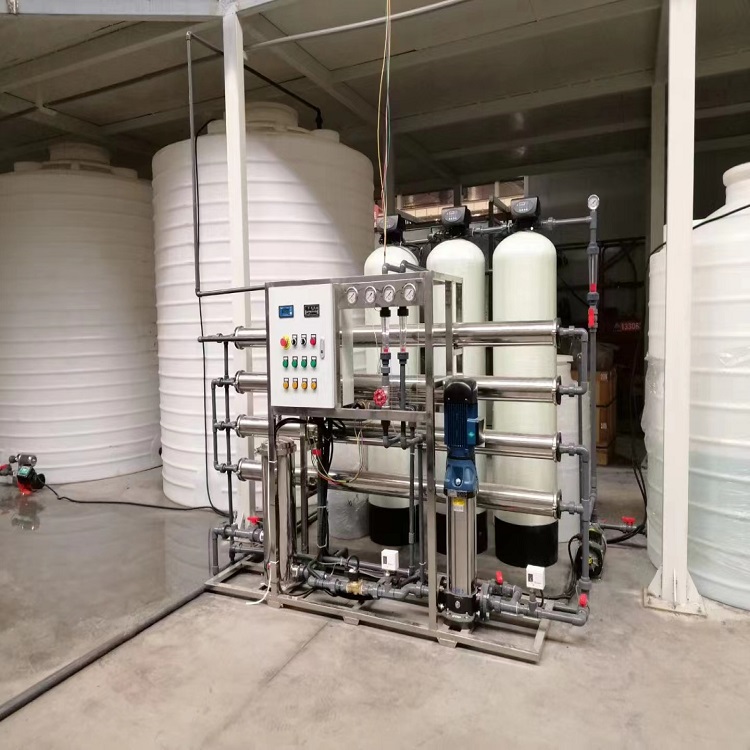
Industrial Pure Water Equipment EDI Ultra-Pure Water System Fully Automatic Control Quankun Environmental Protection
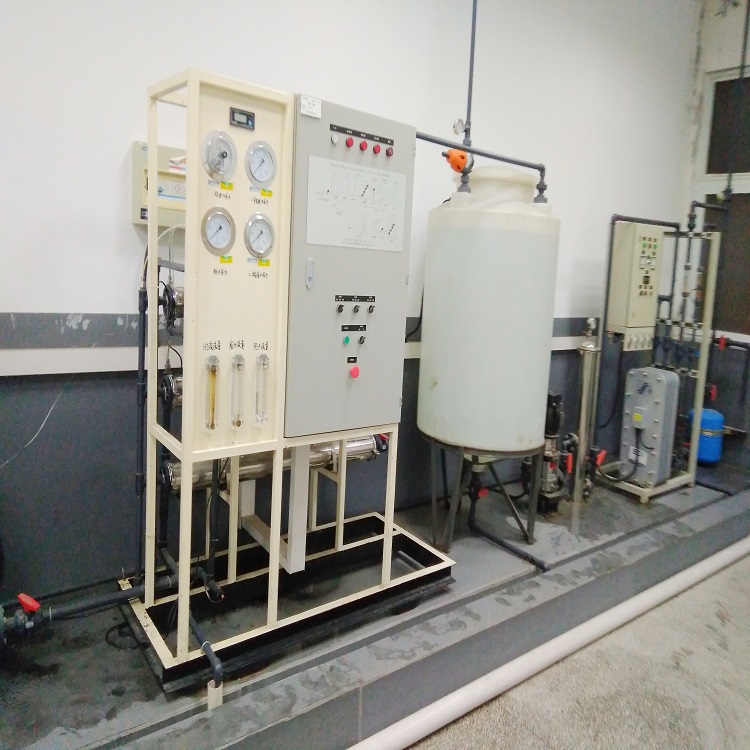
Shenzhen Industrial Ultra-Pure Water Equipment, equipped with EDI system, features low energy consumption and high degree of automation.
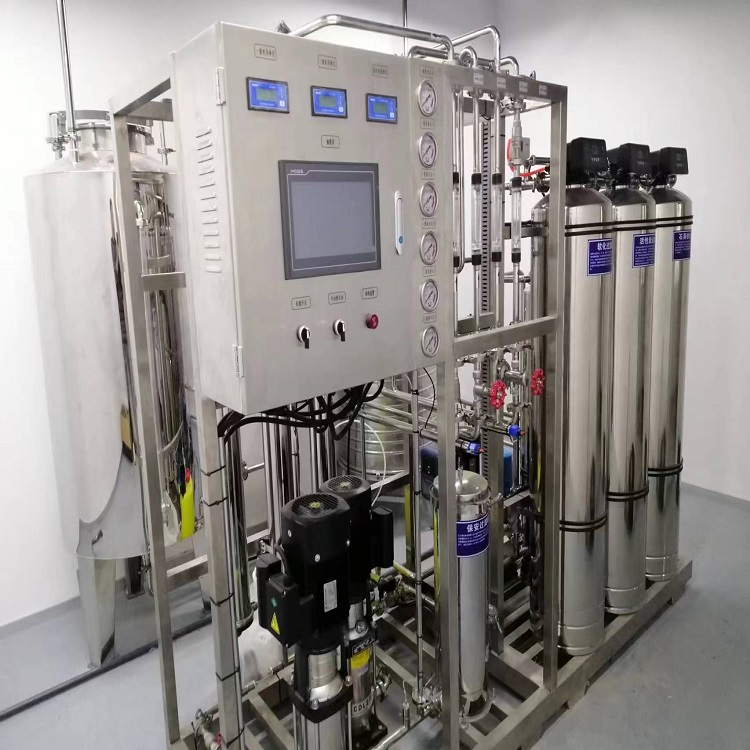
Shanghai industrial pure water production equipment reverse osmosis filtration system with high yield and customizable options, Quankun brand.
详情描述
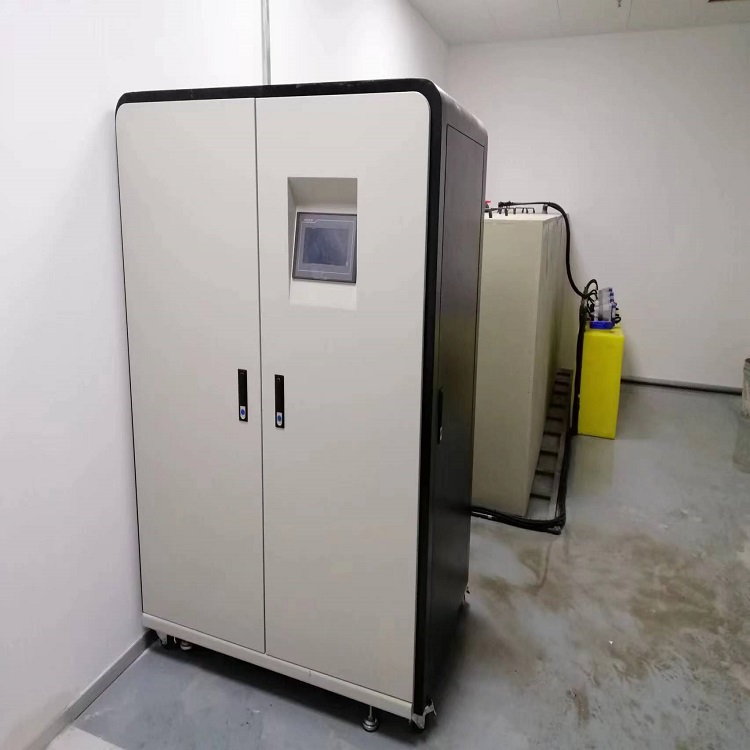
High School Lab Wastewater Treatment Equipment - Quankun On-Site Installation - Emulsion Wastewater Treatment Equipment
The primary function of the laboratory wastewater treatment equipment is to efficiently and safely process wastewater generated in laboratories. It utilizes advanced techniques such as physical separation, chemical neutralization, and biological degradation to remove or reduce the concentration of harmful substances in the wastewater, ensuring it meets national emission standards. Additionally, the equipment features automated control and intelligent monitoring capabilities, enabling real-time monitoring of the wastewater treatment process and outcomes, ensuring consistent and reliable treatment effectiveness.
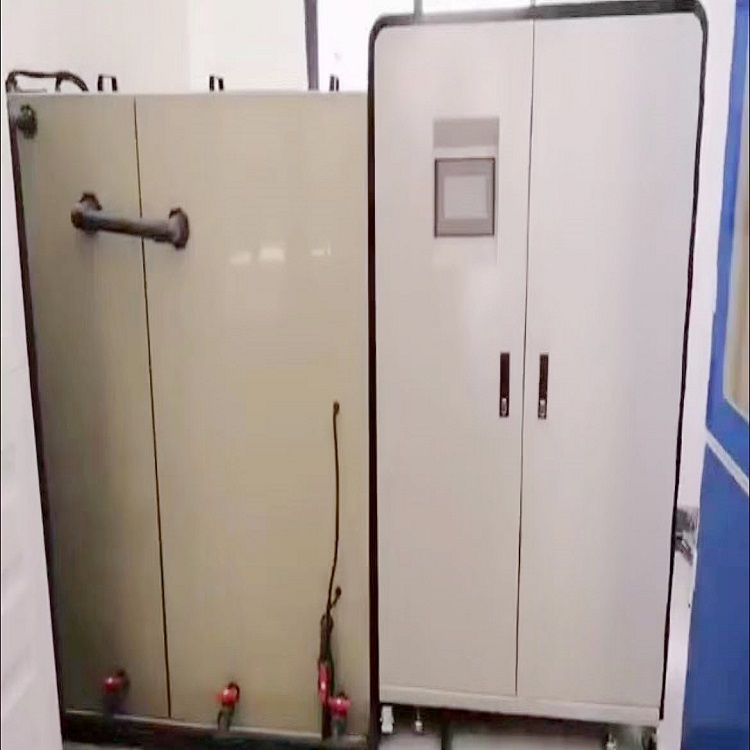
Laboratory wastewater is discharged into a collection pond. Once the pond's water level reaches the set level, the system automatically activates to begin treatment. Water is pumped into a coagulation sedimentation pond, where pH adjustment is performed. Next, heavy metal scavengers and flocculants are added to remove heavy metals, colloidal pollutants, and other suspended solids. The supernatant then overflows into an ozonation oxidation pond for ozone oxidation, which degrades organic pollutants, removes color and odor. It then enters a catalytic micro-electrolysis unit to further degrade COD. Afterward, it's pumped into a shallow medium tank to remove suspended solids, and then processed through a multi-functional treatment system to remove odors, colors, residual organics, heavy metals, inorganic salts, etc. It's then passed through a membrane filtration unit to remove dissolved organics and residual pollutants, and finally, it's disinfected with ultraviolet light to eliminate microorganisms, ensuring the effluent quality meets discharge standards. Sludge in the coagulation sedimentation pond is periodically pumped out using a sludge pump, filtered through bags, treated for non-hazardous disposal, and then released.
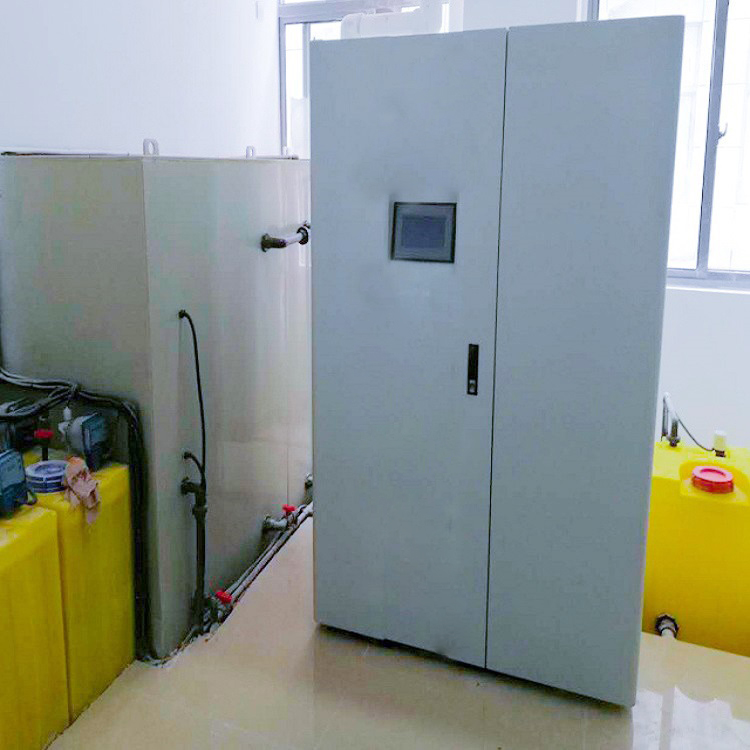
Operating Principle:
Wastewater Collection System: The equipment is equipped with dedicated wastewater collection containers capable of collecting various types of acidic and alkaline wastewater.
2. Wastewater Pretreatment System: This system is capable of removing large particles and certain harmful microorganisms from wastewater.
3. Neutralization Reaction System: Equipped with a neutralization reactor inside, the system can neutralize acidic and alkaline substances, converting them into neutral matter.
4. Filtration System: Our filters effectively remove fine particles and various harmful substances from wastewater.
5. Emission System: Treated wastewater is discharged into the public drainage system after meeting the emission standards through the emission system.
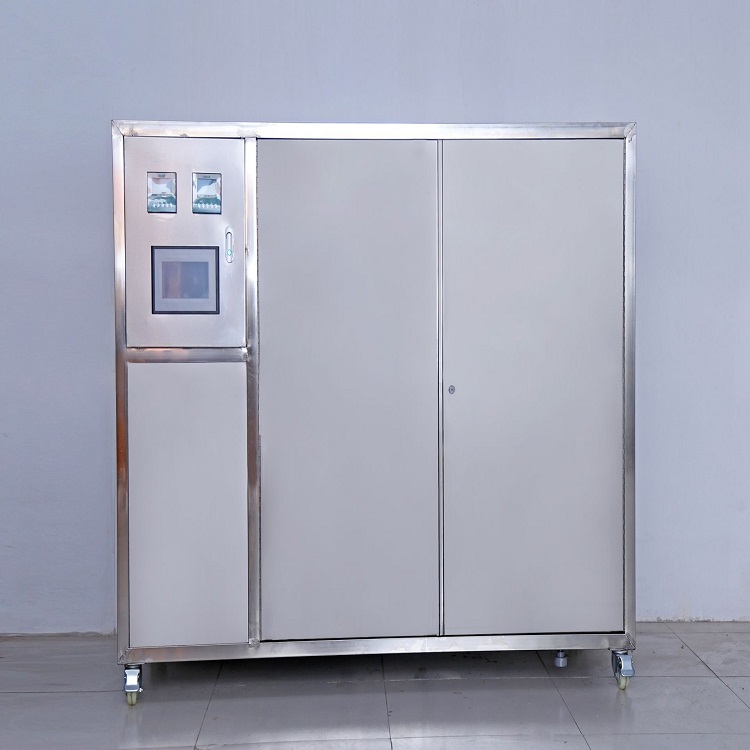
Laboratory wastewater treatment unit features:
The laboratory wastewater treatment system features an integrated, modular design with a compact structure and minimal footprint; all system components are connected with quick-release fittings for easy maintenance and repair.
Pre-filter for easy cleaning and replacement.
The equipment controls the operation and shutdown of the dosing pump through an online PH meter, featuring a hysteresis volume setting function.
The laboratory wastewater treatment is equipped with a micro-electrolysis unit, utilizing high-efficiency composite polymer nano-materials. After chelation reaction, the performance is enhanced by microcurrent, effectively interacting to remove volatile phenols and other organic pollutants.
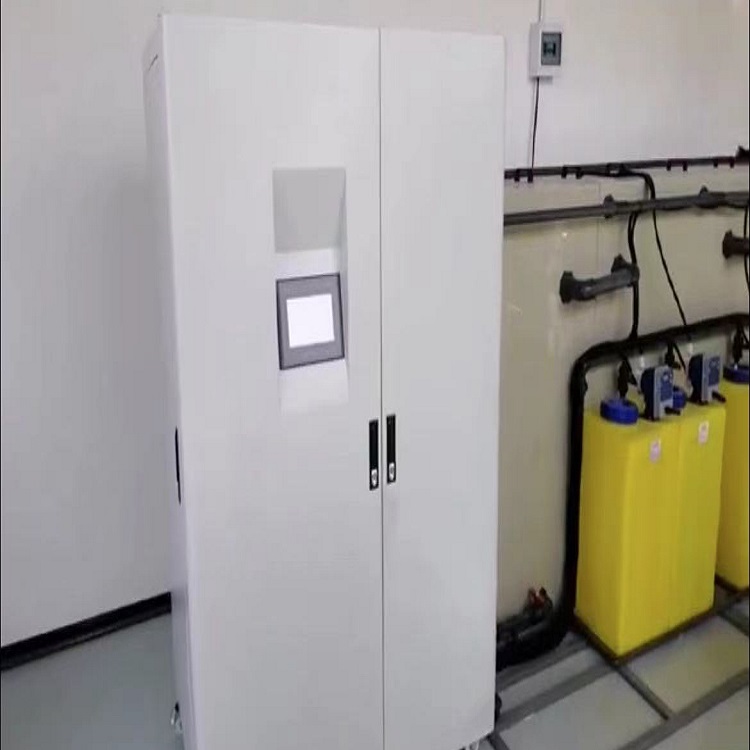
Feature Highlights:
1. Widely applicable, suitable for wastewater treatment in various laboratories.
2. Utilize advanced multi-stage treatment technology to purify wastewater, meeting discharge standards.
3. Centralized control, high level of automation, easy operation, fully automatic operation, no need for dedicated staff.
4. Automatic leak and electric shock protection, high/low voltage automatic protection, no wastewater protection, and liquid storage tank level protection.
5. Dynamic operation with a digital LCD display for water quality indicators.
6. "One-stop" integrated design, featuring attractive appearance, small footprint, rapid processing speed, low operation cost, easy installation and relocation, high processing capacity, excellent processing results, low energy consumption, acid and alkali resistance, low noise, multiple safety protections, no leakage, and environmental friendliness, truly achieving engineering equipmentization. No need for multiple treatment ponds, no generation of secondary pollutants such as waste sludge, waste gas, and waste water.
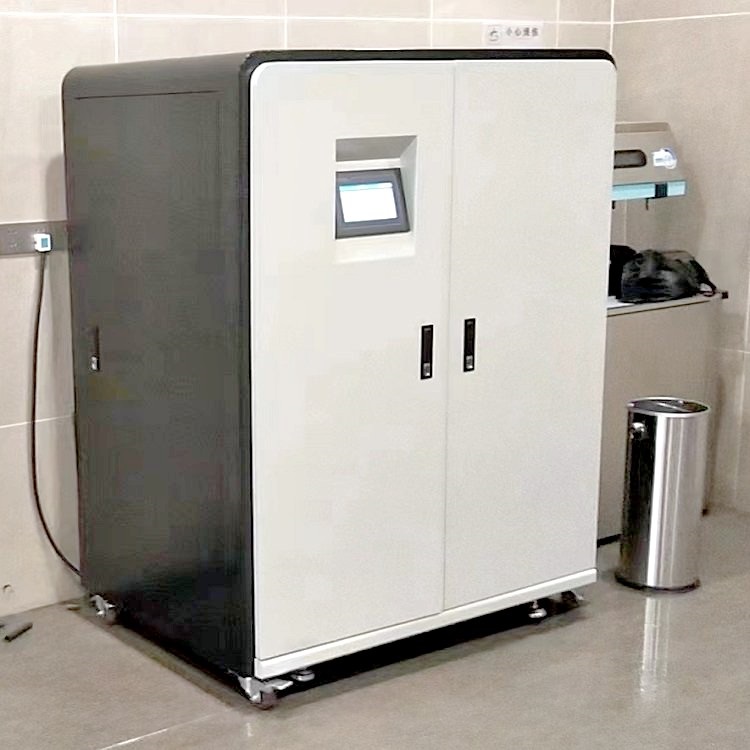
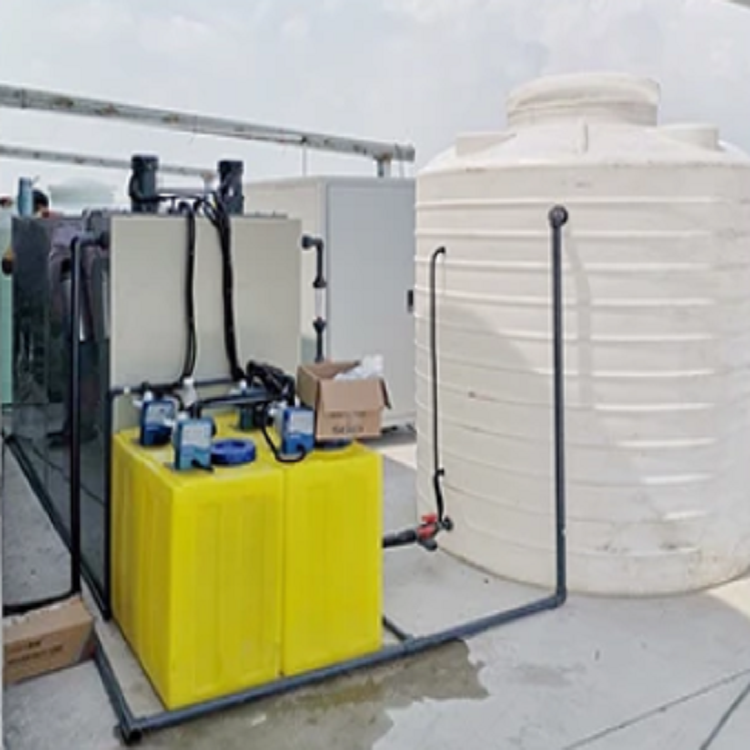 Middle School Lab Wastewater Treatment Equipment - Quankun On-Site Installation - Emulsion Wastewater Treatment Equipment
In terms of working principle, the laboratory comprehensive waste liquid treatment unit primarily employs coagulation, sedimentation, oxidation, and high-efficiency sterilization to remove and eliminate bacteria, heavy metals, COD, viruses, and other contaminants from wastewater. Within a certain pH range, the unit can sterilize all microorganisms, including bacterial spores, fungal spores, mycobacteria, and hepatitis viruses, among various infectious agents. The wastewater treatment process is automated, requiring no constant supervision by personnel throughout the entire process.


