



- AllProduct Category
-
Lab Wastewater Treatment Equipment
Lab Wastewater Treatment Equipment
Ultra-Pure Water Equipment
Membrane Separation Equipment
Pure Water Equipment
Low-Temperature Evaporator
Ultra-Pure Water System
Integrated Wastewater Treatment Equipment
Reverse Osmosis Equipment
Pure Water Equipment
Ceramic Membrane Equipment



Recommended Products
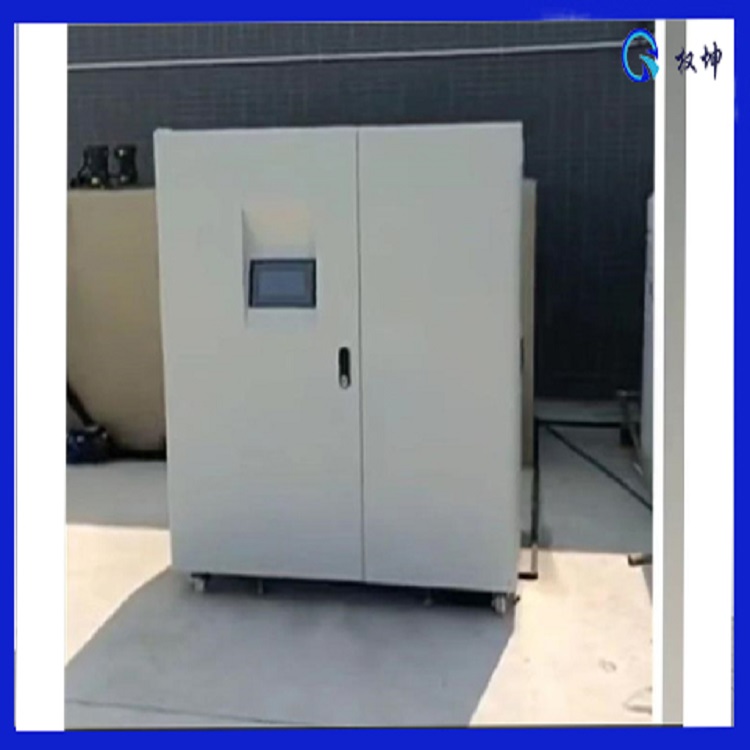
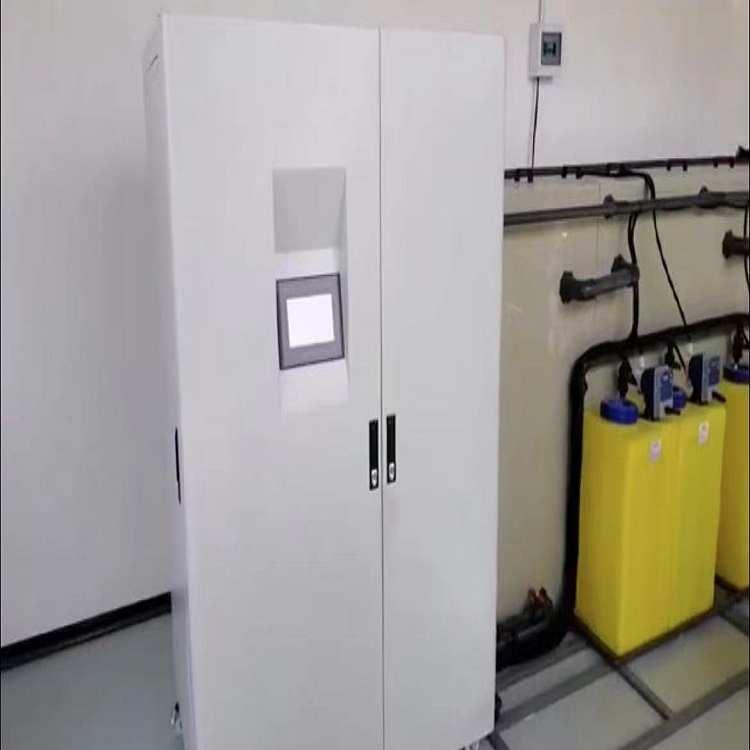
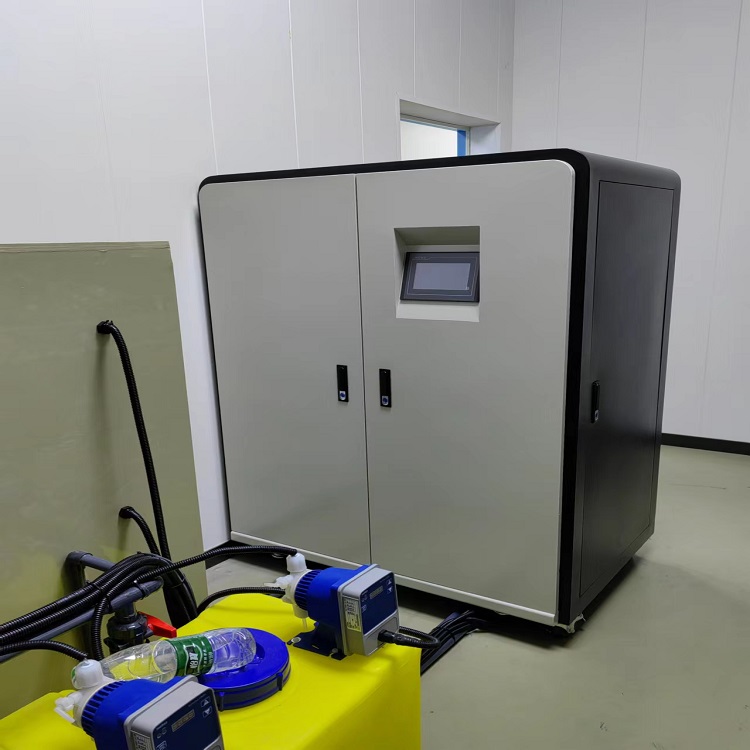
Quan Kun - Comprehensive Laboratory Waste Water Treatment Equipment - Remote Monitoring - Automated Control
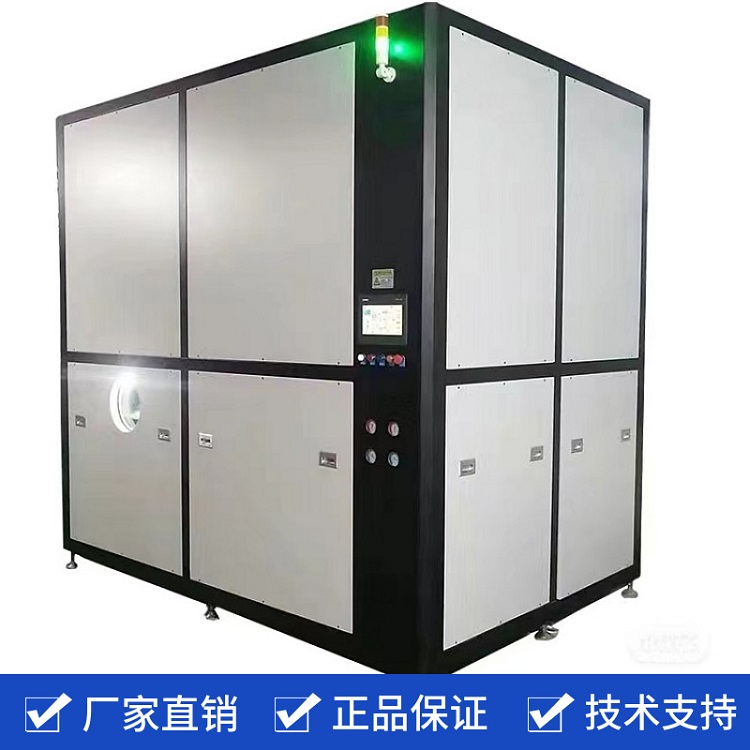
Sodium Chloride Wastewater Low-Temperature Evaporator - Intelligent Automatic - Quankun - Integrated Design
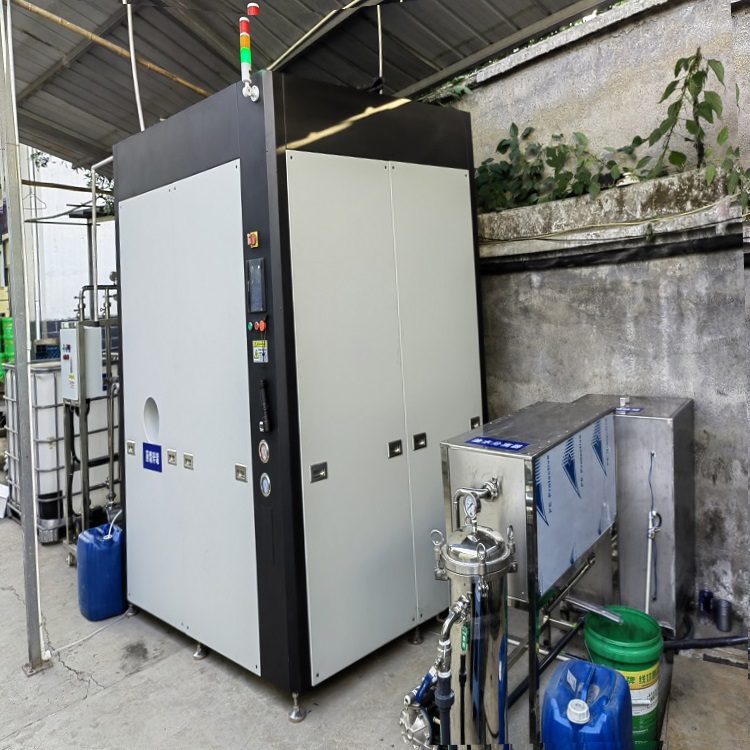
High-Concentration Oil Emulsion Waste Water Treatment Equipment - Quankun - Evaporator Unit - High Concentration Ratio
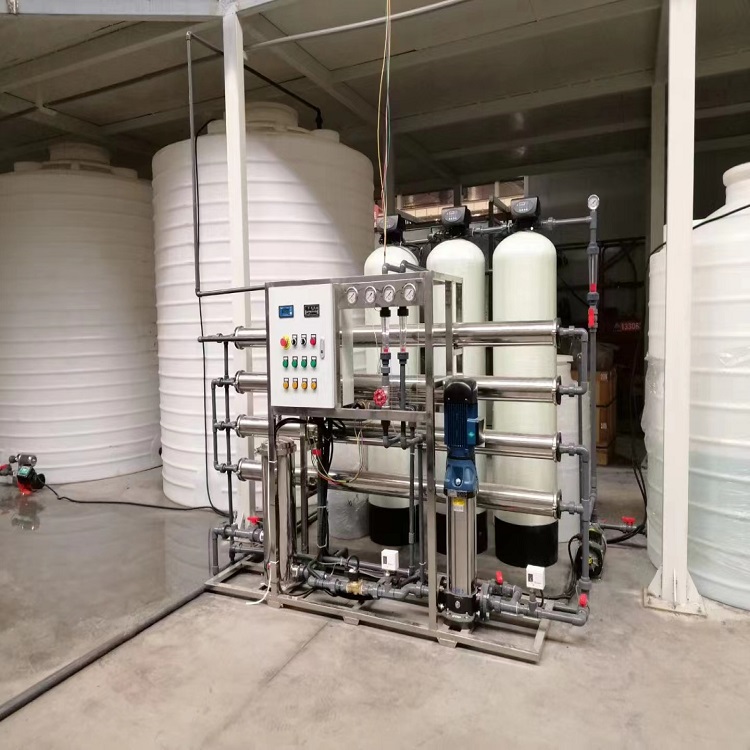
Industrial Pure Water Equipment EDI Ultra-Pure Water System Fully Automatic Control Quankun Environmental Protection
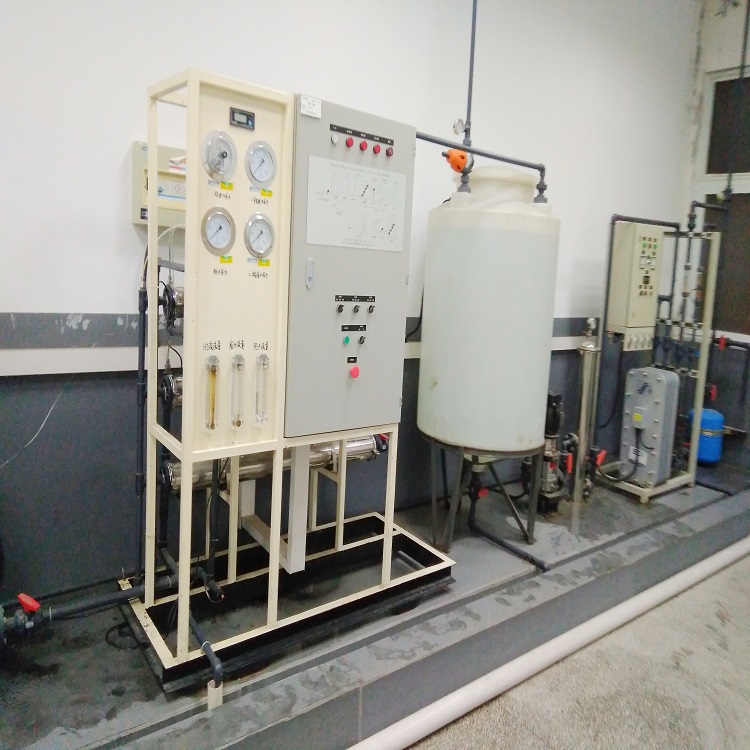
Shenzhen Industrial Ultra-Pure Water Equipment, equipped with EDI system, features low energy consumption and high degree of automation.
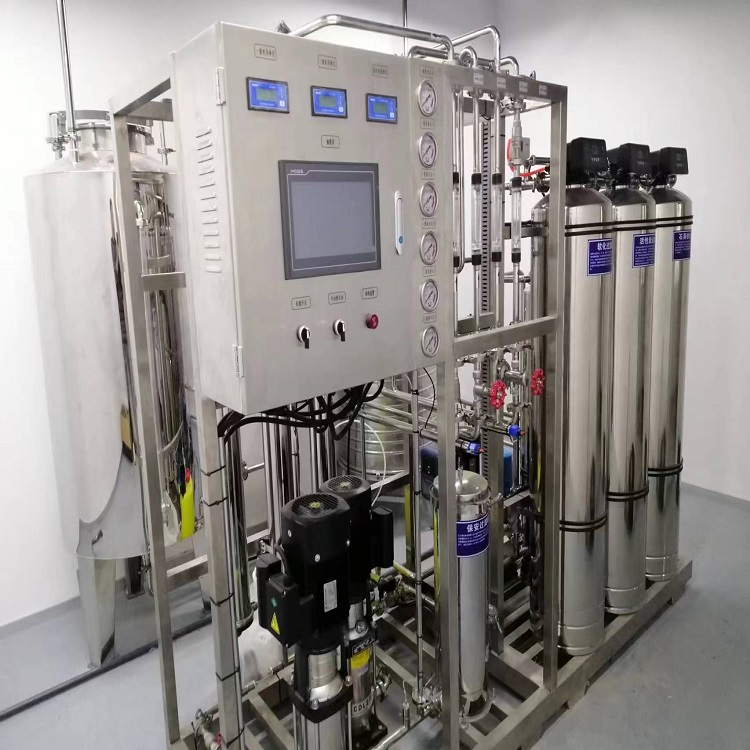
Shanghai industrial pure water production equipment reverse osmosis filtration system with high yield and customizable options, Quankun brand.
详情描述
Shenzhen Organic Waste Liquid Treatment Equipment - Rational Process - Comprehensive Laboratory Wastewater Treatment Equipment
Laboratory wastewater treatment equipment utilizes unique processes such as waste collection, automatic adjustment, coagulation-flocculation-aeration mixing, flocculation-assisted sedimentation reaction, sedimentation separation, multi-stage oxidation treatment, multi-level decomposition degradation treatment, high-low potential difference micro-electrolysis technology, electrochemical oxidation-reduction technology, two-stage organic biological activity treatment technology, novel biochemical reaction treatment technology, novel organic wastewater packed bed photo-catalytic reaction technology, and updated selective mass transfer and hyphal surface molecular imprinting technology to comprehensively treat organic, inorganic, and biological wastewater generated in laboratories. School laboratory wastewater treatment equipment effectively removes COD, BOD, SS, color, and heavy metal ions from wastewater. Different treatment technologies and control systems are employed based on the composition of various experimental wastewater.
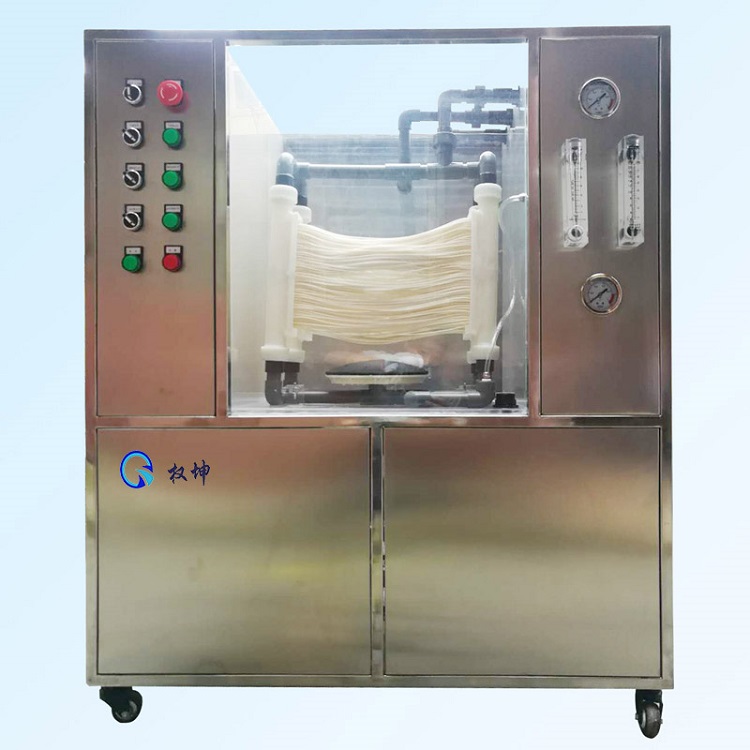
Wastewater generated from the experiment is first collected by the collection system, then it enters the regulating pond and the laboratory wastewater treatment equipment to adjust water volume and homogenize water quality. Once the water level in the regulating pond reaches a certain height, it is pumped quantitatively to the post-treatment unit. In the integrated wastewater treatment equipment, it first enters the acid-base neutralization regulating system for neutralization. In the laboratory biological wastewater treatment equipment, pH is accurately adjusted using a metering pump to add NaOH or citric acid solutions, maintaining the pH between 8 and 9. Under alkaline conditions, if heavy metal ions such as iron, cadmium, copper, manganese, nickel, lead, and chromium are present in the wastewater, they react with OH- to form hydroxide precipitates. The effluent from the acid-base neutralization pond is then flowed into a sedimentation pond where PAC/PAM flocculating aids are added. How much is the laboratory wastewater treatment equipment? After acid-base neutralization, the precipitates and other suspended solids in the wastewater are flocculated and settled in the sedimentation pond, achieving the separation of sludge from water. After treatment by the acid-base neutralization regulating system, some dissolved substances form precipitates, which, along with the suspended solids in the wastewater, are separated in the sedimentation pond, ensuring the complete separation of sludge and water and meeting the standards for suspended solids.
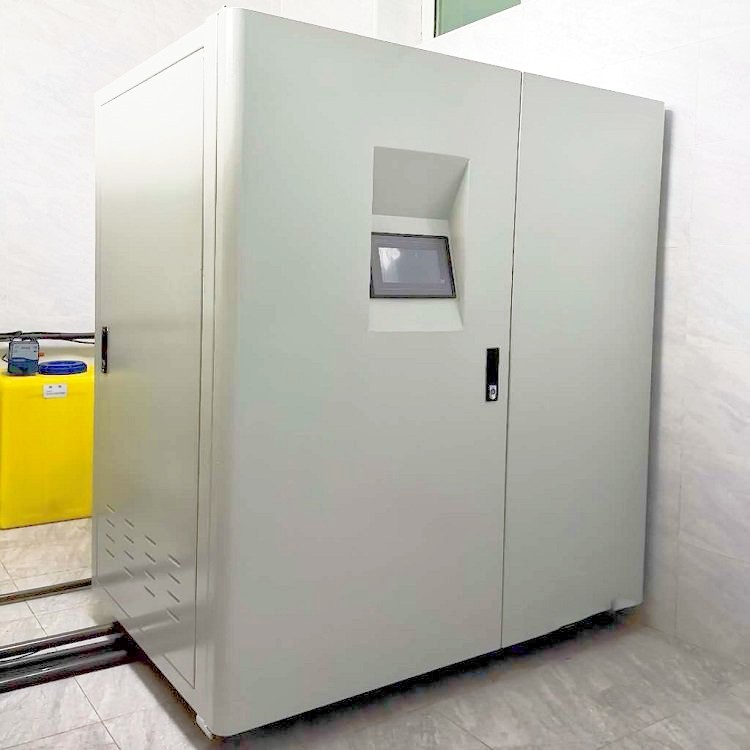
Laboratory wastewater treatment equipment is widely used in universities, colleges, research institutions, medical facilities, biopharmaceuticals, disease control centers, environmental supervision, product quality inspection, inspection and quarantine, drug inspection, blood stations, animal husbandry, hospitals, petrochemical industries, and various laboratories and chemical laboratories. After treatment, the wastewater meets the first, second, and third-level standards of the Comprehensive Wastewater Discharge Standard [GB8978-1996]. The treated wastewater can be discharged into the municipal wastewater pipeline or reused through further treatment processes.
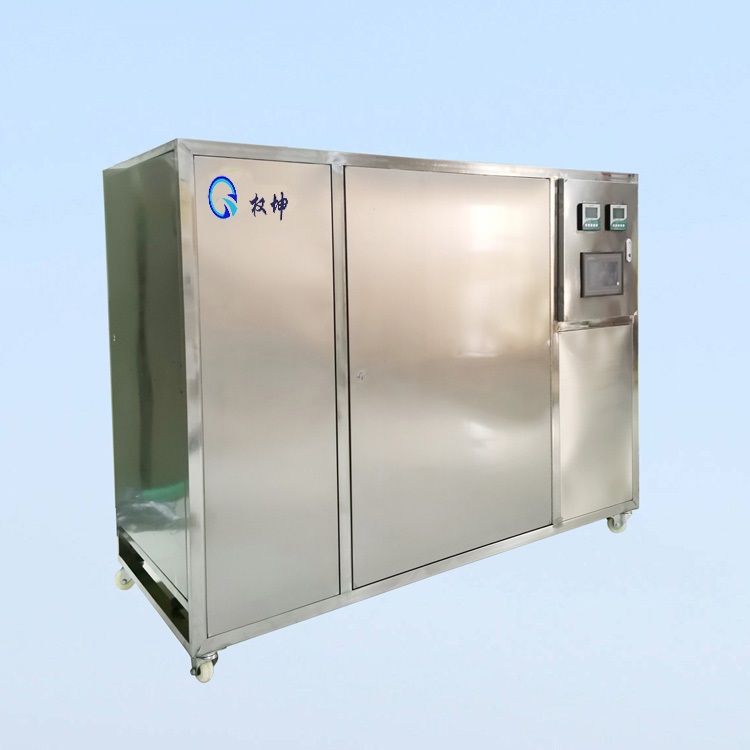
Laboratory wastewater treatment equipment process flow:
Neutralization unit: Add NaOH to the wastewater to adjust the pH to 8.5-9.2, causing certain ions in the wastewater to react with sodium hydroxide and form precipitates, thereby removing heavy metal ions.
Coagulation Sedimentator: Adding a certain amount of CJI water treatment agent causes the wastewater to form a large amount of coagulated flocs, which, after sedimentation, reduces the workload of subsequent processes and improves the removal rates of COD and suspended solids.
Filter Unit: Utilizes a quartz sand-filled layer to intercept and remove un-separated suspended particles and other fine materials; features timed backwashing to ensure stable filtration performance.
Activated Carbon Decolorization Unit: Further deep treatment using the adsorption capacity of activated carbon to remove color and odor from water. Ensures the effluent meets standards.
Ozone Generators (Disinfection): For E. coli, Salmonella, and other pathogens, disinfection can be achieved through the use of ozone machines.
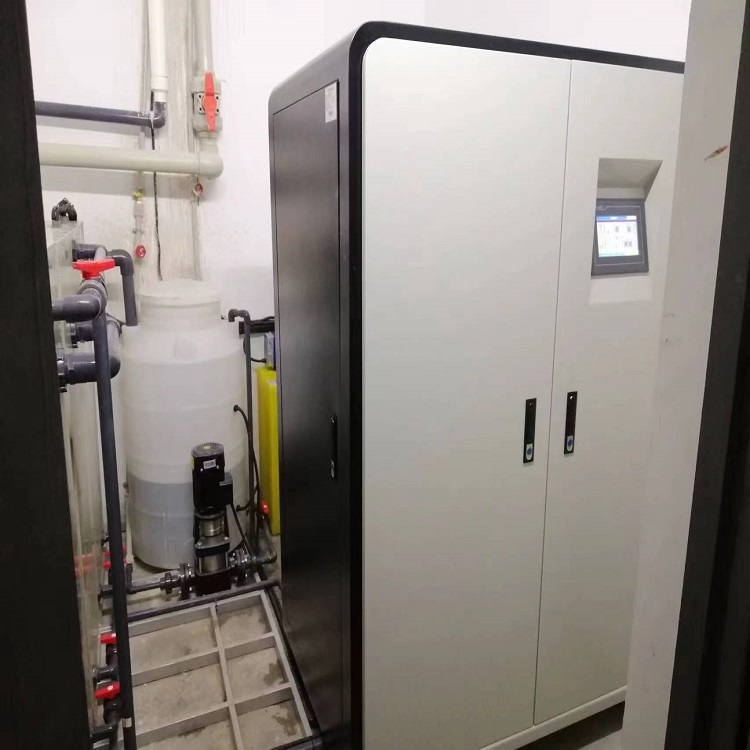
General Principles for Laboratory Wastewater Treatment:
1. When waste has become sufficiently scarce and safe, it can be released into the atmosphere or drainage. Try to concentrate the liquid waste to reduce its volume and store it in a safe, isolated location; use distillation, filtration, and adsorption to separate hazardous materials, discarding only the safe portions; for both liquid and solid waste, anything that can be safely burned should be, but in moderate quantities, ensuring no harmful gases or residues remain after combustion; if incineration is not possible, choose a safe site for burial, ensuring it is not left exposed on the ground.
2. Toxic gases are generally removed by fume hoods or ventilation ducts, after being diluted in the air. Large quantities of toxic gases must be discharged after undergoing complete combustion with oxygen or adsorption treatment.
3. Wastewater should be stored in appropriate containers and locations based on its chemical properties, using sealed containers, and must not be mixed for storage. Label the type, storage duration, and schedule for regular disposal.
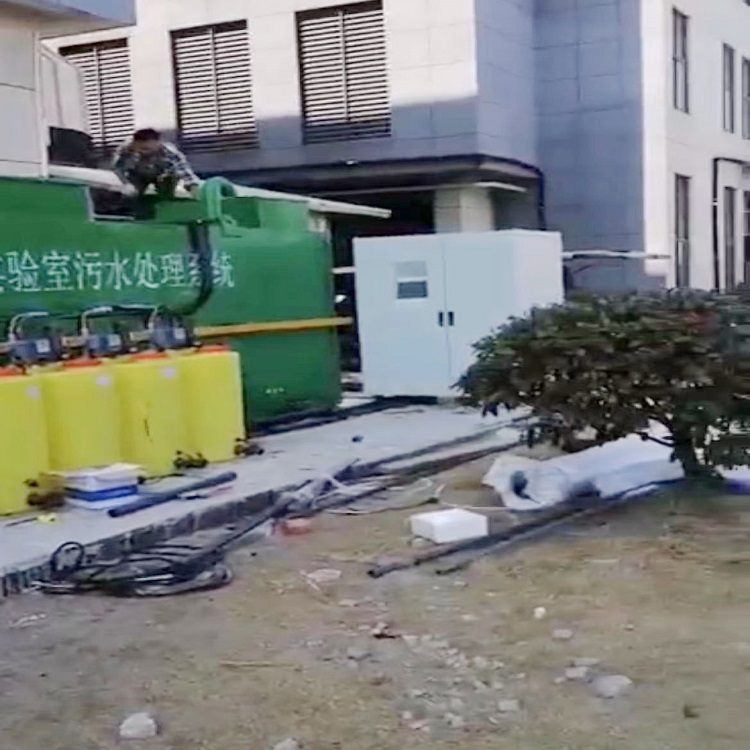
Shenzhen Organic Waste Liquid Treatment Equipment - Rational Process - Comprehensive Laboratory Wastewater Treatment Equipment
Mature technology for laboratory wastewater treatment equipment:
1. After considering various factors, the school laboratory's wastewater treatment equipment adopts a mature technology with low investment, stable operation, low running costs, and good treatment effects.
2. In response to the characteristics of wastewater, the school laboratory's sewage treatment equipment employs specific countermeasures to ensure the removal of harmful components, taking full consideration of anti-corrosion measures for pipes, equipment, and structures.
3. Select equipment for school laboratory wastewater treatment that features stable performance, easy maintenance, reasonable pricing, durability, and high treatment efficiency.
4. Constructed buildings are arranged in a rational and compact manner, with an aesthetically pleasing and generous appearance, aiming to minimize the land use space.
5. The school laboratory wastewater treatment equipment has certain capacity to withstand shock loads in water quality and quantity.
6. The design fully considers noise and odor, preventing the generation of secondary pollution. The school laboratory wastewater treatment equipment does not cause new pollution to the surrounding environment.
7. Achieve automated control to enhance stability, ensuring the wastewater treatment equipment in school laboratories meets the water quality standards.


