



- AllProduct Category
-
Lab Wastewater Treatment Equipment
Lab Wastewater Treatment Equipment
Ultra-Pure Water Equipment
Membrane Separation Equipment
Pure Water Equipment
Low-Temperature Evaporator
Ultra-Pure Water System
Integrated Wastewater Treatment Equipment
Reverse Osmosis Equipment
Pure Water Equipment
Ceramic Membrane Equipment



Recommended Products
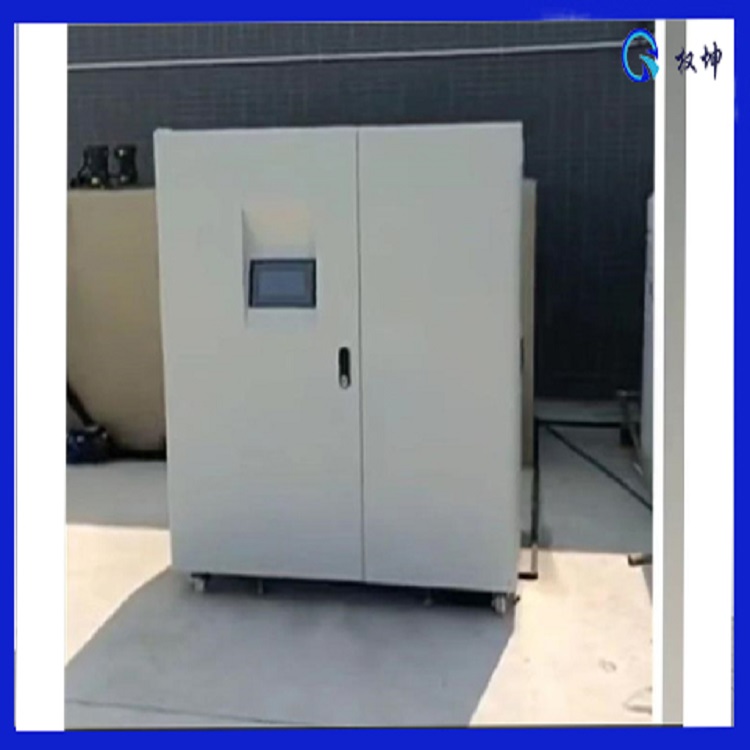
Quan Kun - Comprehensive Laboratory Waste Water Treatment Equipment - Remote Monitoring - Automated Control
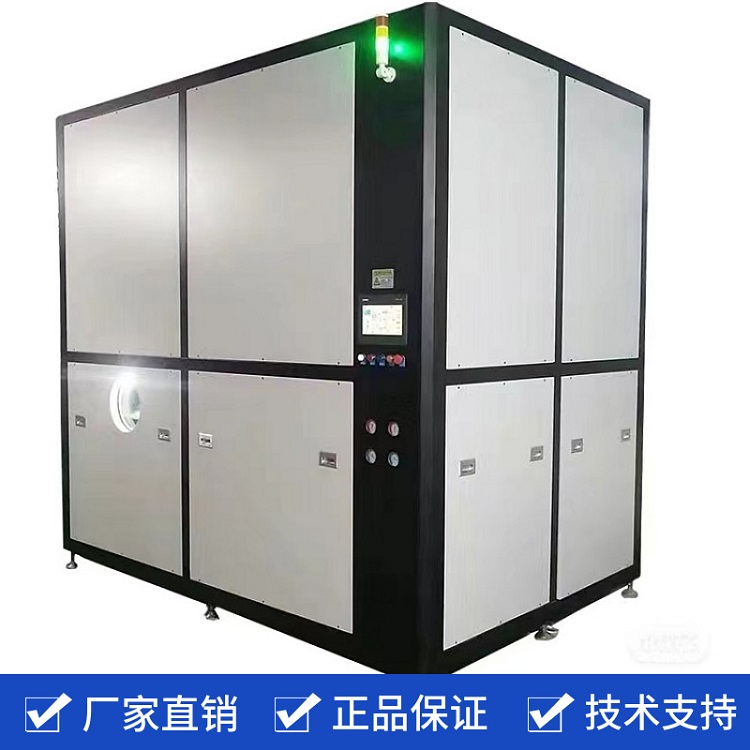
Sodium Chloride Wastewater Low-Temperature Evaporator - Intelligent Automatic - Quankun - Integrated Design
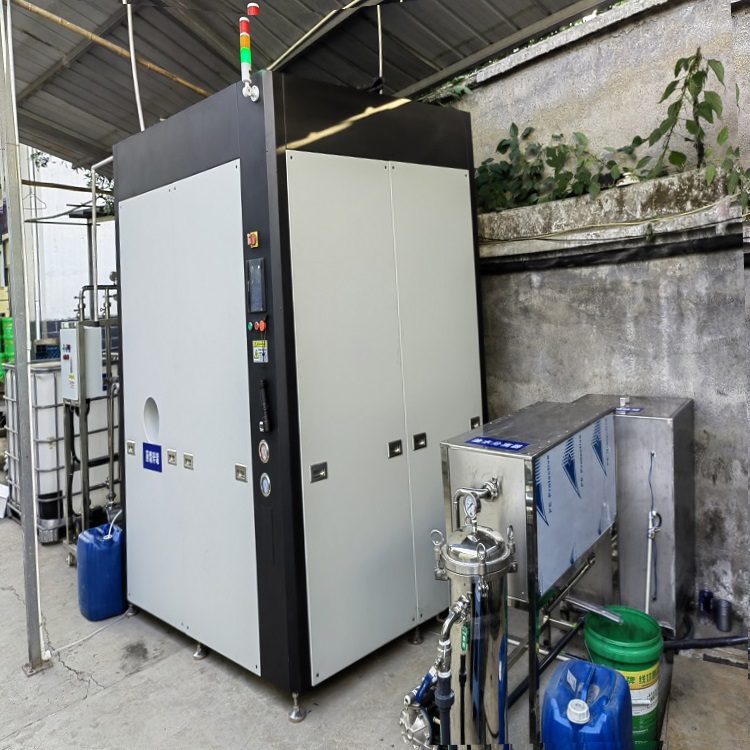
High-Concentration Oil Emulsion Waste Water Treatment Equipment - Quankun - Evaporator Unit - High Concentration Ratio
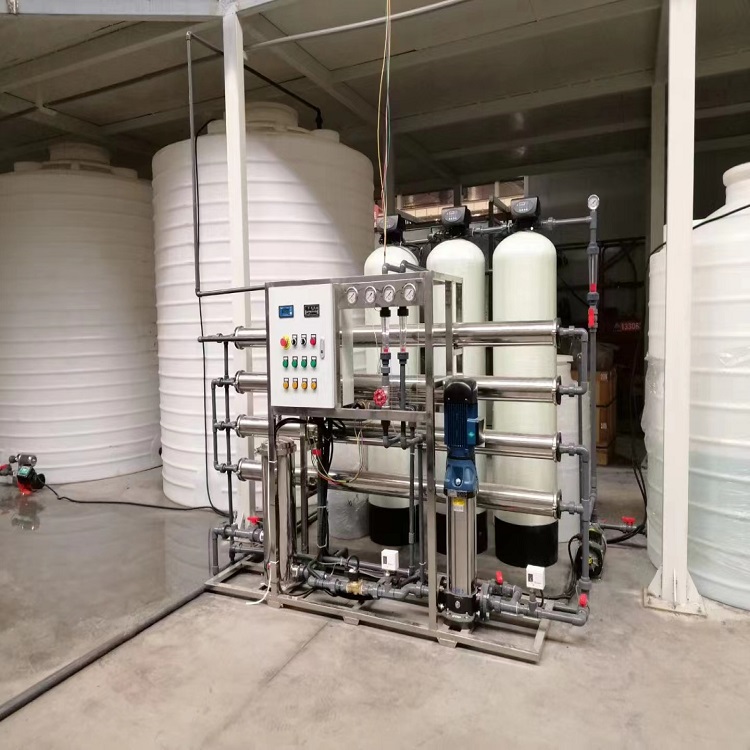
Industrial Pure Water Equipment EDI Ultra-Pure Water System Fully Automatic Control Quankun Environmental Protection
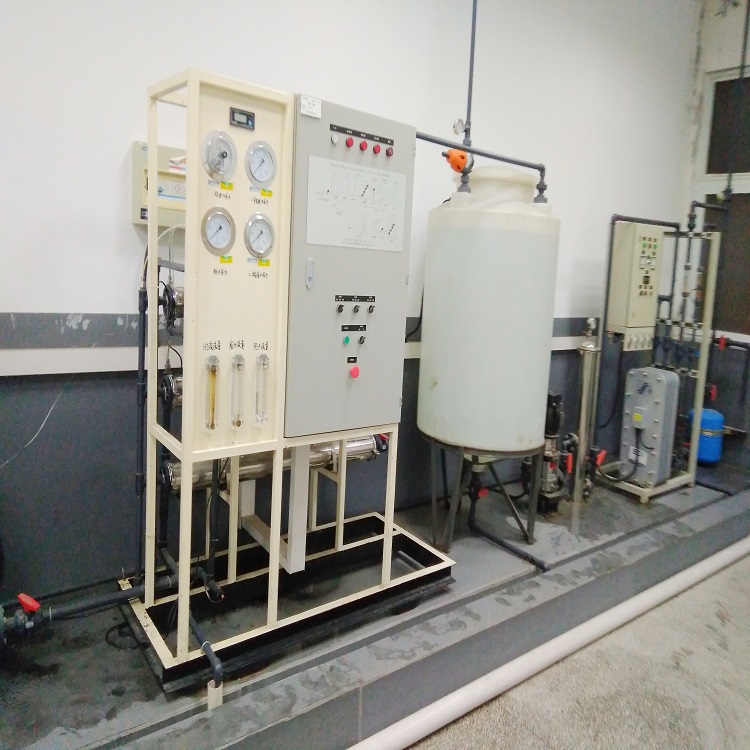
Shenzhen Industrial Ultra-Pure Water Equipment, equipped with EDI system, features low energy consumption and high degree of automation.
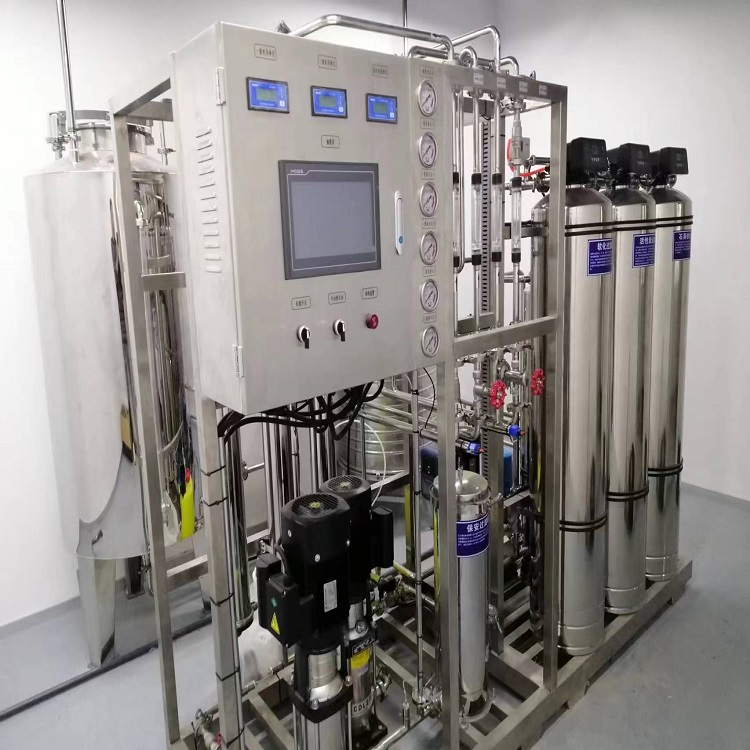
Shanghai industrial pure water production equipment reverse osmosis filtration system with high yield and customizable options, Quankun brand.
详情描述
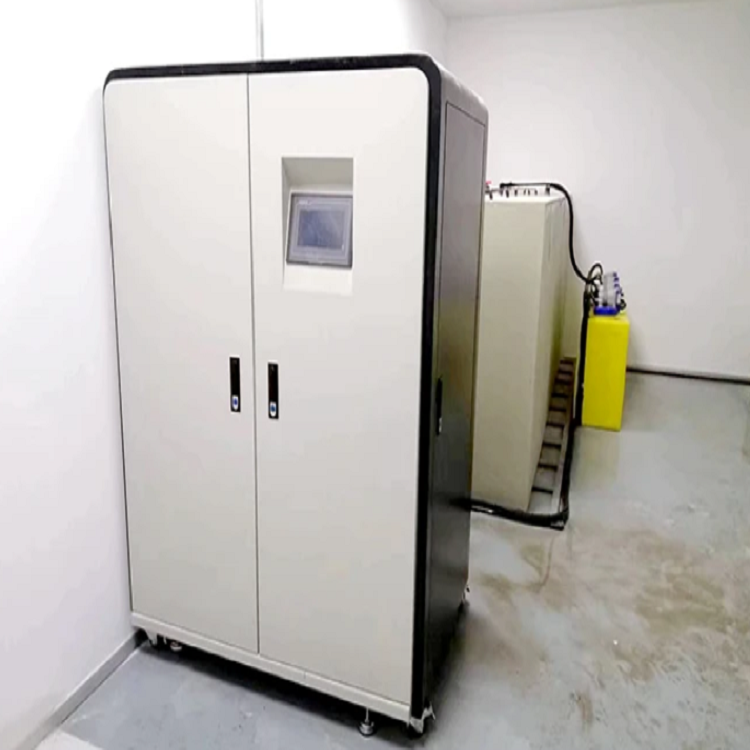
Microbial Laboratory Wastewater Treatment Equipment - Full Specifications - Industrial Wastewater Treatment Equipment - Quankun
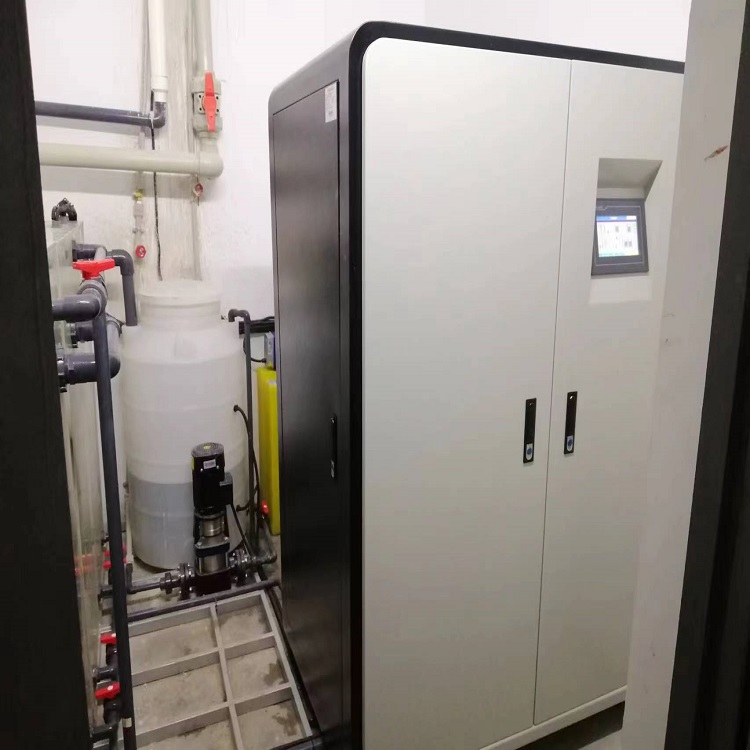
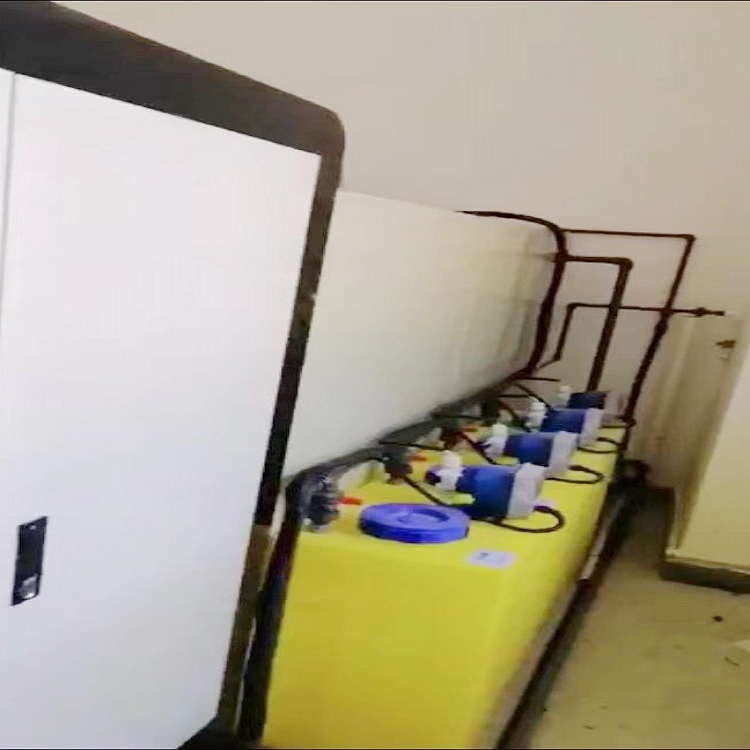
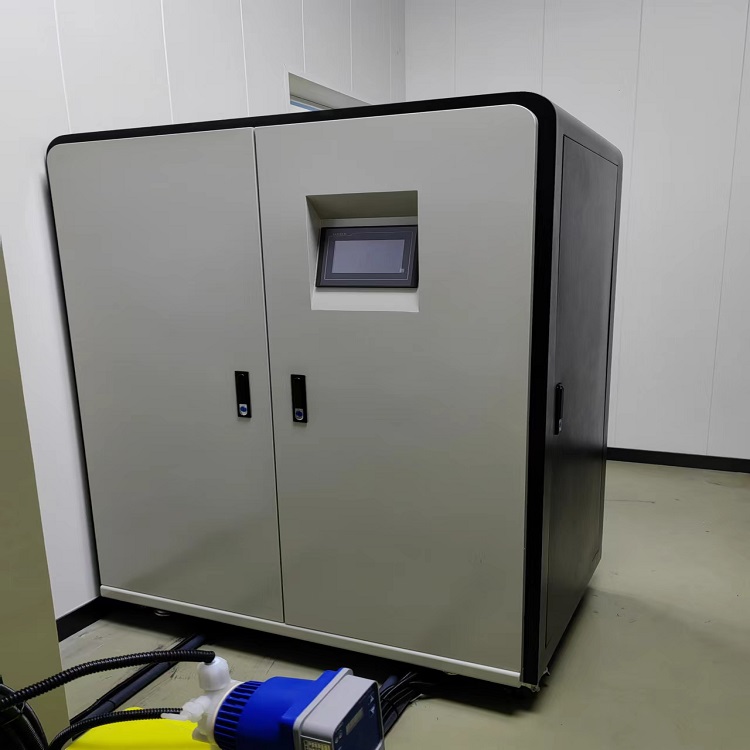
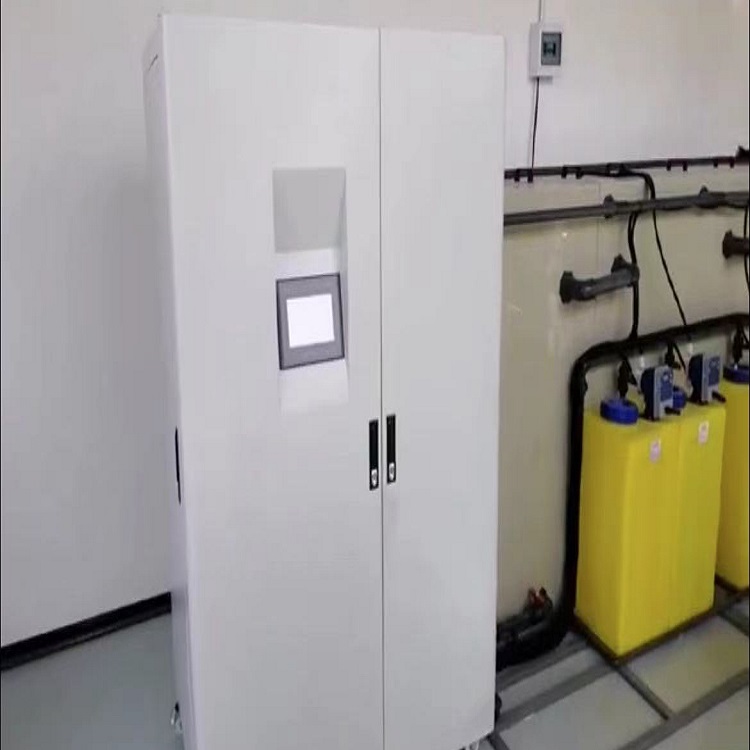
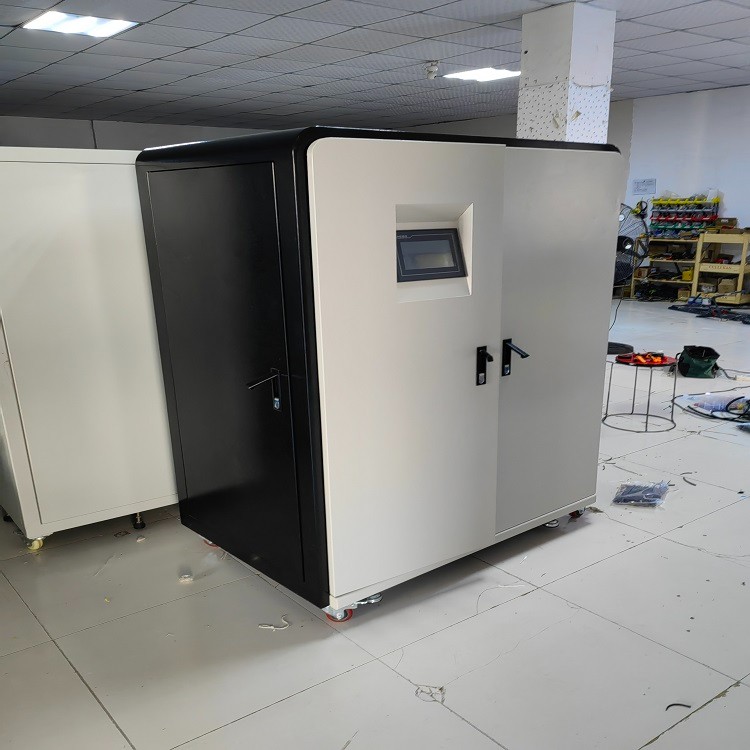
Laboratory wastewater treatment equipment operates through a human-machine interface operating system. The equipment runs automatically according to programs set by the PLC controller and parameters set by the PH/ORP meter. With multi-level online monitoring, the control system automatically calculates and proportionally dispenses, tailored to the composition and concentration of different wastewater. The school's laboratory wastewater treatment equipment is more scientific and rational, ensuring treatment effectiveness while saving consumption and eliminating the need for dedicated personnel.
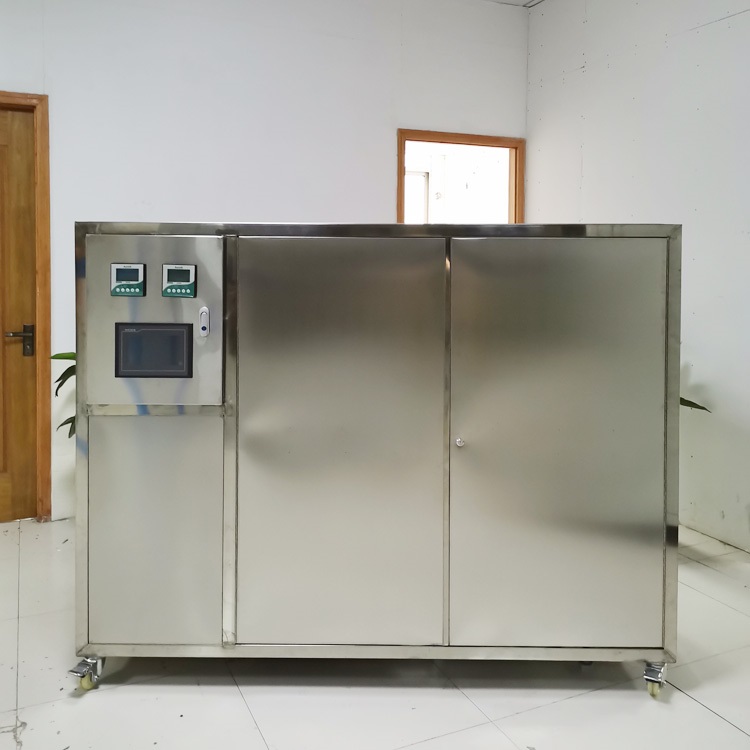
Laboratory wastewater treatment equipment features:
1. Wide applicability, adaptable to wastewater treatment in various laboratories.
2. High level of automation, centrally controlled, user-friendly interface, easy to operate, fully automatic operation, no need for dedicated on-site staff.
3. Centralized control, high level of automation, easy operation, fully automatic operation, no need for dedicated personnel.
4. Automatic leak and electric shock protection, high and low voltage automatic protection, no wastewater protection, and liquid level protection for the storage tank.
5. Dynamic operation with a digital LCD display for water quality indicators.
6. "One-stop" integrated design with attractive appearance, minimal land occupation, low operation costs, easy installation and mobility, high processing capacity, excellent processing effects, low energy consumption, resistance to acid and alkali corrosion, low noise, and environmentally friendly, truly achieving engineering equipmentization. No need for multiple treatment ponds, no secondary pollution such as waste residue, waste gas, and waste water.
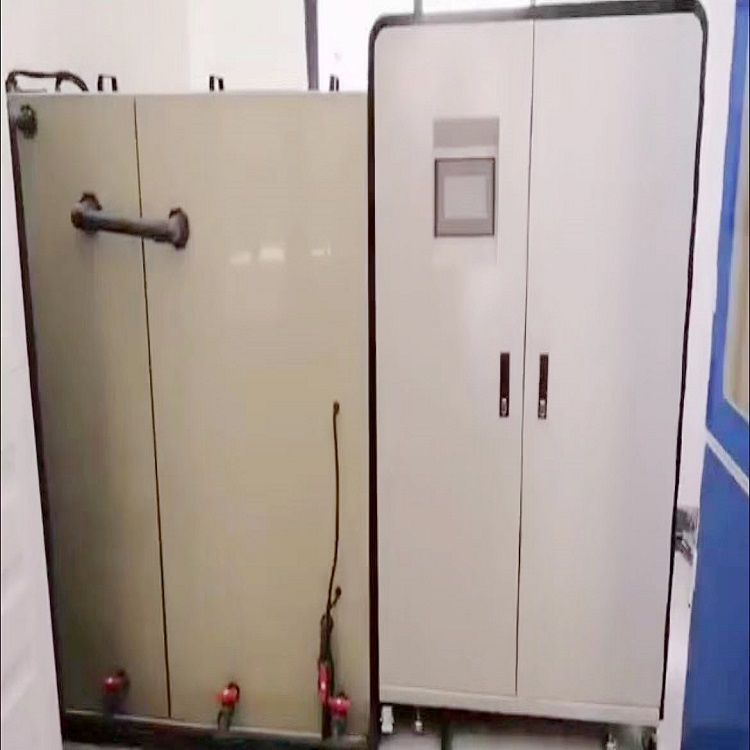
Operating Principle:
The design of wastewater treatment equipment is to efficiently remove harmful substances from wastewater, ensuring the effluent quality meets national or local discharge standards. Its basic working principle generally includes three main stages: physical treatment, biological treatment, and chemical treatment.
Primarily, facilities like格栅 and regulating pools are used to remove large particles, suspended solids, and some oils from wastewater, creating favorable conditions for subsequent biological treatment. Additionally, sedimentation ponds are employed in some cases to utilize gravity to settle heavier particles to the bottom of the water, further purifying the water quality.
This stage primarily utilizes the metabolic actions of microorganisms to convert organic matter, nitrogen, phosphorus, and other pollutants in wastewater into harmless or low-toxic substances. Common biological treatment methods include the activated sludge process, biofilm process (such as contact oxidation, biological filter), and membrane bioreactor (MBR). The activated sludge process involves cultivating a large amount of sludge composed of microorganisms, which thoroughly contacts and degrades organic matter. The biofilm process forms a layer of biofilm on the surface of a carrier, using the microorganisms on the biofilm for purification. The MBR combines membrane separation technology with biological treatment, offering advantages such as high efficiency and a small footprint.
Types of laboratory wastewater treatment equipment:
Primarily used for removing suspended solids from wastewater. After a period of time in the sedimentation tank, under the force of gravity, heavier particles settle to the bottom, forming sludge, while the supernatant flows out to the next treatment stage.
2. Includes sand filters, activated carbon filters, etc., designed to remove fine particles, colloids, and some dissolved organic matter from wastewater. The filtering medium retains pollutants on its surface or inside through adsorption and interception.
3. Adjusts the pH level of wastewater to meet discharge standards. Neutralizes acidic or alkaline substances in the wastewater by adding acid or alkali, resulting in harmless salts.
4. Utilize oxidizing or reducing agents to convert harmful substances in wastewater into harmless or low-toxic substances. Common oxidizing agents include ozone and hydrogen peroxide, while reducing agents include sodium sulfite and ferrous sulfate.
5. Utilizing the metabolic action of microorganisms, organic matter in wastewater is decomposed into carbon dioxide, water, and biomass. Bio-reactors can be categorized into aerobic and anaerobic bio-reactors. The former requires oxygen supply, while the latter operates under anaerobic conditions.
Microbial Laboratory Wastewater Treatment Equipment - Full Specifications - Industrial Wastewater Treatment Equipment - Quankun
Laboratory wastewater treatment equipment and its functions:
Activated Carbon Adsorption Equipment: Utilizes the adsorption capability of activated carbon to remove organic pollutants from wastewater. Activated carbon has porosity, which can adsorb and immobilize harmful substances in wastewater, thereby purifying the water quality.
2. Membrane Separation Equipment: Utilizes membrane technology to separate solutes from wastewater via the selective permeability of the membrane. This equipment can effectively remove microorganisms, suspended solids, dissolved substances, and heavy metals from wastewater.
3. Ozone Oxidation Equipment: Utilizes the strong oxidizing properties of ozone to oxidize organic substances in wastewater. When ozone comes into contact with organic matter, it rapidly oxidizes and decomposes it, thereby purifying the wastewater. This equipment is suitable for removing organic matter, odors, colors, and other harmful substances from wastewater.
4. Sludge Dewatering Machine: Used for treating sludge produced during the wastewater treatment process. Extracts moisture from sludge through mechanical pressing or centrifugal methods, achieving dewatering and reduction in sludge volume.
5. Electrical control system and wastewater treatment unit: including sedimentation pond, internal electrolytic cell, and micro-electrolytic cell.


