



- AllProduct Category
-
Lab Wastewater Treatment Equipment
Lab Wastewater Treatment Equipment
Ultra-Pure Water Equipment
Membrane Separation Equipment
Pure Water Equipment
Low-Temperature Evaporator
Ultra-Pure Water System
Integrated Wastewater Treatment Equipment
Reverse Osmosis Equipment
Pure Water Equipment
Ceramic Membrane Equipment



Recommended Products
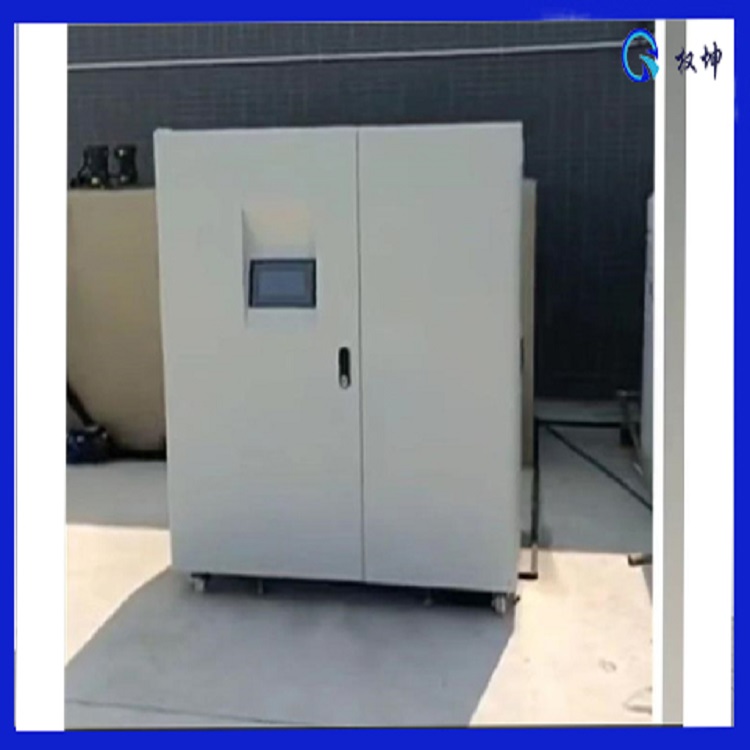
Quan Kun - Comprehensive Laboratory Waste Water Treatment Equipment - Remote Monitoring - Automated Control
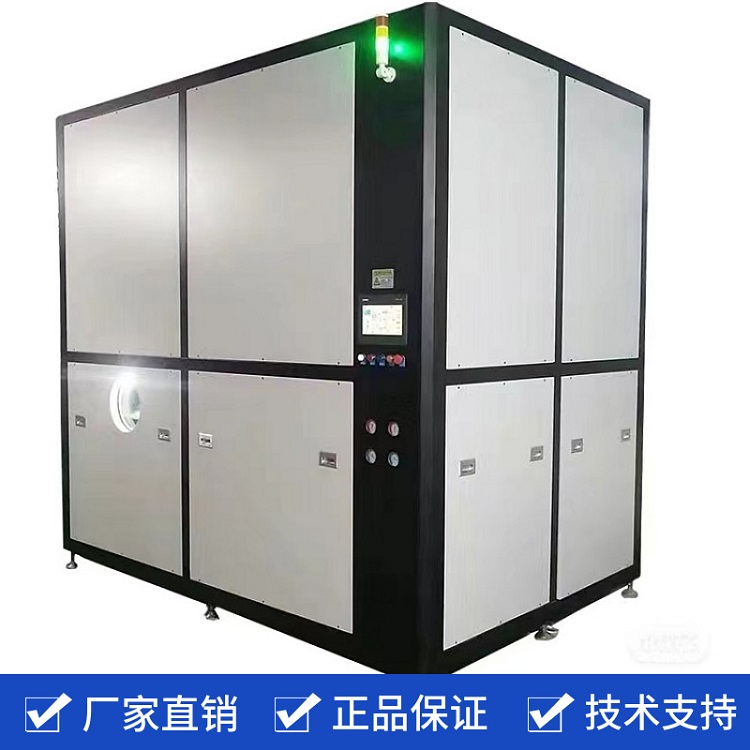
Sodium Chloride Wastewater Low-Temperature Evaporator - Intelligent Automatic - Quankun - Integrated Design
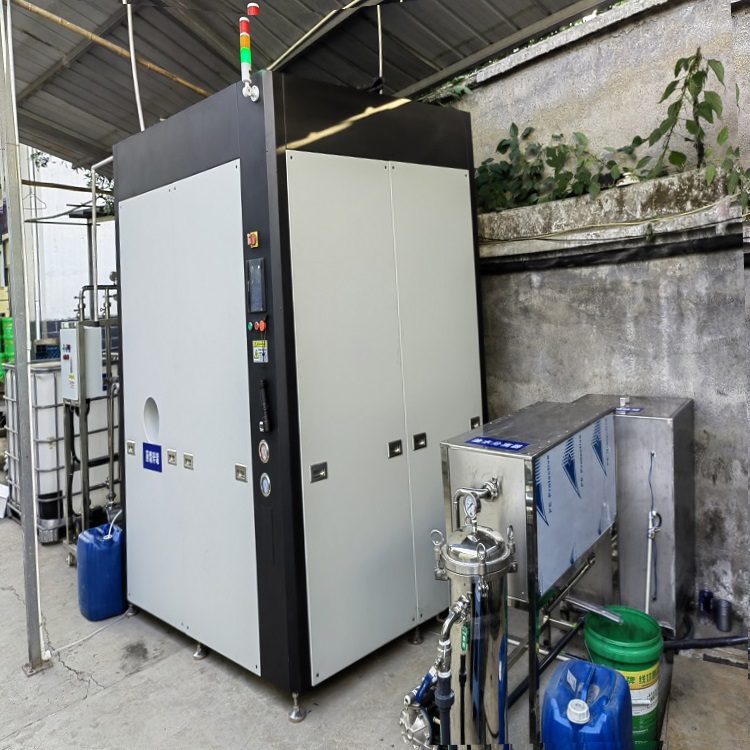
High-Concentration Oil Emulsion Waste Water Treatment Equipment - Quankun - Evaporator Unit - High Concentration Ratio
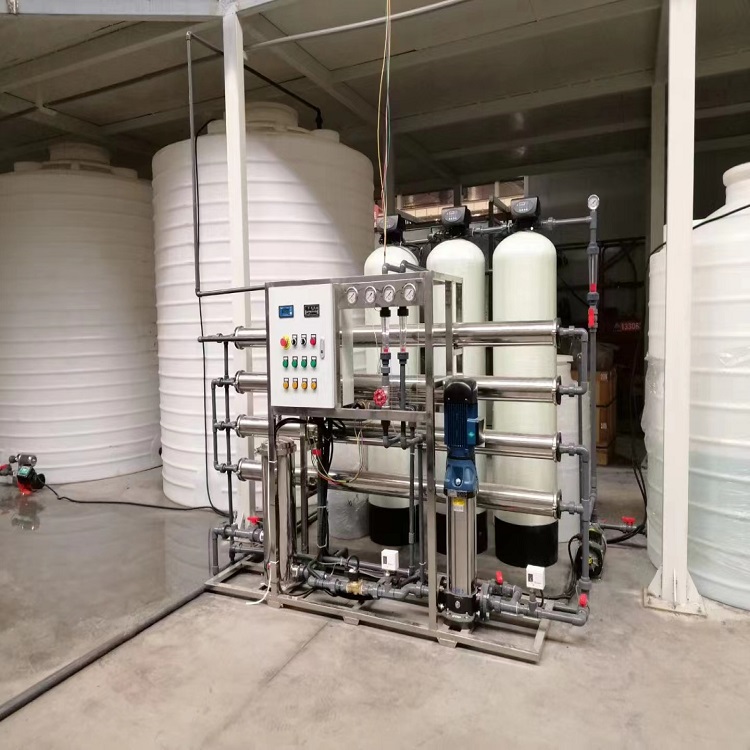
Industrial Pure Water Equipment EDI Ultra-Pure Water System Fully Automatic Control Quankun Environmental Protection
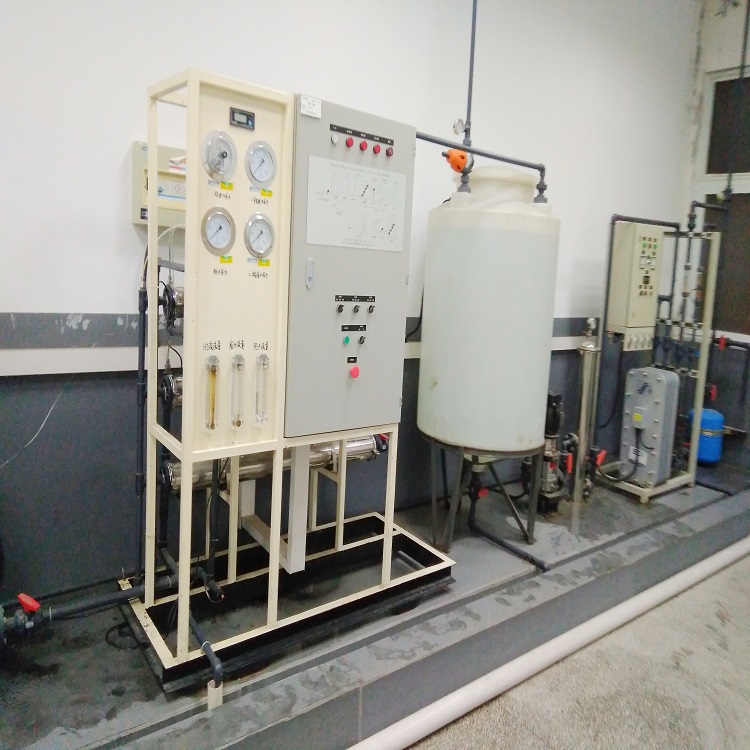
Shenzhen Industrial Ultra-Pure Water Equipment, equipped with EDI system, features low energy consumption and high degree of automation.
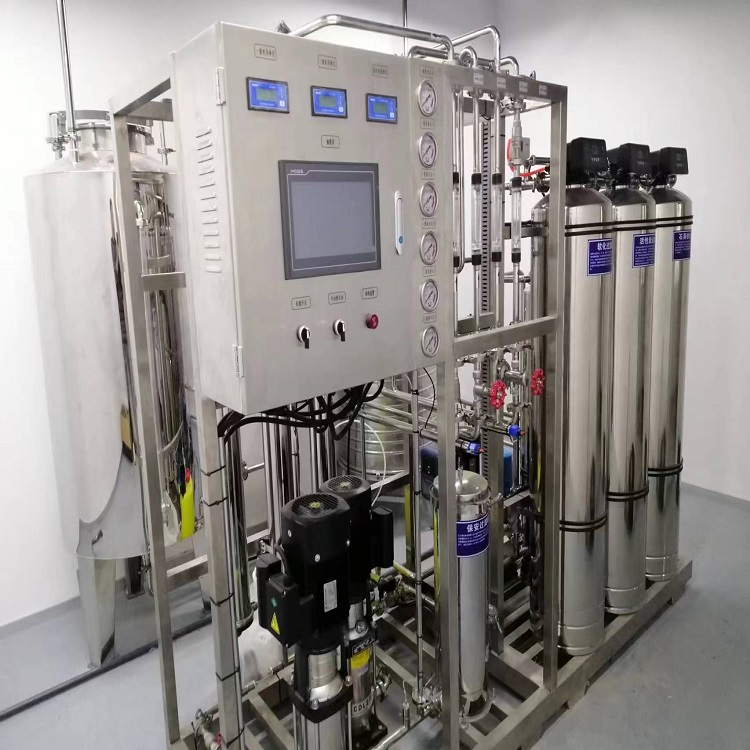
Shanghai industrial pure water production equipment reverse osmosis filtration system with high yield and customizable options, Quankun brand.
详情描述
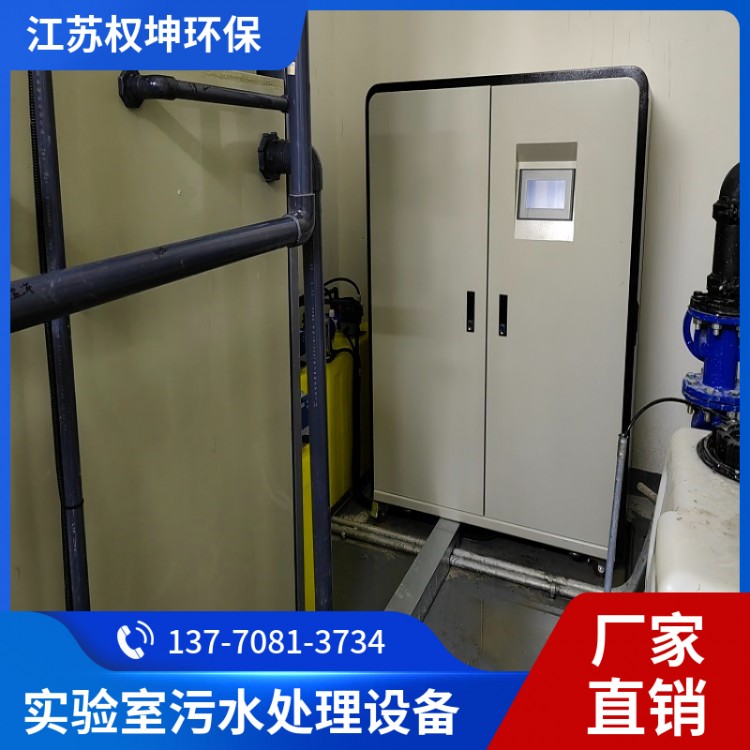
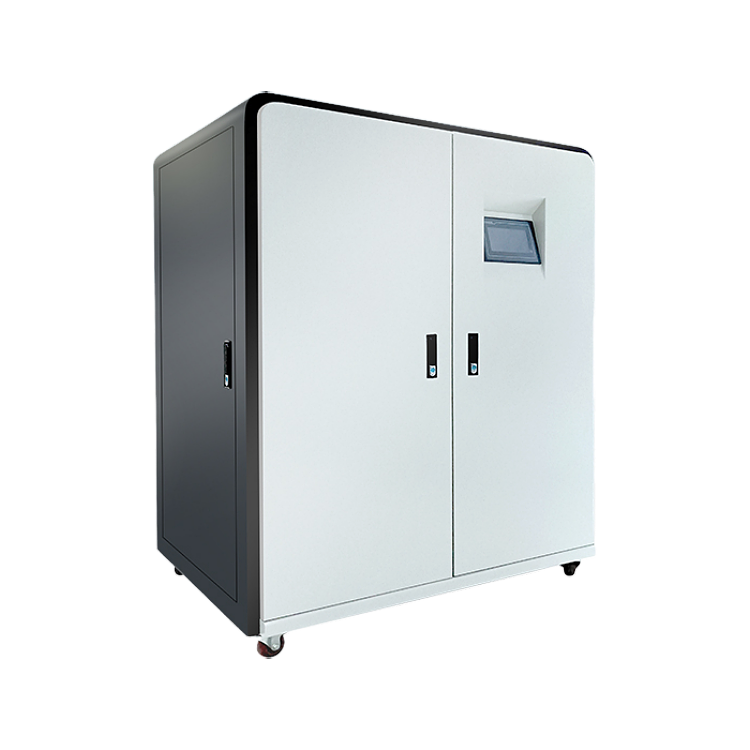
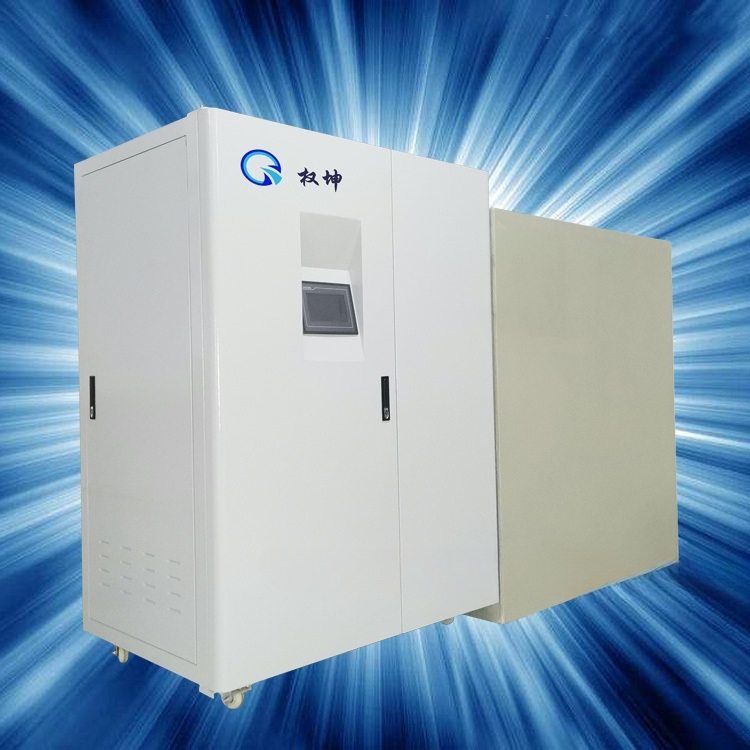
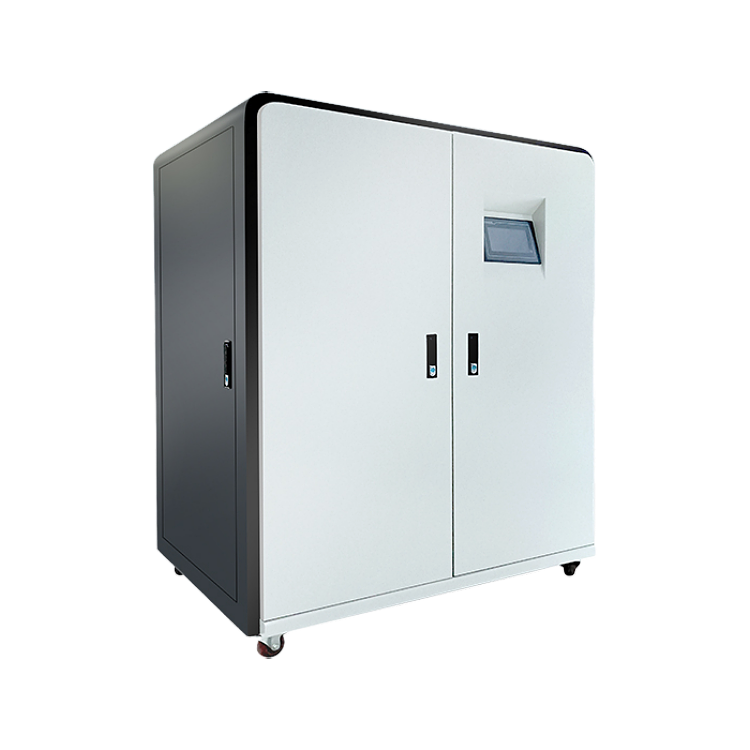
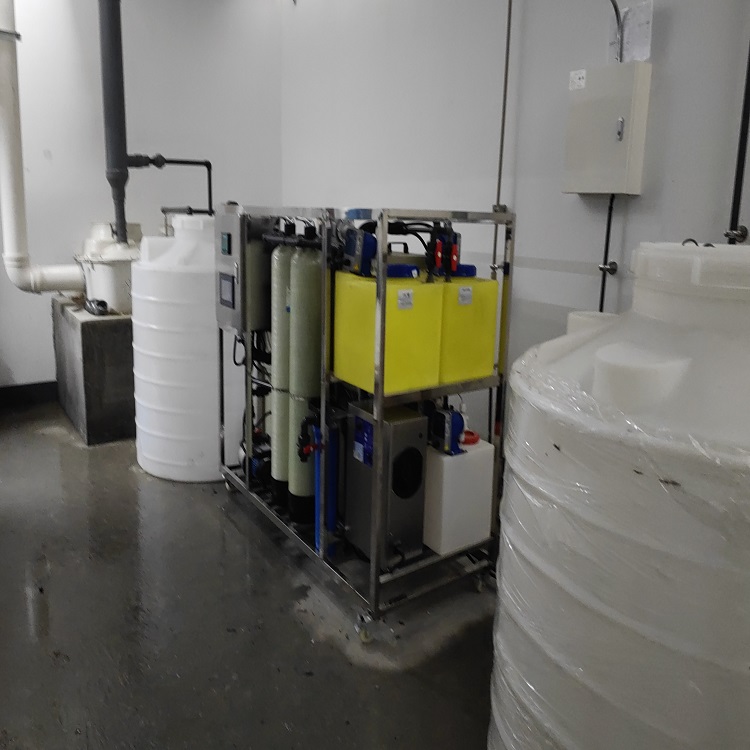
Wastewater Treatment Experimental Equipment - Integrated Laboratory Waste Water Treatment System - Quankun Automatic Control
Equipment Introduction:
The laboratory integrated wastewater treatment equipment comprehensively processes agricultural production system, inorganic, and biological wastewater generated within the lab through a wastewater collection unit, automatic adjustment unit, coagulation and air flotation automatic mixing unit, flocculation and coagulation precipitation reaction unit, sedimentation and separation unit, multi-stage high oxidation treatment units, multi-level decomposition degradation treatment units, high and low potential difference micro-electrolysis technology, electrochemical oxidation-reduction, two-stage agricultural production system biological activity treatment technology, and new biochemical reaction treatment technology. It effectively removes COD, BOD, SS, color, and heavy metal ions from the wastewater. Different treatment technologies and control systems are employed based on the composition of various experimental wastewater. The equipment operates via an operating system, running according to the program set by the controller and parameters set by the pH/ORP meter.
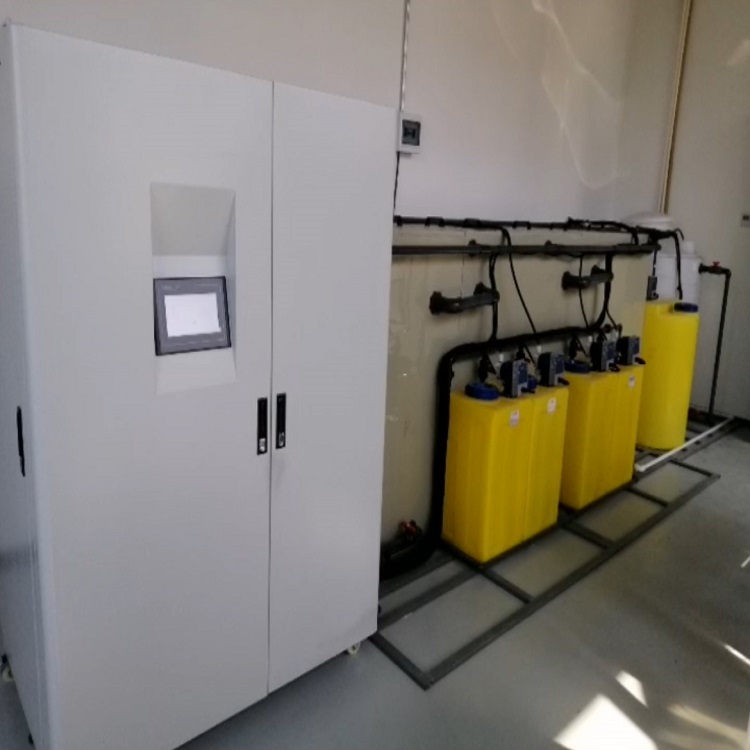
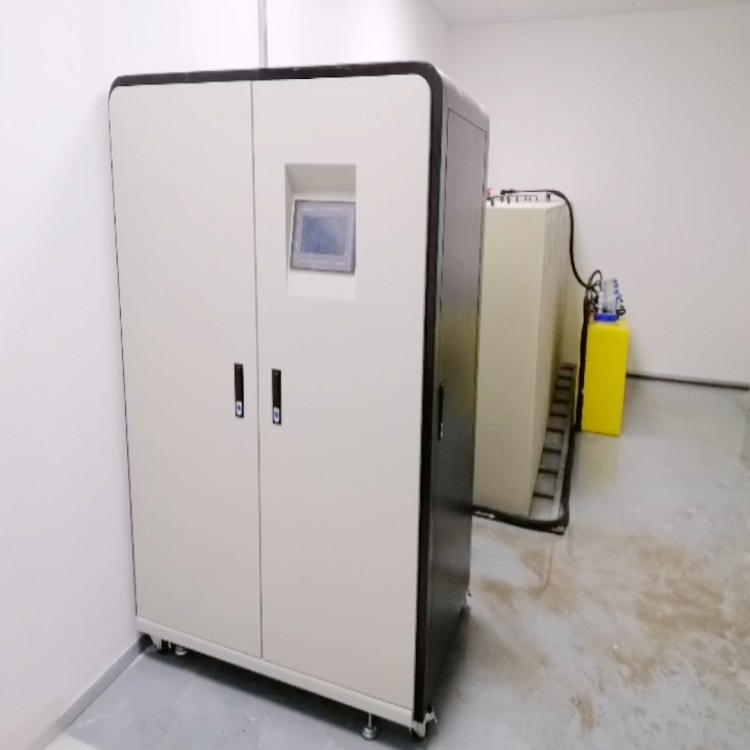
Equipment Features:
1. Fully automatic control
2. Compact structure, minimal land area
3. Low total cost, corrosion-resistant, and long service life
4. Low handling fees, stable water quality upon output
Equipment Process:
Wastewater is collected via the sewage pipeline and stored in an external storage tank for uniform water quality regulation and preliminary sedimentation of large particles. An internal float ball sensor monitors water level; upon reaching the set high water level, it is transported to the main equipment through an external lift pump. It first enters the pH adjustment tank, controlled by a pH meter (parameters are factory-set but can be adjusted based on actual conditions) to automatically adjust the pH by adding alkali to neutralize acidity and acid to neutralize alkalinity. After pH adjustment, the wastewater flows into the micro-electrolysis tank, where it undergoes electrolysis through internal potential differences to reduce COD and remove some heavy metal ions. It then sequentially enters the flocculation sedimentation tank, where flocculation and sedimentation are achieved by adding PAC or PAM, reducing SS. Flowing into the clear water tank, it is automatically pumped to a multimedia filter by a self-priming pump for adsorption filtration, then into a slow-release disinfection unit for disinfection treatment. After treatment, the wastewater meets the first, second, and third standards of the Comprehensive Wastewater Discharge Standard (GB8978-1996). The treated wastewater can be discharged into the municipal sewage network or surface and river water, or can be reused through further treatment processes.
Wastewater Treatment Experimental Equipment - Integrated Laboratory Waste Water Treatment System - Quankun Automatic Control
Operating Principle:
This equipment is a modular, high-efficiency biological wastewater treatment system, primarily utilizing a biofilm for purification. It maximizes the advantages of biofilm reactors such as anaerobic biofilters and contact oxidation beds, including high biomass density, strong tolerance to pollutants, low energy consumption, stable operation, and easy maintenance, making the system highly applicable and valuable for promotion.


