



- AllProduct Category
-
Lab Wastewater Treatment Equipment
Lab Wastewater Treatment Equipment
Ultra-Pure Water Equipment
Membrane Separation Equipment
Pure Water Equipment
Low-Temperature Evaporator
Ultra-Pure Water System
Integrated Wastewater Treatment Equipment
Reverse Osmosis Equipment
Pure Water Equipment
Ceramic Membrane Equipment



Recommended Products
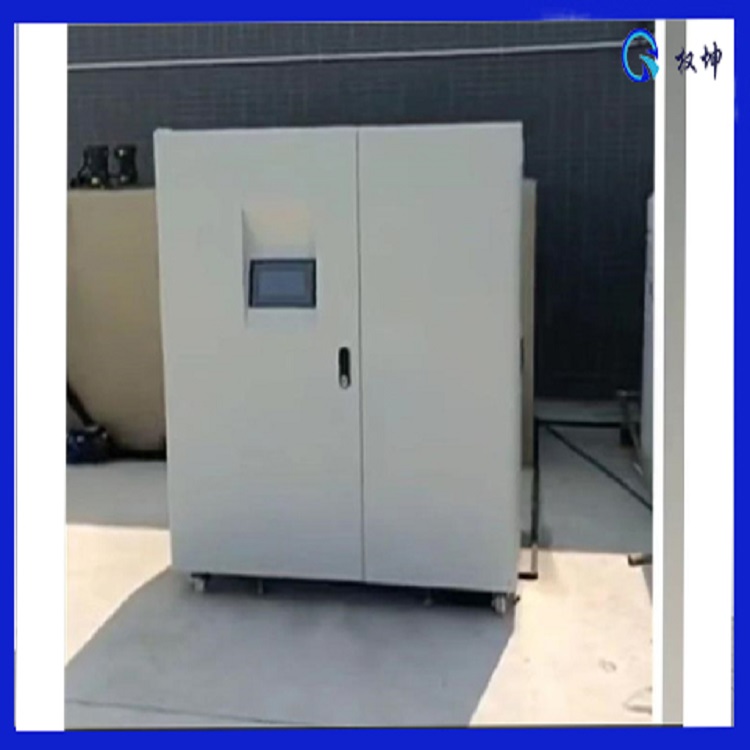
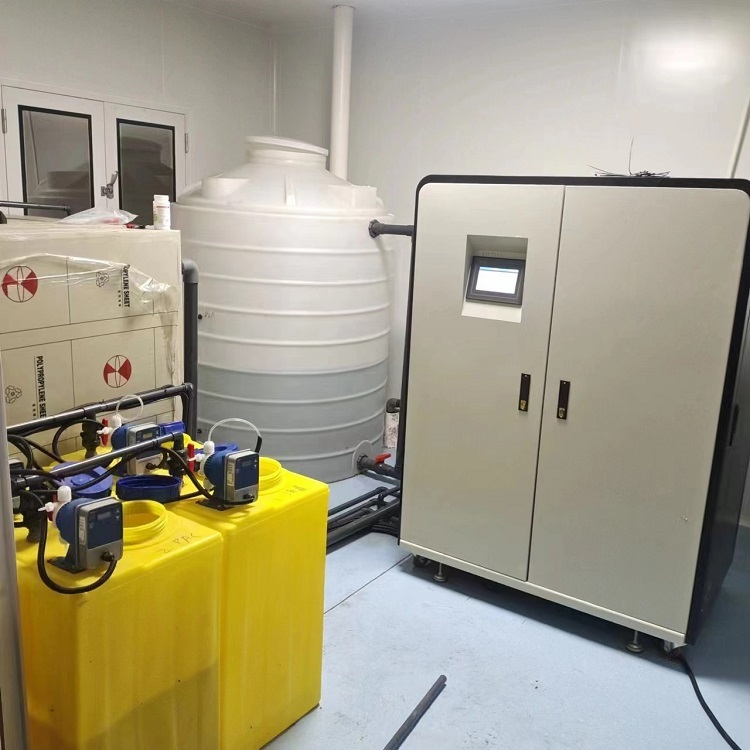
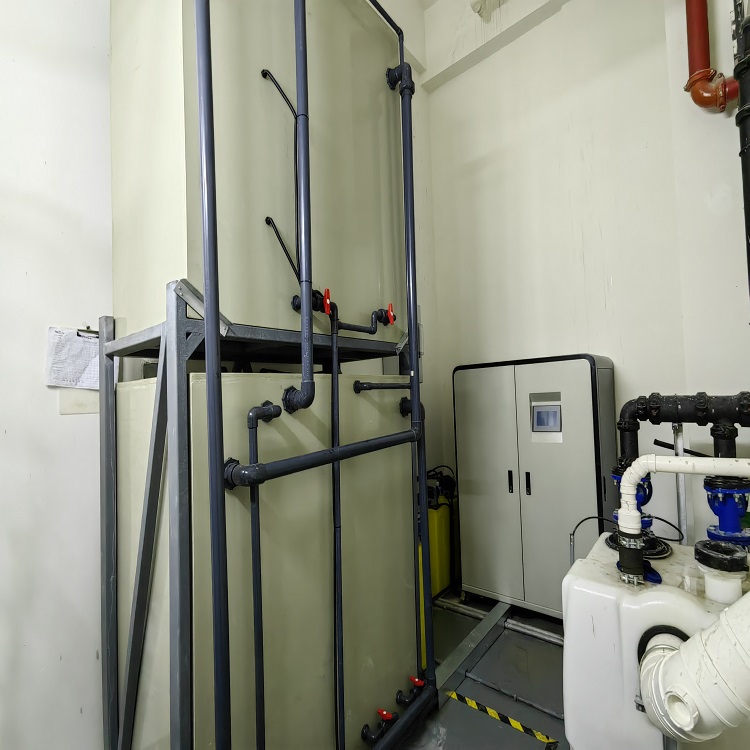
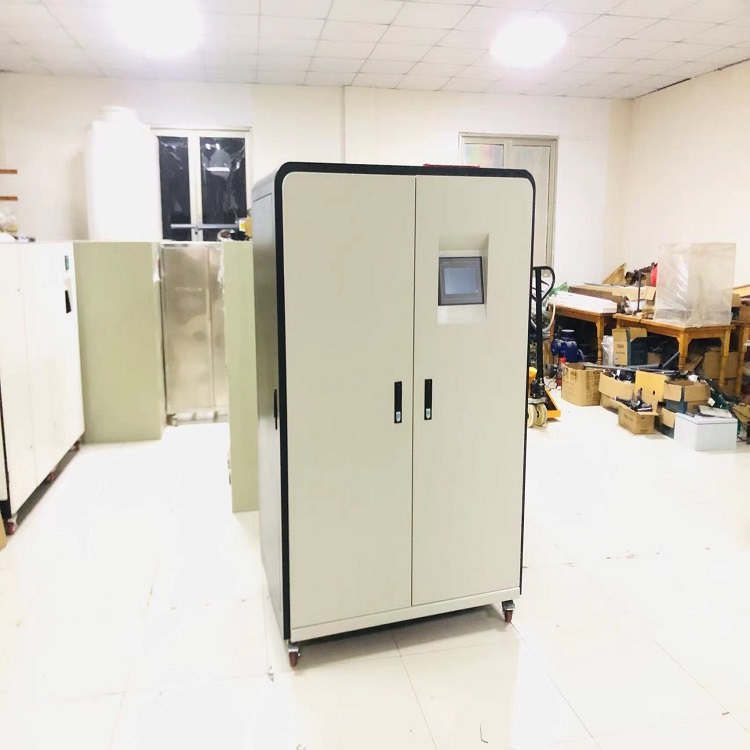
Quan Kun - Comprehensive Laboratory Waste Water Treatment Equipment - Remote Monitoring - Automated Control
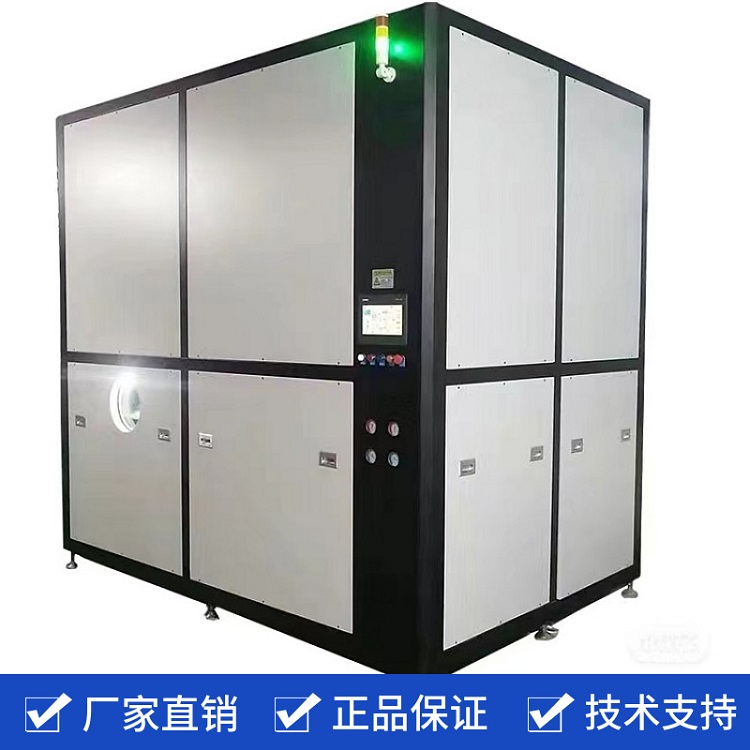
Sodium Chloride Wastewater Low-Temperature Evaporator - Intelligent Automatic - Quankun - Integrated Design
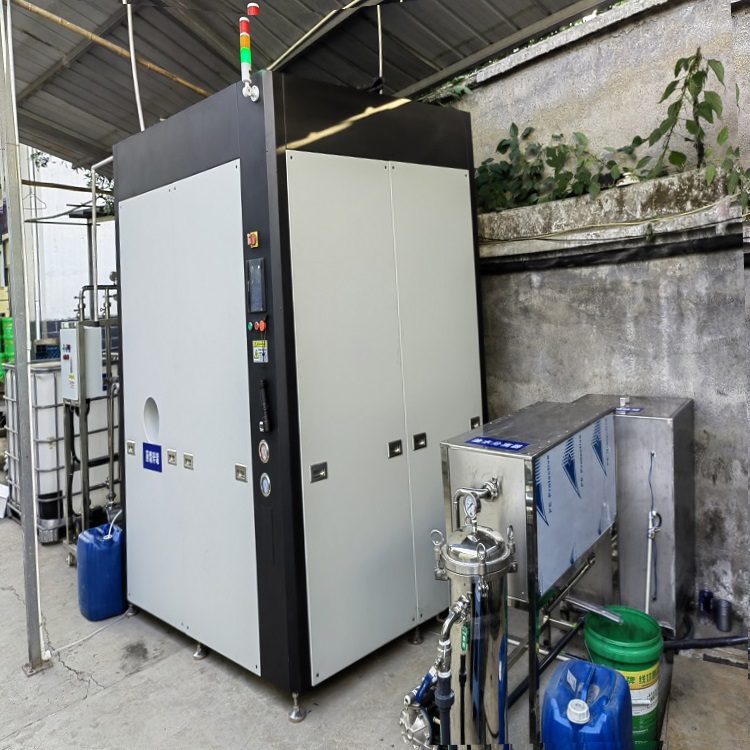
High-Concentration Oil Emulsion Waste Water Treatment Equipment - Quankun - Evaporator Unit - High Concentration Ratio
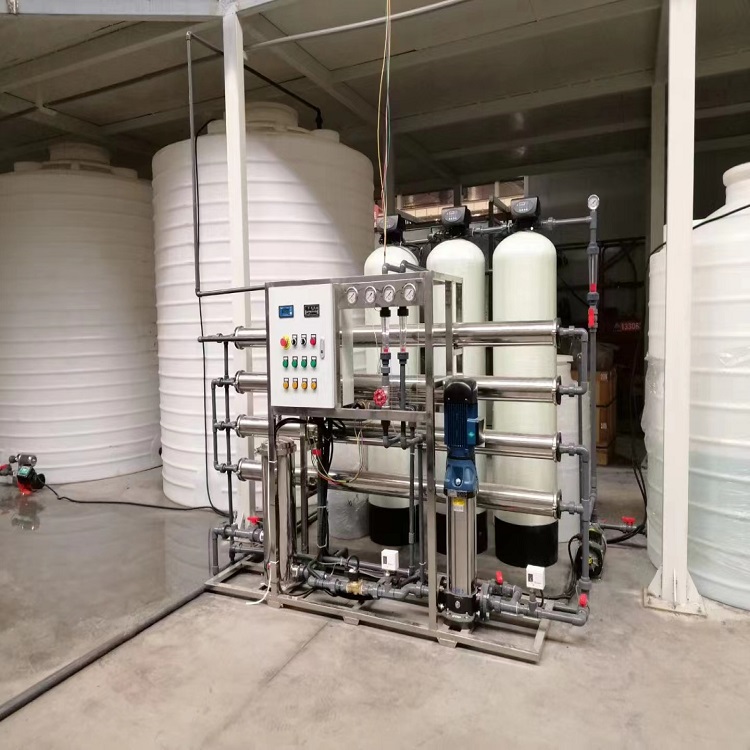
Industrial Pure Water Equipment EDI Ultra-Pure Water System Fully Automatic Control Quankun Environmental Protection
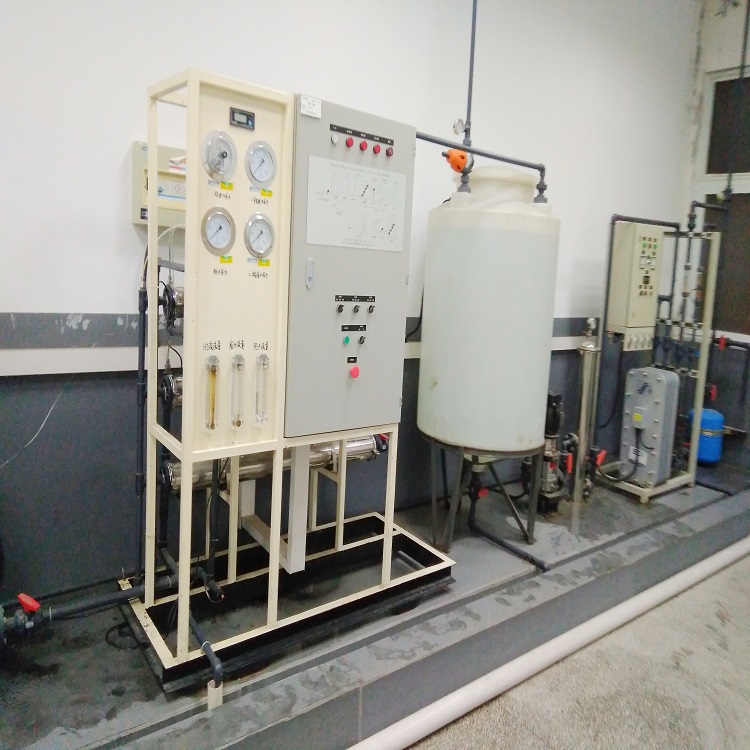
Shenzhen Industrial Ultra-Pure Water Equipment, equipped with EDI system, features low energy consumption and high degree of automation.
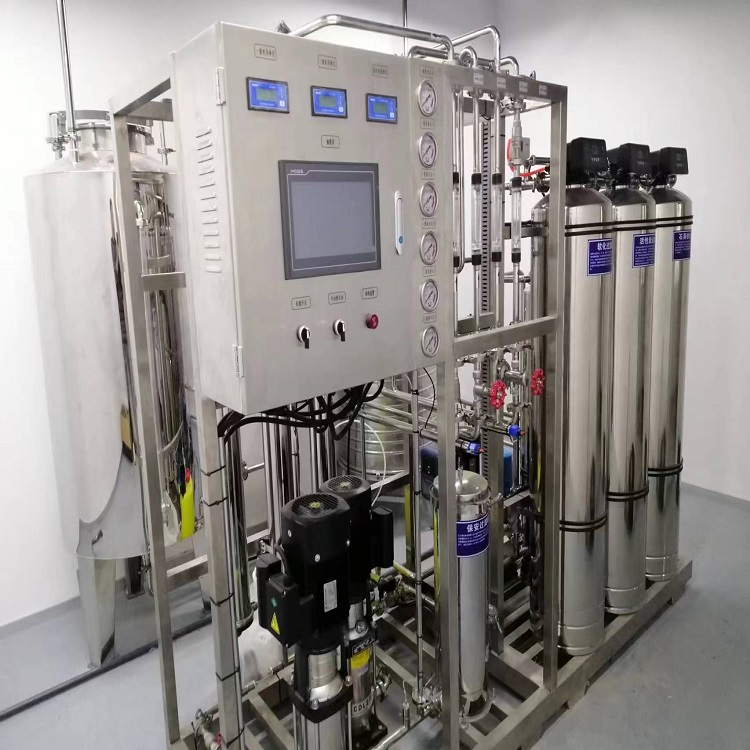
Shanghai industrial pure water production equipment reverse osmosis filtration system with high yield and customizable options, Quankun brand.
详情描述
Laboratory wastewater treatment system, fully automatic control, stable performance
The primary function of the laboratory wastewater treatment equipment is to efficiently and safely process wastewater generated in laboratories. It employs advanced techniques such as physical separation, chemical neutralization, and biological degradation to remove or reduce the concentration of harmful substances in the wastewater, ensuring it meets national emission standards. Additionally, the equipment features automated control and intelligent monitoring capabilities, enabling real-time monitoring of the wastewater treatment process and outcomes, ensuring consistent and reliable treatment effectiveness.
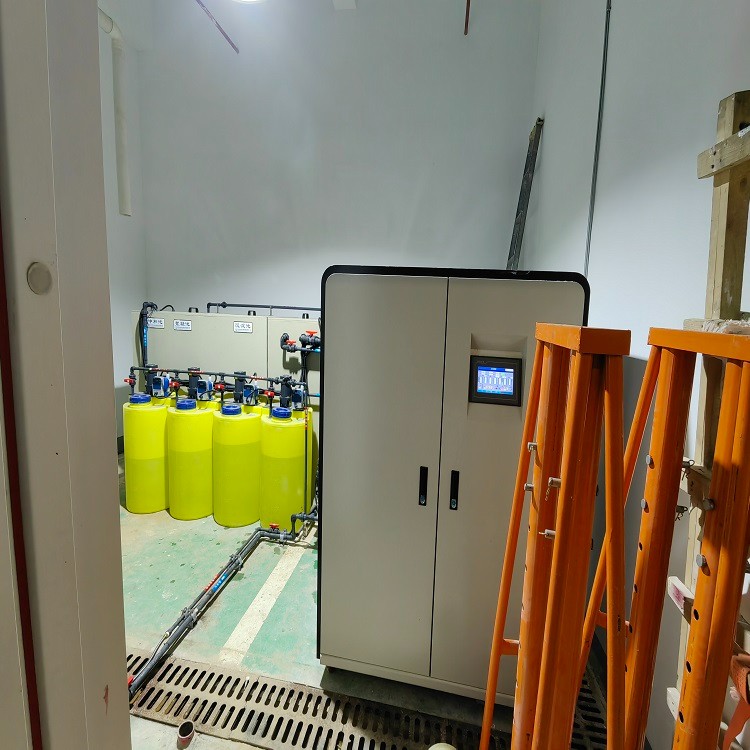
Operating Principle:
Wastewater Collection System: The equipment is equipped with dedicated wastewater collection containers capable of collecting various types of acidic and alkaline wastewater.
2. Wastewater Pretreatment System: This system is capable of removing large particles and certain harmful microorganisms from wastewater.
3. Neutralization Reaction System: Equipped with a neutralization reactor inside, the system can neutralize acidic and alkaline substances, converting them into neutral matter.
4. Filtration System: The filter effectively removes fine particles and various harmful substances from the wastewater.
5. Emission System: Treated wastewater is discharged into the public drainage system after meeting the emission standards through the emission system.
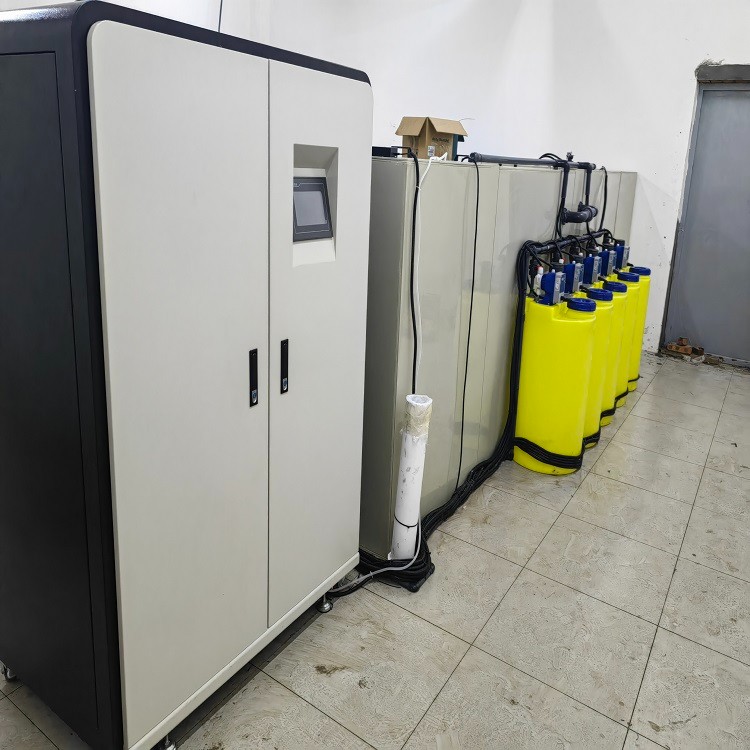
Features of Laboratory Water Treatment Equipment:
1. Capable of denitrification and phosphorus removal, it can meet the requirements for treating industrial wastewater, domestic wastewater, and urban wastewater by adjusting the equipment structure.
2. The equipment boasts strong impact load resistance, with an average contact oxidation retention time exceeding 6 hours.
3. Equipment ensures stable effluent water quality, with minimal sludge production and easy handling.
4. The equipment in the contact oxidation tank is equipped with an aeration blower for aeration, which allows the fibers to continuously float and ensures uniform aeration. This promotes the growth and maturation of microorganisms within the tank, exhibiting characteristics of the activated sludge process.
5. Water treatment equipment can be placed above ground or buried underground. Reduces land occupation and saves on land usage. When buried, the top can be covered with green vegetation.
6. The equipment, in addition to employing conventional muffler measures, also features the installation of new noise-absorbing materials on the interior walls of the blower room, ensuring the noise level during operation is below 50 decibels, thereby minimizing the impact on the surrounding environment.
7. Submersible pumps can be installed within the equipment, saving costs.
8. Simple and convenient to operate, saving labor, manual operation available as well as automatic.
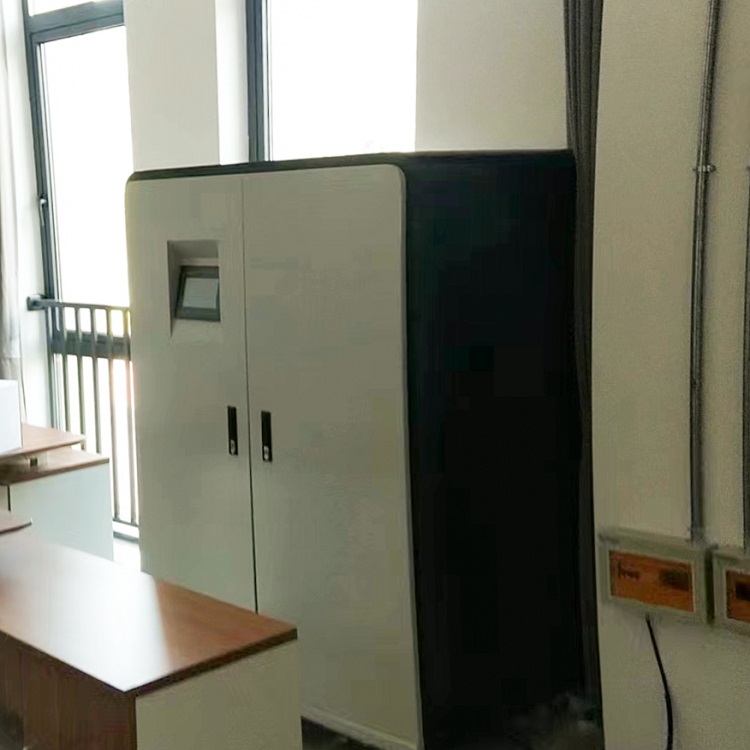
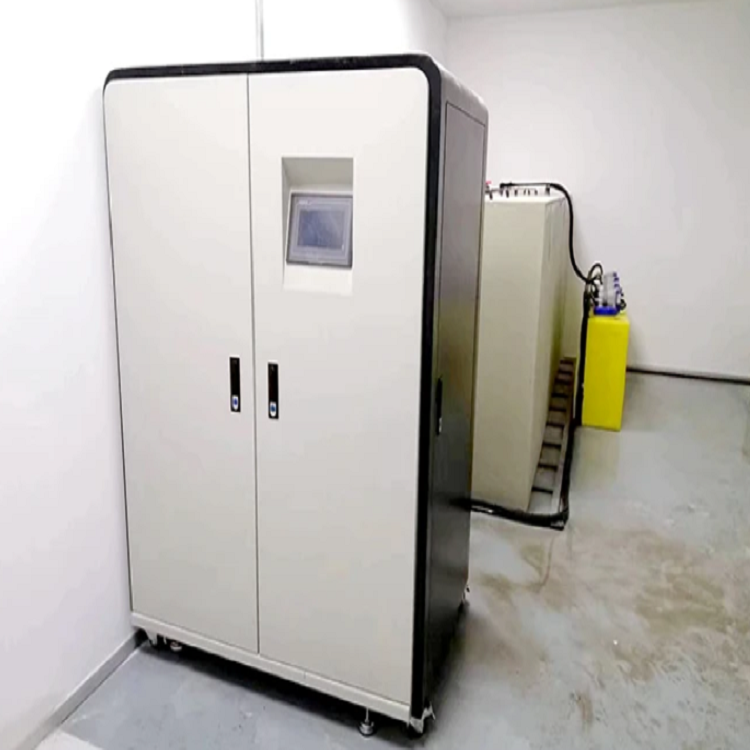
Laboratory Wastewater Treatment Equipment and Its Functions:
Activated Carbon Adsorption Equipment: Utilizes the adsorption capability of activated carbon to remove organic pollutants from wastewater. Activated carbon has porosity, which can adsorb and immobilize harmful substances in wastewater, thereby purifying the water quality.
2. Membrane Separation Equipment: Utilizing membrane technology to separate solutes from wastewater through the selective permeability of the membrane. This equipment can effectively remove microorganisms, suspended solids, dissolved substances, and heavy metals from wastewater.
3. Ozone Oxidation Equipment: Utilizes the strong oxidizing properties of ozone to oxidize organic matter in wastewater. When ozone comes into contact with organic matter, it rapidly oxidizes and decomposes it, thereby purifying the wastewater. This equipment is suitable for removing harmful substances such as organic matter, odors, and colors from wastewater.
4. Sludge Dewatering Machine: Used for treating sludge generated during the wastewater treatment process. Extracts moisture from sludge through mechanical pressing or centrifugal methods, achieving dewatering and reduction in sludge volume.
5. Electro-control System and Wastewater Treatment Unit: Includes sedimentation pond, internal electrolytic tank, and micro-electrolytic tank.

Laboratory wastewater treatment system, fully automatic control, stable performance
Application Scope:
Laboratory wastewater treatment equipment is a technologically advanced, highly automated system with excellent treatment effects, minimal land occupation, simple operation and management, and does not require dedicated staff. It is specifically designed for comprehensive wastewater treatment in laboratories across various industries both domestically and internationally. It has received high praise from users and is widely used in research institutions, universities, environmental monitoring, product inspection, food and drug inspection, entry-exit quarantine, disease control centers, geological and mining testing centers, analytical testing centers, water resource monitoring, and grain and oil quality inspection, among others.


