




- AllProduct Category
-
Lab Wastewater Treatment Equipment
Lab Wastewater Treatment Equipment
Ultra-Pure Water Equipment
Membrane Separation Equipment
Pure Water Equipment
Low-Temperature Evaporator
Ultra-Pure Water System
Integrated Wastewater Treatment Equipment
Reverse Osmosis Equipment
Pure Water Equipment
Ceramic Membrane Equipment



Recommended Products
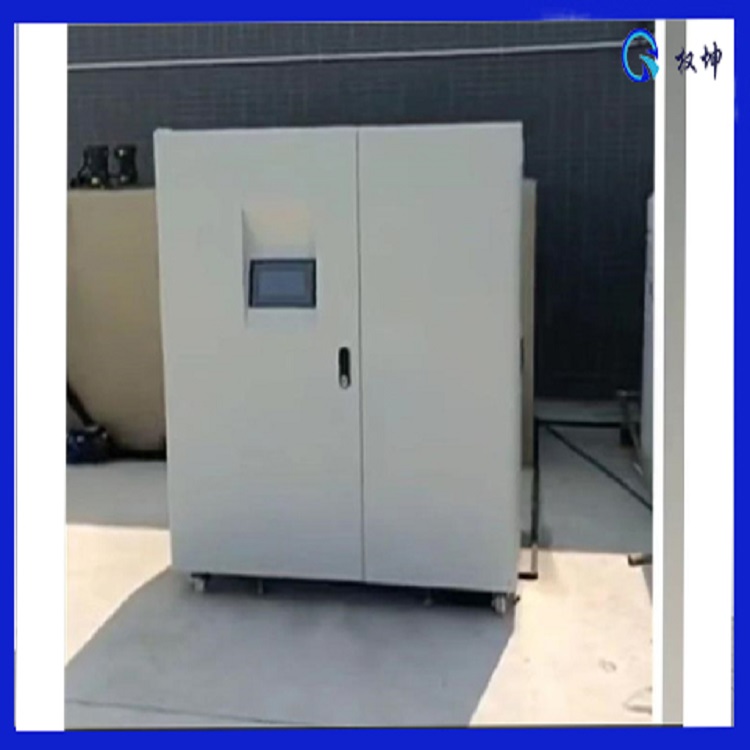
Quan Kun - Comprehensive Laboratory Waste Water Treatment Equipment - Remote Monitoring - Automated Control
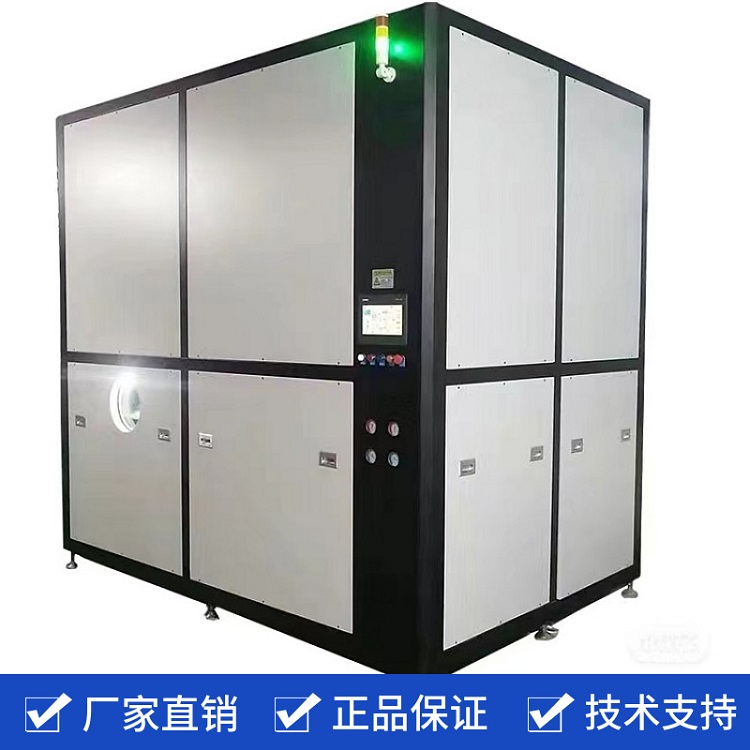
Sodium Chloride Wastewater Low-Temperature Evaporator - Intelligent Automatic - Quankun - Integrated Design
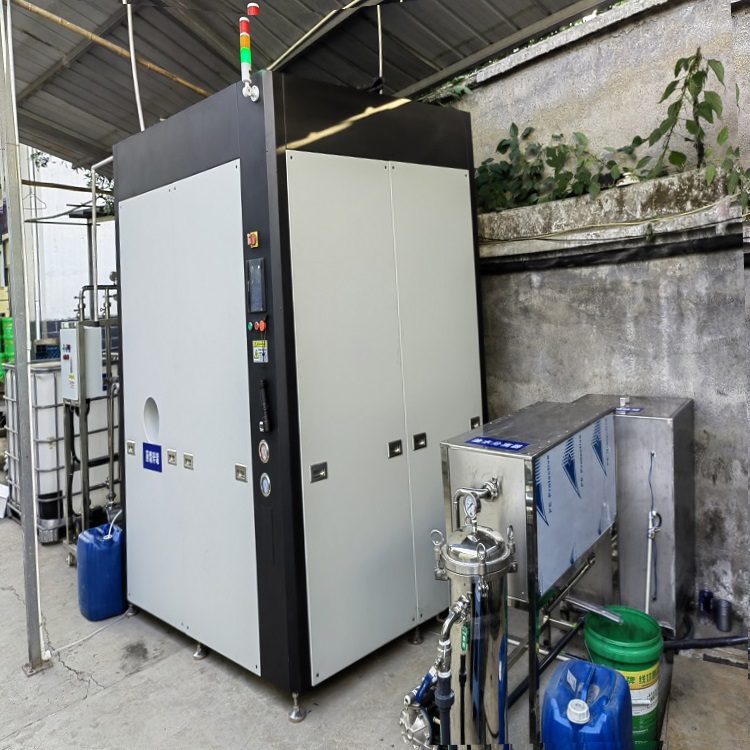
High-Concentration Oil Emulsion Waste Water Treatment Equipment - Quankun - Evaporator Unit - High Concentration Ratio
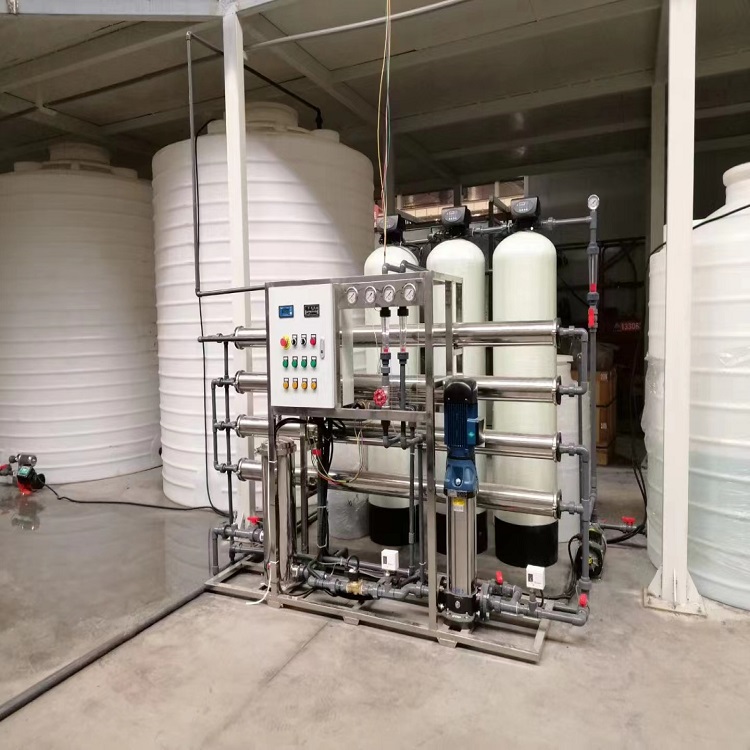
Industrial Pure Water Equipment EDI Ultra-Pure Water System Fully Automatic Control Quankun Environmental Protection
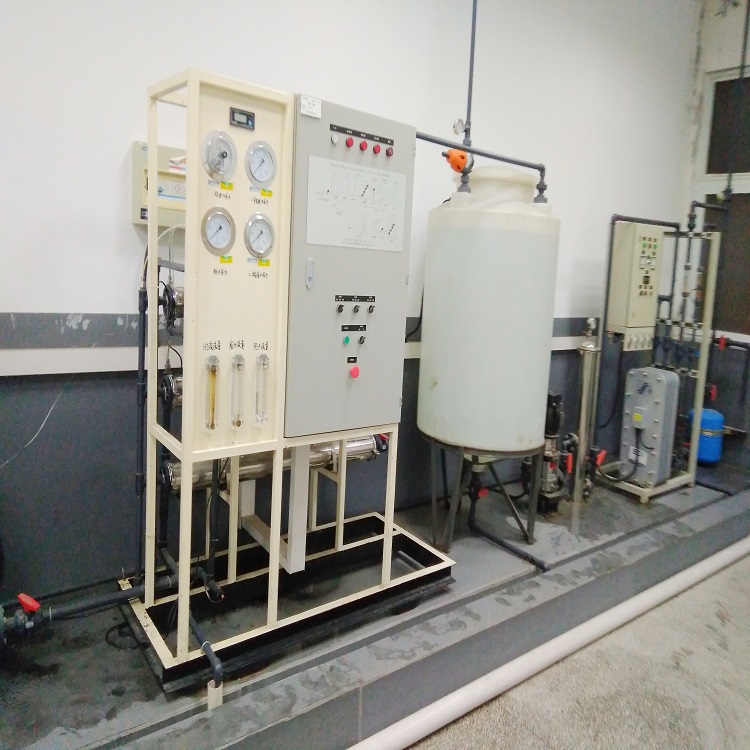
Shenzhen Industrial Ultra-Pure Water Equipment, equipped with EDI system, features low energy consumption and high degree of automation.
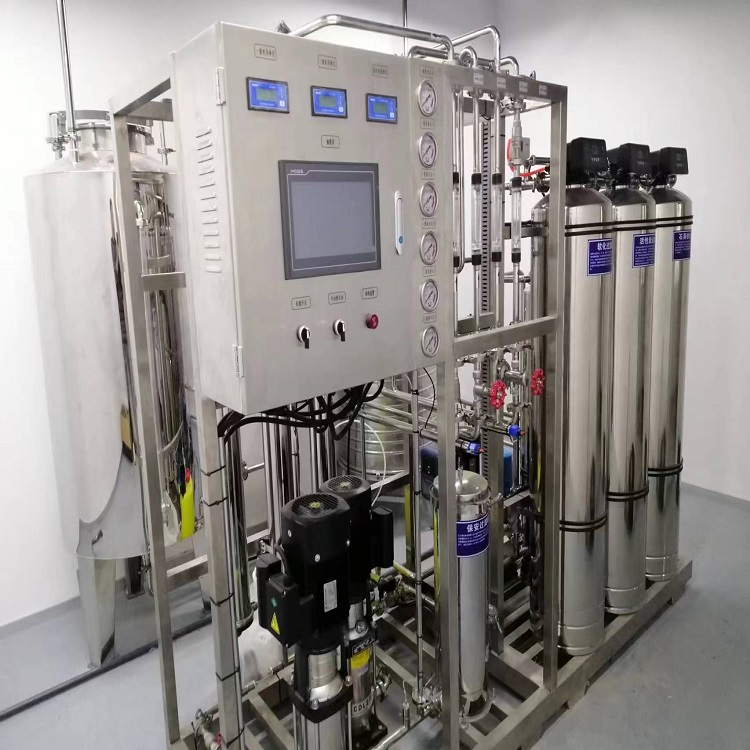
Shanghai industrial pure water production equipment reverse osmosis filtration system with high yield and customizable options, Quankun brand.
详情描述
Pure Water Equipment, Ultra-Pure Water Production System, Stable Water Output Meets GMP Approval Standards
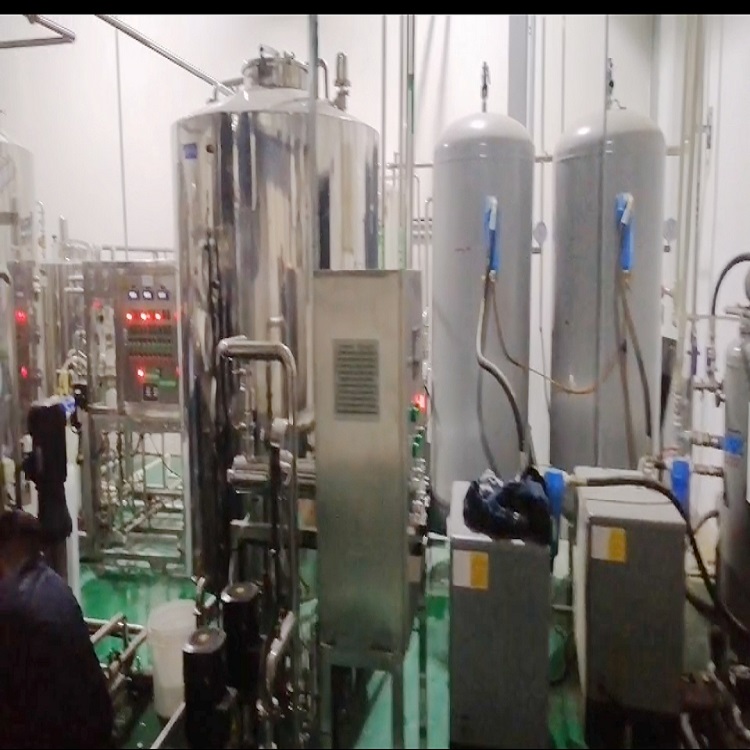
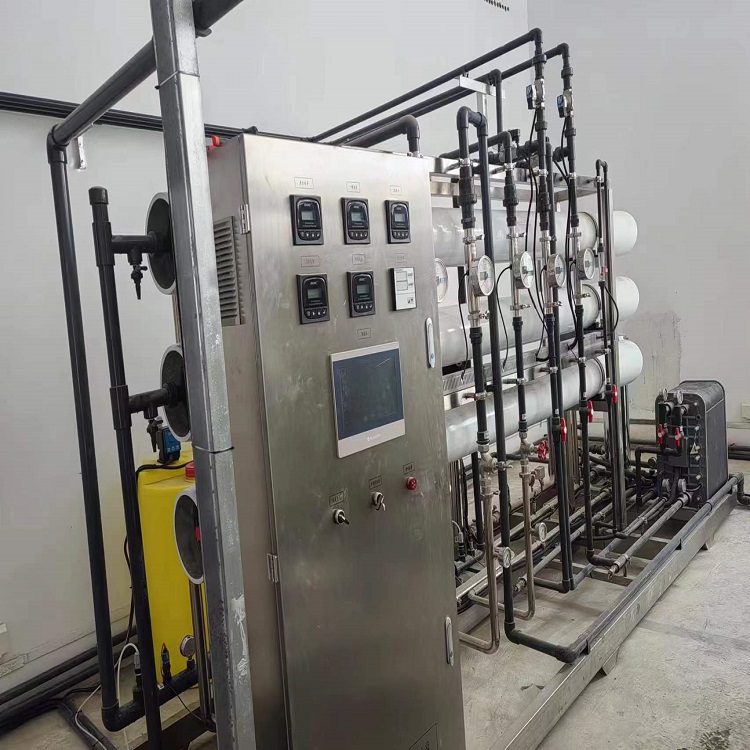
The purified water equipment operates with full automatic control, although manual control is also available, making operation and maintenance extremely convenient and significantly enhancing work efficiency. The equipment features an on/off password, pre-start flushing, low water level protection, automatic shutdown upon filling, generation and automatic recording of water quality data reports, online water quality monitoring, and the ability to print historical reports, ensuring the safe and stable operation of the equipment. The first and second stage reverse osmosis systems are equipped with recirculation pipes, and the reverse osmosis equipment is fitted with chemical cleaning and disinfection devices to ensure the water quality of the output.
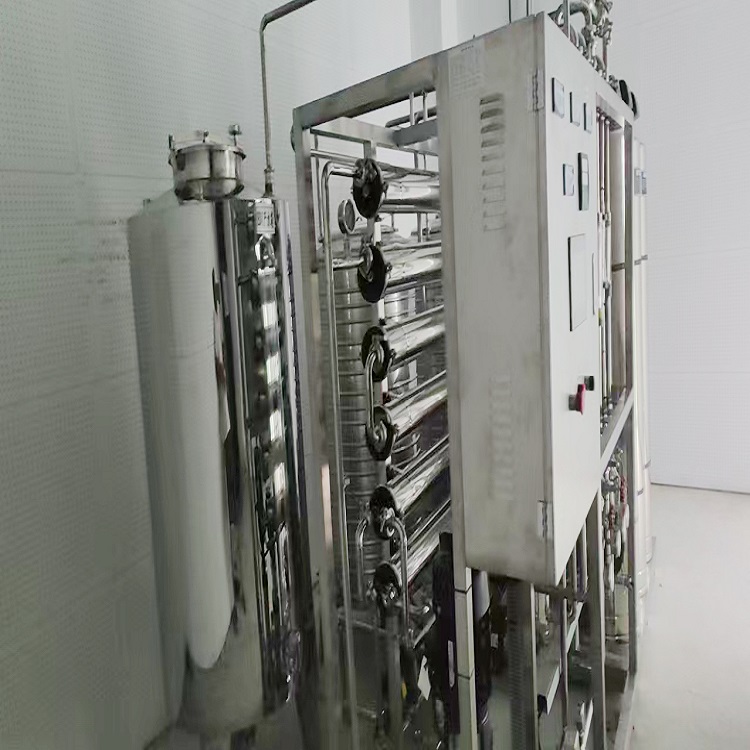
Main Functions of Each Component:
1. Water Tank: Storage function ensures stable operation of the system's water pressure and flow rate even during sudden water supply interruptions; sedimentation function facilitates the settling of suspended particles, colloids, and granules in tap water, aiding in further treatment by subsequent equipment.
2. Pumps: Provide power to equipment.
3. Pretreatment System: Multi-media filter, composed of several filtration layers with quartz sand of different particle sizes to remove suspended matter, colloids, and other microparticles from water; Softener filter to reduce the hardness of raw water and prevent scaling on the surface of reverse osmosis membranes, ultimately affecting their performance; Activated carbon filter to adsorb and remove colors, odors, organic matter, and residual chlorine from water, protecting the RO membrane from oxidation and ensuring water quality.
4. Security filter, removing particles ≥5μm from water to prevent ≥5μm particles from entering the RO system.
5. RO Membrane: Desalination function, the product water conductivity of the first-grade RO is ≤10μS/cm, and the product water conductivity of the second-grade RO is ≤2μS/cm.
6. EDI: Abbreviation for Continuous Electrodialysis, it achieves the purpose of deep desalination of water by directing the migration of ions in water under the action of an electric field, through the selective permeation of cations and anions by the ion exchange membrane and the ion exchange action of the ion exchange resin, resulting in a water conductivity of ≤0.1μS/cm.
7. UV Sterilizer: Eliminates free microorganisms in water, extending the disinfection cycle of the distribution system.
8. Ozone Sterilizer: Utilizes air or oxygen as raw materials to generate ozone through high-frequency, high-voltage discharge. At a certain concentration, it can quickly kill bacteria in the air and liquids. Leaves no toxic residues and does not cause secondary pollution, hailed as the "*cleanest oxidizing agent and disinfectant."
9. Polished Mixed Bed: Also known as a single-pass mixed bed, it is typically used at the end of the process to further enhance the water quality of the product water.
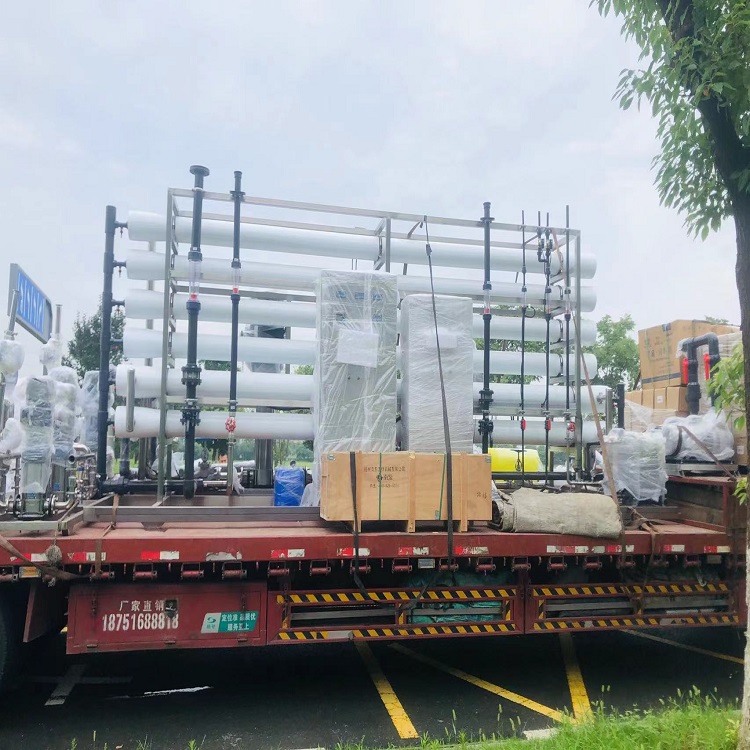
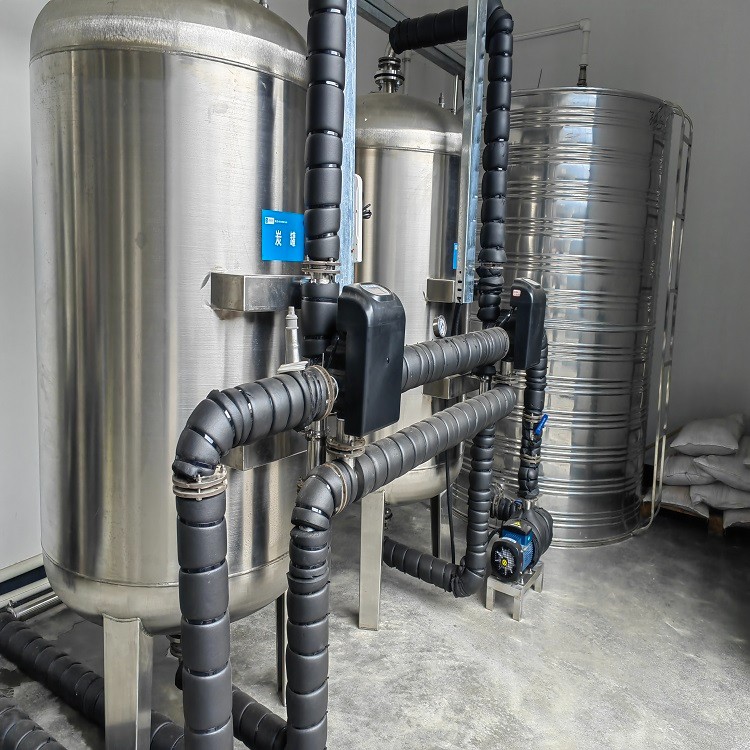
The Zhiyao Purified Water Equipment is designed for producing purified water in the pharmaceutical, medical device, and other industries. The unit is constructed entirely from stainless steel and employs advanced technologies such as pretreatment, RO, and EDI processes. The water quality meets the standards of Chinese, US, and European pharmacopoeias, and complies with GMP and FDA certification requirements.
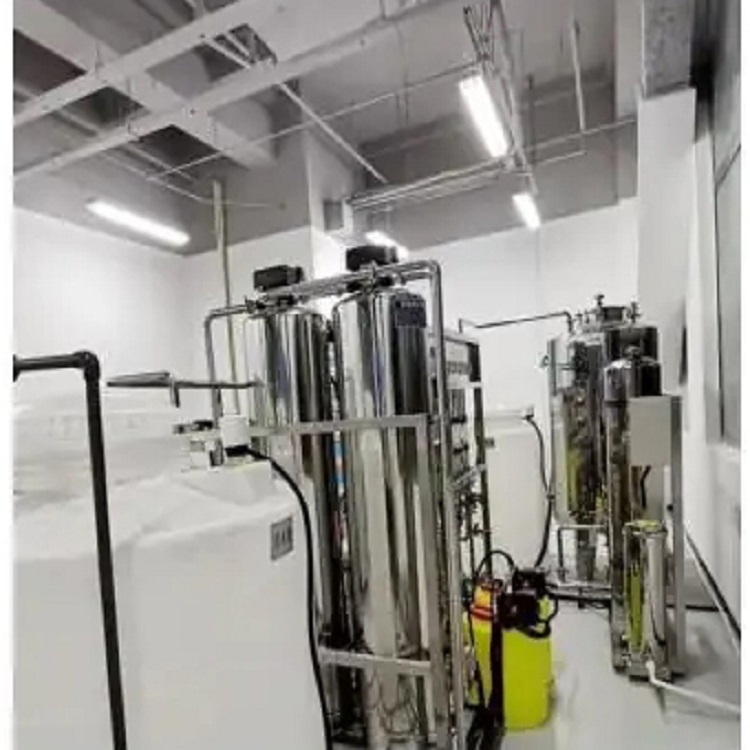
Proper and effective cleaning of pure water equipment is a crucial line of defense in ensuring the safety of the purified water produced. During the cleaning process, it is important to adhere to the following principles:
1. Clear washing instructions and cycle details provided.
2. Define the cleaning and verification methods for key equipment.
3. Record and retain data related to the cleaning process and post-cleaning inspection.
4. Sterilization of sterile equipment is mandatory, especially for parts and components in direct contact with pharmaceuticals, which must be sterilized and marked with the sterilization date. Microbiological verification may be required. Sterilized equipment should be used within three days.
5. Certain portable equipment can be moved to the cleaning area for washing, disinfection, and sterilization.
6. When the same equipment processes the same sterile product continuously, cleaning and sterilization are required between batches. For processing the same non-sterile product on the same equipment, cleaning should be performed after every third batch, either weekly or daily.
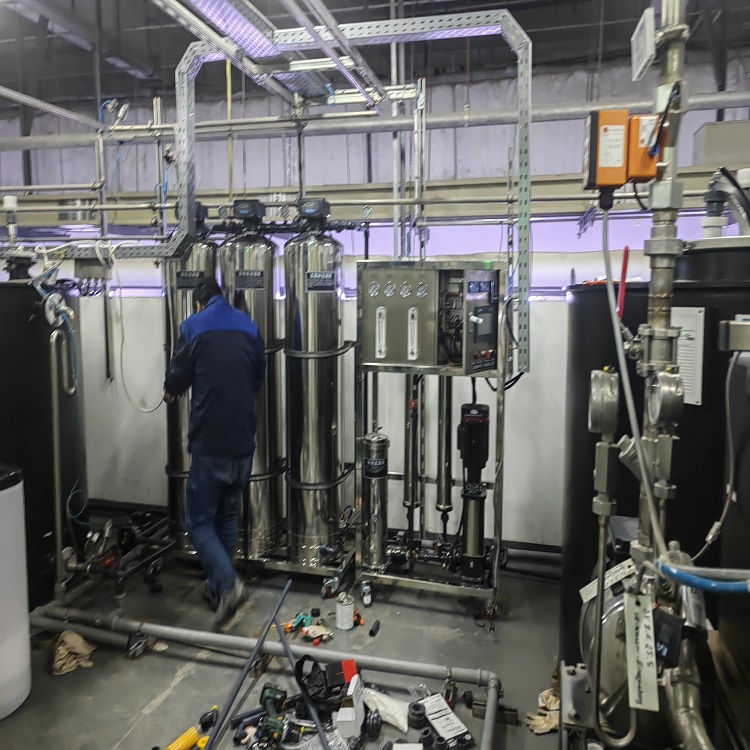
Pure Water Equipment Ultra-Pure Water Production System Stable Water Quality Meets GMP Approval Standards
Developing a comprehensive written procedure for equipment cleaning and maintenance can help us better implement the cleaning plan, which includes:
1. Person in charge and executor of cleaning and maintenance of equipment.
2. Cleaning and maintenance schedule.
3. Methods, required equipment and materials for cleaning, maintenance, and repair operations, including the disassembly and repair process records to ensure the effectiveness of the maintenance.
4. Methods to Prevent Contamination of Cleaned Equipment.
5. Policy of using equipment after checking the cleanliness.


