




- AllProduct Category
-
Lab Wastewater Treatment Equipment
Lab Wastewater Treatment Equipment
Ultra-Pure Water Equipment
Membrane Separation Equipment
Pure Water Equipment
Low-Temperature Evaporator
Ultra-Pure Water System
Integrated Wastewater Treatment Equipment
Reverse Osmosis Equipment
Pure Water Equipment
Ceramic Membrane Equipment



Recommended Products
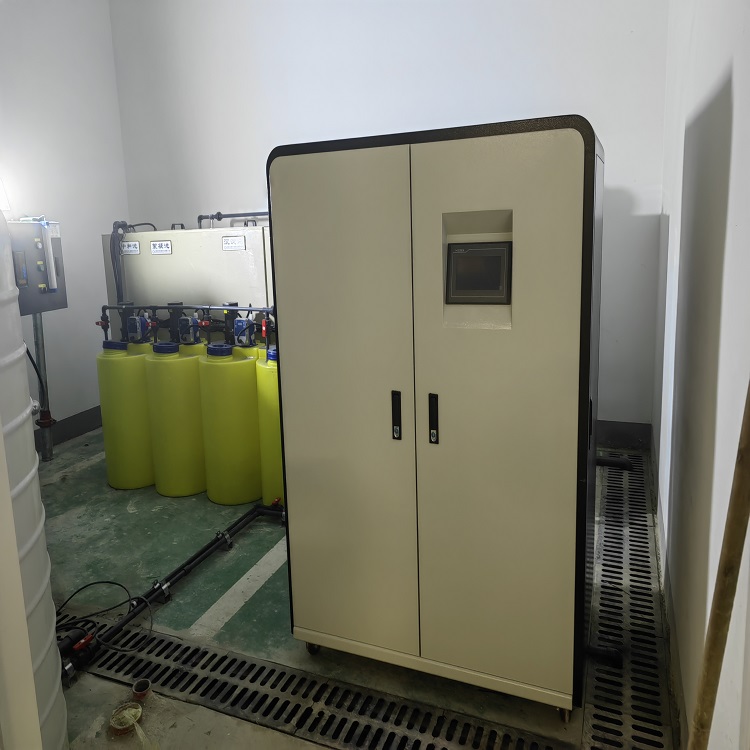
Quan Kun - Comprehensive Laboratory Waste Water Treatment Equipment - Remote Monitoring - Automated Control
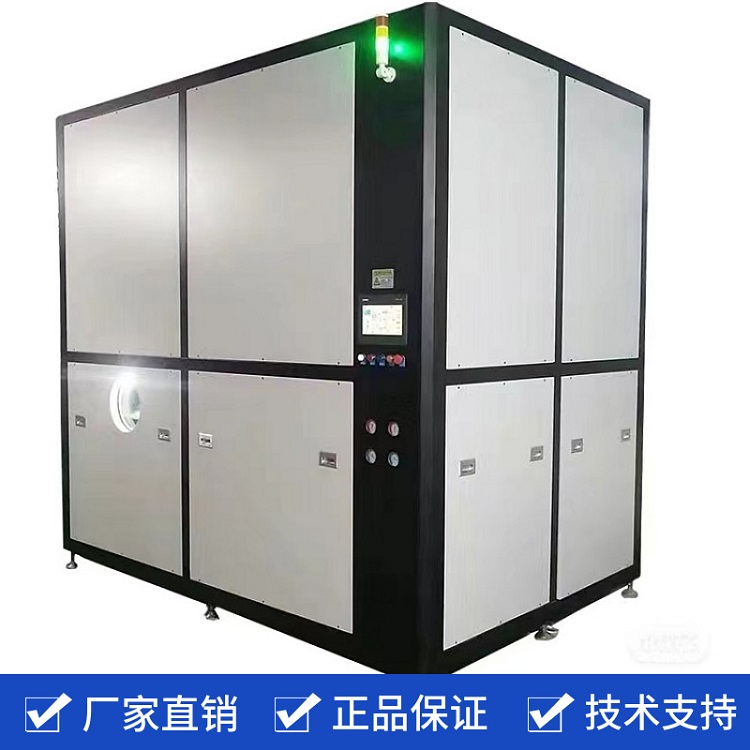
Sodium Chloride Wastewater Low-Temperature Evaporator - Intelligent Automatic - Quankun - Integrated Design
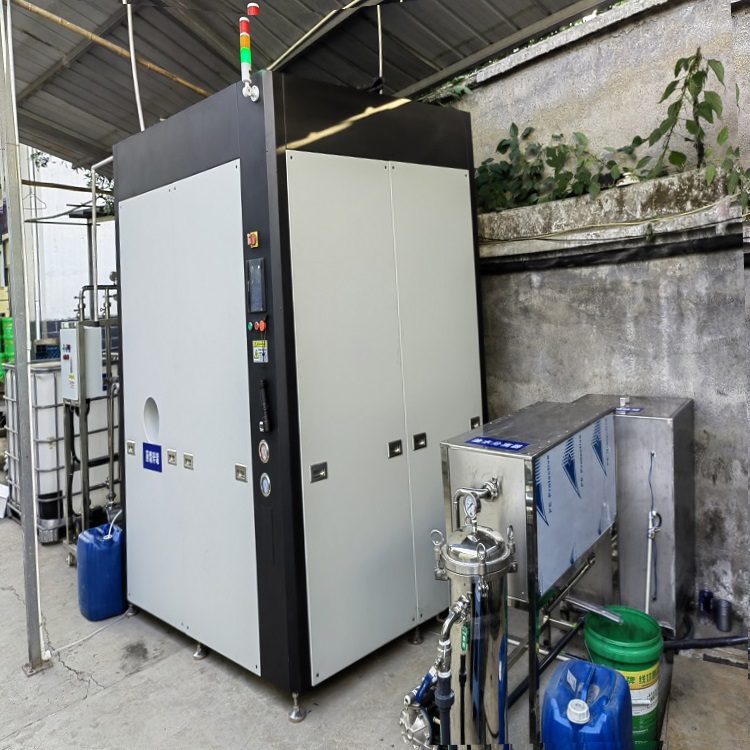
High-Concentration Oil Emulsion Waste Water Treatment Equipment - Quankun - Evaporator Unit - High Concentration Ratio
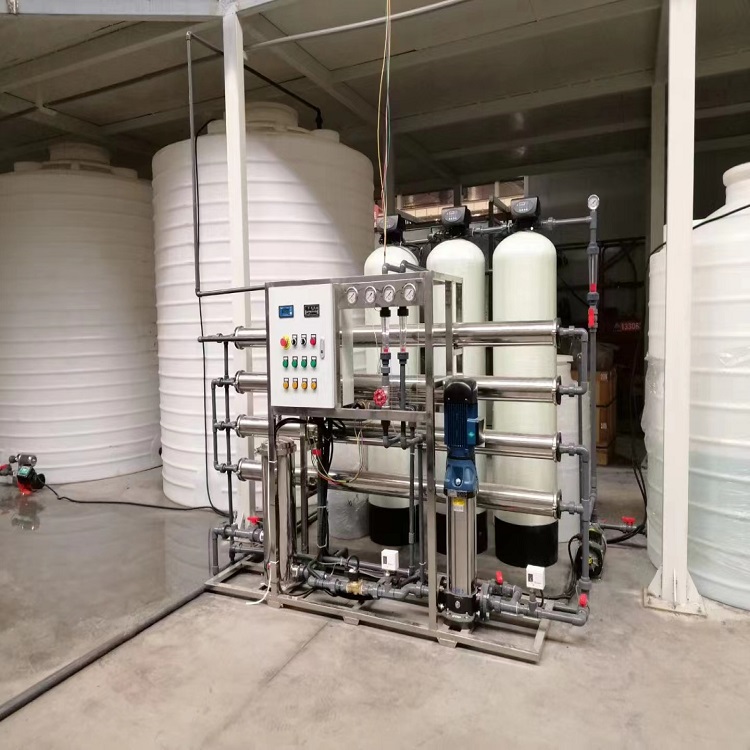
Industrial Pure Water Equipment EDI Ultra-Pure Water System Fully Automatic Control Quankun Environmental Protection
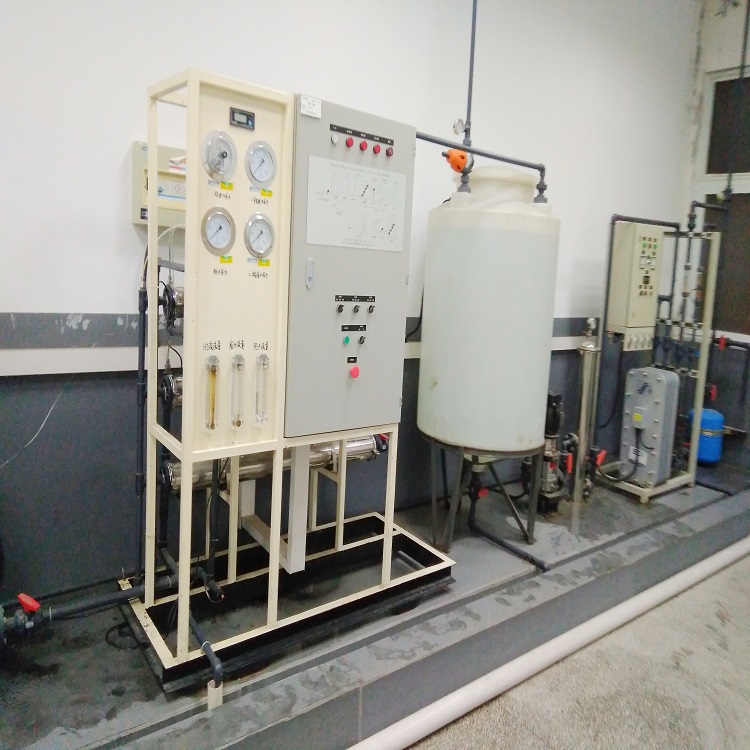
Shenzhen Industrial Ultra-Pure Water Equipment, equipped with EDI system, features low energy consumption and high degree of automation.
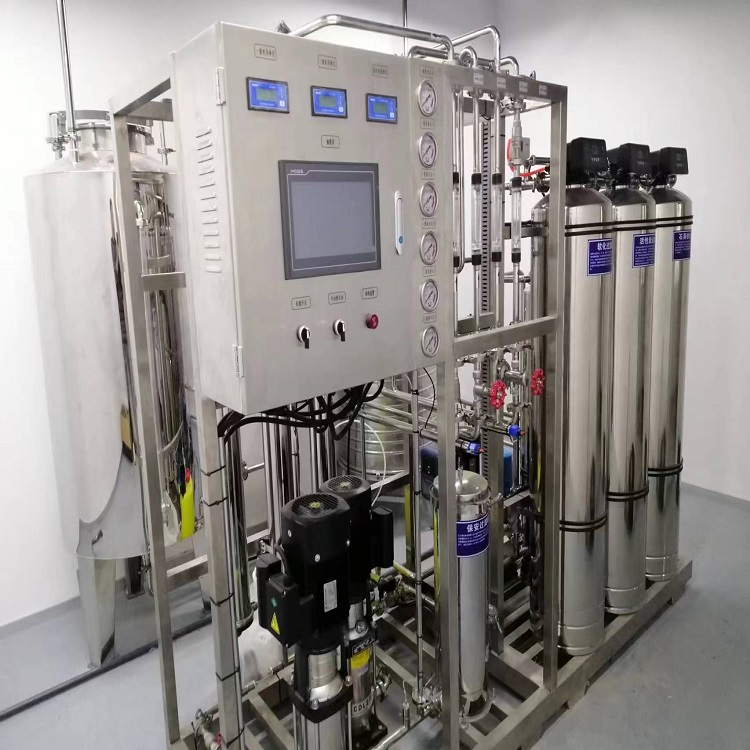
Shanghai industrial pure water production equipment reverse osmosis filtration system with high yield and customizable options, Quankun brand.
详情描述
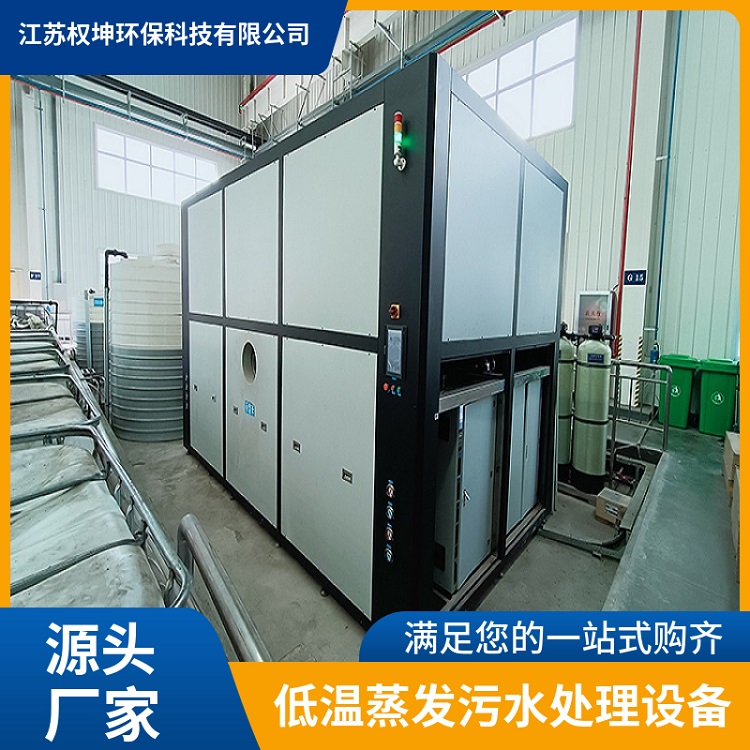
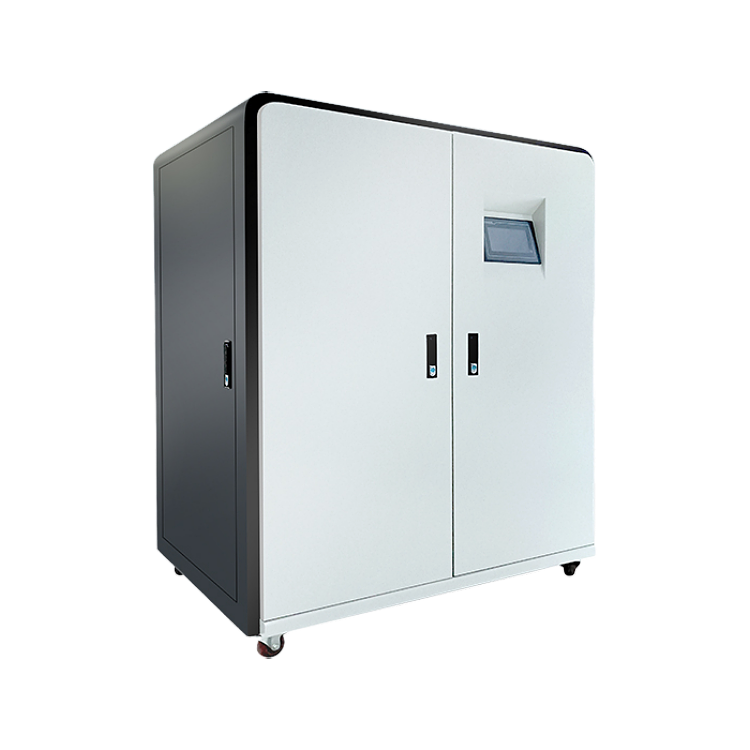
Low-Temperature Evaporation Waste Water Treatment Equipment - Quankun - Long Service Life - Waste Water Reuse Equipment
Laboratory wastewater treatment equipment, with its high efficiency, intelligence, and environmental-friendly features, has become a popular choice among many laboratories. Its versatility is extensive, capable of treating various types of laboratory wastewater, whether organic, inorganic, or biological, through multi-stage treatment to purification, meeting discharge standards. This characteristic is attributed to the advanced technologies used within the equipment, such as contact oxidation, biochemical treatment, sedimentation, and disinfection, which work in collaboration to ensure optimal treatment outcomes.
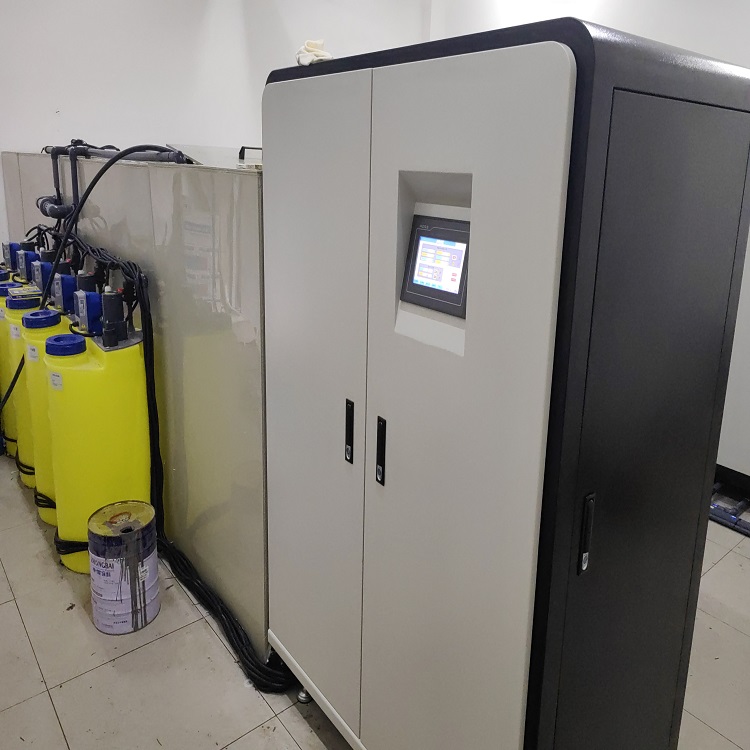
Based on different treatment processes, the factory laboratory wastewater treatment equipment can be divided into the following categories:
1. Primarily includes grates, regulating basins, and sedimentation tanks, used for removing suspended solids and some dissolved solids from wastewater.
2. Such as neutralization ponds, coagulation-sedimentation basins, and redox reactors, which remove specific pollutants from wastewater through chemical reactions.
3. Includes activated sludge reactors, biofilm reactors, anaerobic digestion ponds, etc., utilizing the metabolic action of microorganisms to degrade organic matter.
4. Ultrafiltration, nanofiltration, and reverse osmosis membrane separation technologies, used for removing fine particles, dissolved solids, microorganisms, etc., from wastewater, achieving deep purification of the wastewater.
5. Combine the aforementioned various treatment processes to form a comprehensive wastewater treatment system, catering to the complex and variable qualities of wastewater.
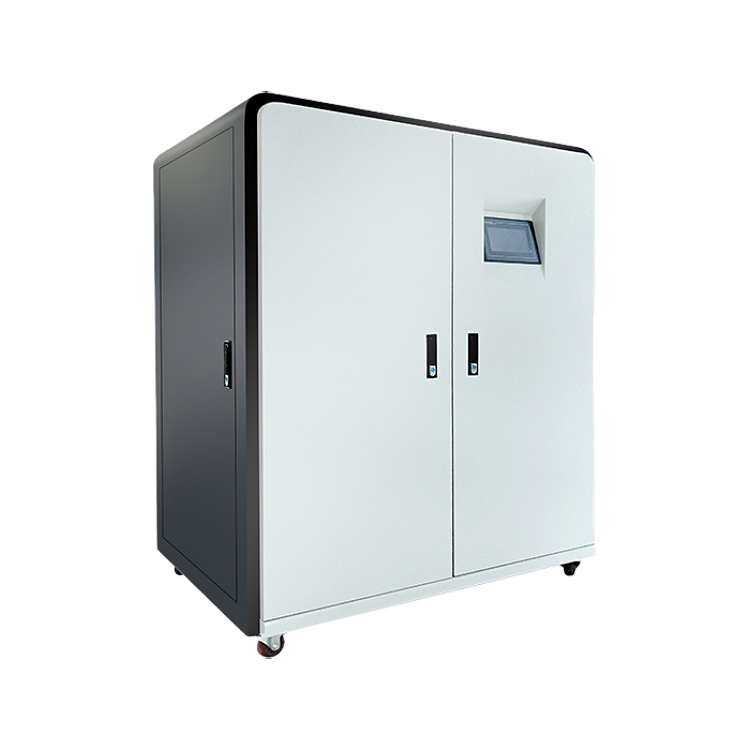
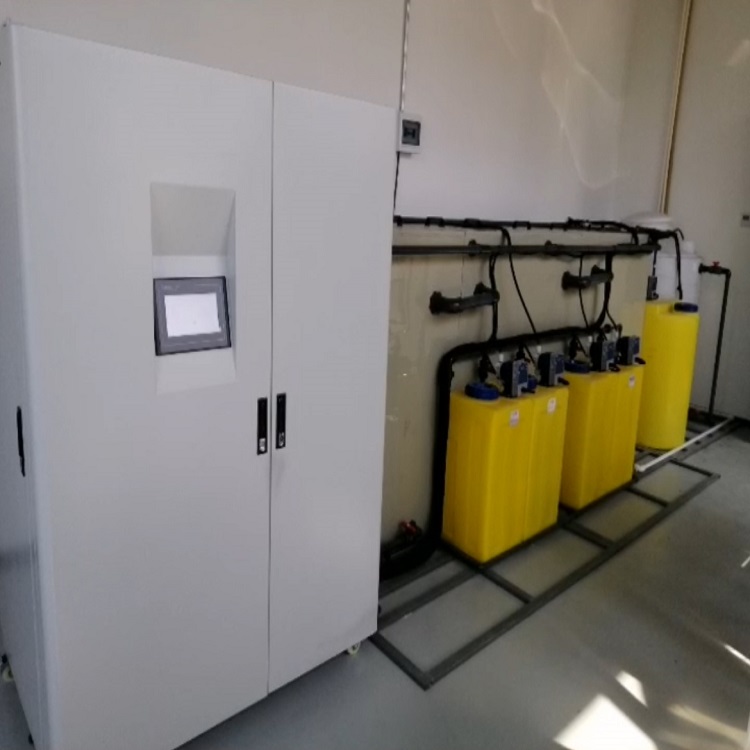
In the process flow, the quality inspection laboratory's wastewater treatment equipment follows strict procedures. Initially, wastewater is collected and centralized in a sewage collection pond, then it's adjusted for water quality in a sewage regulation pond to ensure smooth subsequent treatment. Next, the wastewater is passed through a grille to remove large particles, then it flows through a cover into the contact oxidation pond where organic matter is degraded under the action of aerobic microorganisms. Subsequently, the wastewater enters the biochemical pond for further biological treatment, removing pollutants such as ammonia nitrogen. In the sedimentation pond, suspended solids in the wastewater are settled and removed, followed by sterilization and disinfection treatment through a disinfection device to ensure the stability and compliance of the effluent water quality.
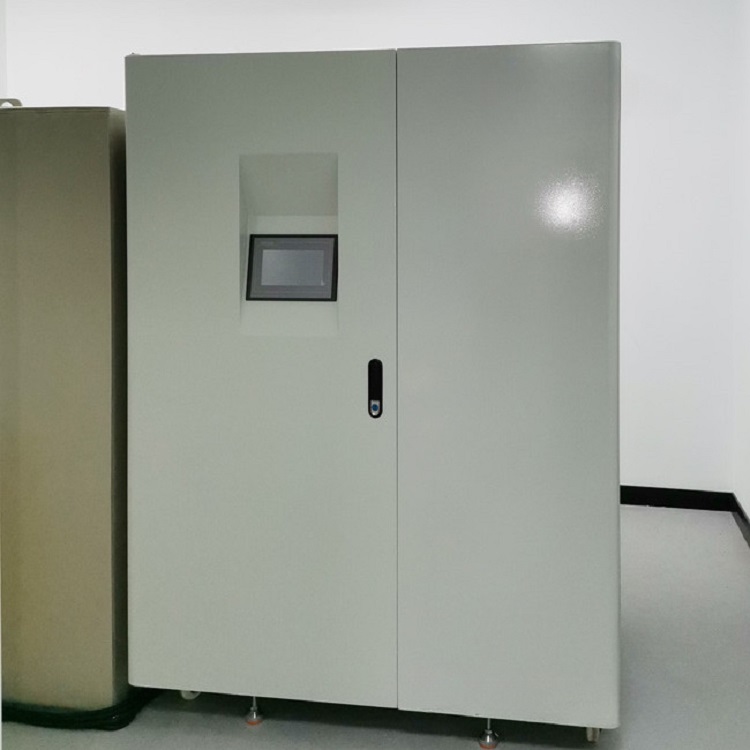
In addition to its excellent performance features, the wastewater treatment equipment from the quality inspection laboratory also demonstrates wide applicability in practice. It plays a crucial role in various fields such as universities, medical institutions, biopharmaceuticals, research institutions, disease control centers, environmental supervision, product quality inspection, drug testing, blood stations, animal husbandry, hospitals, and enterprises. The equipment not only handles large volumes of wastewater quickly but also adapts to different types of wastewater treatment needs, providing a strong guarantee for the environmental protection efforts in laboratories.
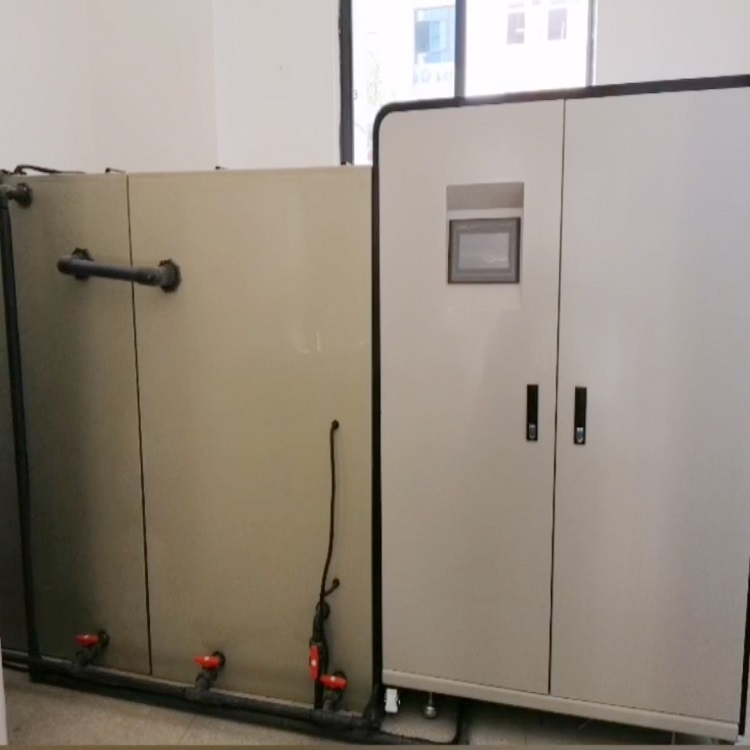
Low-temperature Evaporation Waste Water Treatment Equipment - Quankun - Long Service Life - Waste Water Reuse Equipment
During the laboratory wastewater treatment process, in addition to selecting professional wastewater treatment equipment, it is necessary to enhance the management and monitoring of laboratory wastewater. Laboratory staff should raise their environmental awareness, pay attention to the classification and storage of wastewater, and avoid mixing hazardous and non-hazardous wastewater for discharge. At the same time, regular inspections and maintenance of the wastewater treatment equipment should be conducted to ensure its proper operation and treatment effectiveness.


