



- AllProduct Category
-
Lab Wastewater Treatment Equipment
Lab Wastewater Treatment Equipment
Ultra-Pure Water Equipment
Membrane Separation Equipment
Pure Water Equipment
Low-Temperature Evaporator
Ultra-Pure Water System
Integrated Wastewater Treatment Equipment
Reverse Osmosis Equipment
Pure Water Equipment
Ceramic Membrane Equipment



Recommended Products
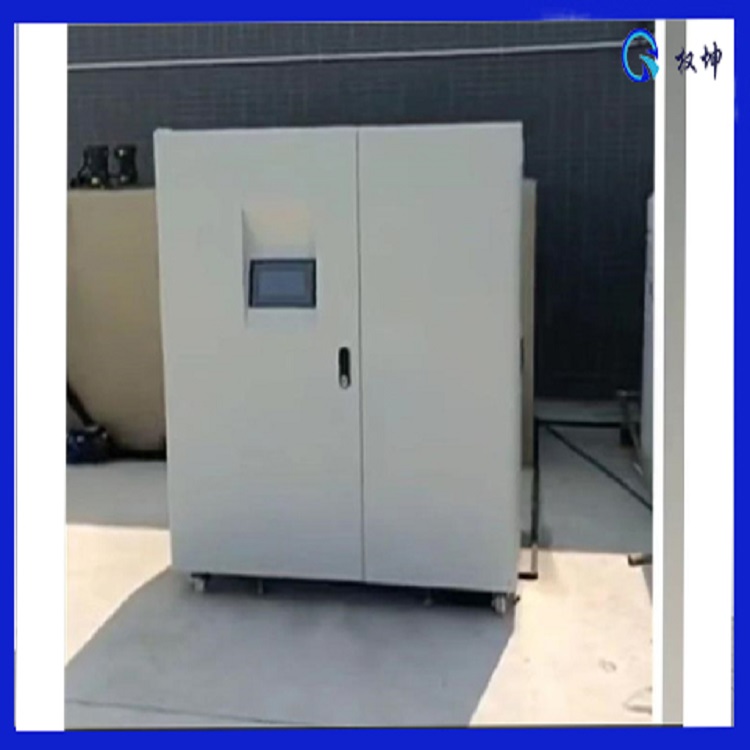
Quan Kun - Comprehensive Laboratory Waste Water Treatment Equipment - Remote Monitoring - Automated Control
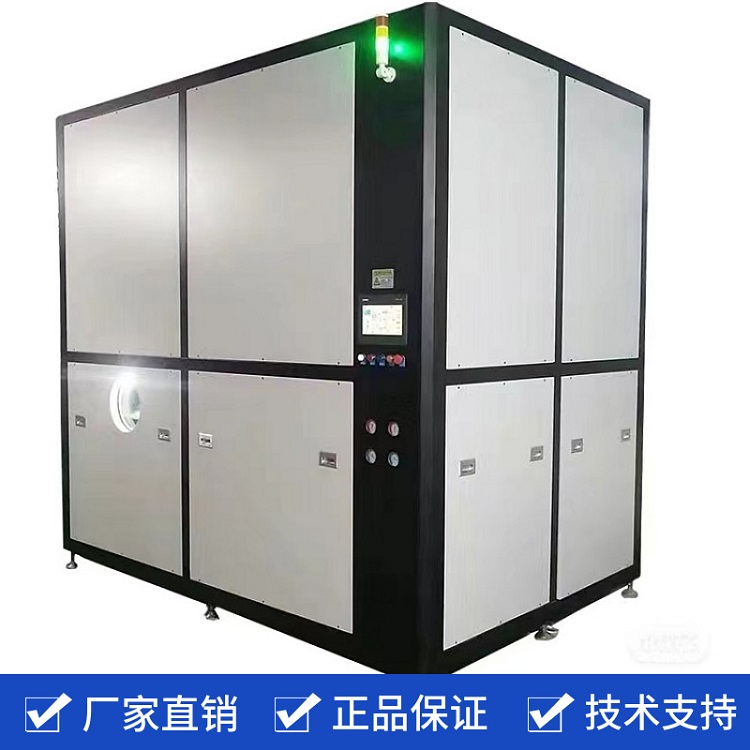
Sodium Chloride Wastewater Low-Temperature Evaporator - Intelligent Automatic - Quankun - Integrated Design
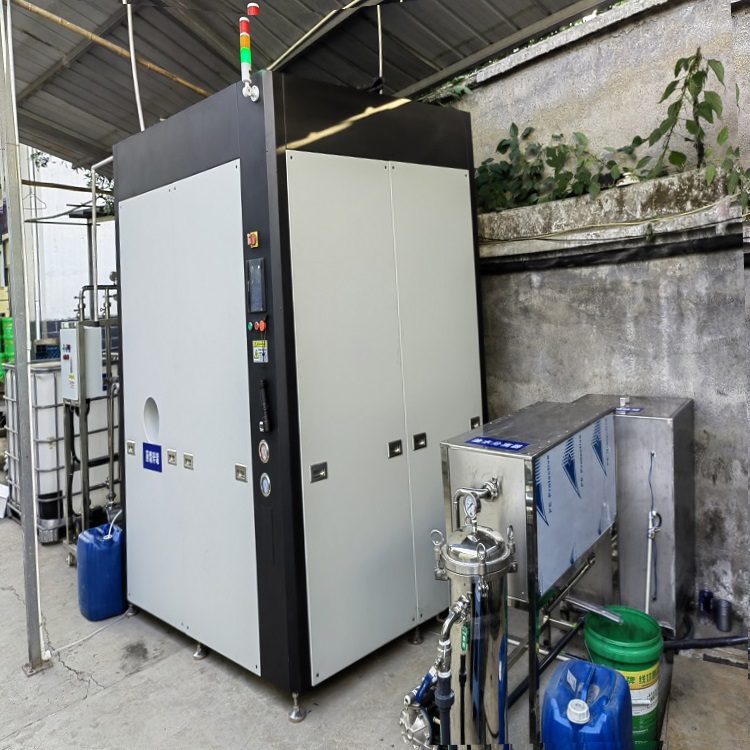
High-Concentration Oil Emulsion Waste Water Treatment Equipment - Quankun - Evaporator Unit - High Concentration Ratio
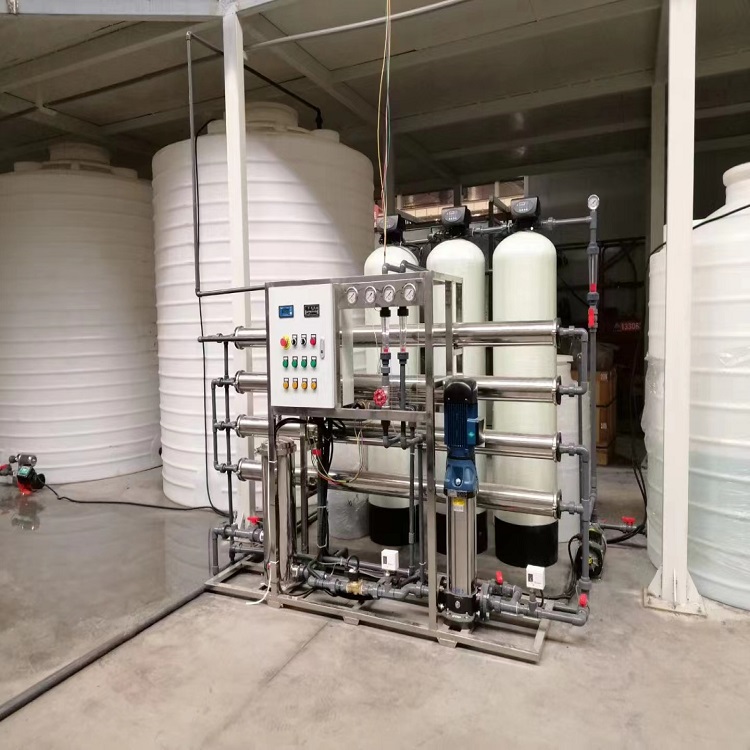
Industrial Pure Water Equipment EDI Ultra-Pure Water System Fully Automatic Control Quankun Environmental Protection
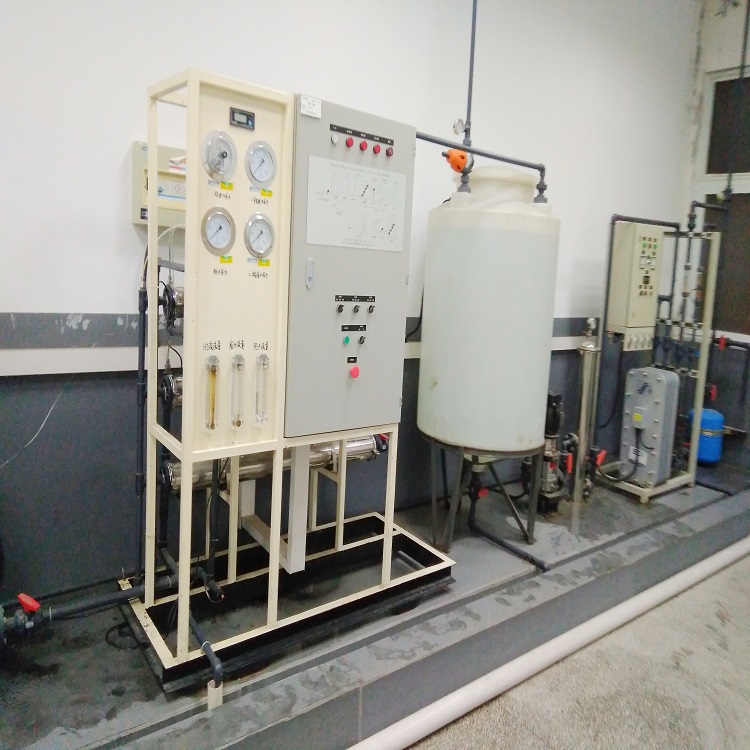
Shenzhen Industrial Ultra-Pure Water Equipment, equipped with EDI system, features low energy consumption and high degree of automation.
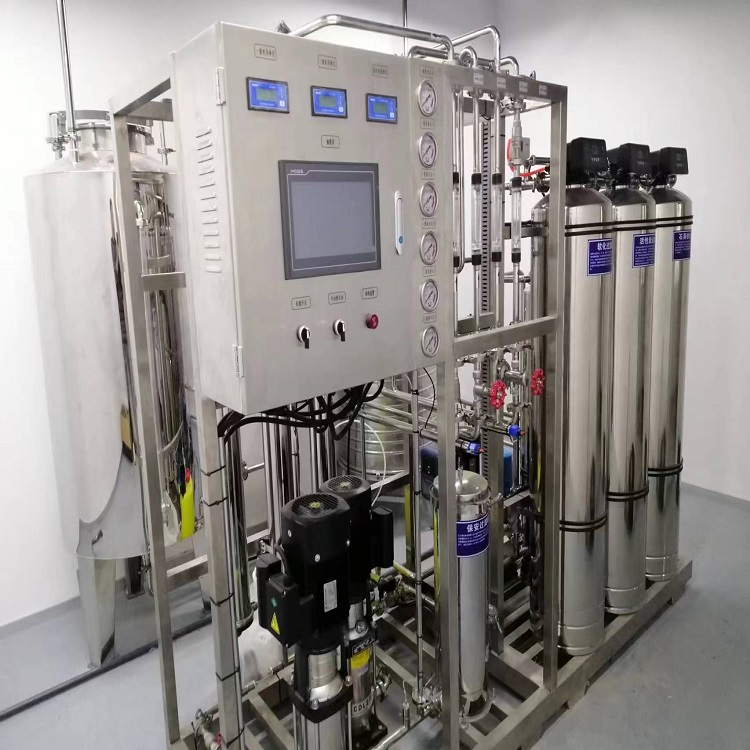
Shanghai industrial pure water production equipment reverse osmosis filtration system with high yield and customizable options, Quankun brand.
详情描述
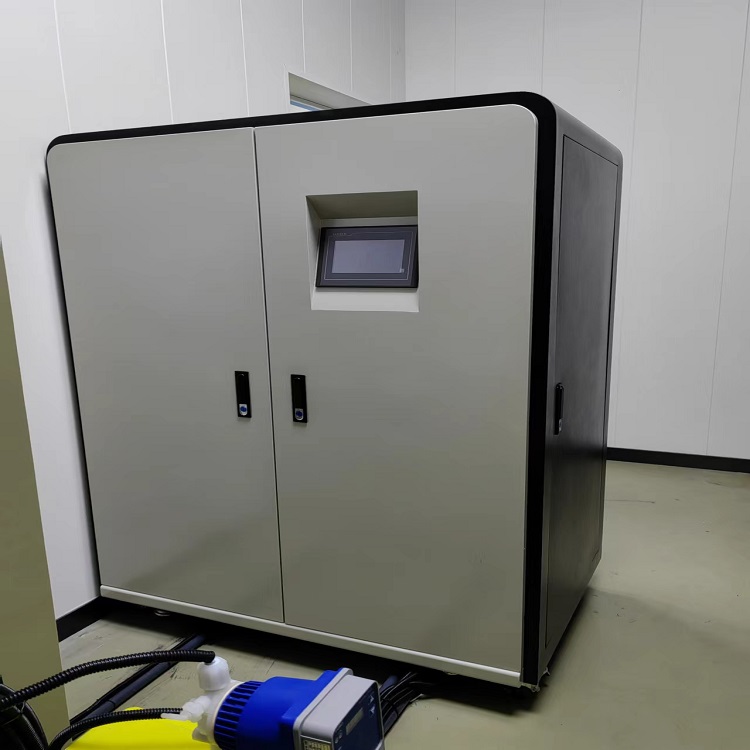
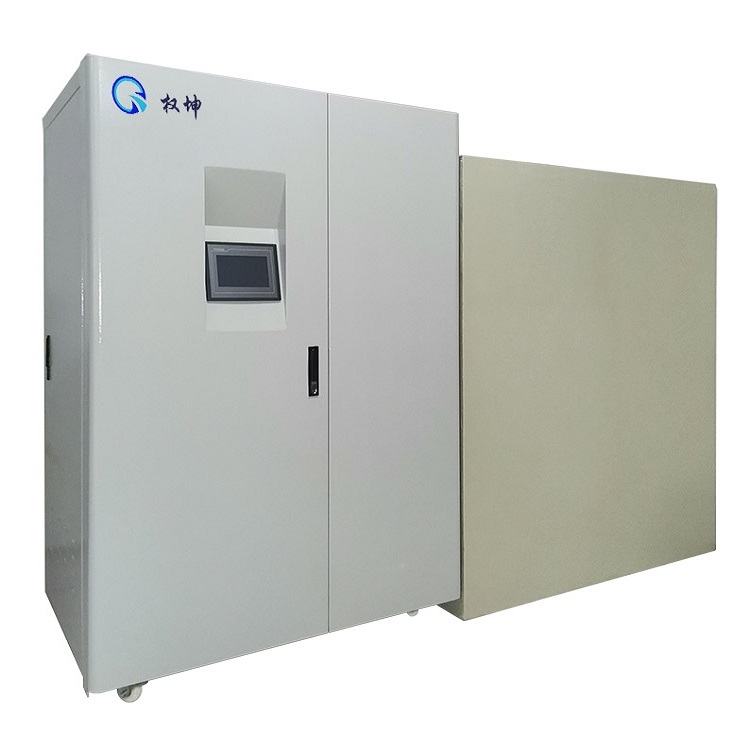
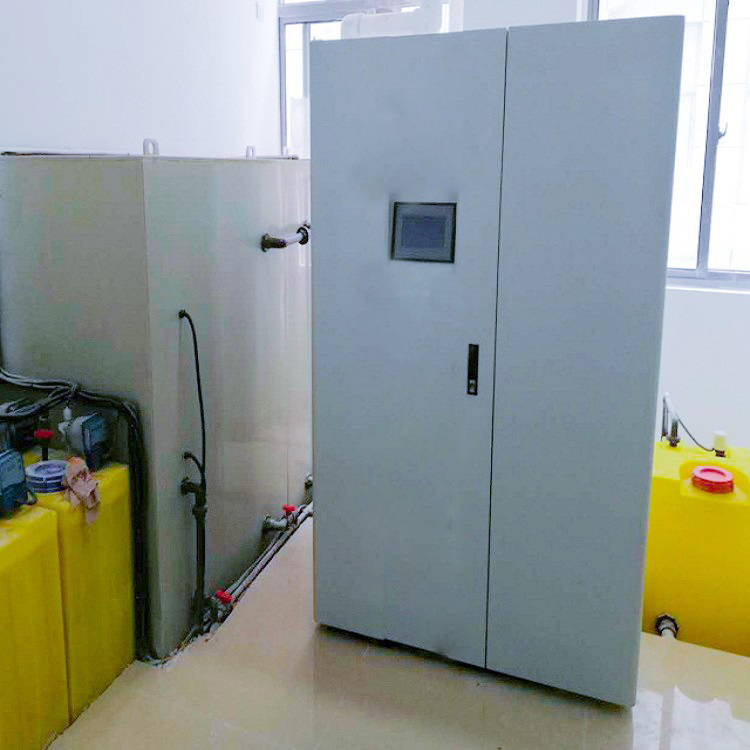
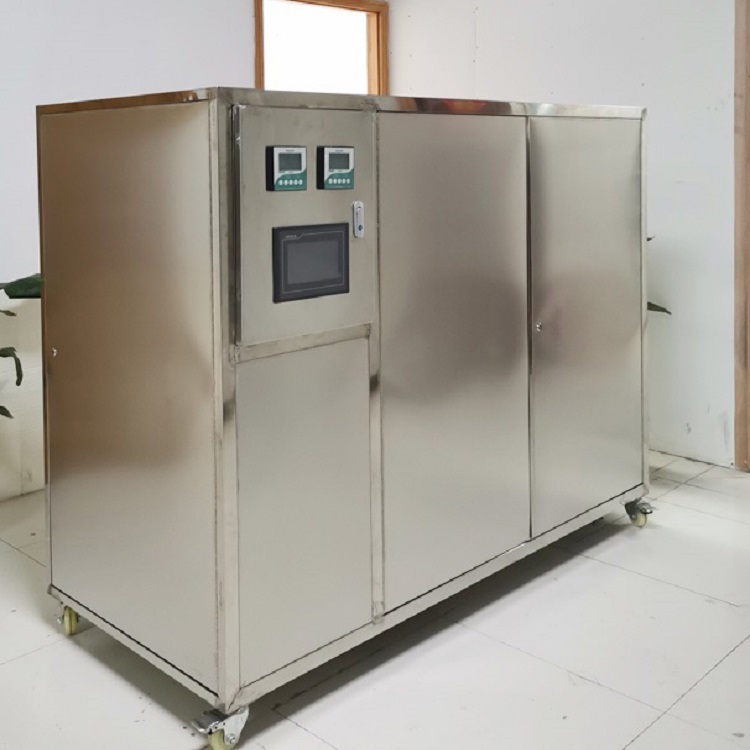
Automatic Integrated Machine, Carbon Steel Laboratory Wastewater Treatment Equipment, Full Qualifications, Compliance with Emission Standards
The generation of laboratory wastewater primarily stems from chemical experiments and scientific research in universities. The uncertainty, variability, and complexity of laboratory wastewater are its inherent characteristics. Laboratory wastewater is categorized into high and low concentration types. High concentration wastewater mainly includes unlabeled effervescent reagents after label peeling, expired liquid reagents, by-products and by-products from scientific research and experiments, washwater from highly toxic drug experiments, and it poses a severe environmental pollution threat, warranting sufficient attention. Low concentration wastewater primarily consists of washwater from chemical laboratory utensils, general acid, alkali, and salt reaction products, low-toxic chemical waste solutions, and experimental water.
Features:
1. Wide applicability, adaptable to wastewater treatment in various laboratories.
2. Utilize advanced multi-stage treatment technology to purify wastewater, meeting discharge standards.
3. Centralized control, high degree of automation, simple operation, fully automatic operation, no need for dedicated on-site staff.
4. Automatic leak and electric shock protection, high/low voltage automatic protection, no wastewater protection, and liquid storage tank level protection.
5. Dynamic operation with digital LCD display of water quality parameters.
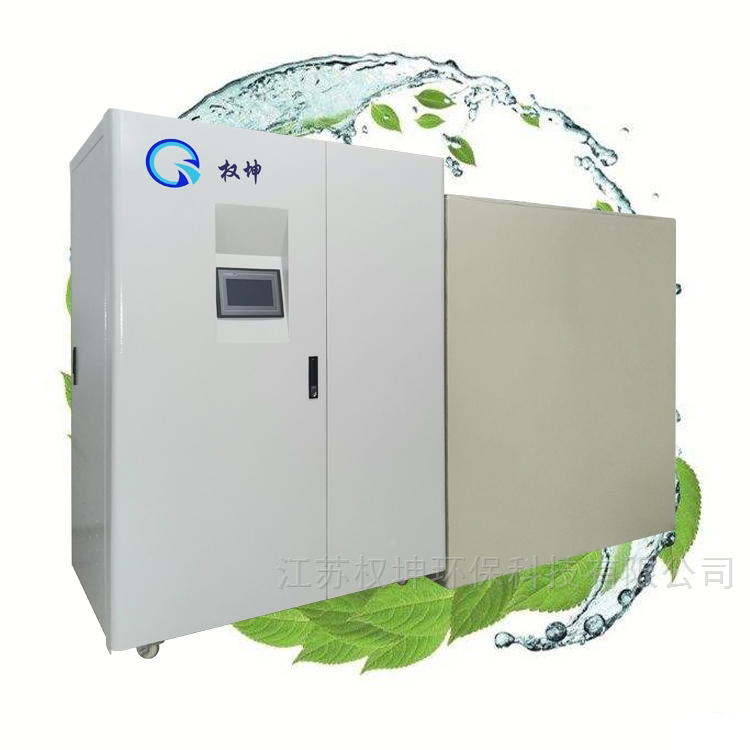
6. "One-stop" integrated design, aesthetically pleasing, compact in space, fast processing speed, low operation cost, easy installation and relocation, high processing capacity, excellent processing effect, low energy consumption, acid and alkali resistance, low noise, multiple safety protections, no leaks, environmentally friendly, truly achieving engineering equipmentization. No need for multiple treatment ponds, no secondary pollution such as waste residue, waste gas, and wastewater.

Laboratory wastewater contains acids, bases, organic pollutants, heavy metal ions, and pathogenic microorganisms, with a wide range of pH changes and high COD concentration. It is mainly categorized into three major types:
1. Organic wastewater: Main sources include laboratory reagents and solvents.
2. Inorganic Wastewater: Main sources include acidic and alkaline reagents, heavy metal reagents.
3. Biological Pathogenic Wastewater: Main sources include microbial culture, blood biochemical experiments, blood stations, disease control centers, etc.
In the lab, concentrated salt solutions often generate large amounts of saline wastewater. This wastewater contains high concentrations of salt solutes, which can cause severe pollution if discharged into the environment. To efficiently treat this wastewater and recycle the salt resources, the lab requires high-concentration salt delayed crystallization equipment.
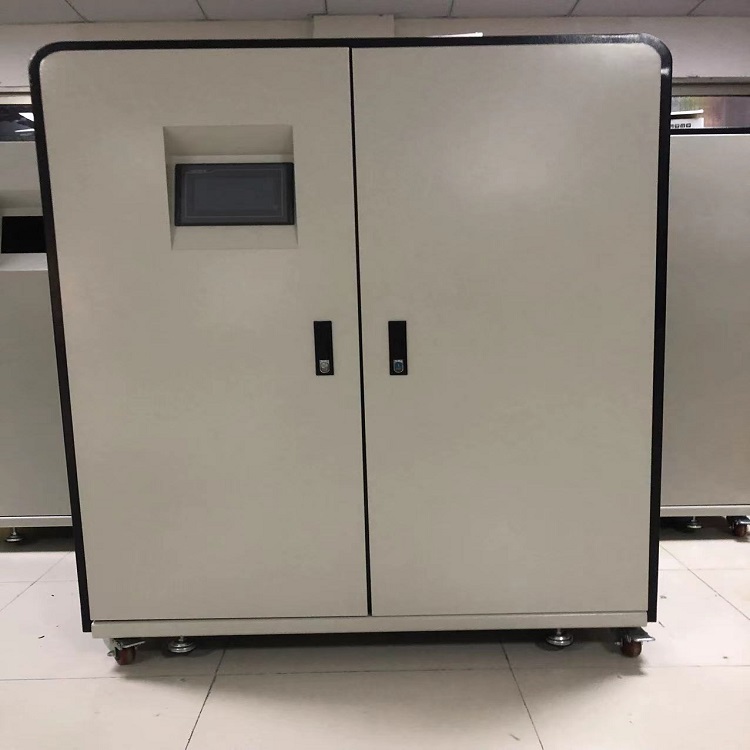
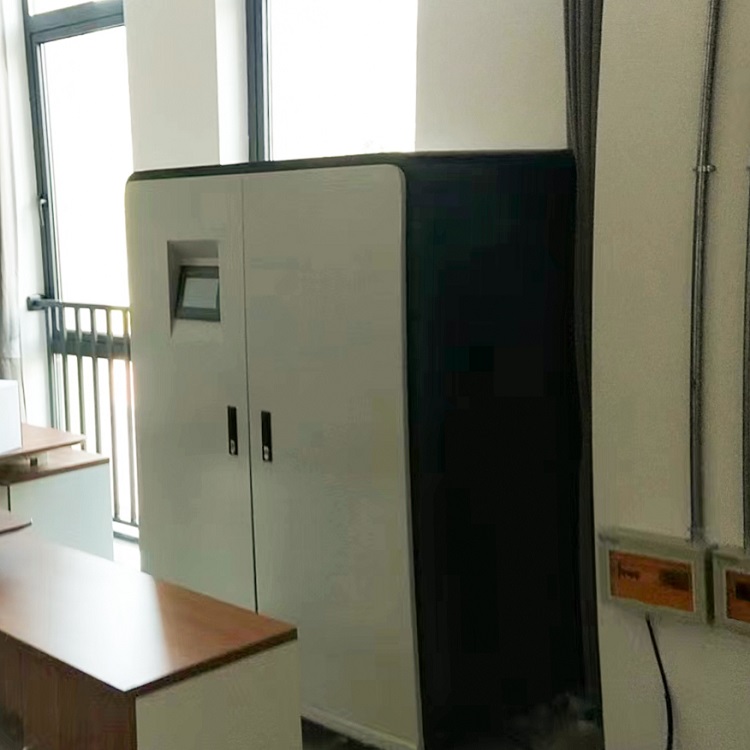
Automatic integrated machine, carbon steel, laboratory wastewater treatment equipment, full qualifications, compliant emissions
High-concentration salt delayed crystallization equipment crystallizes salts from wastewater containing solutes through a process of heating and cooling. Initially, the temperature of the wastewater is raised through the heating process to accelerate the dissolution of the salt solutes. Subsequently, the cooling process is employed to decrease the solubility of the wastewater, facilitating the crystallization of the solutes. The crystallized salt solids are then separated and recovered through filtration and other processes.
This equipment features the following: Firstly, it efficiently processes high-concentration saline wastewater, enabling the recovery and reuse of saline resources from the wastewater. Secondly, it is easy to operate with no need for complex equipment or procedures. The compact size and structure make it suitable for laboratory use.


