



- AllProduct Category
-
Lab Wastewater Treatment Equipment
Lab Wastewater Treatment Equipment
Ultra-Pure Water Equipment
Membrane Separation Equipment
Pure Water Equipment
Low-Temperature Evaporator
Ultra-Pure Water System
Integrated Wastewater Treatment Equipment
Reverse Osmosis Equipment
Pure Water Equipment
Ceramic Membrane Equipment



Recommended Products
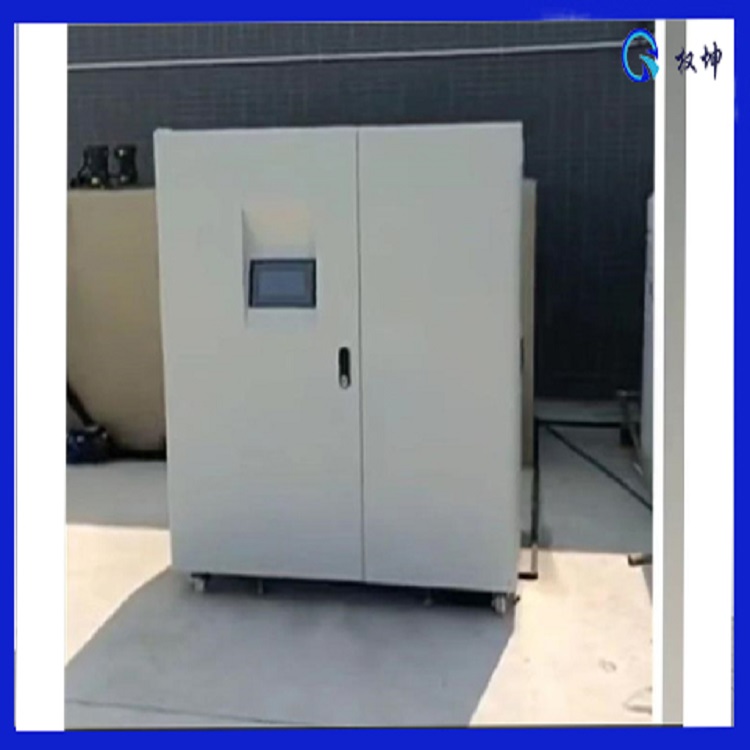
Quan Kun - Comprehensive Laboratory Waste Water Treatment Equipment - Remote Monitoring - Automated Control
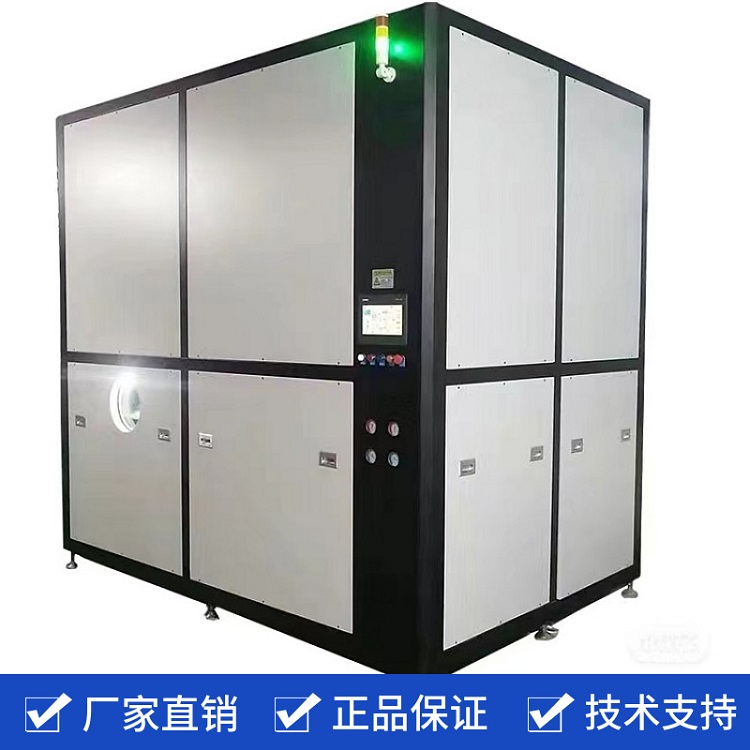
Sodium Chloride Wastewater Low-Temperature Evaporator - Intelligent Automatic - Quankun - Integrated Design
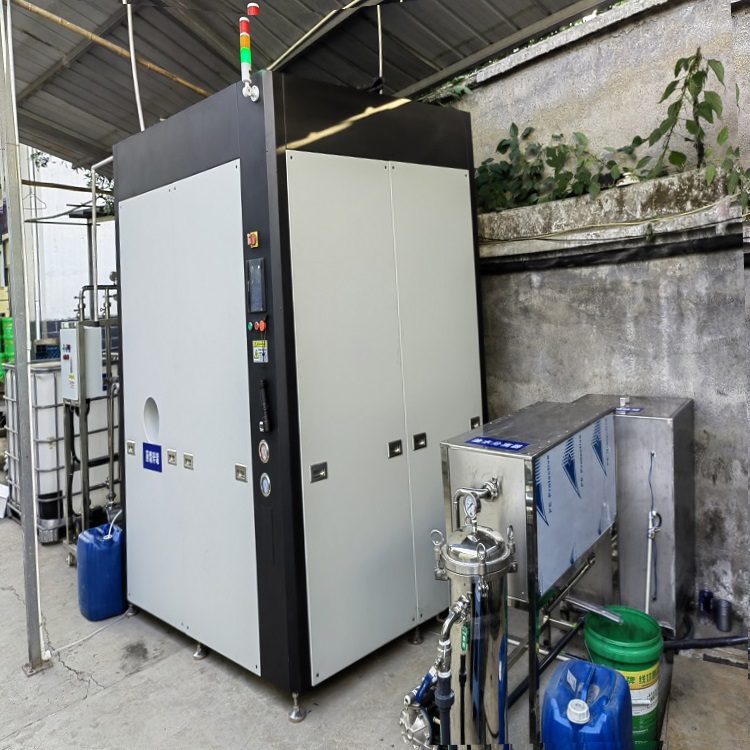
High-Concentration Oil Emulsion Waste Water Treatment Equipment - Quankun - Evaporator Unit - High Concentration Ratio
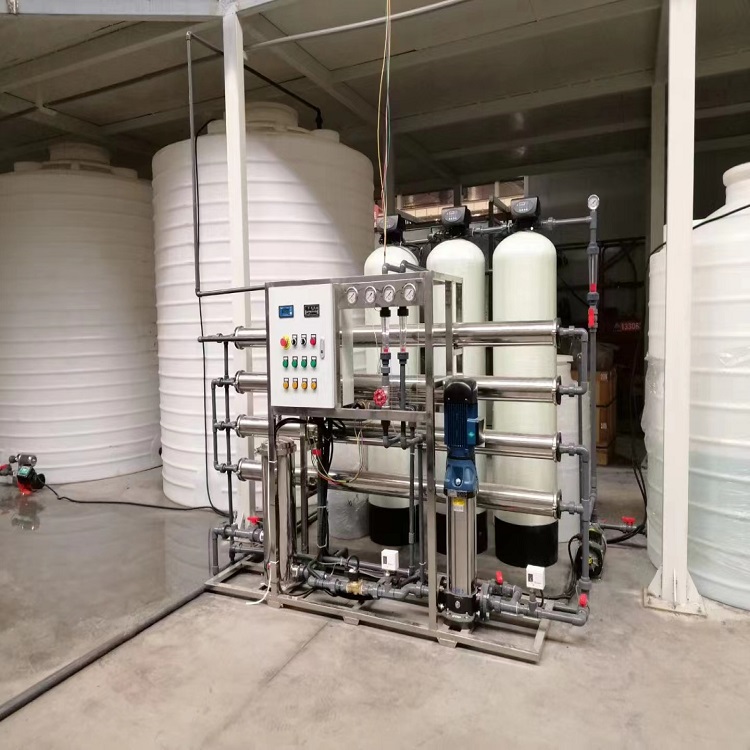
Industrial Pure Water Equipment EDI Ultra-Pure Water System Fully Automatic Control Quankun Environmental Protection
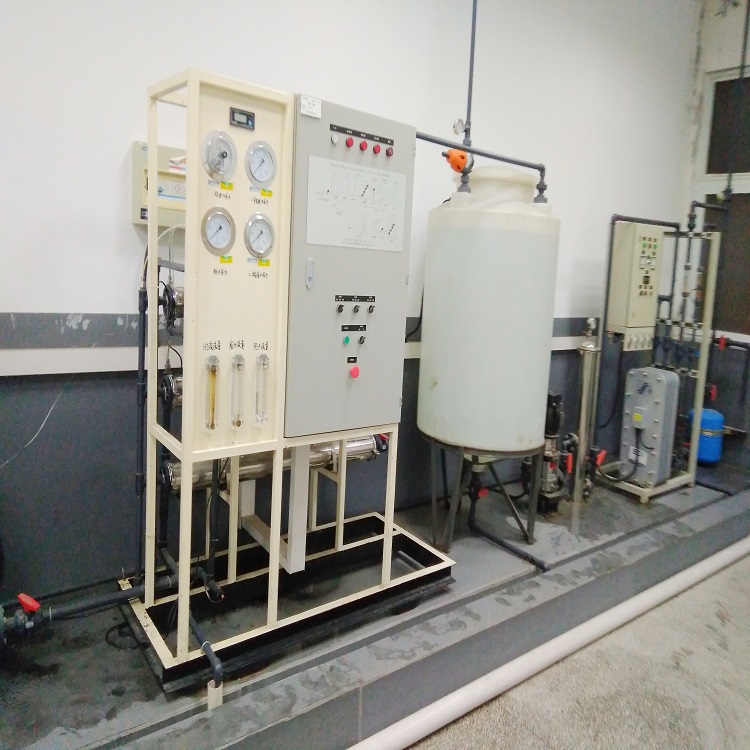
Shenzhen Industrial Ultra-Pure Water Equipment, equipped with EDI system, features low energy consumption and high degree of automation.
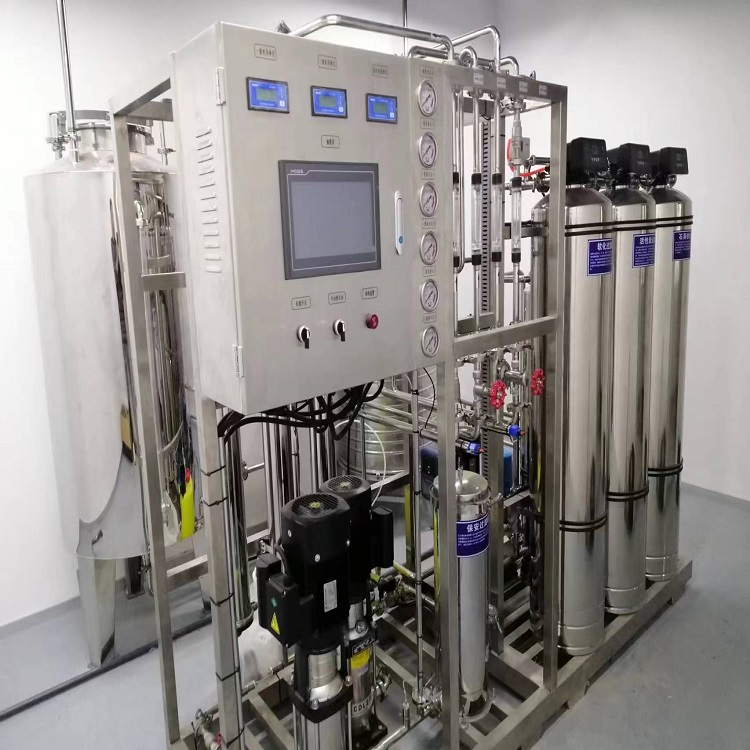
Shanghai industrial pure water production equipment reverse osmosis filtration system with high yield and customizable options, Quankun brand.
详情描述
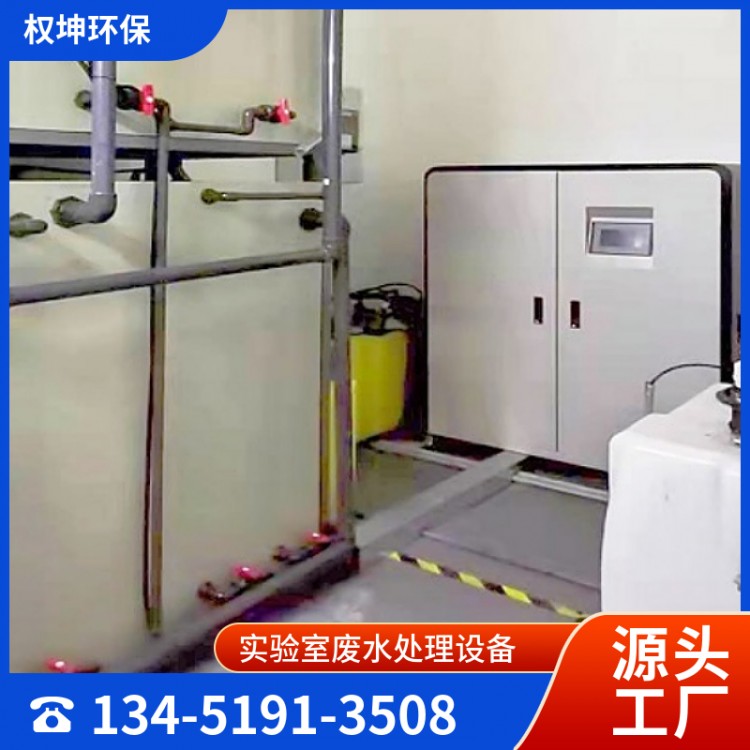
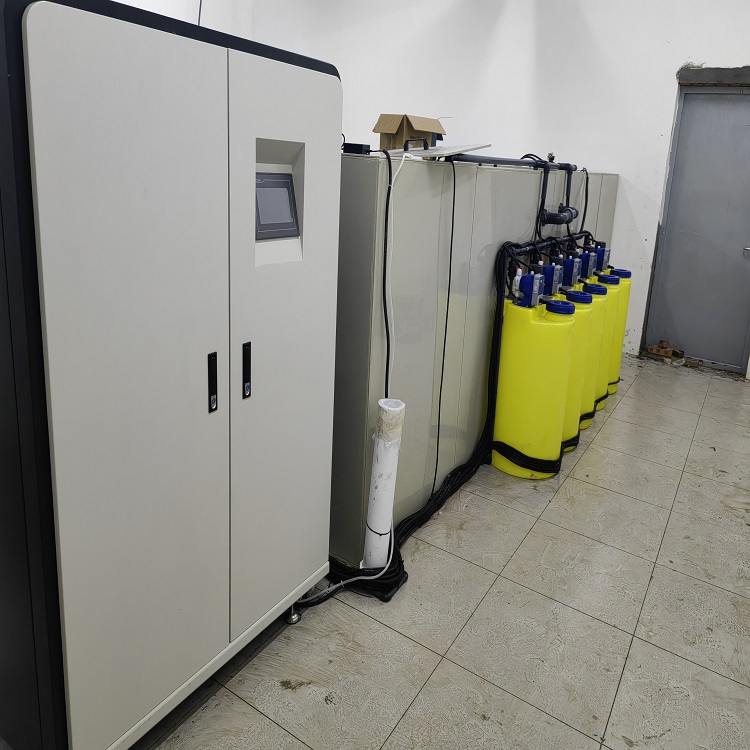
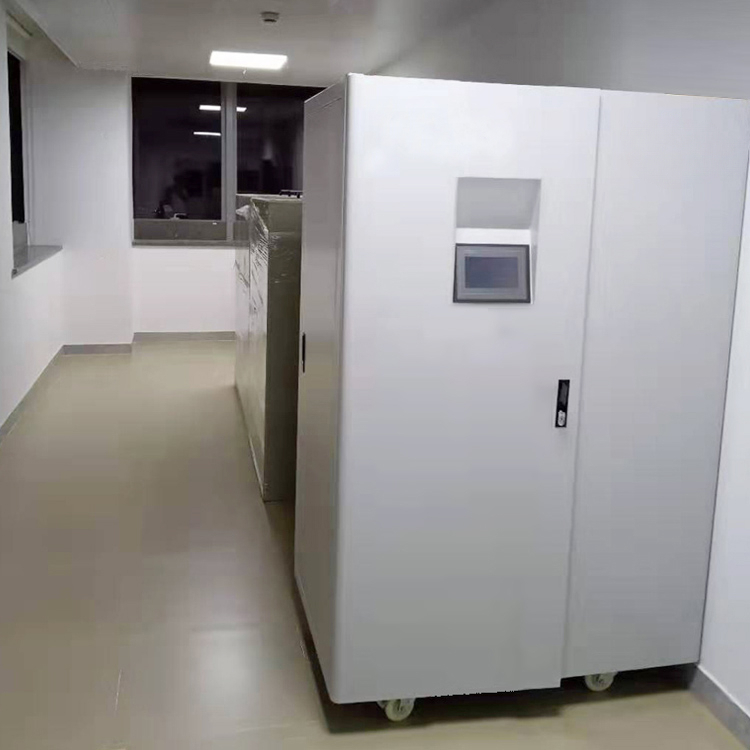
Quankun Environmental - Small Scale Lab Wastewater Treatment Equipment - Chip Wastewater Treatment Equipment
Chip cutting water treatment equipment occupies an irreplaceable position in the semiconductor industry with its high efficiency, stability, and environmental-friendly features.
Through multi-stage processing, we consistently produce high-quality ultra-pure water to meet the varying water quality requirements during the chip cutting process.
Utilizing advanced automated control systems, we ensure stable operation and intelligent monitoring of the equipment, effectively reducing the impact of water quality fluctuations on the chip cutting quality.
During the process, the wastewater generated can be recycled through a closed-loop system, reducing water resource waste and aligning with the concept of modern green industrial development.
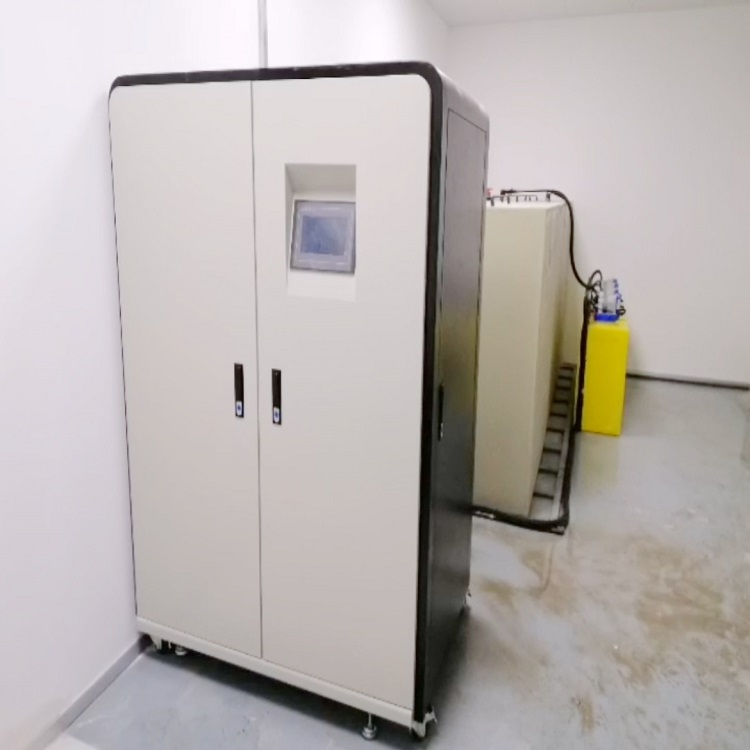
The development trends of wafer cutting water treatment equipment will present the following characteristics:
By integrating advanced technologies such as the Internet of Things and big data analysis, we achieve remote equipment monitoring, intelligent early warnings, and automatic adjustments, enhancing operation and maintenance efficiency and fault response speed.
Equipment design will be more modular, allowing for flexible configuration and rapid deployment based on diverse customer requirements, thereby reducing investment costs.
The primary function of the wafer cutting water treatment equipment is to convert ordinary tap water or industrial water into high-purity water that meets the requirements of wafer cutting processes through a series of physical, chemical, and biological treatment methods. This conversion process typically includes several key steps: pretreatment, reverse osmosis (RO), electrical deionization (EDI), and final polishing.
Raw water is processed through a multi-media filter, removing suspended particles, colloids, and large organic impurities, laying the groundwork for subsequent fine treatment. Subsequently, an activated carbon filter further adsorbs residual chlorine and organic matter, ensuring the preliminary purification of the water.
Pre-treated water enters the reverse osmosis system, which is the core step in the entire water treatment process. The reverse osmosis membrane, utilizing the properties of a semi-permeable membrane, only allows water molecules to pass through, while the vast majority of dissolved salts, organics, bacteria, and viruses are retained on one side of the membrane, achieving the goal of deep desalination.
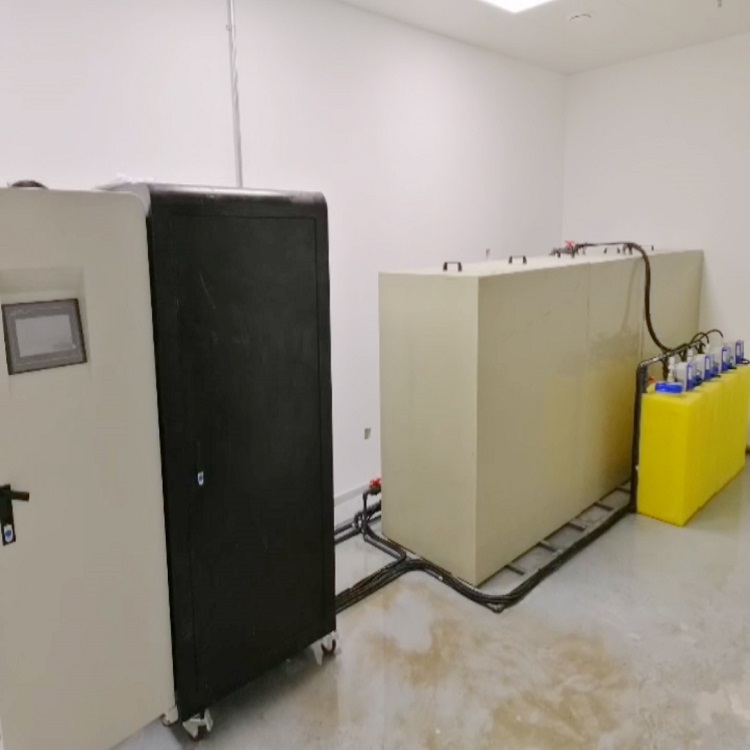
Water treated by RO is highly pure but still contains trace amounts of ions, which require further purification through EDI technology. EDI utilizes the electric field to cause ions in the water to migrate through an ion exchange membrane and resin layer, thereby achieving deep desalination and producing ultra-pure water with a resistivity of over 18 MΩ·cm.
By means of terminal polishing techniques such as ultraviolet disinfection or ozone oxidation, eliminate potential microorganisms in the water to ensure a sterile water quality, meeting the sterile requirements for wafer cutting.
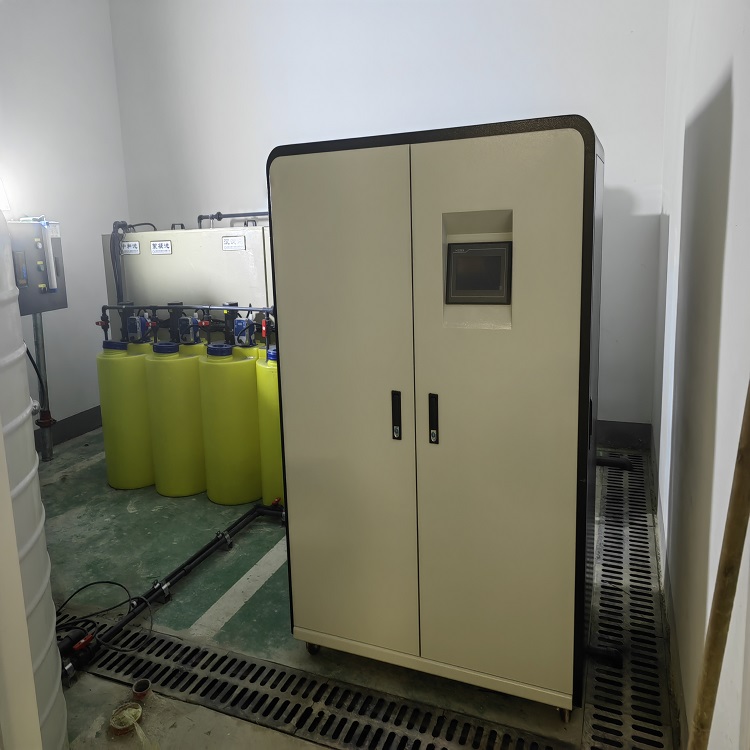
Quankun Environmental - Small Laboratory Wastewater Treatment Equipment - Chip Wastewater Treatment Equipment
Application Advantages of Wastewater Recycling Equipment for Chip Cutters:
By recycling wastewater, companies can significantly reduce fresh water consumption and wastewater treatment costs, enhancing economic benefits.
2. Reusing wastewater reduces discharge, minimizes environmental pollution, and meets the requirements of green development.
3. Utilizing advanced wastewater recycling technology helps enhance the company's environmental image and strengthen market competitiveness.
4. Wastewater recycling is a crucial method for the cyclic utilization of water resources, contributing to the sustainable development of the semiconductor industry.


