



- AllProduct Category
-
Lab Wastewater Treatment Equipment
Lab Wastewater Treatment Equipment
Ultra-Pure Water Equipment
Membrane Separation Equipment
Pure Water Equipment
Low-Temperature Evaporator
Ultra-Pure Water System
Integrated Wastewater Treatment Equipment
Reverse Osmosis Equipment
Pure Water Equipment
Ceramic Membrane Equipment



Recommended Products
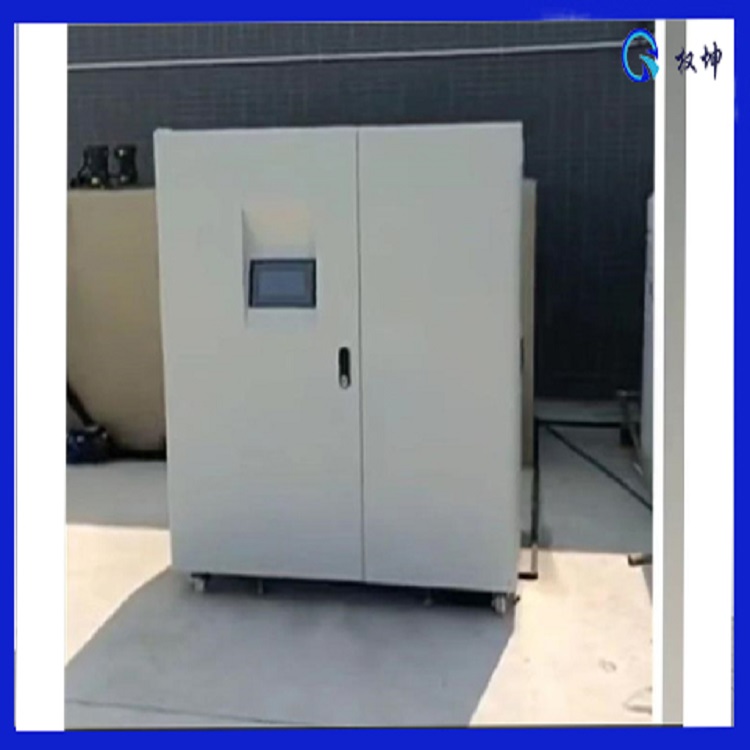
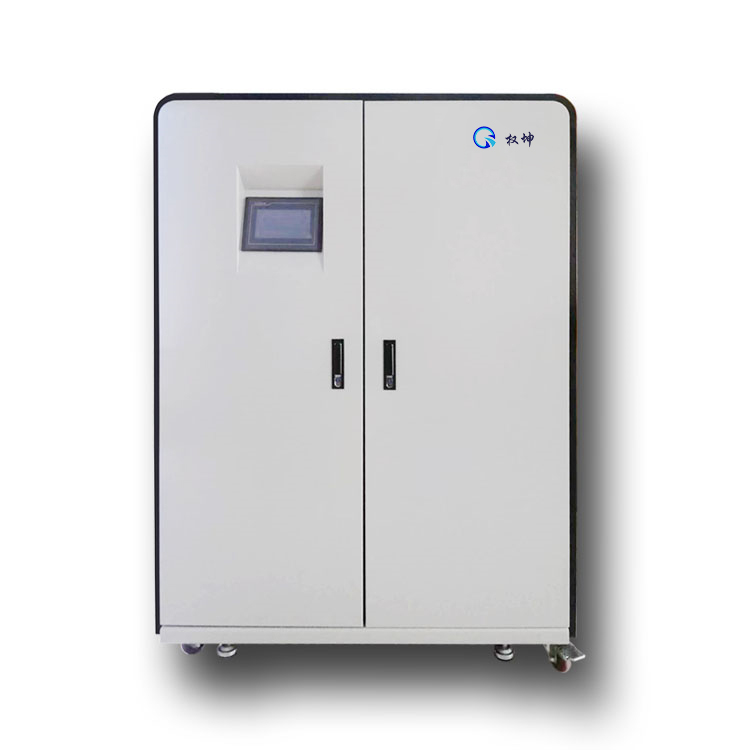
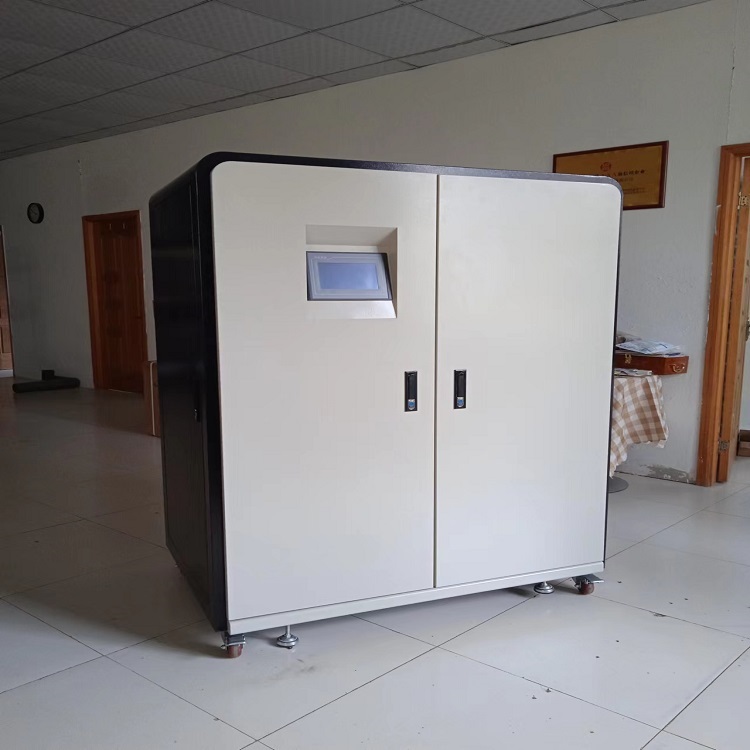
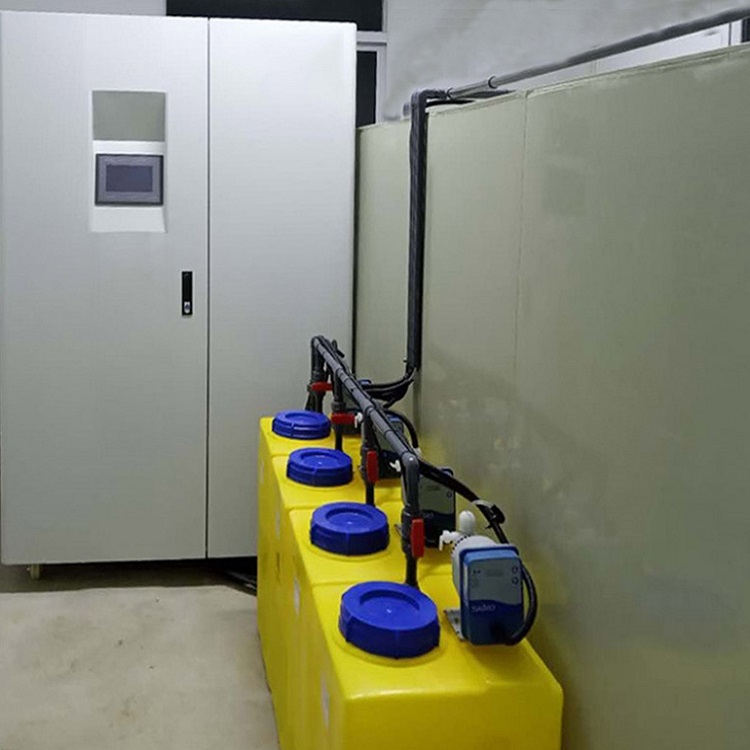
Quan Kun - Comprehensive Laboratory Waste Water Treatment Equipment - Remote Monitoring - Automated Control
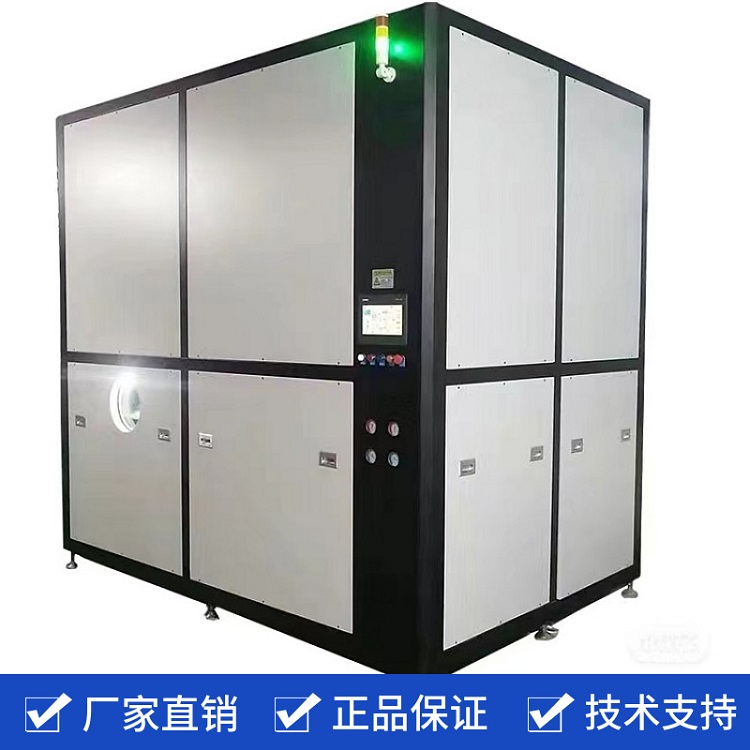
Sodium Chloride Wastewater Low-Temperature Evaporator - Intelligent Automatic - Quankun - Integrated Design
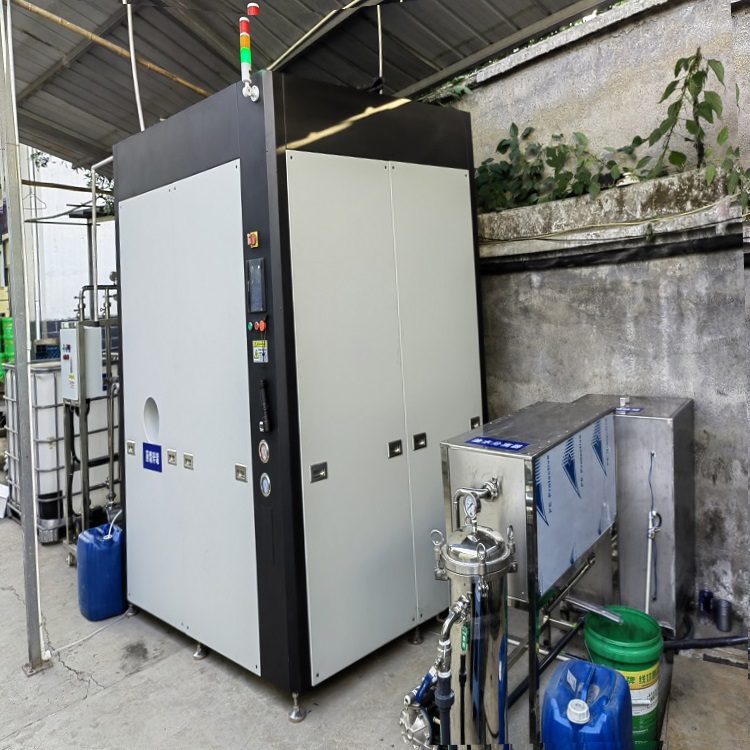
High-Concentration Oil Emulsion Waste Water Treatment Equipment - Quankun - Evaporator Unit - High Concentration Ratio
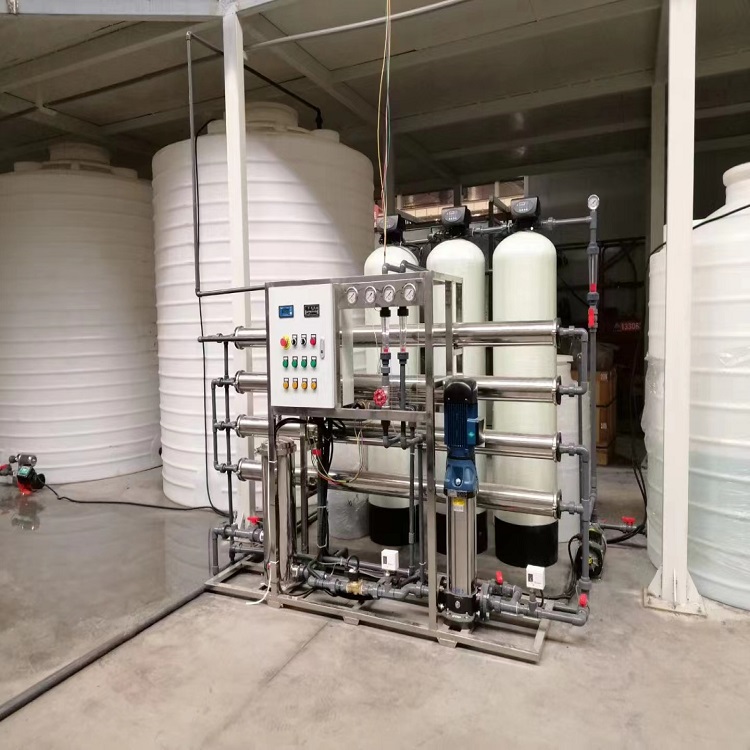
Industrial Pure Water Equipment EDI Ultra-Pure Water System Fully Automatic Control Quankun Environmental Protection
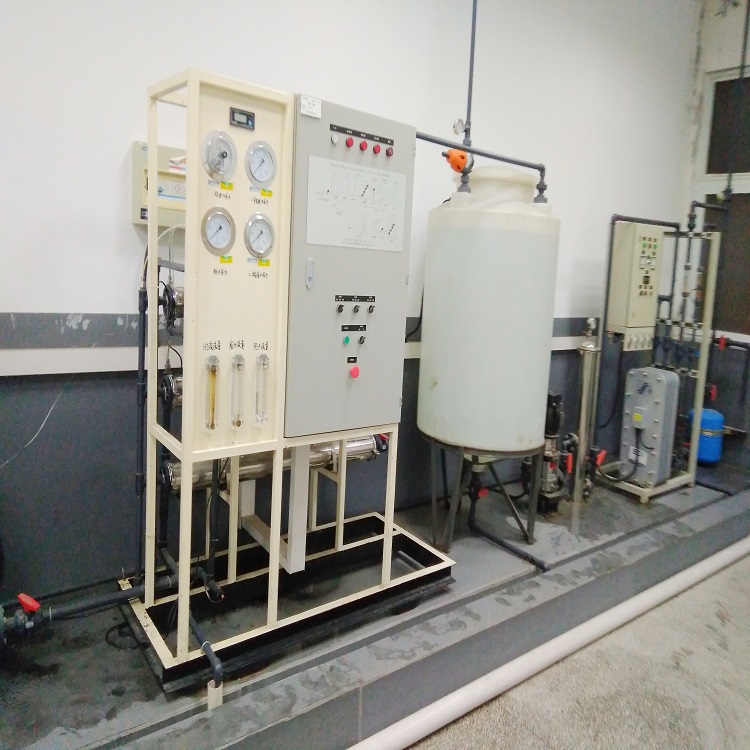
Shenzhen Industrial Ultra-Pure Water Equipment, equipped with EDI system, features low energy consumption and high degree of automation.
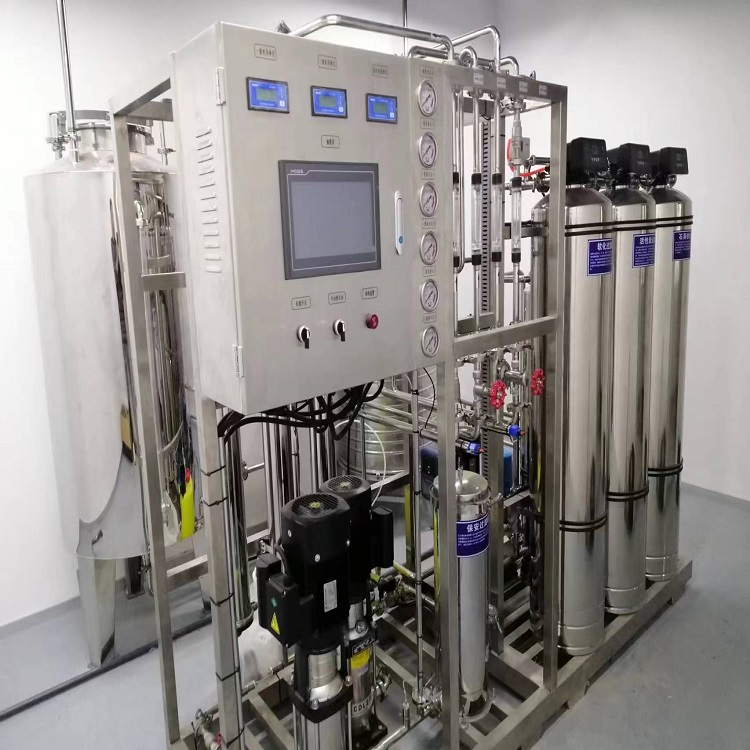
Shanghai industrial pure water production equipment reverse osmosis filtration system with high yield and customizable options, Quankun brand.
详情描述
Laboratory Waste Liquid Treatment Equipment Manufacturer Low Temperature Evaporator Customizable upon Demand Quankun
Laboratory wastewater treatment equipment is widely used in universities, colleges, research institutions, medical facilities, pharmaceuticals, disease control centers, environmental supervision, product quality inspection, inspection and quarantine, drug inspection, blood stations, animal husbandry, hospitals, petrochemical industries, and various laboratories and testing rooms. After treatment, the wastewater meets the first, second, and third standards of the Comprehensive Wastewater Discharge Standard (GB8978-1996). The treated wastewater can be discharged into the municipal sewage pipeline or reused through further treatment processes.
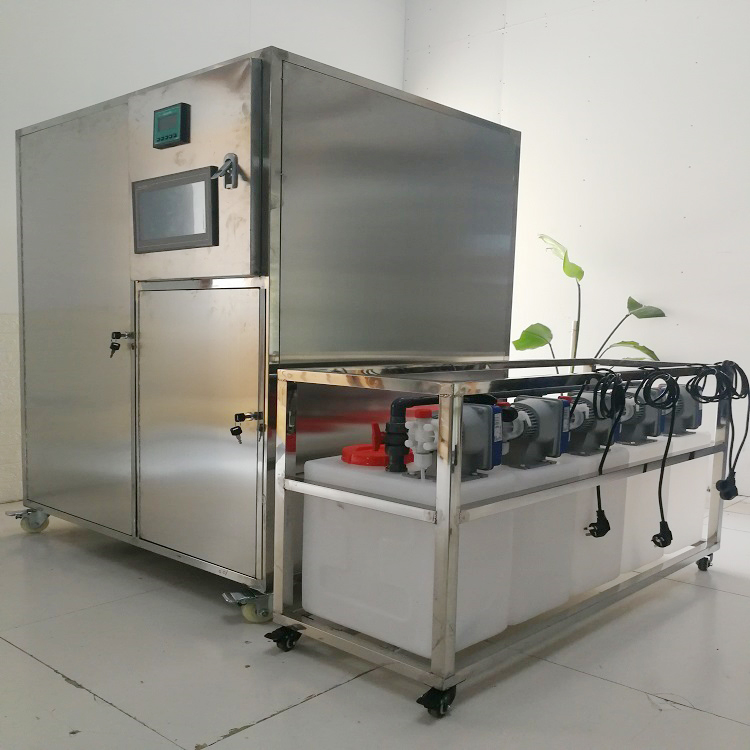
Process selection for laboratory wastewater treatment equipment:
The effluent from the acid-base neutralization pond then flows into the sedimentation pond. After acid-base neutralization, the resulting sediment and other suspended solids in the wastewater are separated from the water through the hetero-directional flow between the sludge and water in the sedimentation pond.
The effluent from the sedimentation pond sequentially enters the ozonation unit, where large, non-degradable organic molecules are oxidized into low-toxic or non-toxic small molecules. The organic pollutants and NH3-N in the wastewater are oxidized and decomposed into harmful substances like CO2, N2, and H2O. The wastewater is then subjected to UV ultraviolet disinfection and chlorine dioxide composite disinfection. The final effluent is directed to a multi-media filter. Fine suspended particles, trace metals, and organic matter that were not removed are addressed: one part is removed through the adsorption and retention of quartz sand and activated carbon with its vast pore structure and high surface area, while the other part is degraded and removed by anaerobic, aerobic, and facultative bacteria in the microbial film attached to the activated carbon. The process of activated carbon retention and adsorption alternates with microbial degradation and desorption in an interlaced, alternating, and cyclic manner. At this point, the wastewater meets the standards for discharge into the sewage network.
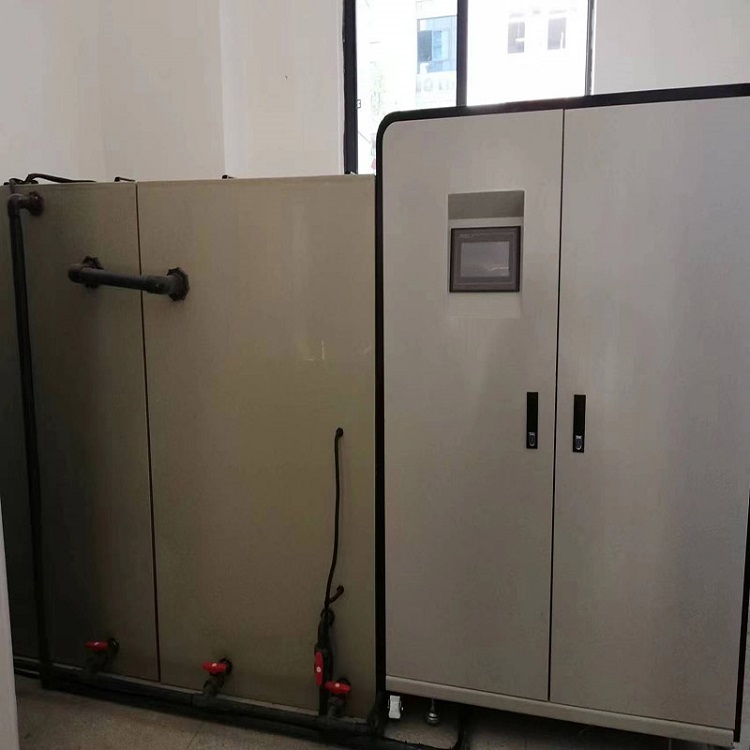
Basics of Laboratory Wastewater Treatment Equipment Design
1. Laboratory wastewater sources: Comprehensive laboratory wastewater generated from activities such as pharmaceuticals, reagents, solutions, and instrument cleaning.
2. Comprehensive laboratory wastewater composition: inorganic substances, organic substances, biological wastewater, etc.
1) Inorganic waste water: heavy metal ions, pH levels of acids and bases, halogen ions, and other non-metallic ions.
2) Organic Waste Water: Organic solvents, ammonia nitrogen, organic phosphorus drugs, etc.
3) Biological Wastewater: Viruses, Chlamydia, Mycoplasma, Spirochetes, Fungi, Brucella, Anthrax Bacillus, etc.
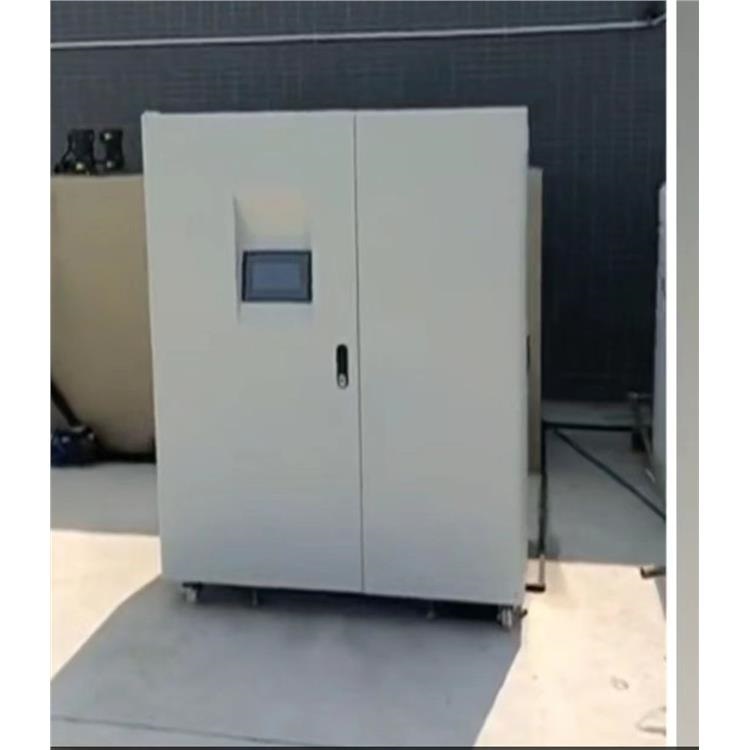
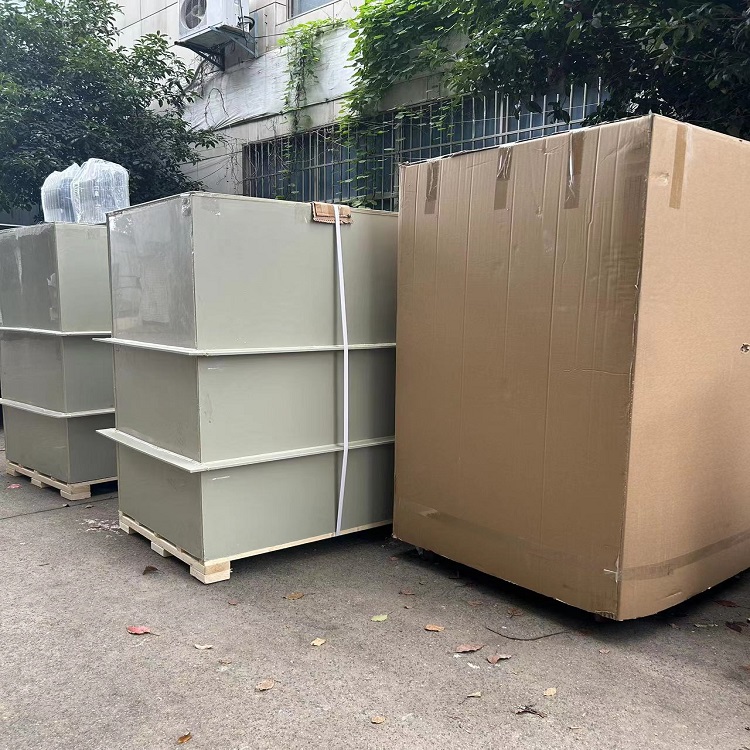
The laboratory wastewater treatment system consists of units for wastewater classification collection, wastewater adjustment, advanced treatment, sedimentation separation, physical treatment, biological treatment, and comprehensive purification. It employs a range of processes such as chemical pretreatment, advanced chemical treatment, inclined tube sedimentation, multi-pass disinfection and sterilization, filtration sedimentation separation, micro-electrolysis with high and low potential differences, electrochemical oxidation-reduction technology, two-stage organic biological membrane purification, novel packed bed photo-catalytic reaction technology for organic wastewater, selective mass transfer of fresh liquid, and molecular imprinting technology on mycelium surfaces to comprehensively treat organic, inorganic, and biological wastewater generated in the lab. This effectively removes COD, BOD, SS, color, and heavy metal ions from the wastewater. Different treatment technologies and control systems are utilized based on the composition of different types of laboratory wastewater.

Laboratory Waste Liquid Treatment Equipment Manufacturer Offers Custom Low-Temperature Evaporators Upon Request Qingkun
Design Basics:
1. Comprehensive wastewater sources from the laboratory: wastewater generated from the processes of laboratory drugs, reagents, test solutions, cleaning, etc.
2. Laboratory comprehensive wastewater treatment capacity: T/D or L/D
3. Comprehensive wastewater composition in the laboratory: inorganic substances, organic substances, biological wastewater, etc.
1) Inorganic substances: heavy metal ions, pH value of acids and bases, halogen ions, and other non-metal ions.
2) Organic Compounds: Organic Solvents
3). Biological: Pathogens, bacteria, viruses, surface antigens, Hepatitis C antigens, Chlamydia, Mycoplasma, Spirochetes, fungi, Brucella, Anthrax bacteria, Chlamydia, etc.
4. Standard for laboratory wastewater treatment: Complies with the third-level standard of National Integrated Wastewater Discharge Standard [GB8978-1996]; also capable of treating wastewater to the first or second-level standard of National Integrated Wastewater Discharge Standard [GB8978-1996] upon customer request.


