




- AllProduct Category
-
Lab Wastewater Treatment Equipment
Lab Wastewater Treatment Equipment
Ultra-Pure Water Equipment
Membrane Separation Equipment
Pure Water Equipment
Low-Temperature Evaporator
Ultra-Pure Water System
Integrated Wastewater Treatment Equipment
Reverse Osmosis Equipment
Pure Water Equipment
Ceramic Membrane Equipment


Recommended Products
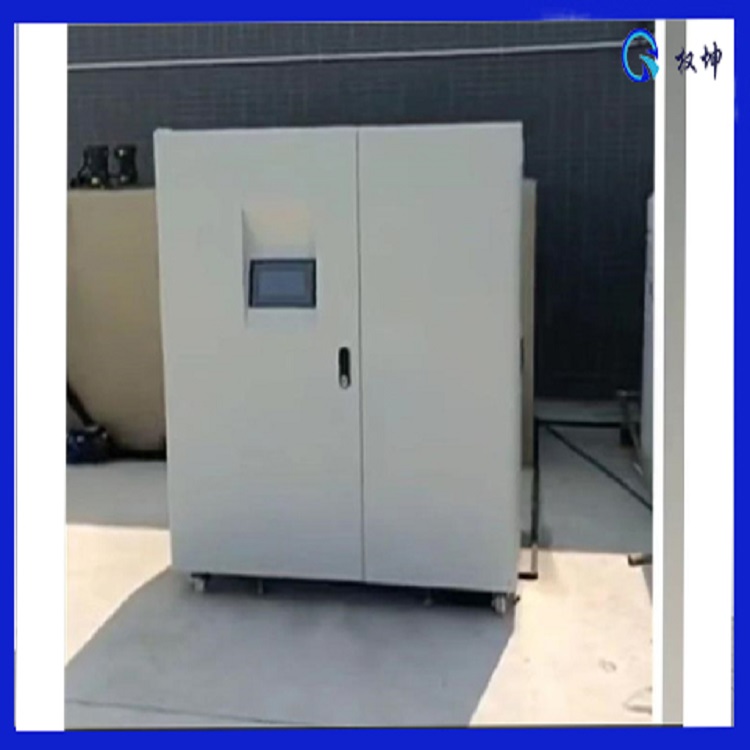
Quan Kun - Comprehensive Laboratory Waste Water Treatment Equipment - Remote Monitoring - Automated Control
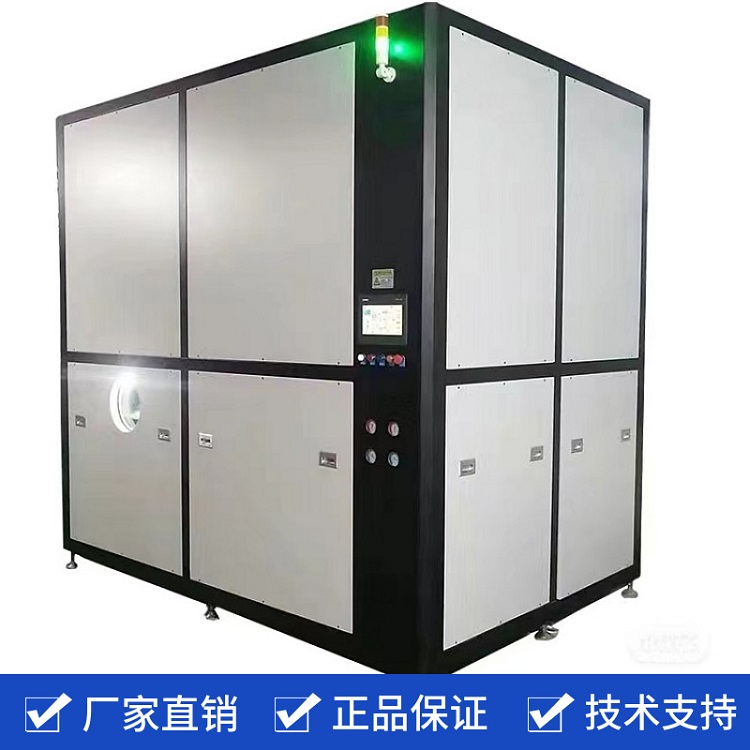
Sodium Chloride Wastewater Low-Temperature Evaporator - Intelligent Automatic - Quankun - Integrated Design
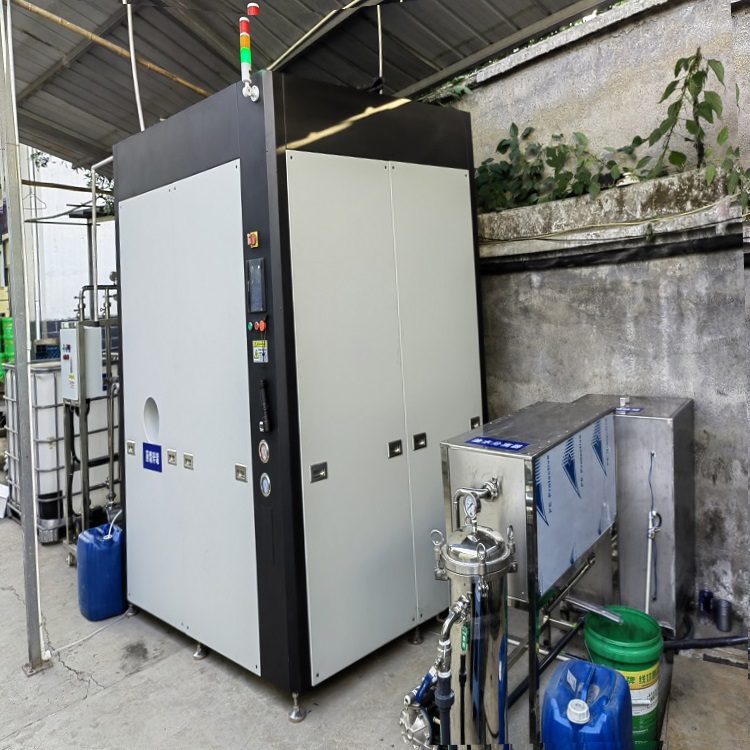
High-Concentration Oil Emulsion Waste Water Treatment Equipment - Quankun - Evaporator Unit - High Concentration Ratio
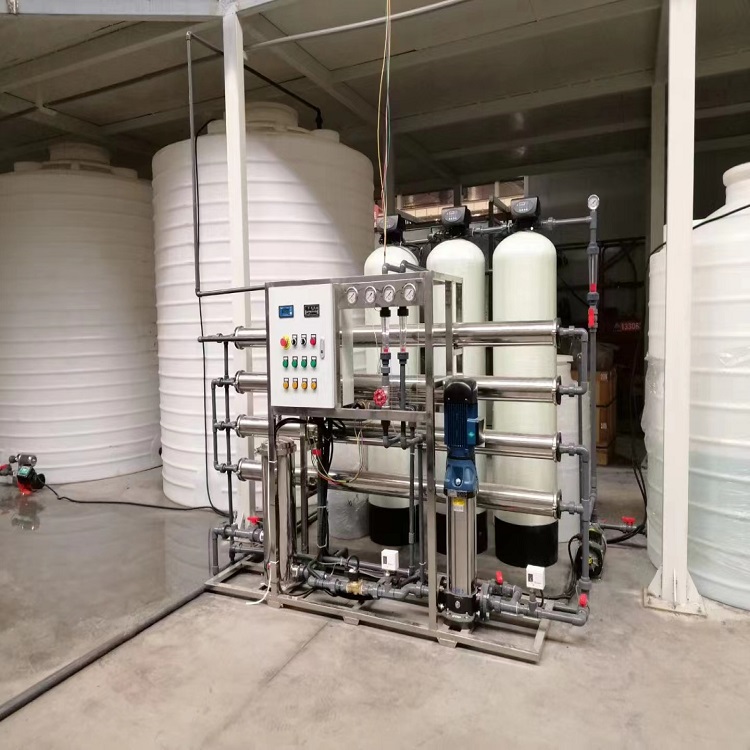
Industrial Pure Water Equipment EDI Ultra-Pure Water System Fully Automatic Control Quankun Environmental Protection
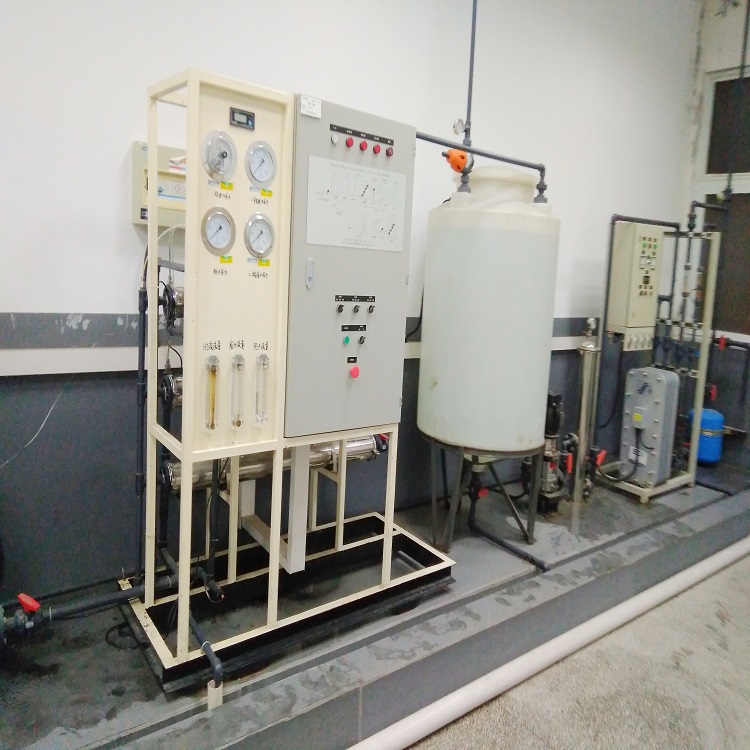
Shenzhen Industrial Ultra-Pure Water Equipment, equipped with EDI system, features low energy consumption and high degree of automation.
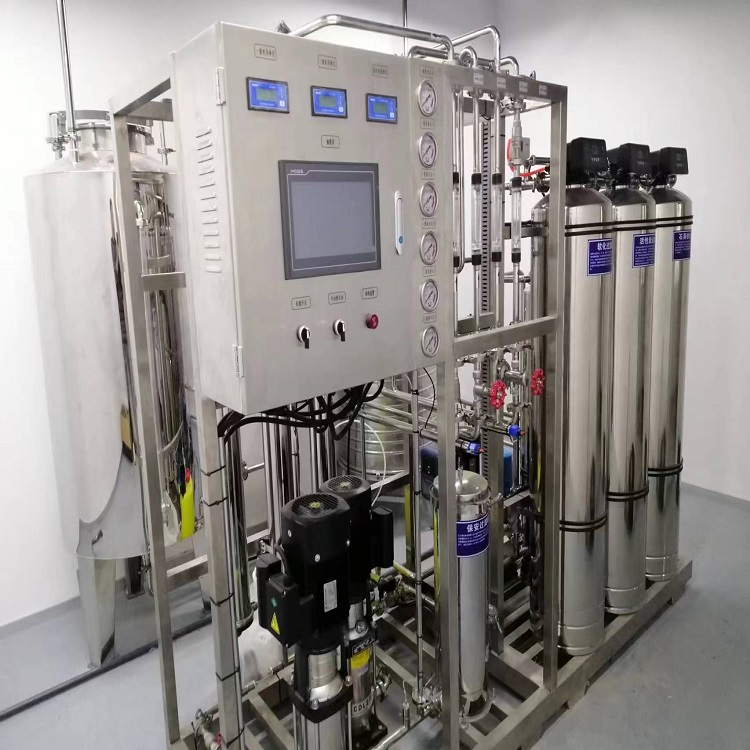
Shanghai industrial pure water production equipment reverse osmosis filtration system with high yield and customizable options, Quankun brand.
详情描述
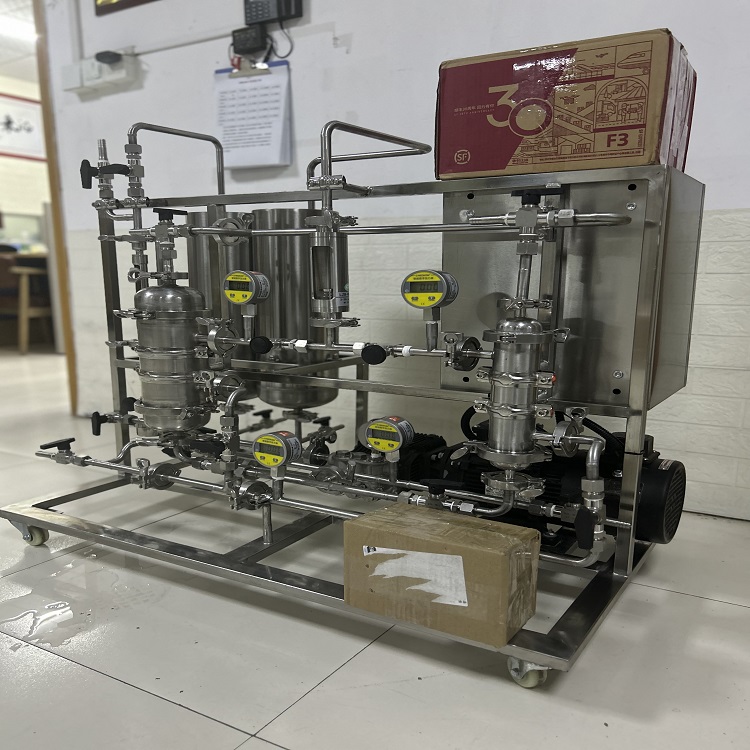
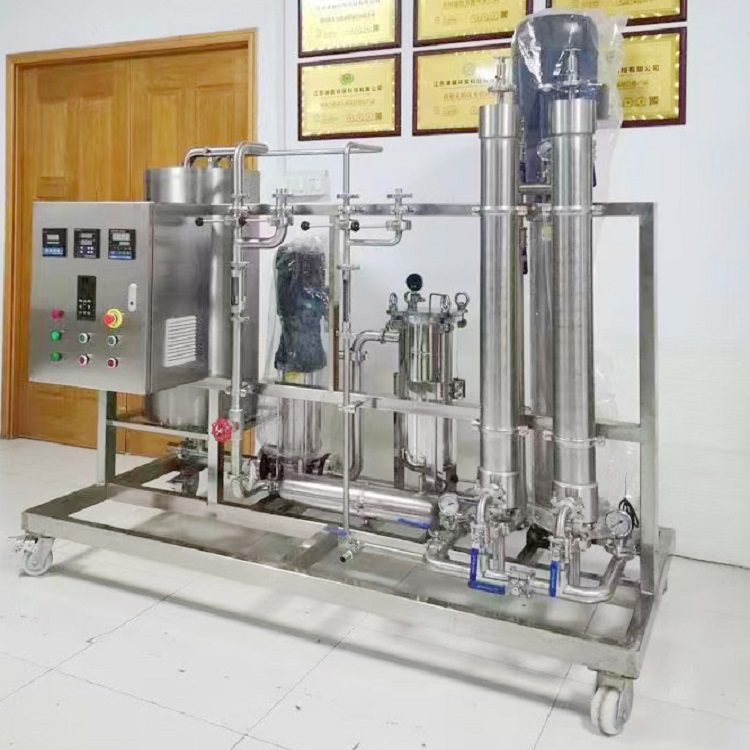
Membrane Separation Pilot Equipment Price
Nanofiltration (NF) is used to separate substances with smaller relative molecular mass, such as inorganic salts or small organic molecules like potatoes and sucrose, from solvents. Also known as low-pressure reverse osmosis, NF is an emerging field in membrane separation technology, with separation performance between reverse osmosis and ultrafiltration. It allows certain inorganic salts and some solvents to permeate the membrane, achieving the separation effect.

Nanofiltration separation is increasingly used in industries such as electronics, food, and pharmaceuticals, including processes like ultra-pure water preparation, high concentration of fruit juices, separation of peptides and amino acids, concentration and purification of antibiotics, whey protein concentration, and the coupling of nanofiltration membranes with bioreactors. Compared to ultrafiltration or reverse osmosis, the nanofiltration process has poor retention for monovalent ions and organic substances with molecular weights below 200. However, it has a high removal rate for divalent or multivalent ions and organic substances with molecular weights between 200 and 500. Based on this characteristic, nanofiltration is mainly applied in water softening, purification, and separation, grading, and concentration of substances with relative molecular weights in the hundreds (such as the grading and concentration of dyes, antibiotics, peptides, and polysaccharides in chemical and bioengineering products), decolorization, and removal of odors. It is primarily used to remove hardness components like Ca and Mg ions from drinking water, trihalomethanes, odors, color, pesticides, synthetic detergents, soluble organic matter, and evaporative residues.
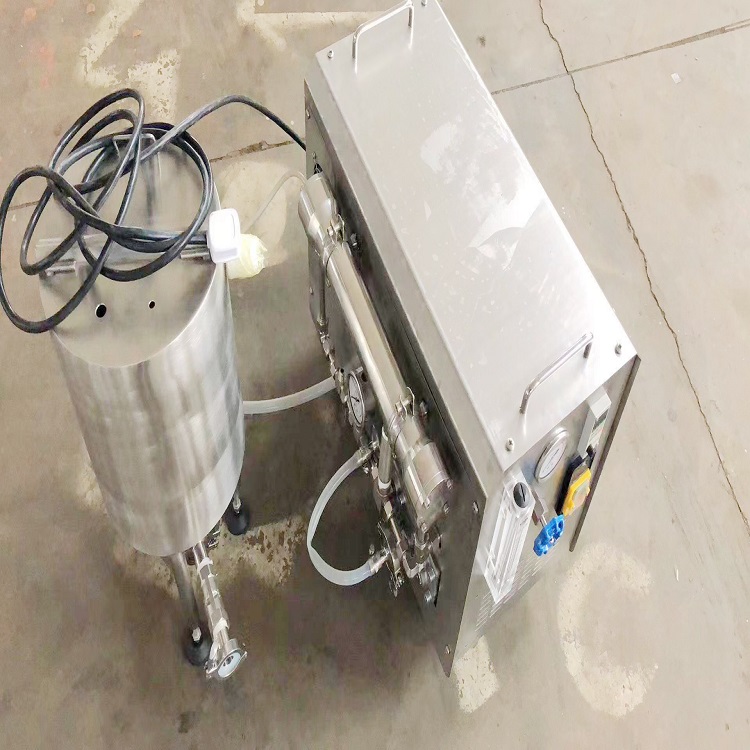
Advantages and Features of Nanofiltration Membrane Separation Equipment:
1. Utilizes crossflow technology, less prone to clogging, and boasts strong anti-pollution capabilities.
2. Uniform aperture distribution, high separation accuracy, and stable filtration.
3. No auxiliary filter agent required; the system operates stably.
4. Acid and alkali-resistant, easy to operate, and has excellent regeneration properties.
5. Long service life, low comprehensive cost of equipment, high cost-performance ratio.

NF Nanofiltration Features:
However, the nanofiltration membrane has a charged nature, which is an important reason why it maintains high desalination performance at low pressure, and can also remove inorganic salts through a membrane with a molecular weight cut-off of several hundred. Its main characteristics are as follows:
Permits small molecule organics and monovalent ions to pass through.
2. Can retain organic substances with a molecular weight greater than 100 and polyvalent ions.
3. Operates under high temperatures, acids, alkalis, and other severe conditions; highly resistant to contamination.
4. Low operating pressure, high membrane flux, and low facility operating costs.
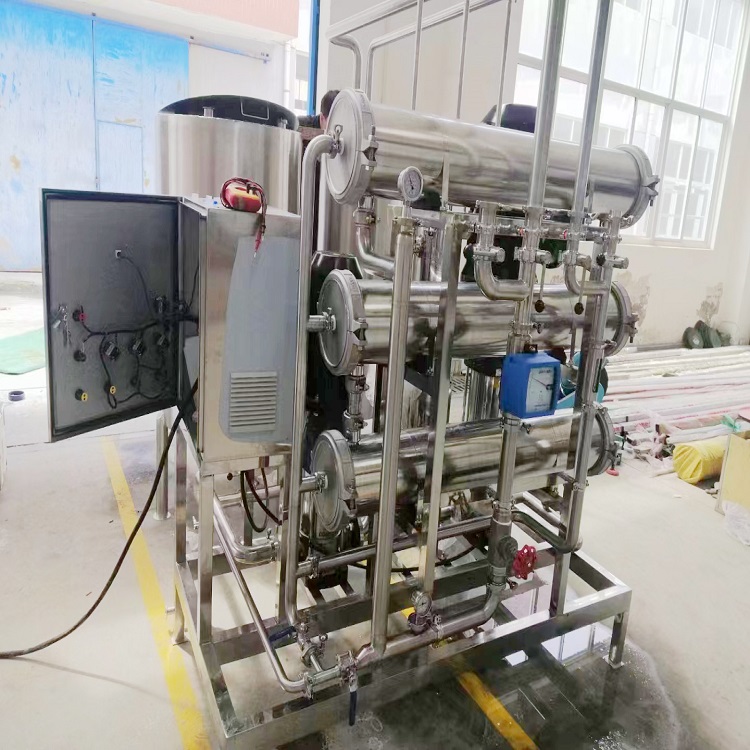
Membrane Separation Pilot Equipment Price
Reverse Osmosis (RO) Application:
Reverse osmosis separation is increasingly applied in industries such as electronics, food, and pharmaceuticals, including processes like ultra-pure water preparation, high concentration of fruit juice, separation of peptides and amino acids, concentration and purification of antibiotics, whey protein concentration, and the coupling of nanofiltration membranes with bioreactors.


