




- AllProduct Category
-
Lab Wastewater Treatment Equipment
Lab Wastewater Treatment Equipment
Ultra-Pure Water Equipment
Membrane Separation Equipment
Pure Water Equipment
Low-Temperature Evaporator
Ultra-Pure Water System
Integrated Wastewater Treatment Equipment
Reverse Osmosis Equipment
Pure Water Equipment
Ceramic Membrane Equipment



Recommended Products
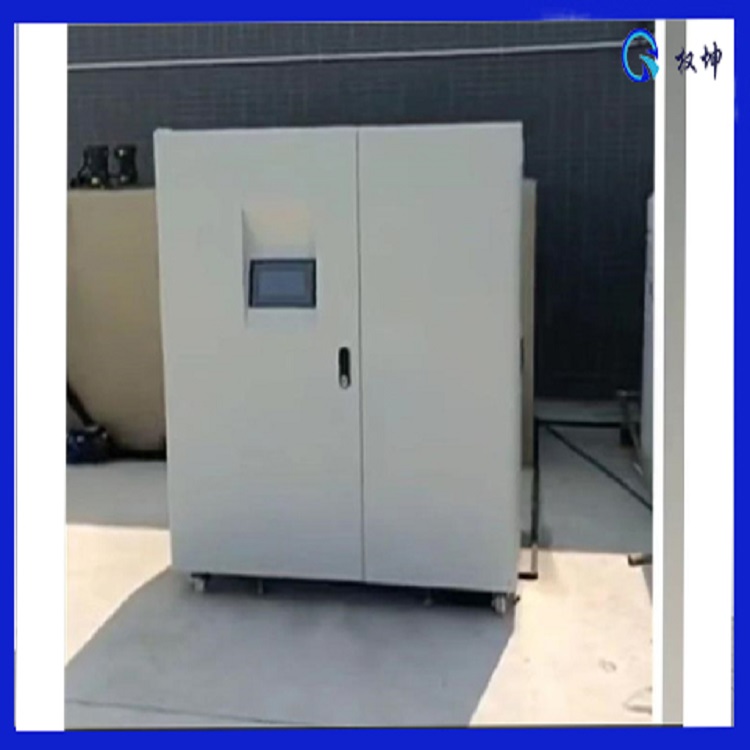
Quan Kun - Comprehensive Laboratory Waste Water Treatment Equipment - Remote Monitoring - Automated Control
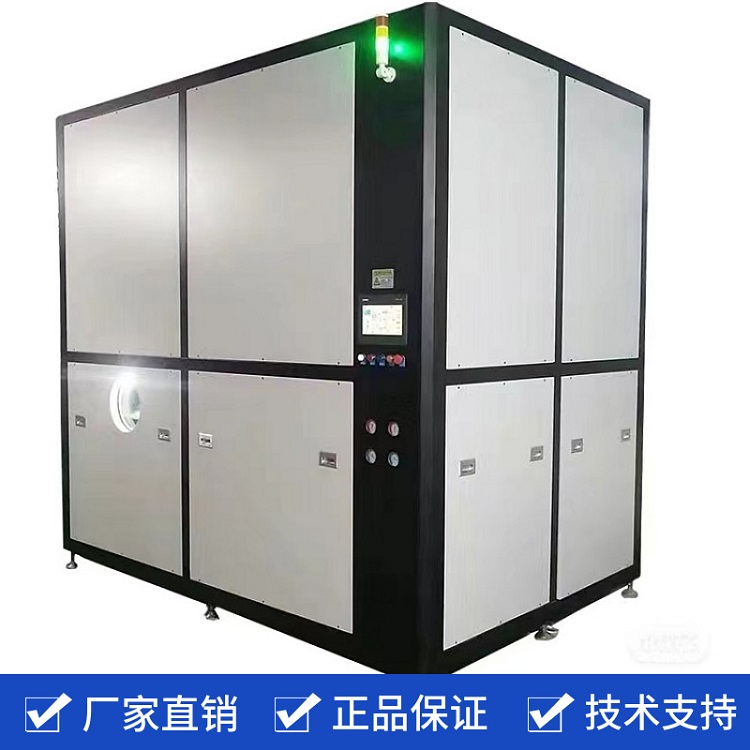
Sodium Chloride Wastewater Low-Temperature Evaporator - Intelligent Automatic - Quankun - Integrated Design
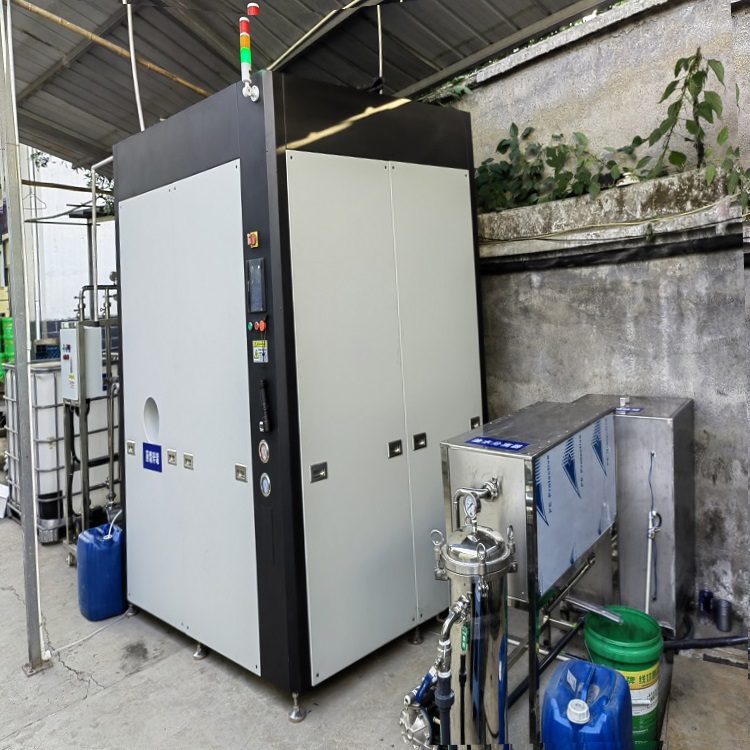
High-Concentration Oil Emulsion Waste Water Treatment Equipment - Quankun - Evaporator Unit - High Concentration Ratio
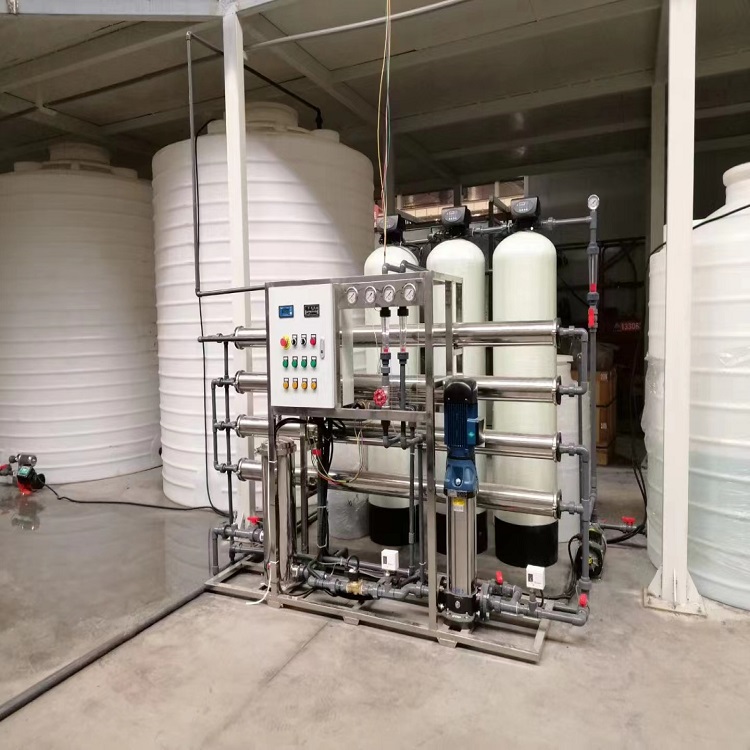
Industrial Pure Water Equipment EDI Ultra-Pure Water System Fully Automatic Control Quankun Environmental Protection
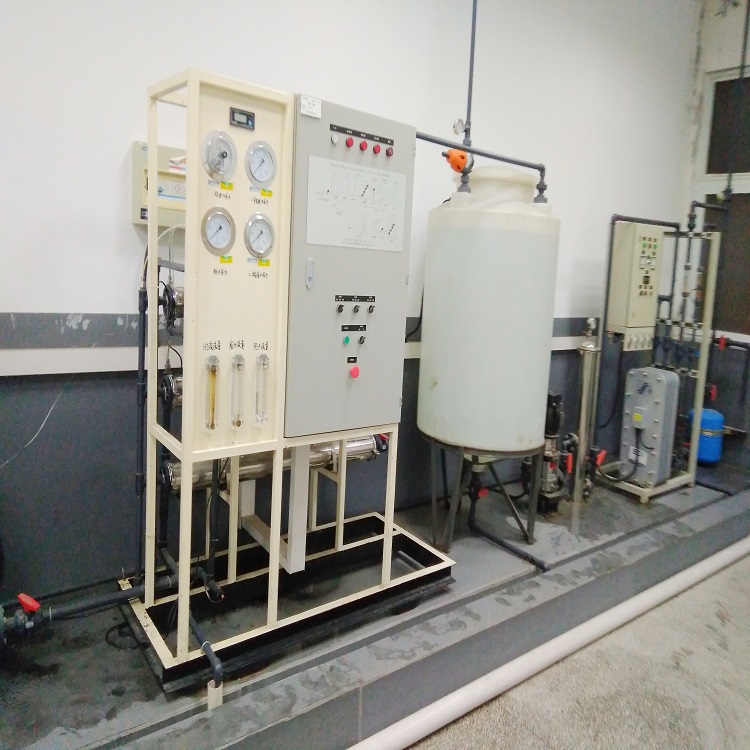
Shenzhen Industrial Ultra-Pure Water Equipment, equipped with EDI system, features low energy consumption and high degree of automation.
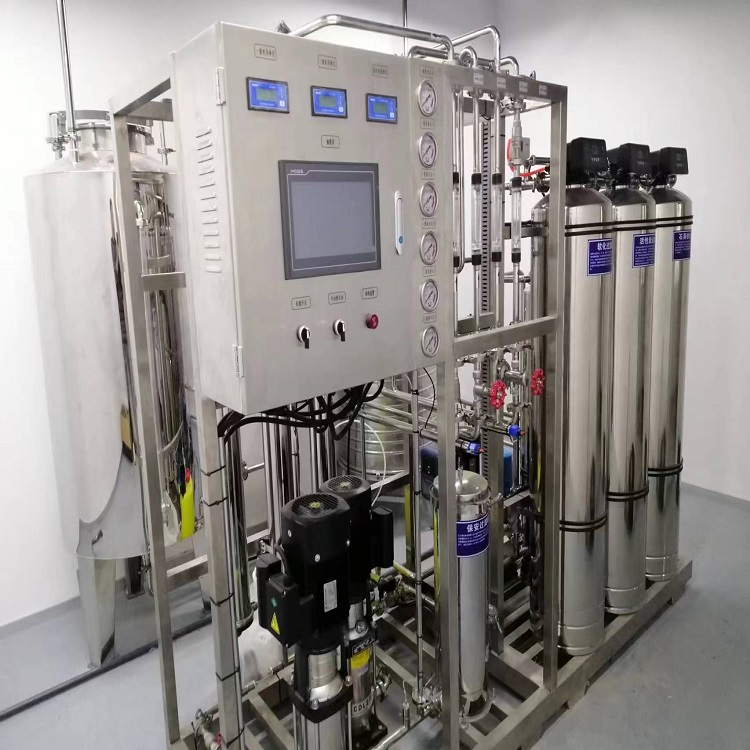
Shanghai industrial pure water production equipment reverse osmosis filtration system with high yield and customizable options, Quankun brand.
详情描述
Wastewater Treatment Equipment for Laboratory Solvent Waste
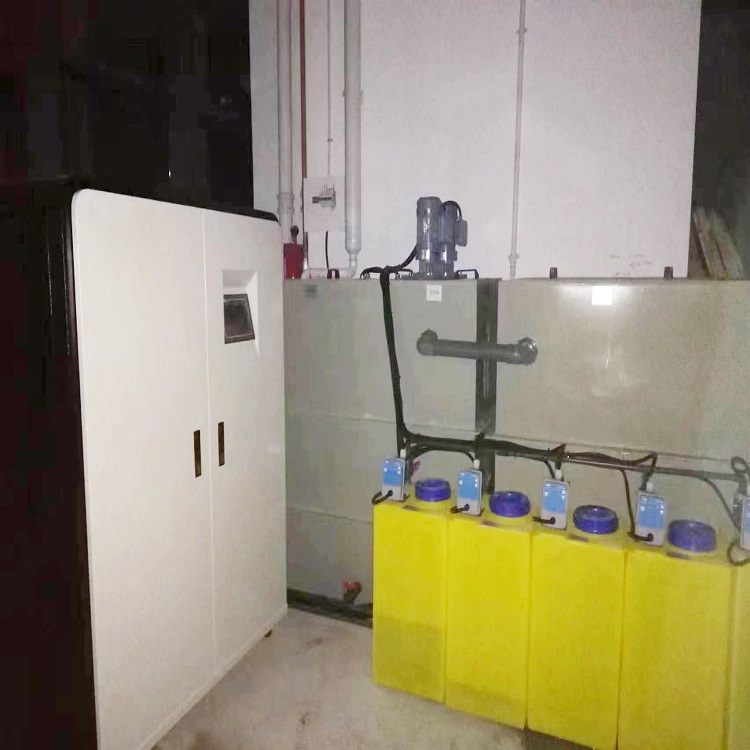
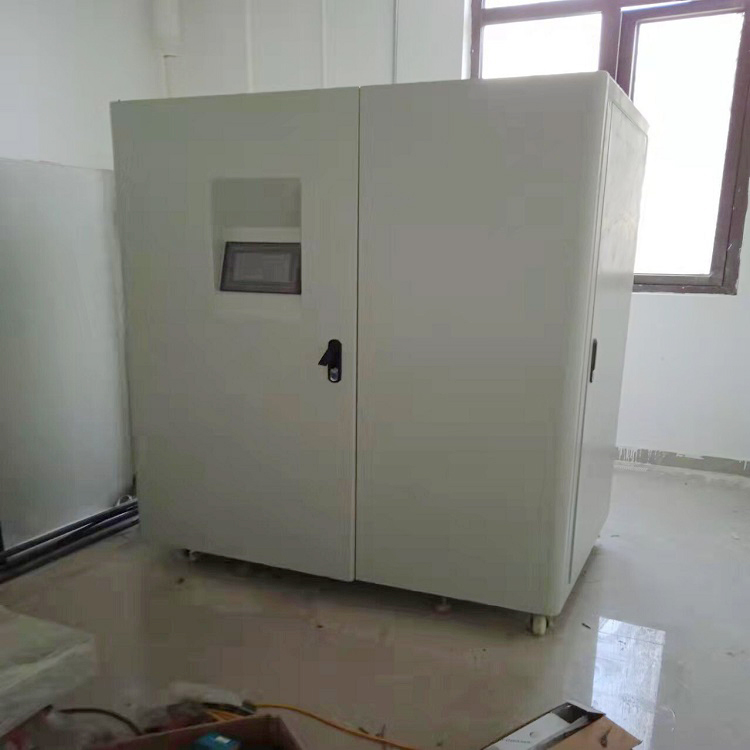
The comprehensive wastewater treatment equipment for laboratories processes organic, inorganic, and biological wastewater generated within the lab through unique treatment processes such as wastewater collection, automatic adjustment, coagulation and air flotation mixing, flocculation and coagulation precipitation reaction, sedimentation separation, multi-stage advanced oxidation, multi-level decomposition degradation, microelectrolysis with high and low potential differences, electrochemical oxidation-reduction, two-stage organic biological activity treatment, new biochemical reaction treatment technology, and novel packed bed photo-catalytic reaction for organic wastewater. It effectively removes COD, BOD, SS, color, and heavy metal ions from the wastewater. Different treatment technologies and control systems are employed based on the composition of various experimental wastewater. The equipment operates through a human-machine interface and runs automatically according to the program set by the PLC controller and parameters set by the pH/ORP meter. With multi-stage online monitoring, the control system automatically calculates and proportionally dispenses chemicals based on the composition and concentration of the wastewater, ensuring scientific and rational treatment, saving chemical consumption, and achieving fully automatic unattended operation.

For varying compositions and concentrations of laboratory wastewater, the system automatically calculates and proportionally dispenses, ensuring scientific and rational treatment while conserving resources and eliminating the need for constant supervision. The comprehensive laboratory wastewater treatment equipment employs different treatment technologies and processes for organic, inorganic, and biological wastewater components and concentrations from various laboratories, effectively removing COD, BOD, SS, color, and heavy metal ions from the wastewater. After treatment, the laboratory wastewater meets the comprehensive discharge standards of wastewater pollutants [GB8978-1996].
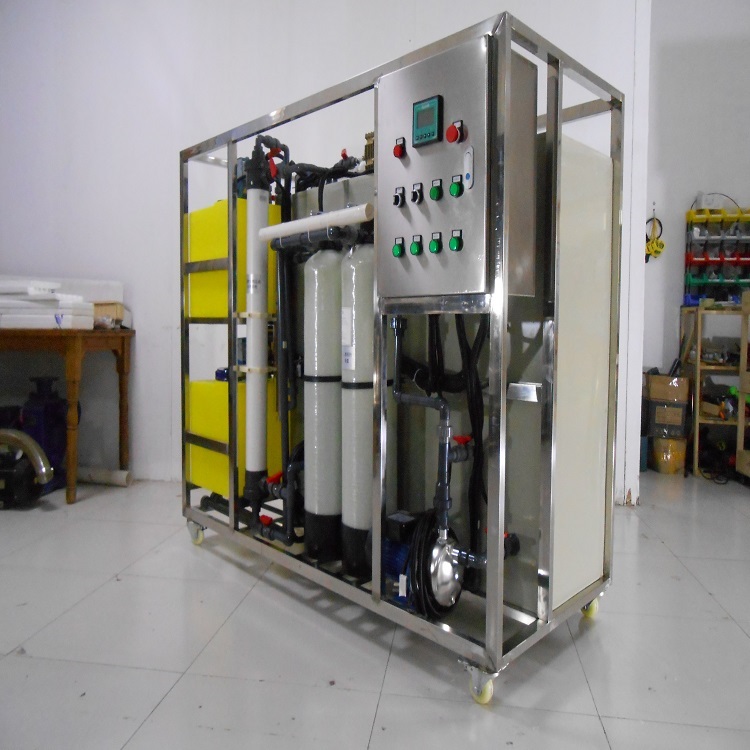
The comprehensive laboratory wastewater treatment equipment is a cutting-edge, highly automated, and effective treatment system with a small footprint and easy operation, requiring no dedicated staff. It is specifically designed for the treatment of comprehensive wastewater in laboratories across various industries both domestically and internationally. This equipment has received high praise from users and is widely used in research institutions, universities, monitoring, product inspection, food inspection, entry-exit quarantine and inspection, disease control centers, geological and mining centers, analysis centers, water resources monitoring, grain and oil quality inspection, petrochemicals, animal husbandry, agricultural product testing, institutions, blood centers, and corporate laboratories.
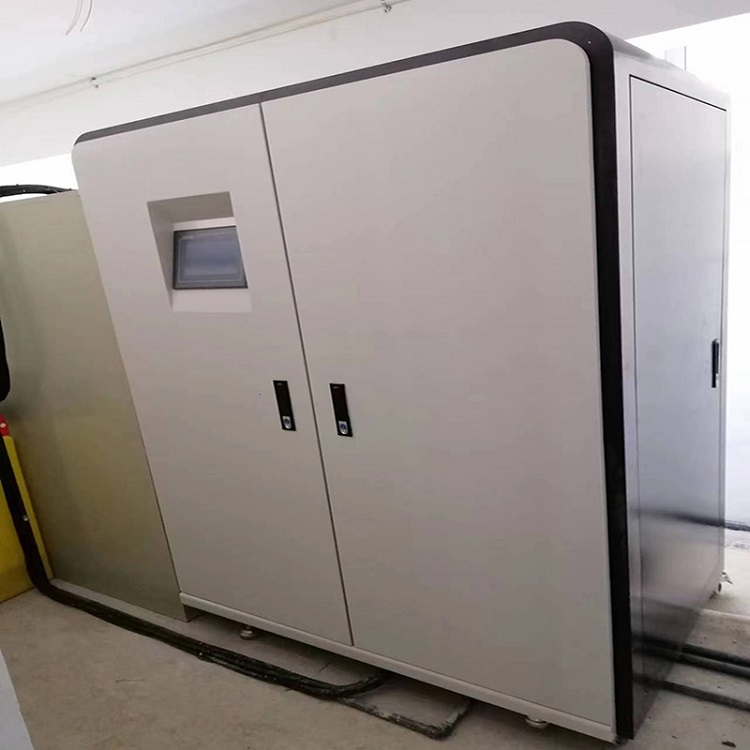
Wastewater Treatment Equipment for Laboratory with Organic Solvents
Process Features:
1. Utilizes technologies such as neutralization and precipitation, chemical oxidation, heavy metal capture, photocatalytic reactions, micro-electrolysis, ozone oxidation, and multi-media filtration to treat various pollutants in wastewater; 2. Equipped with a microcomputer program for real-time monitoring and control of wastewater quality and treatment processes, ensuring round-the-clock automatic operation without the need for constant human supervision; 3. Precisely controls dosing with a pH meter and imported metering pumps, and is equipped with liquid level control, medication shortage alarms, and automatic sludge removal; 4. Uses advanced aeration equipment for thorough gas-water contact and complete reactions; 5. Easy to operate, stable in performance, long lifespan, with low operation and maintenance costs; 6. Requires minimal space, and can be installed indoors or outdoors depending on the situation; 7. Tailored design and manufacturing to meet customers' specific requirements.


