



- AllProduct Category
-
Lab Wastewater Treatment Equipment
Lab Wastewater Treatment Equipment
Ultra-Pure Water Equipment
Membrane Separation Equipment
Pure Water Equipment
Low-Temperature Evaporator
Ultra-Pure Water System
Integrated Wastewater Treatment Equipment
Reverse Osmosis Equipment
Pure Water Equipment
Ceramic Membrane Equipment



Recommended Products
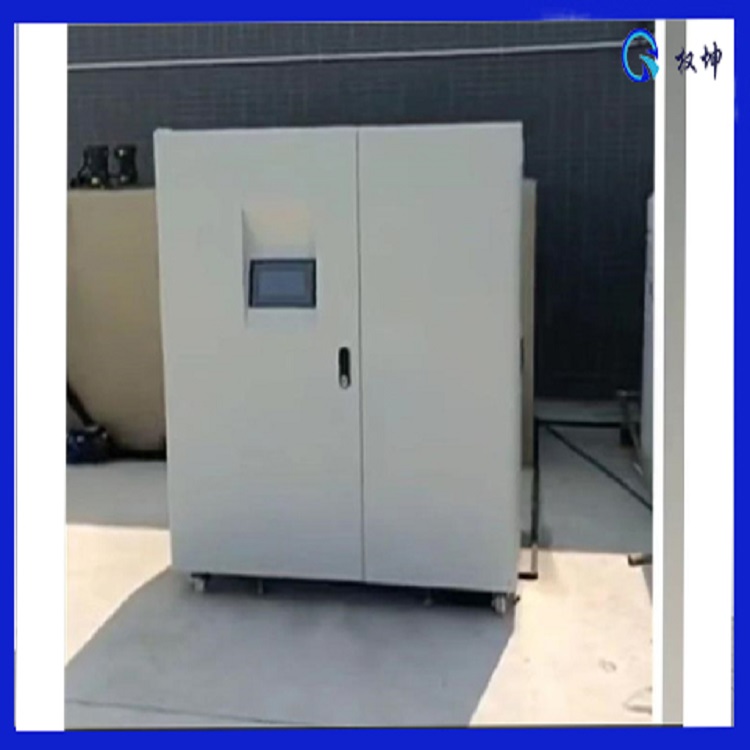
Quan Kun - Comprehensive Laboratory Waste Water Treatment Equipment - Remote Monitoring - Automated Control
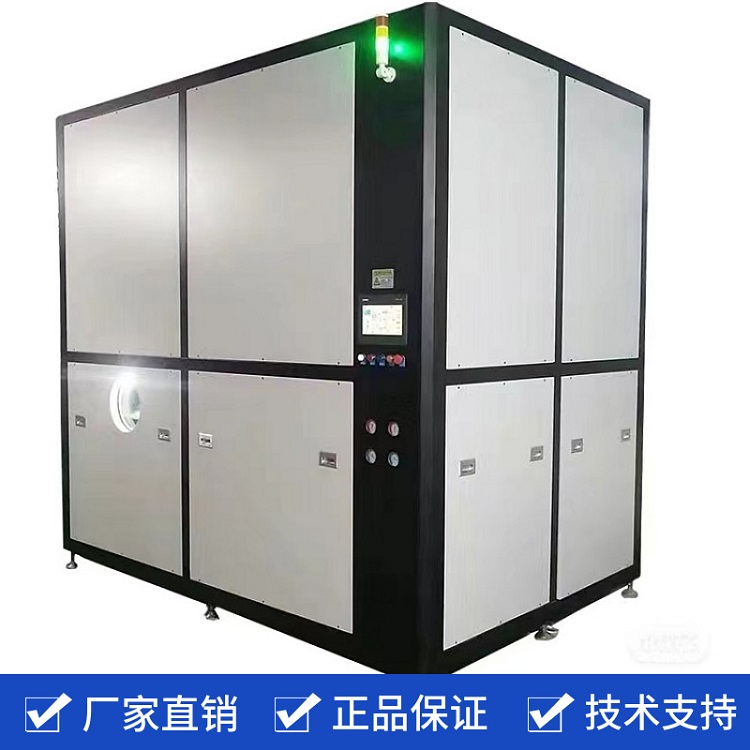
Sodium Chloride Wastewater Low-Temperature Evaporator - Intelligent Automatic - Quankun - Integrated Design
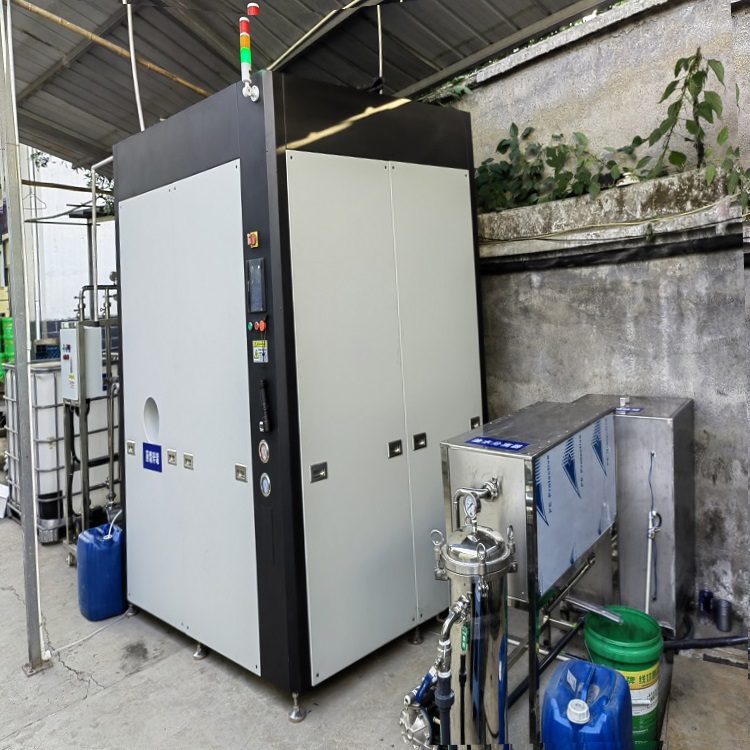
High-Concentration Oil Emulsion Waste Water Treatment Equipment - Quankun - Evaporator Unit - High Concentration Ratio
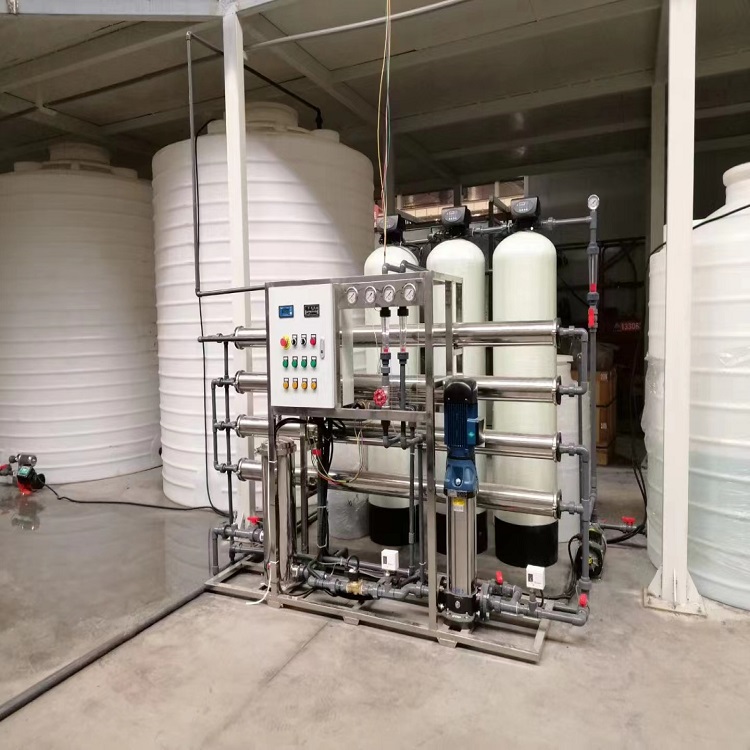
Industrial Pure Water Equipment EDI Ultra-Pure Water System Fully Automatic Control Quankun Environmental Protection
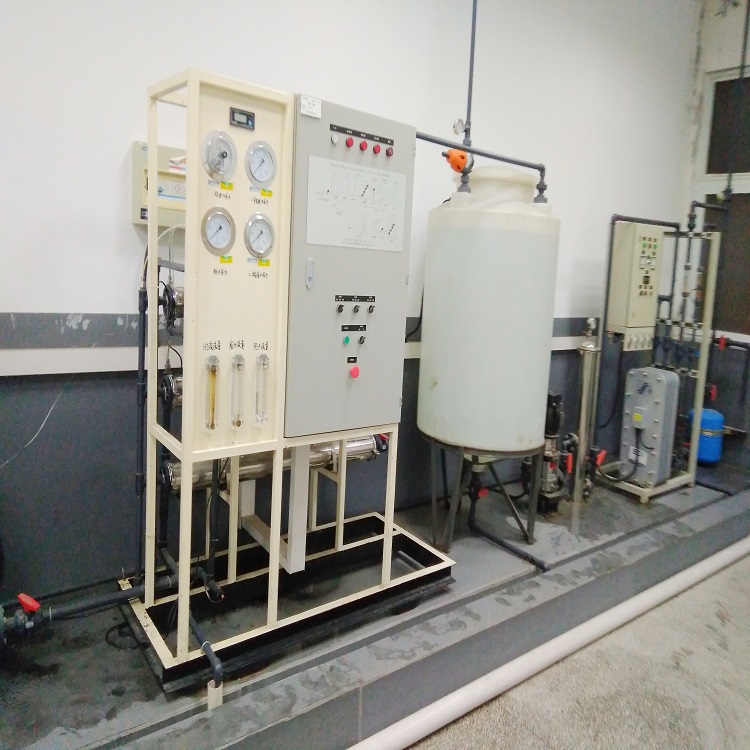
Shenzhen Industrial Ultra-Pure Water Equipment, equipped with EDI system, features low energy consumption and high degree of automation.
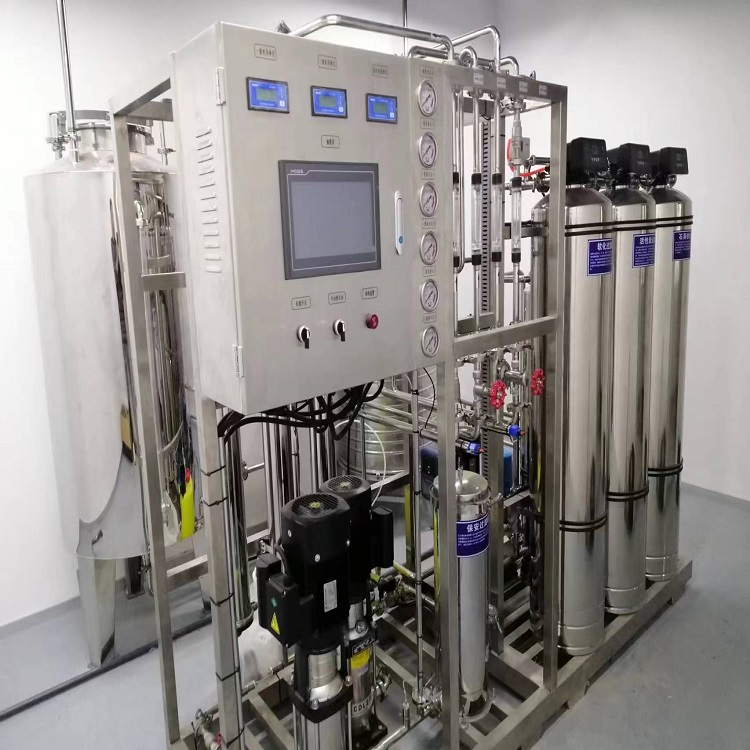
Shanghai industrial pure water production equipment reverse osmosis filtration system with high yield and customizable options, Quankun brand.
详情描述
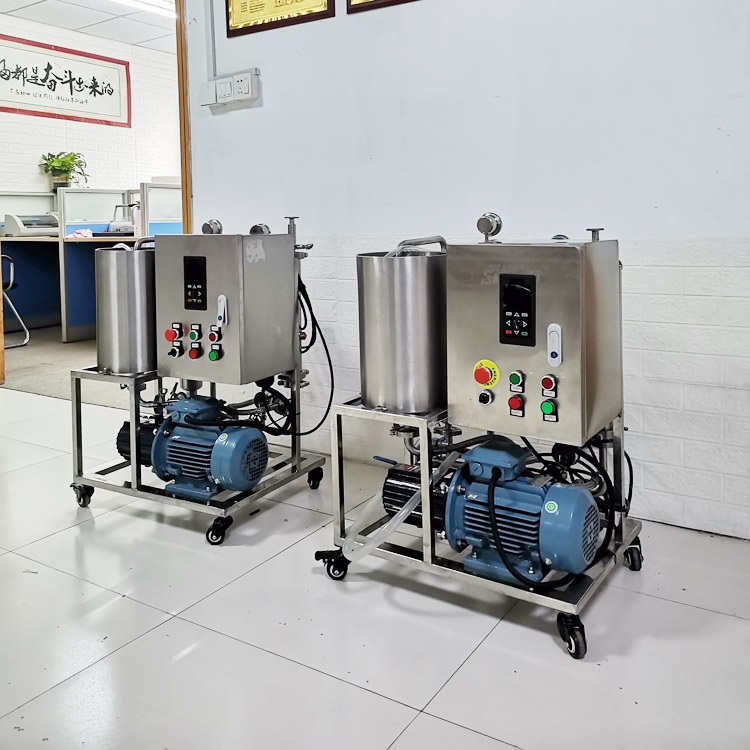
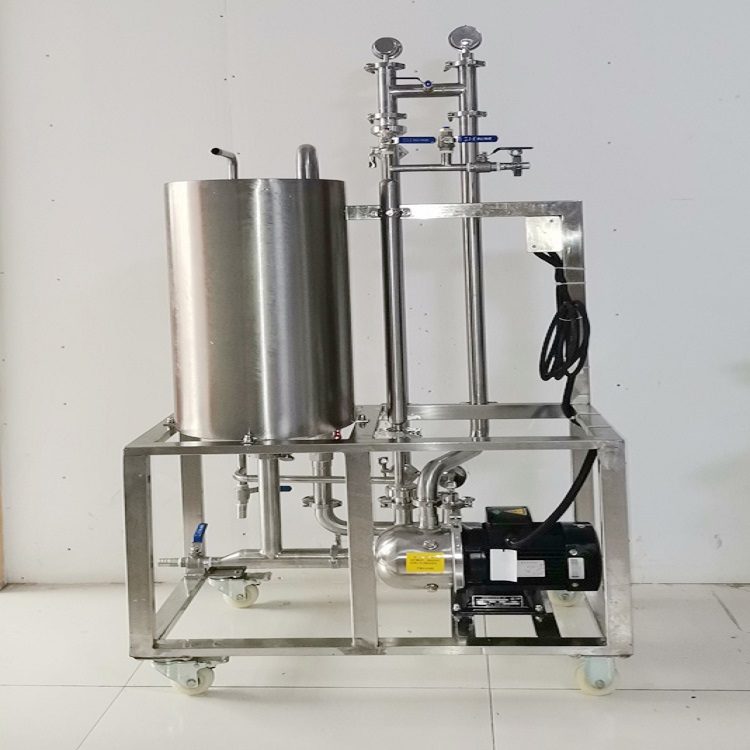
Nanofiltration experimental membrane, stainless steel material - Ceramic membrane separation equipment - High filtration precision - Automated control
A small-scale ceramic membrane experimental equipment is an efficient, low-consumption, and environmentally friendly separation device, with its core component being the ceramic membrane. Made from high-purity ceramic materials, the ceramic membrane boasts excellent properties such as high-temperature resistance, corrosion resistance, and wear resistance. These characteristics enable the ceramic membrane experimental equipment to operate stably under extreme conditions, while ensuring efficient separation results and a longer service life.
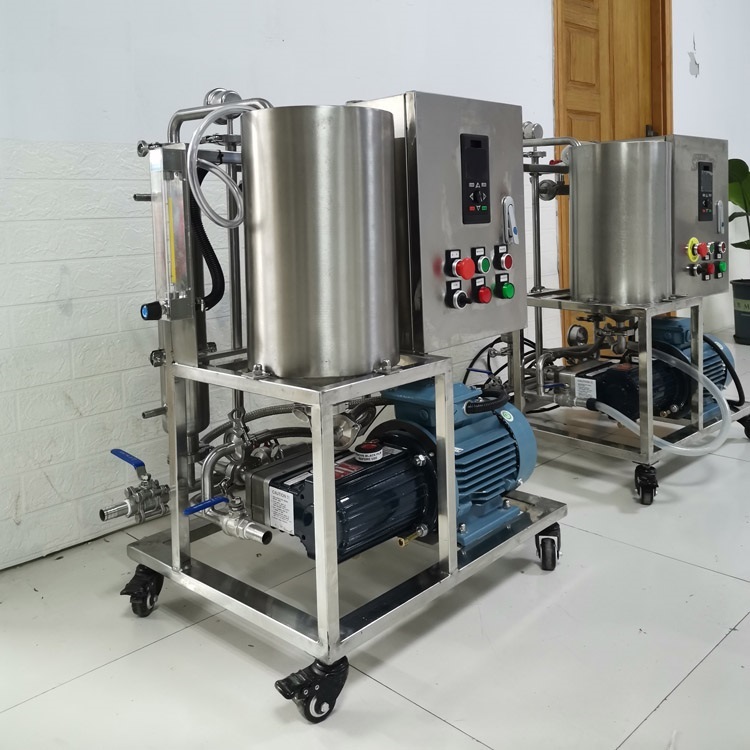
The operational principle of the ceramic membrane equipment is based on its unique membrane separation technology. The liquid to be treated is pumped into the feed system and then into the membrane module. Within the module, the liquid is separated into two parts: pure liquid, which flows out of the equipment through the membrane pores; and a concentrated liquid with impurities, which is discharged through the exhaust system. This separation process is based on the difference in permeability of different substances through the membrane pores, thereby achieving liquid separation, concentration, and purification. Compared to traditional organic membranes, ceramic membranes exhibit higher flux, better retention effects, and a longer service life. This feature enables ceramic membrane experimental equipment to achieve efficient separation and purification of substances in a short time, whether it's intercepting fine particles or screening macromolecular substances, achieving satisfactory results.
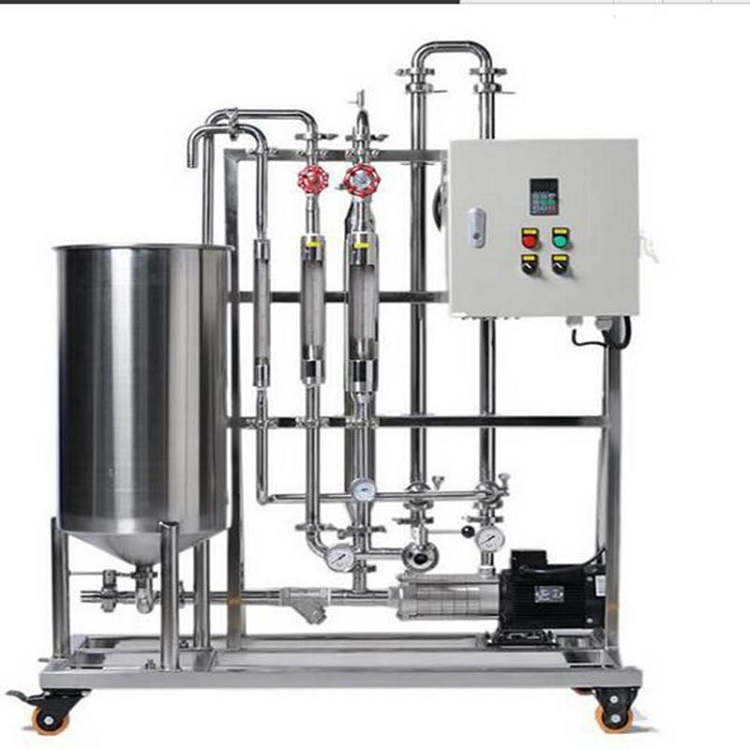

In terms of operation, small-scale ceramic membrane experimental equipment typically includes batch and continuous processes. Batch operation is suitable for handling small sample batches, offering flexibility and ease of control; while continuous operation is ideal for large-scale production, ensuring a consistent supply of high-quality separation products. The choice between these methods depends on specific experimental requirements and production scale.
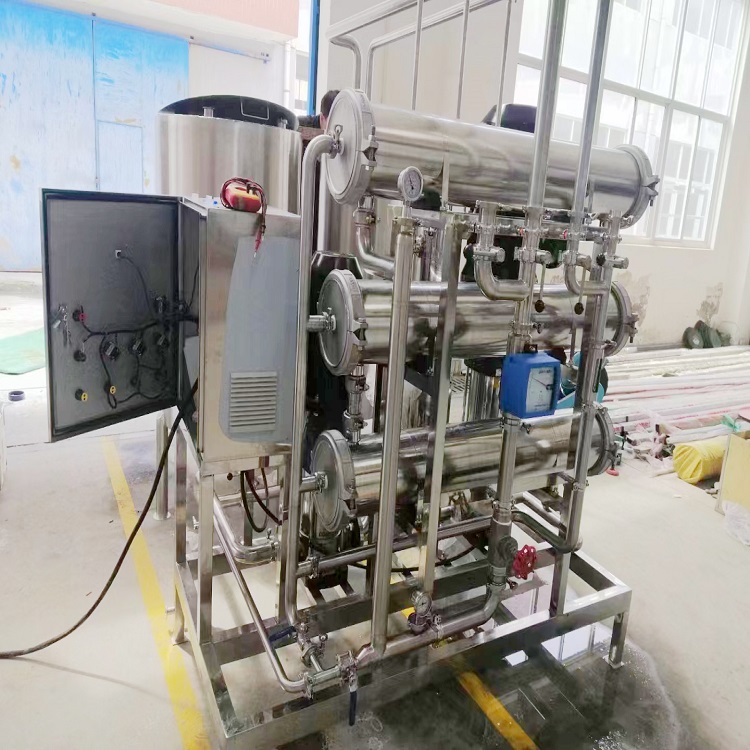
Ceramic membrane equipment is used in crossflow filtration integrated systems for both inorganic ceramic membranes and organic tube membranes. It is widely applied in various fields such as microfilters, ultrafiltration applications, food and beverage processing, deep processing of plants (medicinal), biopharmaceuticals, fermentation, fine chemicals, and more. It can be utilized for separation, purification, purification, concentration, sterilization, and other processes in the manufacturing process. Typical applications include clarification of traditional Chinese medicine liquid, removal of impurities, recovery of microorganisms from fermentation broth, protein recovery, clarification of substances with high solute content or water bodies, concentration of metal nanomaterial powders, cutting of emulsion, and purification of oily wastewater.
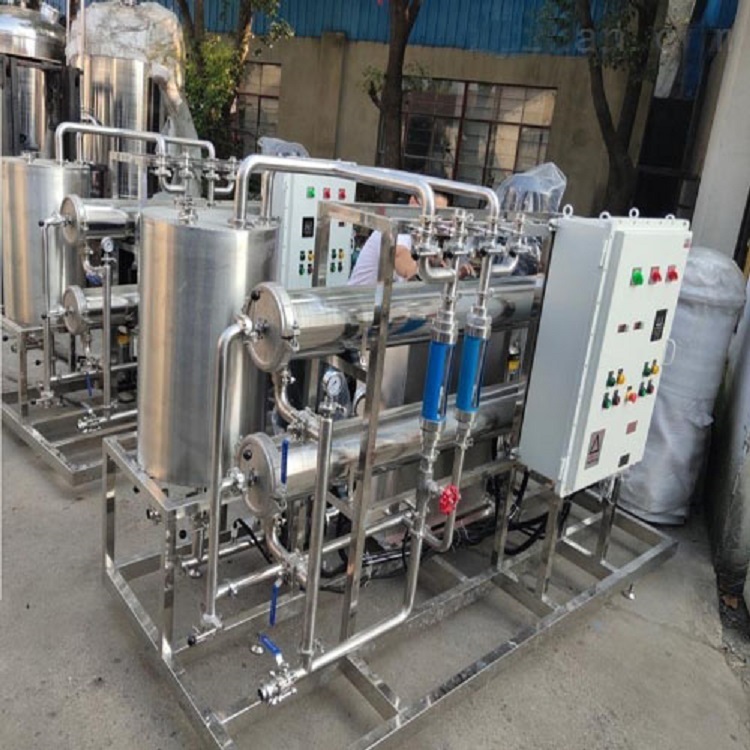
Nanofiltration experimental membrane, stainless steel material - Ceramic membrane separation equipment - High filtration accuracy - Automated control
Ceramic membranes are asymmetric separation membranes made from ceramic materials such as alumina, zirconia, and titania. They come in single-tubular and multi-channel shapes, with micropores coated on the tube walls. Under the effect of working pressure drop, the liquid within the membrane tubes flows erratically. The portions smaller than the pore diameter pass through the membrane pores into the permeate side, becoming filtrate. The substances larger than the pore diameter are blocked by the membrane and become the concentrate, thereby achieving separation and concentration of materials.


