



- AllProduct Category
-
Lab Wastewater Treatment Equipment
Lab Wastewater Treatment Equipment
Ultra-Pure Water Equipment
Membrane Separation Equipment
Pure Water Equipment
Low-Temperature Evaporator
Ultra-Pure Water System
Integrated Wastewater Treatment Equipment
Reverse Osmosis Equipment
Pure Water Equipment
Ceramic Membrane Equipment



Recommended Products
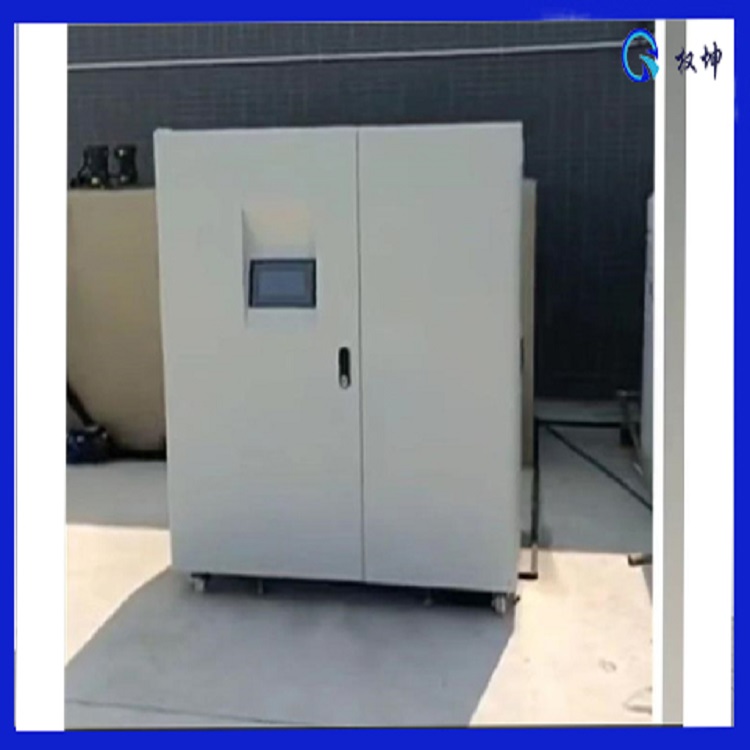
Quan Kun - Comprehensive Laboratory Waste Water Treatment Equipment - Remote Monitoring - Automated Control
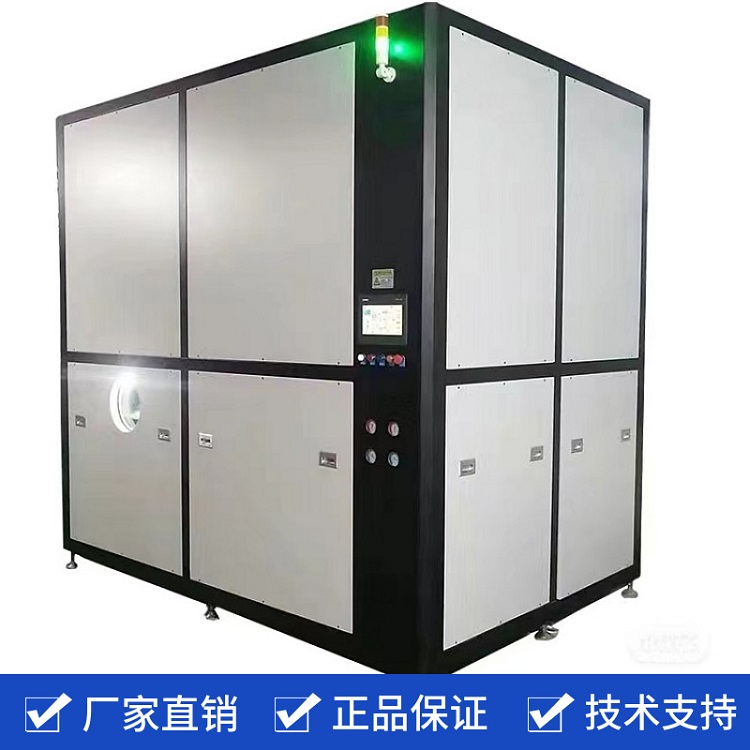
Sodium Chloride Wastewater Low-Temperature Evaporator - Intelligent Automatic - Quankun - Integrated Design
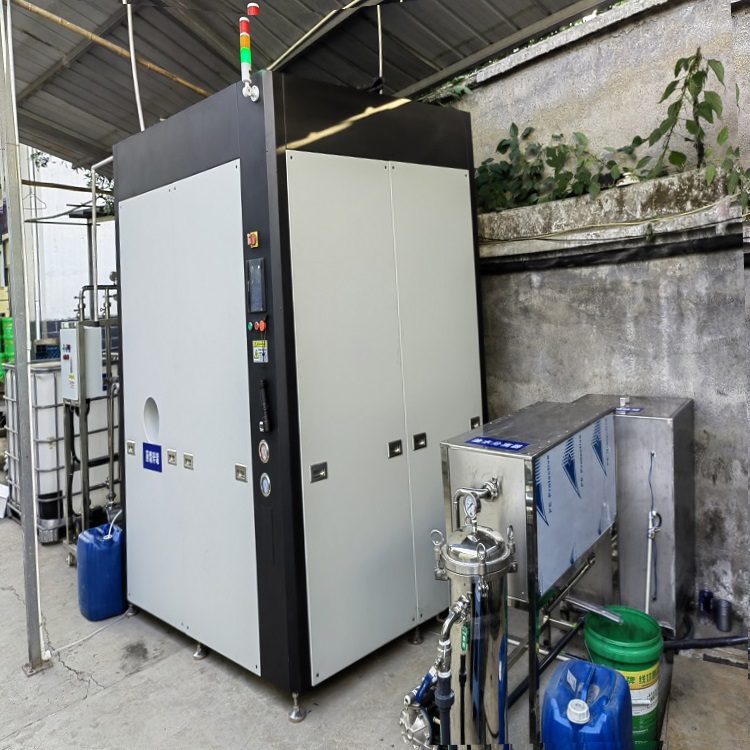
High-Concentration Oil Emulsion Waste Water Treatment Equipment - Quankun - Evaporator Unit - High Concentration Ratio
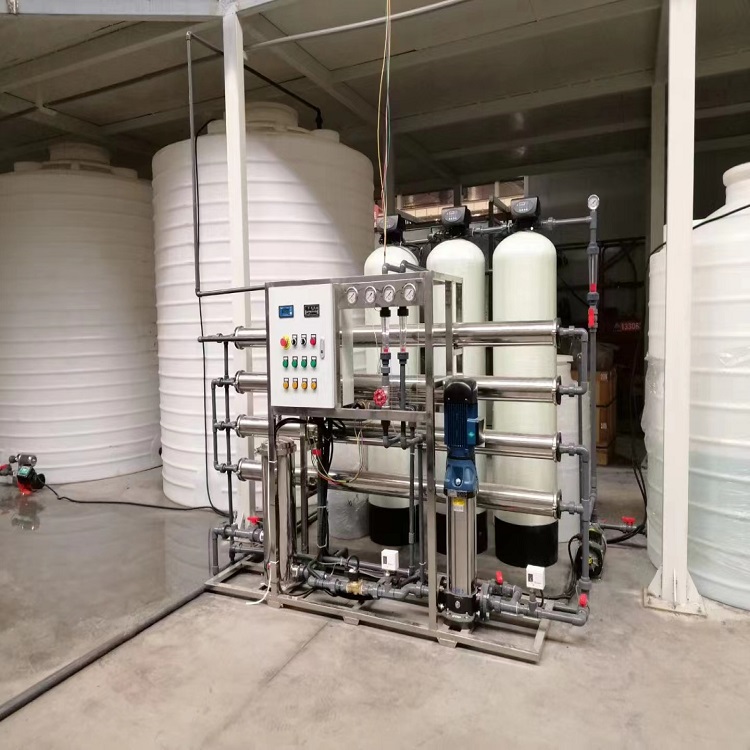
Industrial Pure Water Equipment EDI Ultra-Pure Water System Fully Automatic Control Quankun Environmental Protection
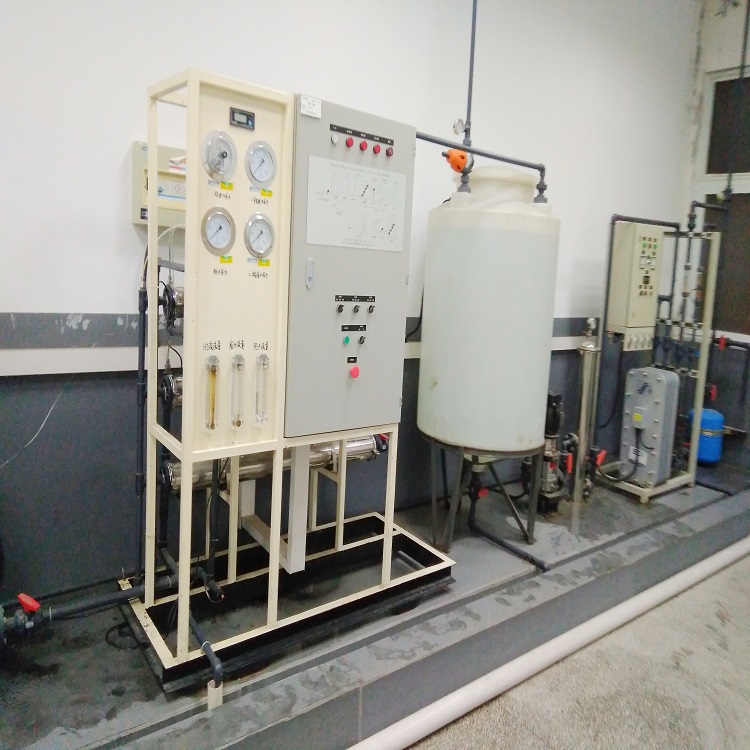
Shenzhen Industrial Ultra-Pure Water Equipment, equipped with EDI system, features low energy consumption and high degree of automation.
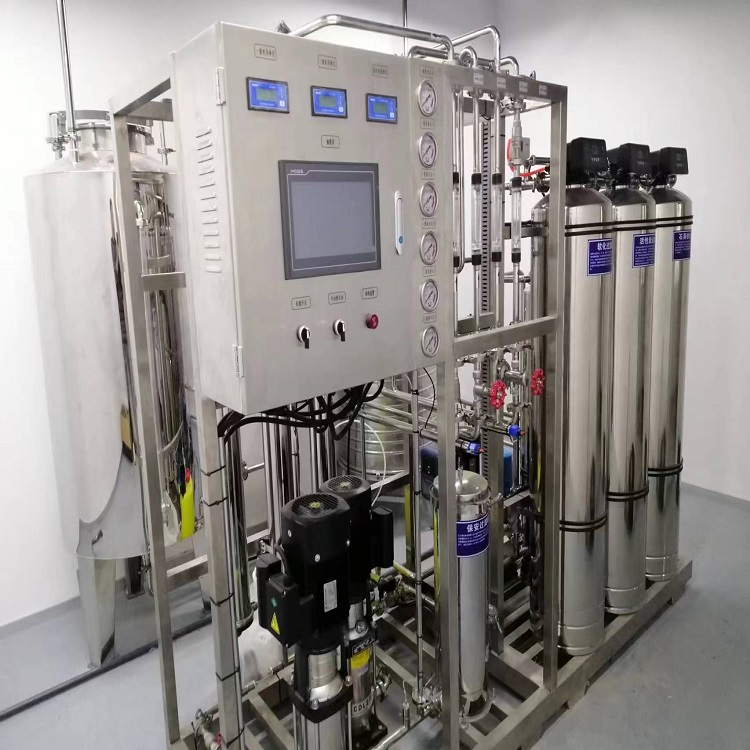
Shanghai industrial pure water production equipment reverse osmosis filtration system with high yield and customizable options, Quankun brand.
详情描述
Ceramic Membrane Equipment Manufacturer - Organic Membrane Separation Experimental Equipment - Durable - Easy to Maintain
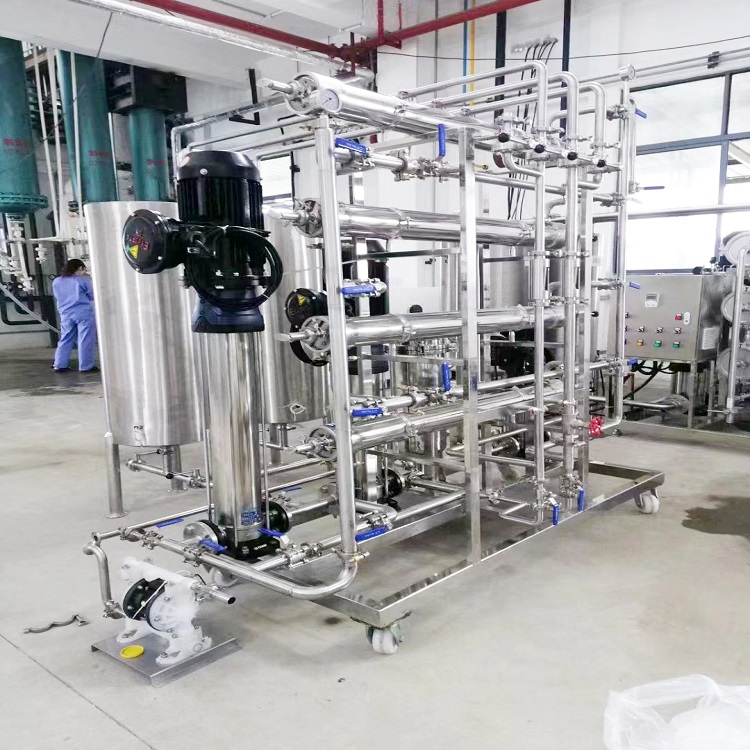
Ceramic membrane equipment is used in crossflow filtration integrated systems for both inorganic ceramic membranes and organic tube membranes. It is widely applied in various fields such as microfiltration, ultrafiltration applications, food and beverage processing, deep processing of plants (medicinal), biopharmaceuticals, fermentation, fine chemicals, and more. It can be utilized for separation, purification, purification, concentration, sterilization, and other processes in the production. Typical applications include clarification of traditional Chinese medicine and pharmaceutical liquids, removal of impurities, recovery of microorganisms from fermentation broth, protein recovery, clarification of substances with high solubility or water bodies, concentration of metal nanomaterial powders, cutting of emulsions, and purification of oily wastewater.
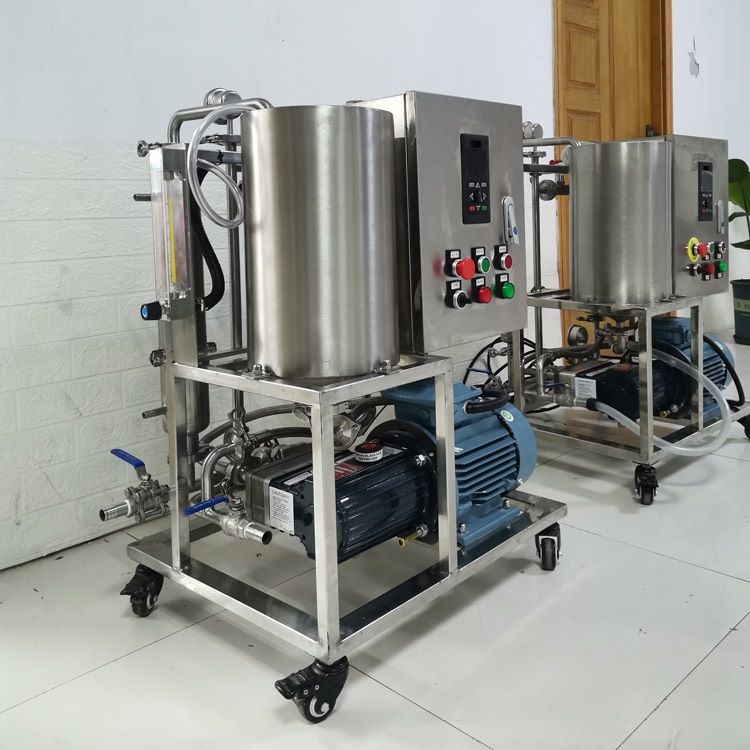
Ceramic membrane equipment consists of membrane components made from ceramic materials, characterized by their unique microporous structure and chemical stability, enabling efficient separation and purification. By pressure driving the solution, ceramic membrane equipment separates substances based on molecular size or other properties, thereby purifying and concentrating liquids or gases. The varying pore sizes and shapes of ceramic materials cater to different application scenarios, such as ultrafiltration, microfiltration, and nanofiltration.
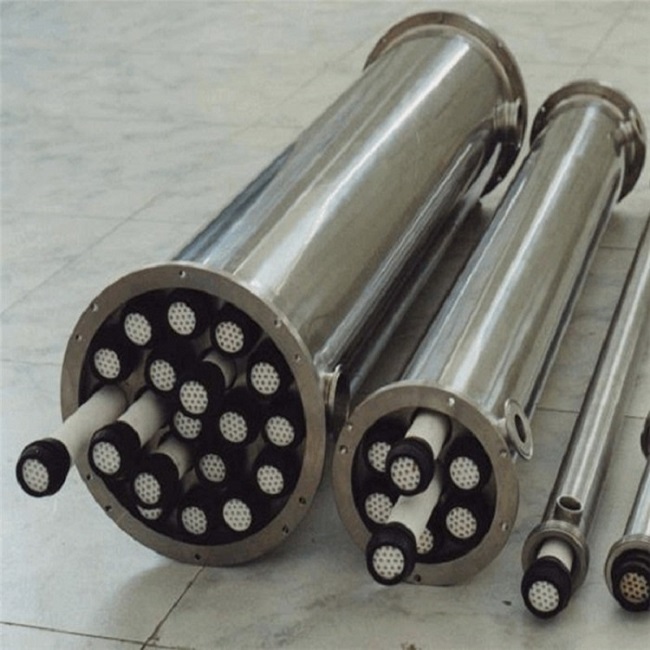
Ceramic membrane equipment applications primarily depend on the viscosity and suspended solids content of the material, selecting ceramic membranes with different pore sizes (0.05um, 0.1um, 0.2um, 0.5um, 1.2um) for separation and clarification. Inorganic ceramic membranes feature high resistance to high temperatures, chemical corrosion, high mechanical strength, strong antimicrobial properties, large permeability, strong cleanability, narrow pore size distribution, excellent separation performance, and long service life. They are widely used in fields such as plant extraction, biopharmaceuticals, food and beverage, and chemical and petrochemical industries.
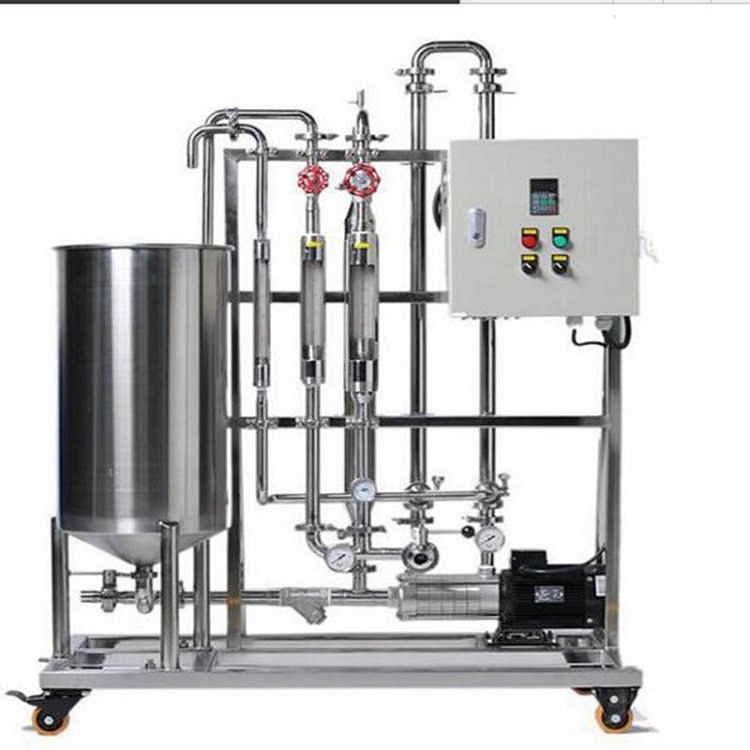
Key Features of Ceramic Membrane Equipment:
High mechanical strength, excellent wear resistance.
2. High-temperature resistant, suitable for high-temperature filtration processes.
3. Long service life, low comprehensive cost of equipment, high cost-performance ratio.
4. Wide pH tolerance range; excellent resistance to acids, alkalis, organic solvents, and strong oxidizers.
5. Easy to clean, suitable for high-temperature sterilization and reverse flushing, ideal for bactericidal filtration process.
6. Long lifespan of 3-5 years, with a low overall cost of ownership and high cost-performance ratio.
7. High degree of automation allows for continuous feeding, continuous discharge of filter sludge, and filtrate.
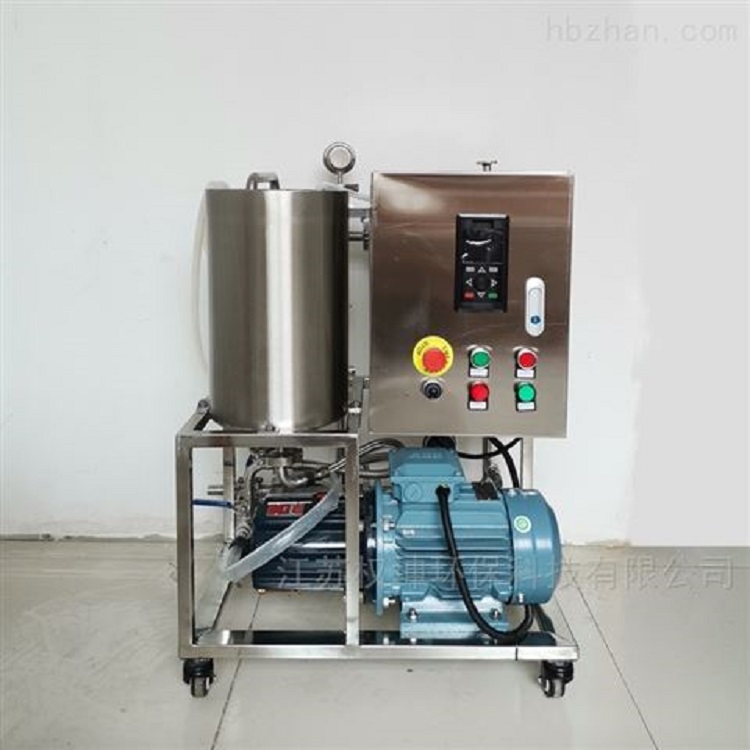
Ceramic Membrane Equipment Manufacturer - Organic Membrane Separation Experimental Equipment - Durable - Easy Maintenance
Product Features:
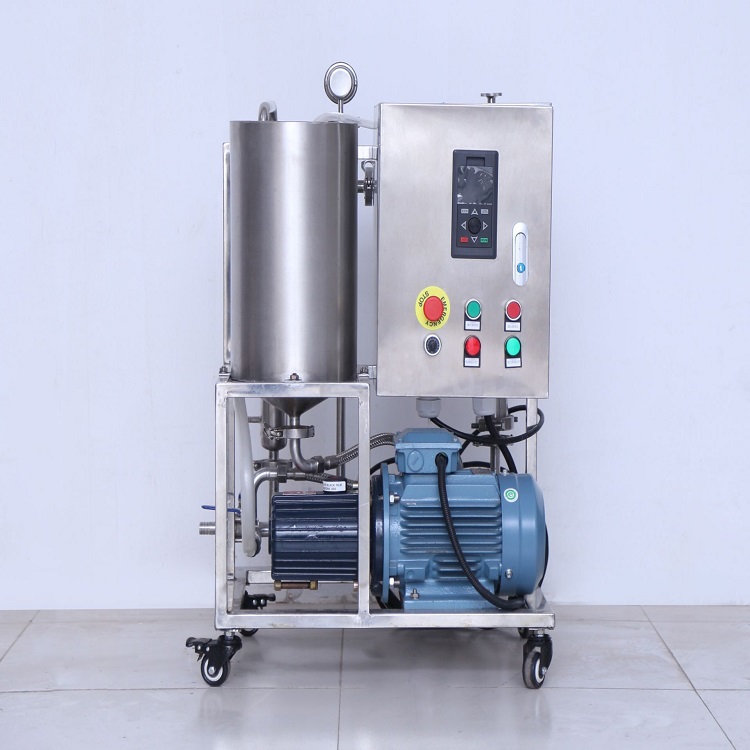
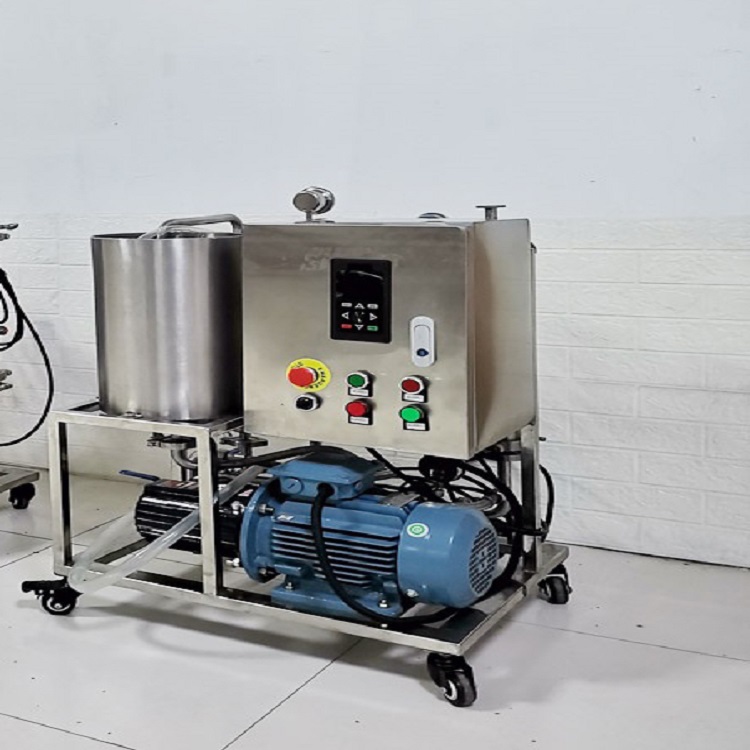
1. Stable power assurance. Utilizes brand-name stainless steel multi-stage centrifugal pumps, featuring low noise, corrosion resistance, strong self-priming capability, and stable pressure; equipped with variable frequency control to avoid water pressure surges, save energy, and reduce consumption. It can freely adjust pressure and flow rate with the aid of a pressure regulating valve.
2. Outstanding structural design. Box-type main unit structure, desktop design, compact and aesthetically pleasing, with exquisite craftsmanship. The system feed and return pipelines use pressure-resistant woven hoses, while the dialysis pipelines use silicone hoses, ensuring easy connection; the main unit system pipelines and accessories are made of hygienic stainless steel, which is high-pressure resistant, corrosion-resistant, and has good sealing properties, making maintenance and upkeep convenient; the process pipelines are designed with an internal circulation system, fully simulating industrial equipment and allowing for experimental data that closely resembles industrial-scale amplification.
3. User-friendly operation design. Desktop-style equipment design, more ergonomically designed for human-machine interaction, easy and simple to operate; compact structure, with a small operating volume; jacketed circulation cylinder design achieves temperature control during operation through an external cooling source (such as tap water or a chilled water unit); equipped with flow, pressure, and temperature gauges for easy monitoring of system parameter changes.
4. Flexible usage conditions. This equipment is suitable for both Φ30*500mm inorganic ceramic membrane cores and organic tubular membrane cores. The ceramic membrane cores can cover filtration precision from 30nm to 1200nm, while the tubular membrane cores can cover molecular weight from 5000 to 250,000 Dalton, meeting various microfiltration and ultrafiltration requirements.


