



- AllProduct Category
-
Lab Wastewater Treatment Equipment
Lab Wastewater Treatment Equipment
Ultra-Pure Water Equipment
Membrane Separation Equipment
Pure Water Equipment
Low-Temperature Evaporator
Ultra-Pure Water System
Integrated Wastewater Treatment Equipment
Reverse Osmosis Equipment
Pure Water Equipment
Ceramic Membrane Equipment



Recommended Products
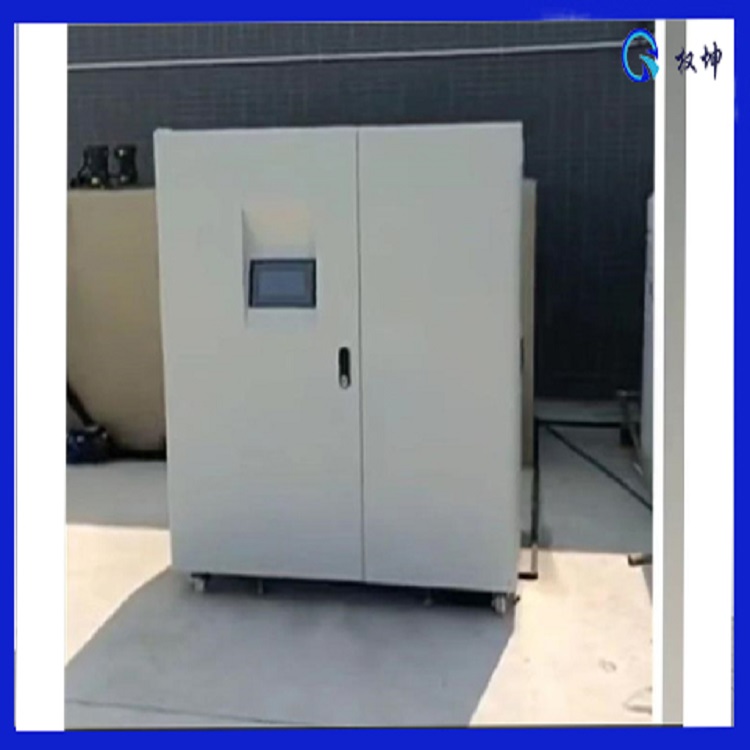
Quan Kun - Comprehensive Laboratory Waste Water Treatment Equipment - Remote Monitoring - Automated Control
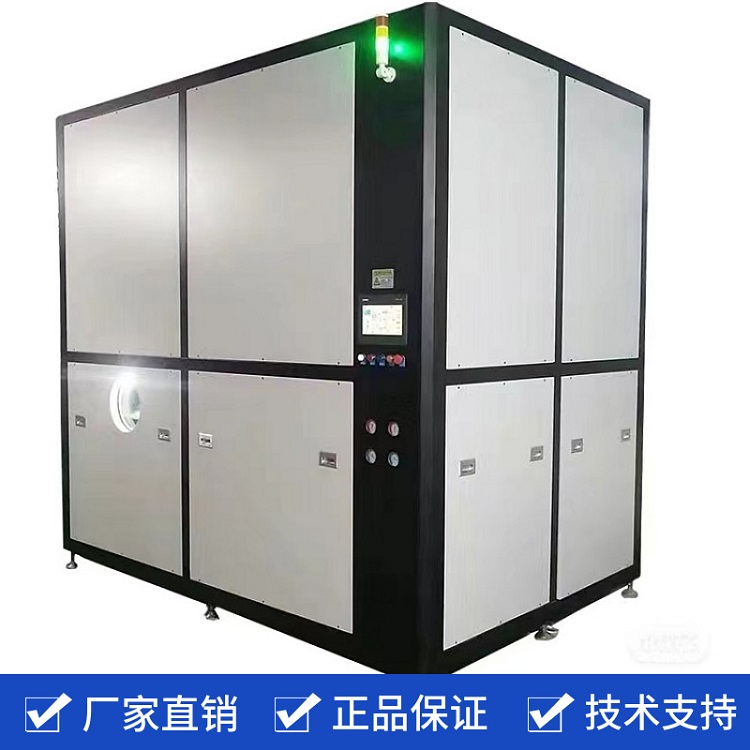
Sodium Chloride Wastewater Low-Temperature Evaporator - Intelligent Automatic - Quankun - Integrated Design
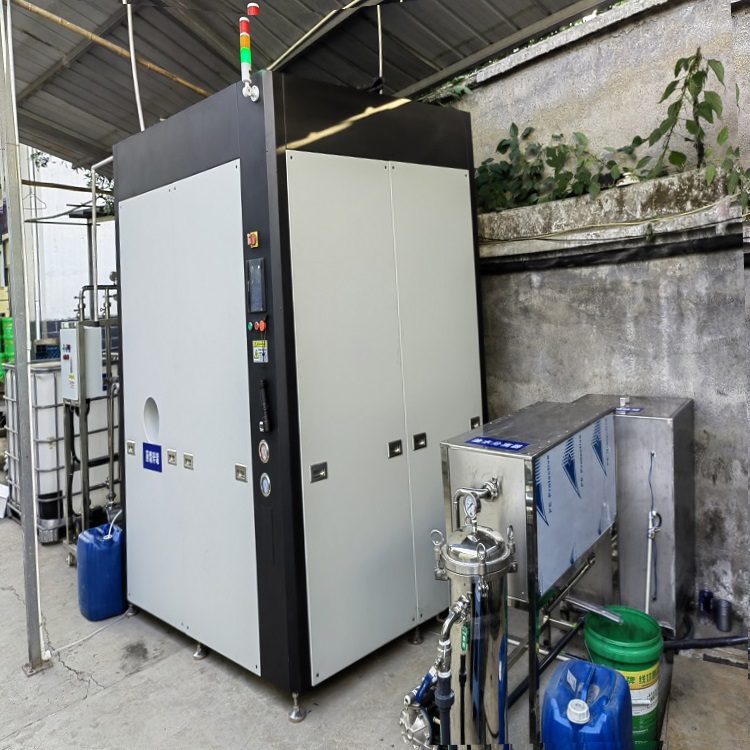
High-Concentration Oil Emulsion Waste Water Treatment Equipment - Quankun - Evaporator Unit - High Concentration Ratio
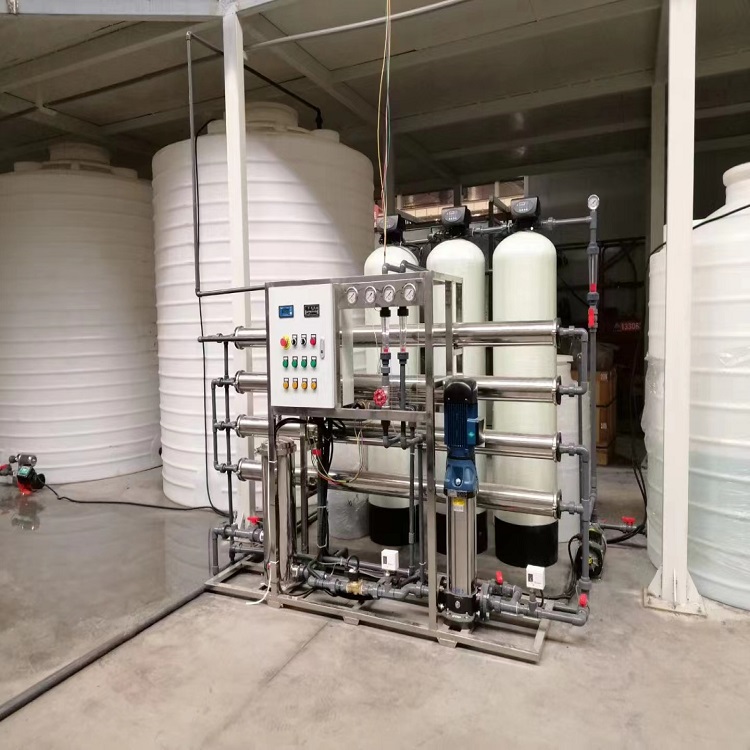
Industrial Pure Water Equipment EDI Ultra-Pure Water System Fully Automatic Control Quankun Environmental Protection
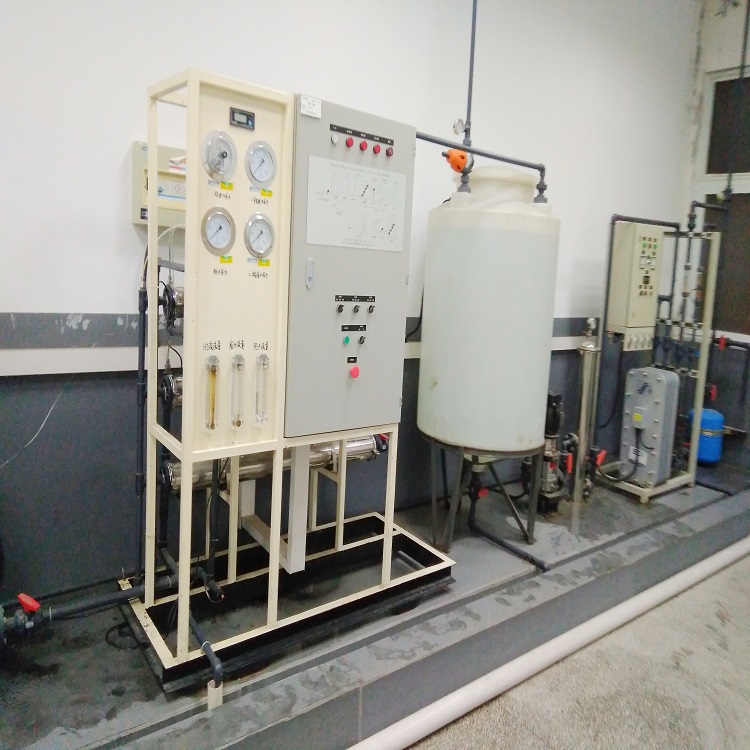
Shenzhen Industrial Ultra-Pure Water Equipment, equipped with EDI system, features low energy consumption and high degree of automation.
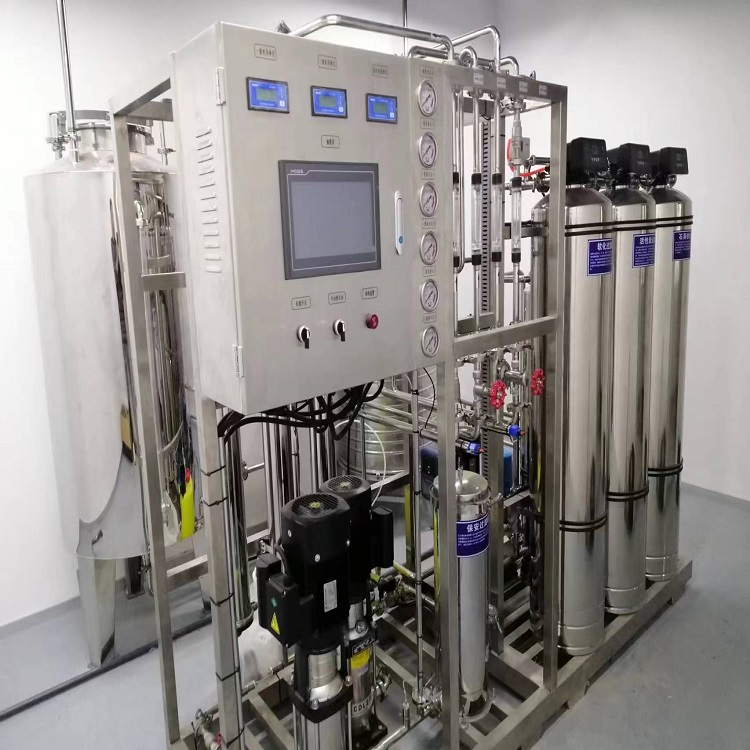
Shanghai industrial pure water production equipment reverse osmosis filtration system with high yield and customizable options, Quankun brand.
详情描述
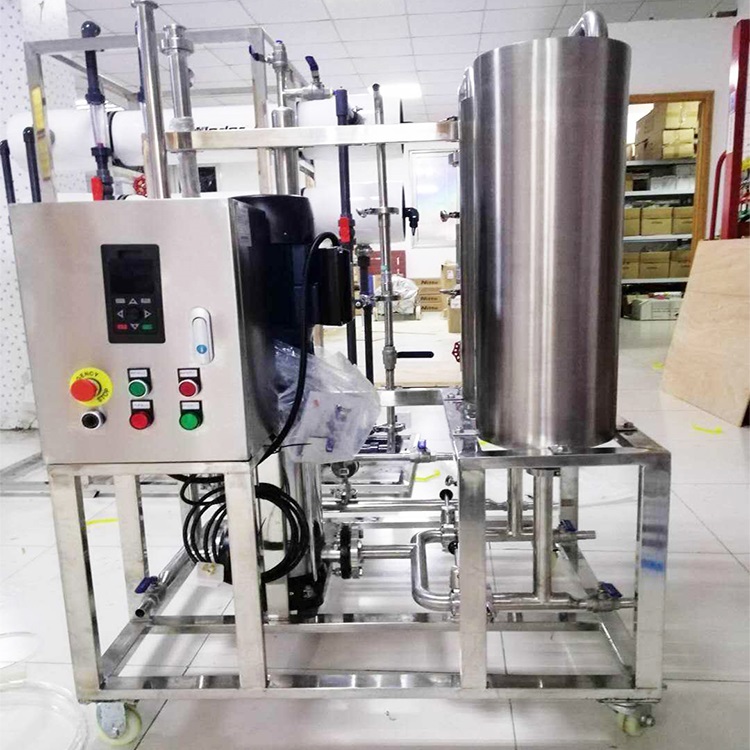
Ceramic Microfiltration Equipment - Easy Installation and Use - Nanofiltration Ceramic Membrane Manufacturer - Material Separation and Concentration
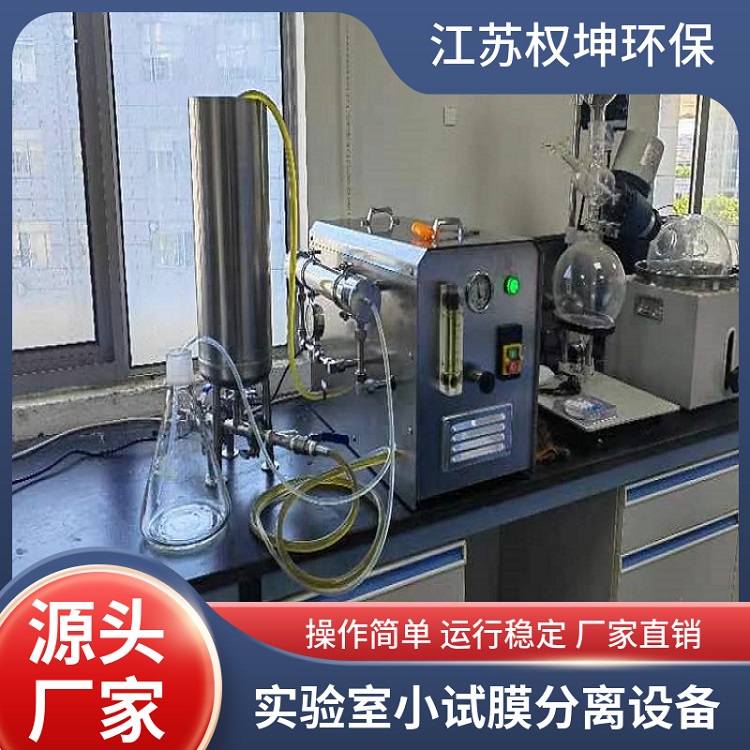
Ceramic membrane equipment, with its excellent corrosion and wear resistance, high separation efficiency, ease of operation, and low energy consumption, has found wide applications in wastewater treatment, chemical separation, and purification fields.
Membrane separation equipment is an efficient separation technology widely used in industries such as industrial, environmental protection, and medical fields. It employs special membrane materials to separate and purify different components through physical or chemical means.
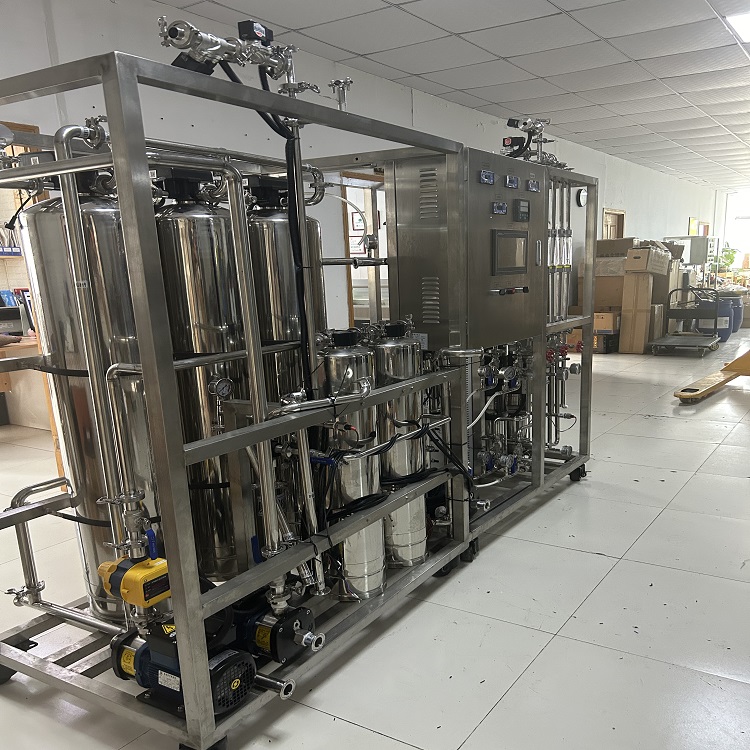
Principle of operation for ceramic membrane equipment:
The working principle of ceramic membrane equipment is primarily based on membrane separation technology. During operation, the raw material liquid is first pumped into the membrane module. Due to the specific pore size and permeability of the ceramic membrane, only solutes or solvents with particle sizes smaller than the membrane pore size can pass through the membrane and enter the permeate side. Larger molecules or solid particles are retained by the membrane and returned to the circulating tank with the回流液. Through continuous cycling operations, different components in the raw material liquid are effectively separated, thereby achieving purposes such as concentration and purification.

The separation efficiency of ceramic membrane equipment primarily depends on the pore size, distribution, and permeability of the membrane. Therefore, during the design and manufacturing process of the equipment, it is necessary to control and optimize the performance of the membrane to ensure it meets the requirements of practical applications.
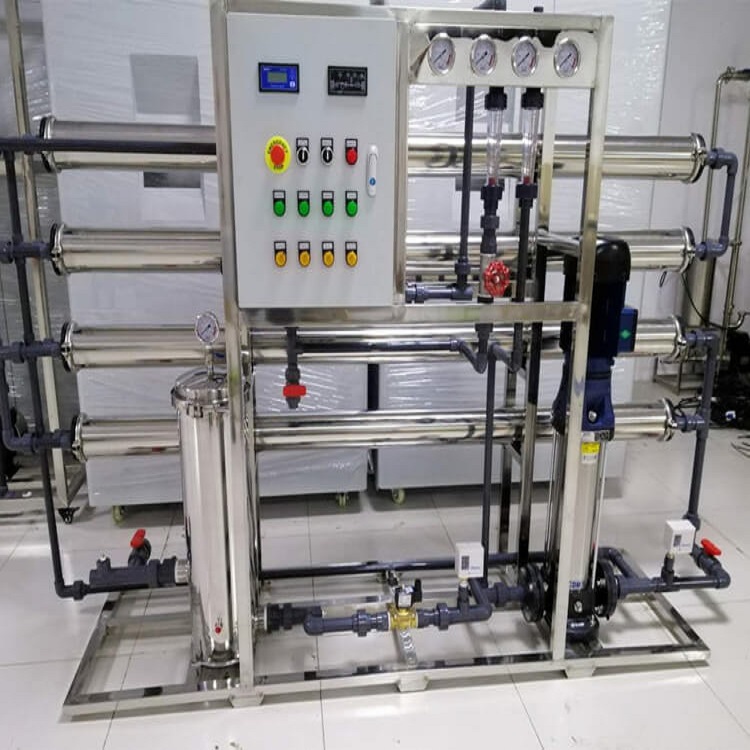
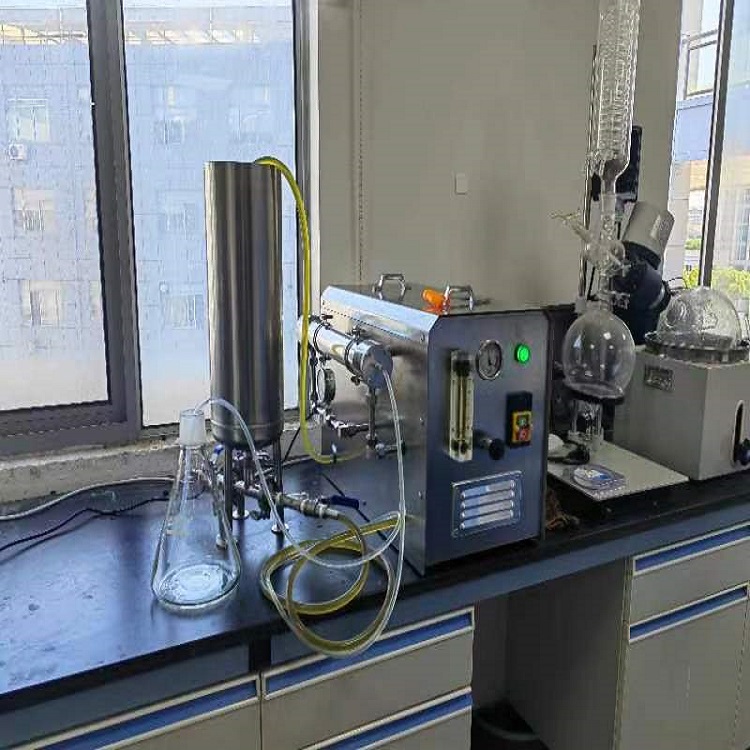
Ceramic Microfiltration Equipment - Easy Installation & Operation - Nanofiltration Ceramic Membrane Manufacturer - Physical Separation and Concentration
Characteristics of ceramic film equipment:
Corrosion Resistance: The ceramic membrane equipment is made from ceramic materials, offering excellent corrosion resistance. This enables the equipment to handle various corrosive substances such as acids, alkalis, and salts without undergoing deterioration or damage. Consequently, ceramic membrane equipment has a wide range of applications in industries such as chemicals.
2. Abrasion and Impact Resistance: The ceramic coating boasts excellent wear resistance and impact resistance, ensuring stable operation under high flow rates and pressure differentials. This contributes to a longer service life of the equipment and reduces maintenance costs.
3. High Separation Efficiency: Ceramic membrane equipment boasts excellent separation performance, effectively separating various components in the raw material liquid. Additionally, due to the good permeability of ceramic membranes, the equipment has a high flux, capable of meeting the requirements of large-scale production.
4. Easy Operation: Ceramic membrane equipment commonly employs automated control systems, enabling automatic control of processes such as feeding, separation, and cleaning. This not only reduces operation difficulty and labor costs but also enhances production efficiency.
5. Low Energy Consumption: Ceramic membrane equipment has lower resistance, resulting in relatively lower energy consumption during operation. This provides the equipment with a significant cost advantage in operation, meeting the requirements of modern industry for energy saving and emission reduction.
6. Flexibility and Scalability: Ceramic membrane equipment can be flexibly configured and expanded to meet actual requirements. Whether it's the scale of the equipment, the type of membrane components, or operational parameters, adjustments and optimizations can be made according to specific circumstances to cater to the application needs of different fields and scenarios.


