



- AllProduct Category
-
Lab Wastewater Treatment Equipment
Lab Wastewater Treatment Equipment
Ultra-Pure Water Equipment
Membrane Separation Equipment
Pure Water Equipment
Low-Temperature Evaporator
Ultra-Pure Water System
Integrated Wastewater Treatment Equipment
Reverse Osmosis Equipment
Pure Water Equipment
Ceramic Membrane Equipment



Recommended Products
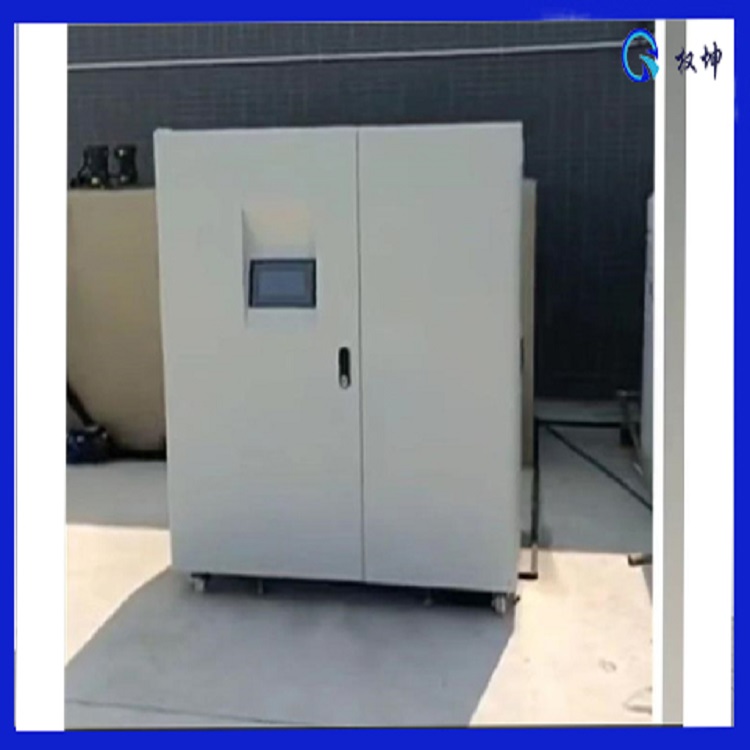
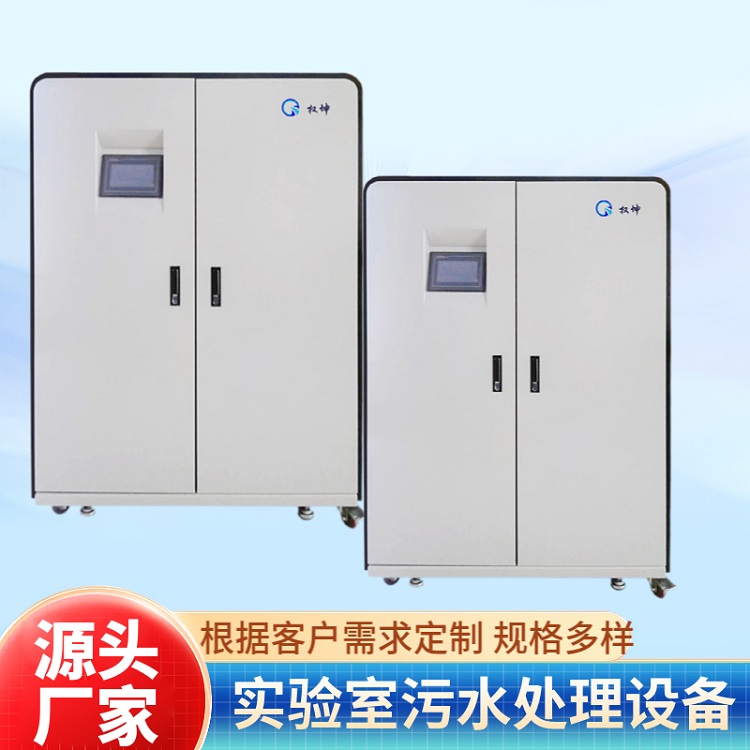
Quan Kun - Comprehensive Laboratory Waste Water Treatment Equipment - Remote Monitoring - Automated Control
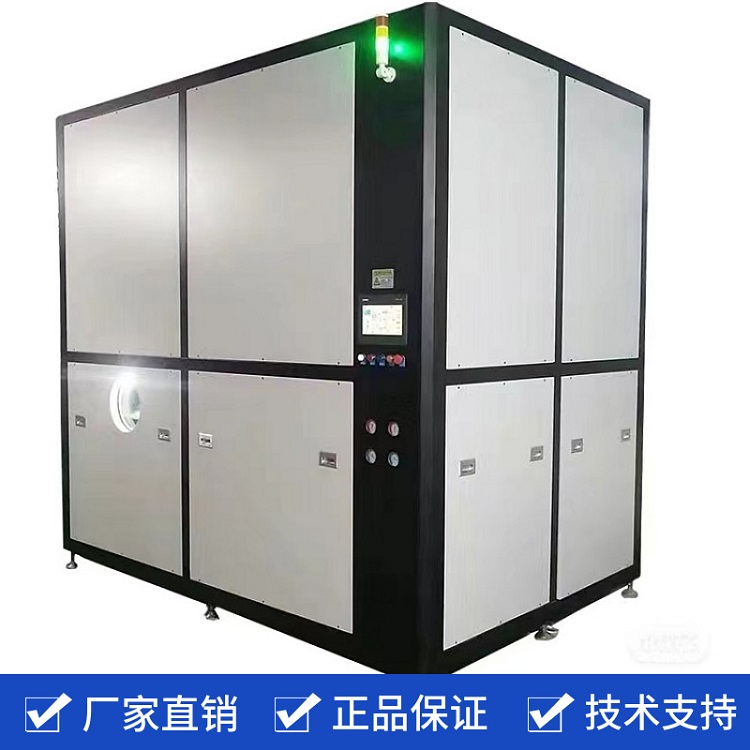
Sodium Chloride Wastewater Low-Temperature Evaporator - Intelligent Automatic - Quankun - Integrated Design
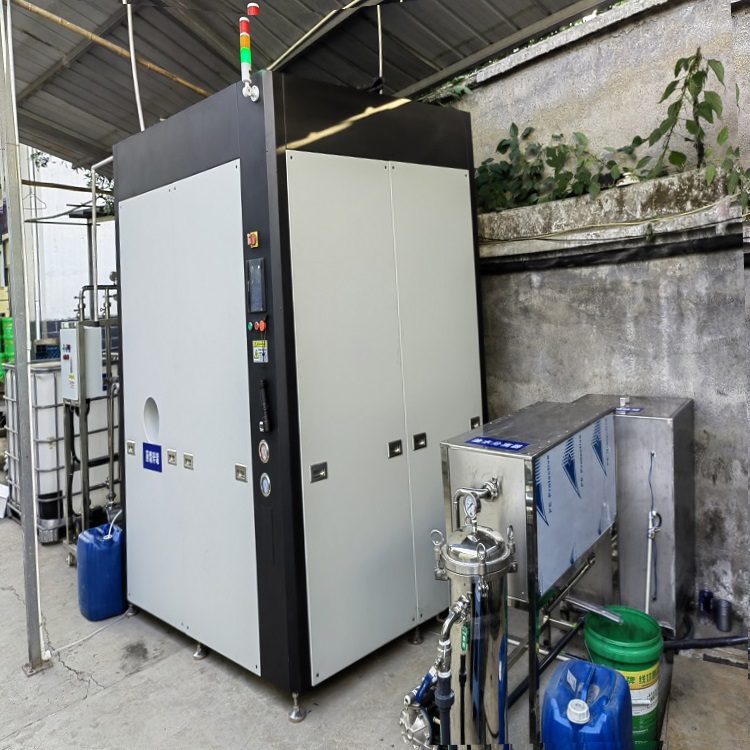
High-Concentration Oil Emulsion Waste Water Treatment Equipment - Quankun - Evaporator Unit - High Concentration Ratio
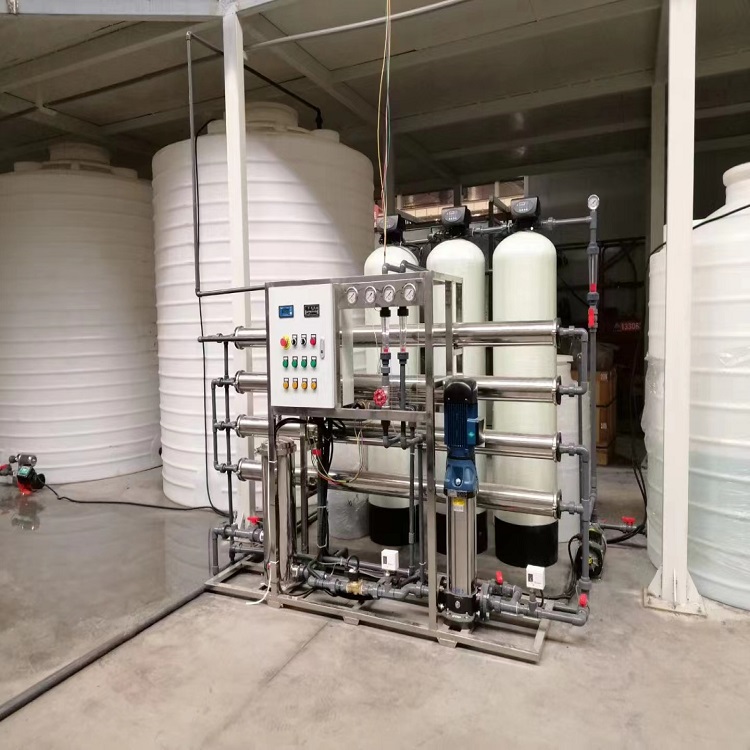
Industrial Pure Water Equipment EDI Ultra-Pure Water System Fully Automatic Control Quankun Environmental Protection
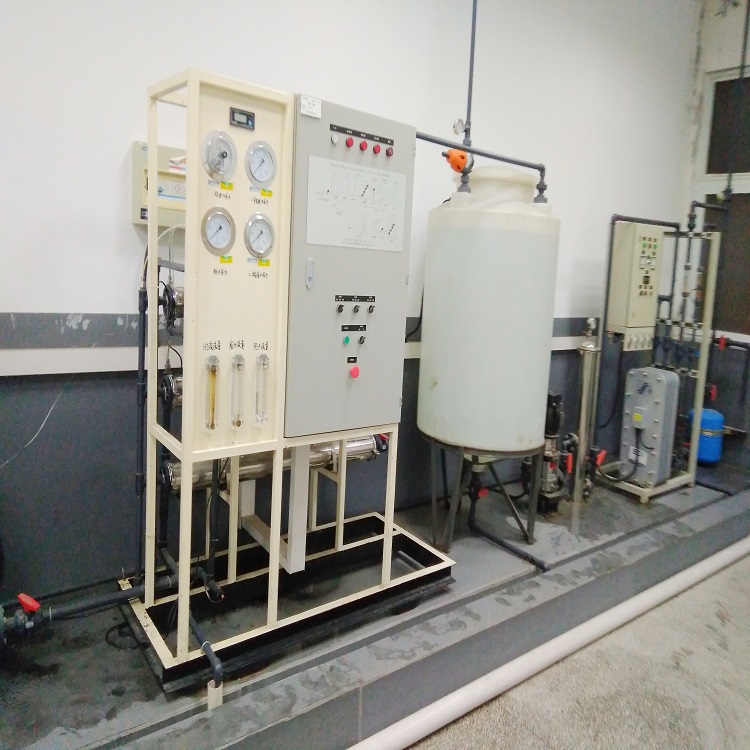
Shenzhen Industrial Ultra-Pure Water Equipment, equipped with EDI system, features low energy consumption and high degree of automation.
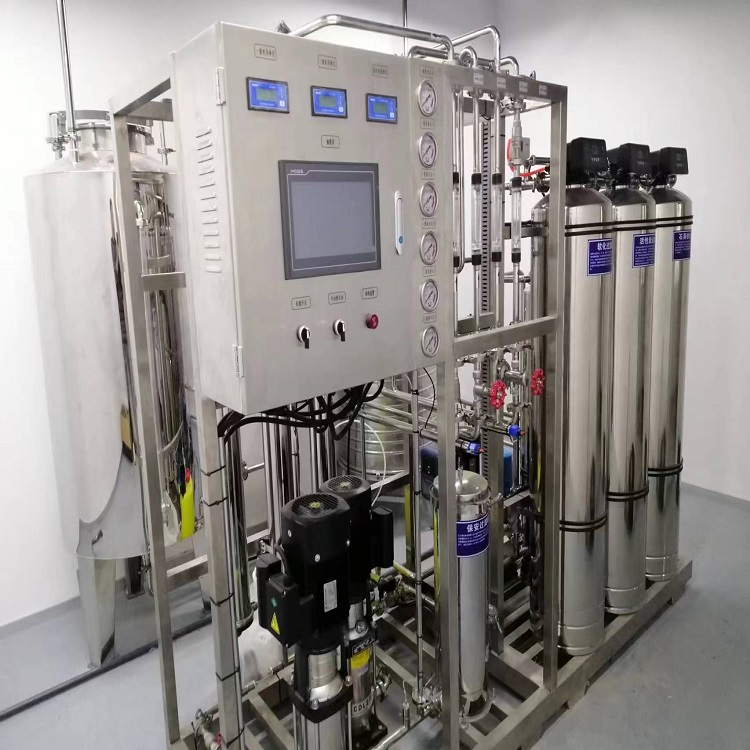
Shanghai industrial pure water production equipment reverse osmosis filtration system with high yield and customizable options, Quankun brand.
详情描述
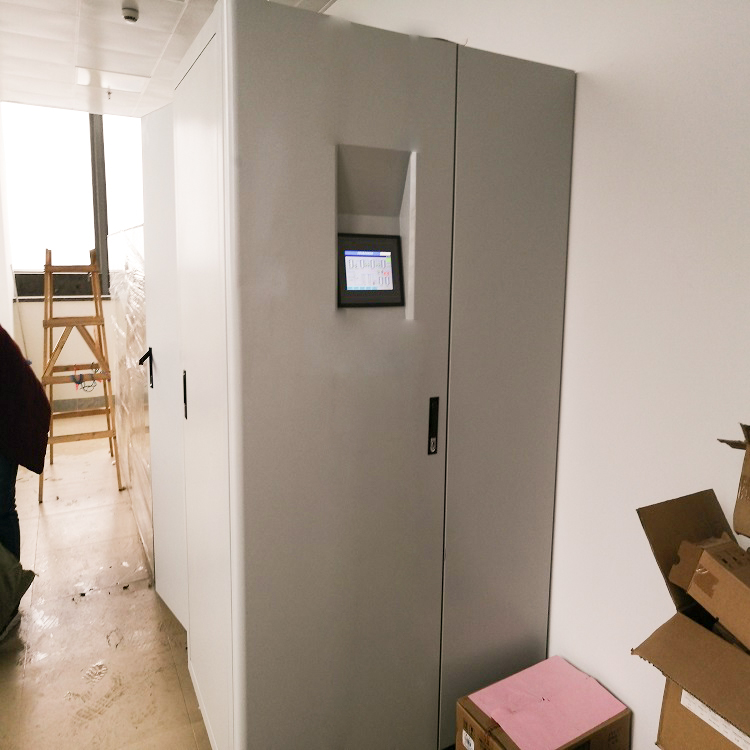
Laboratory Wastewater Treatment Equipment Quotation / Quankun Laboratory Waste Water Treatment Integrated Equipment / Installation
Laboratory wastewater primarily originates from research and teaching labs in chemistry, materials science, and life sciences. It mainly includes various waste acids and bases, toxic organic compounds, heavy metals, pathogenic microorganisms, etc. The composition of pollutants in different wastewater varies, as does the treatment methods and degrees. Laboratory wastewater treatment should be categorized for collection, treated on-site and promptly, with simple operations, and adhere to the principles of elimination and cost reduction. Generally, laboratory wastewater can be classified into the following categories.
High concentration laboratory wastewater and low concentration laboratory wastewater can be categorized based on pollution levels. High concentration experimental wastewater includes general liquid ineffective reagents (waste acids, bases, organic solvents, etc.), liquid experimental waste or by-products, sample analysis residues, liquid products and by-products, and cleaning liquids after dramatic experiments. Low concentration experimental wastewater includes low concentration washing water for experimental instruments and products, general chemical reaction products, low-toxic low-concentration waste reagents, laboratory cleaning and hygiene water, and cooling water.
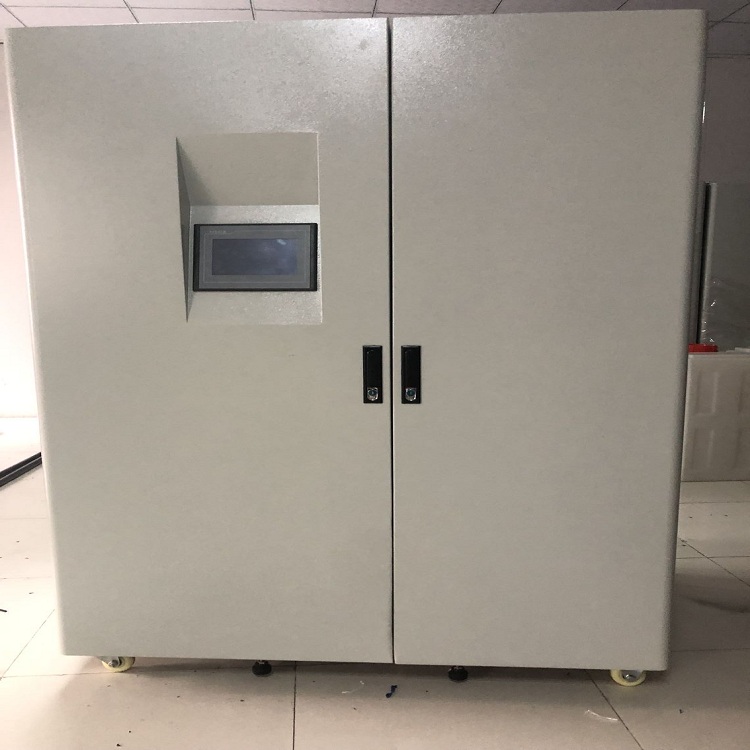
Based on the nature of the main pollutants in wastewater, it can be categorized into two types: laboratory organic and inorganic wastewater. Inorganic wastewater primarily includes heavy metals, metal complexes, acids and bases, strong bases, arsenic compounds, sulfides, halide ions, and other inorganic ions. Organic wastewater encompasses general organic solvents, organic acids, ethers, polychlorinated biphenyls, organic phosphorus compounds, phenols, petroleum products, and oils. Compared to inorganic wastewater, organic wastewater has a broader pollution range and poses greater harm.
Biological wastewater primarily originates from biosafety laboratories, containing pollutants such as culture medium, growth medium, and liquid biological specimens tested in the lab, along with a small amount of wash water from experimental equipment and animal cages. The pollutants are mainly pathogenic bacteria, free of heavy metal ions, with good biochemical properties and a high content of pathogenic microorganisms.
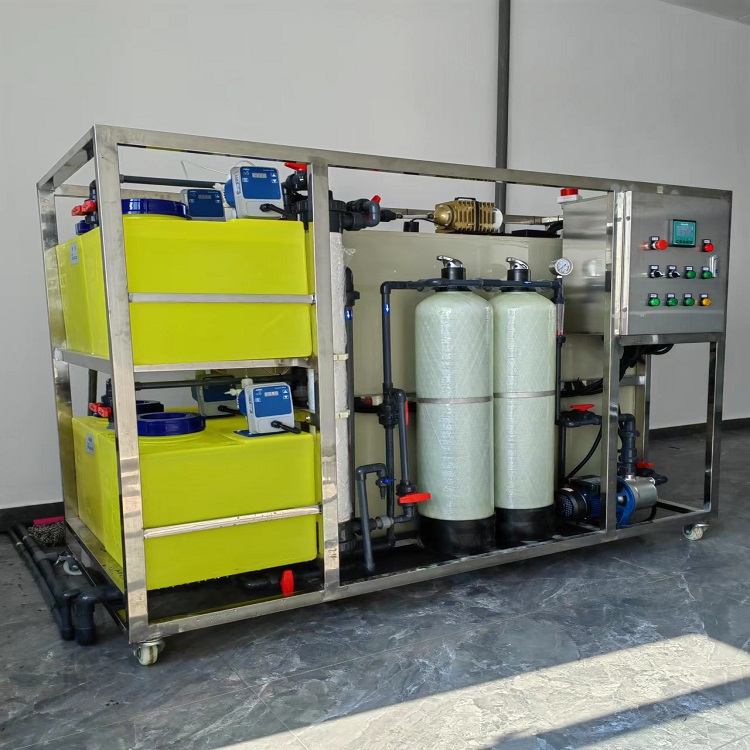
Operating Principle:
Laboratory wastewater treatment equipment primarily utilizes a combination of physical, chemical, and biological methods for treatment. Physical methods mainly include sedimentation, filtration, and adsorption; chemical methods mainly involve oxidation, reduction, and neutralization; and biological methods mainly consist of aerobic and anaerobic treatment. By employing these methods in conjunction, pollutants in laboratory wastewater can be effectively removed, meeting national discharge standards.
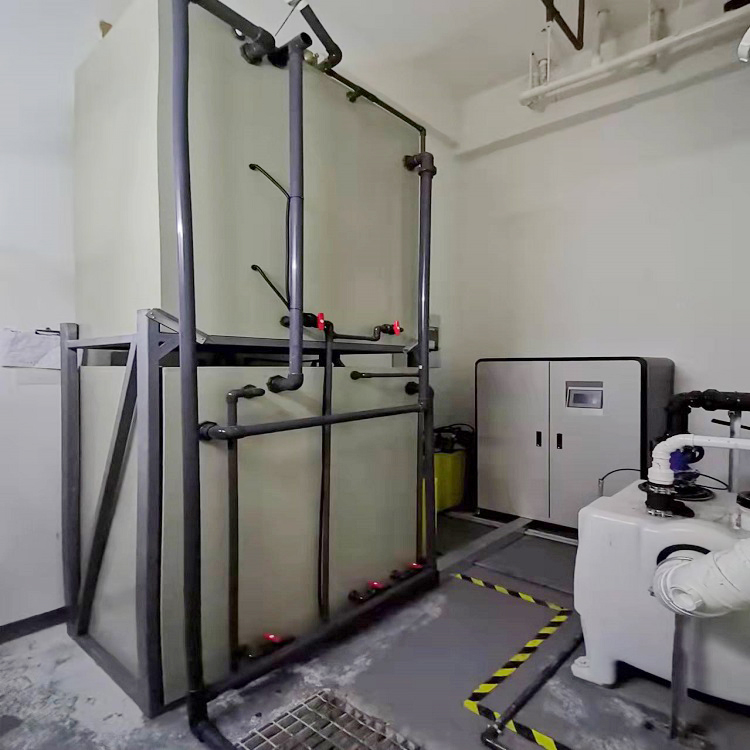
Laboratory Waste Water Treatment Equipment Quotation / Quankun Laboratory Waste Water Treatment Integrated Equipment / Installation
Equipment Types:
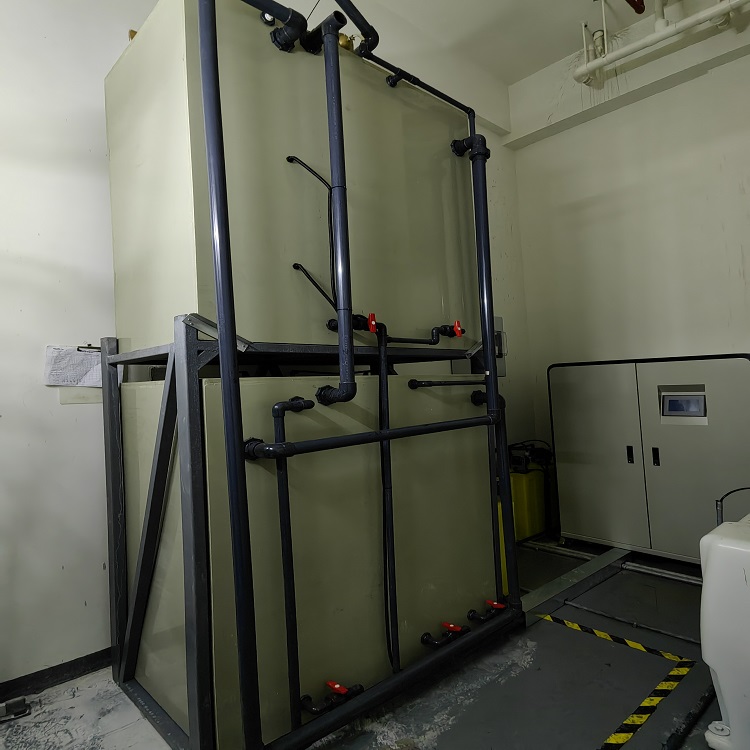
Common laboratory wastewater treatment equipment includes sedimentation tanks, filters, adsorption columns, and biological reactors. The sedimentation tank is primarily used to remove suspended solids and heavy metal ions from wastewater; the filter is mainly for removing particulates and organic matter; the adsorption column is primarily used to remove organic matter and certain heavy metal ions; and the biological reactor is mainly for removing organic matter and ammonia nitrogen from wastewater.


