




- AllProduct Category
-
Lab Wastewater Treatment Equipment
Lab Wastewater Treatment Equipment
Ultra-Pure Water Equipment
Membrane Separation Equipment
Pure Water Equipment
Low-Temperature Evaporator
Ultra-Pure Water System
Integrated Wastewater Treatment Equipment
Reverse Osmosis Equipment
Pure Water Equipment
Ceramic Membrane Equipment



Recommended Products
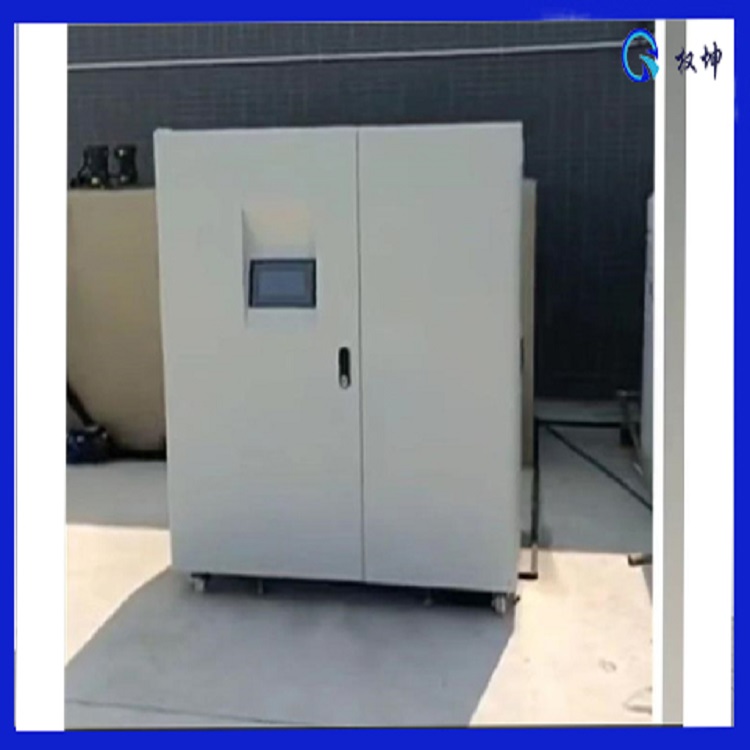
Quan Kun - Comprehensive Laboratory Waste Water Treatment Equipment - Remote Monitoring - Automated Control
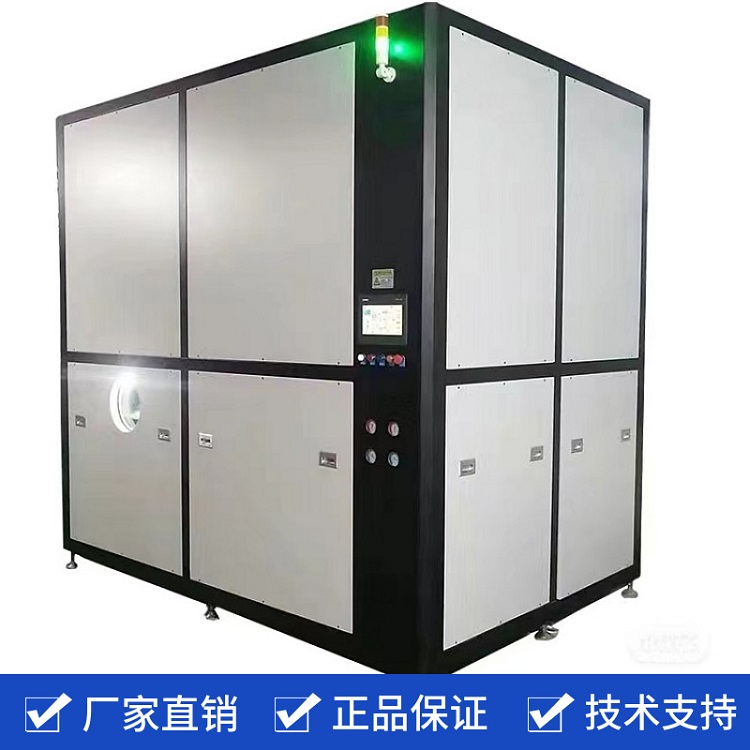
Sodium Chloride Wastewater Low-Temperature Evaporator - Intelligent Automatic - Quankun - Integrated Design
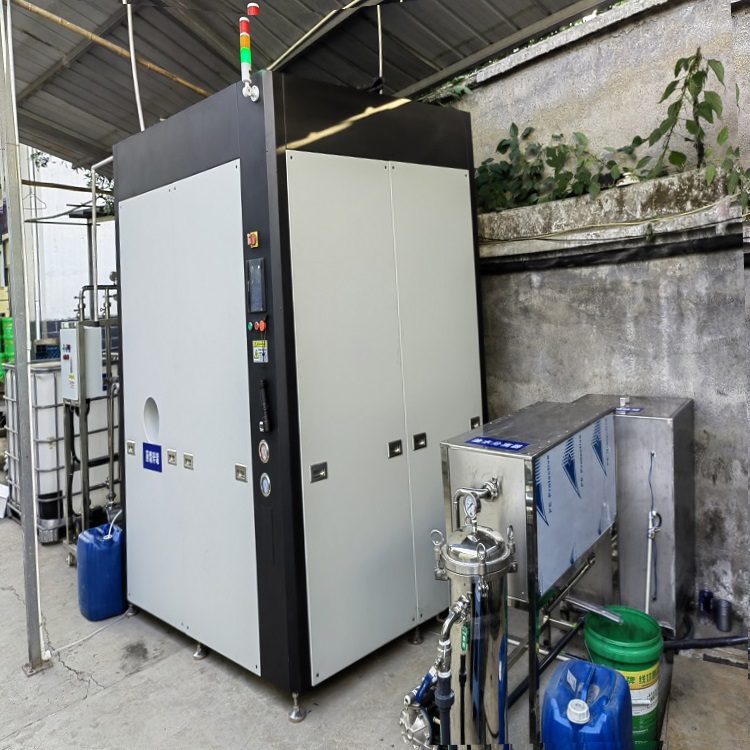
High-Concentration Oil Emulsion Waste Water Treatment Equipment - Quankun - Evaporator Unit - High Concentration Ratio
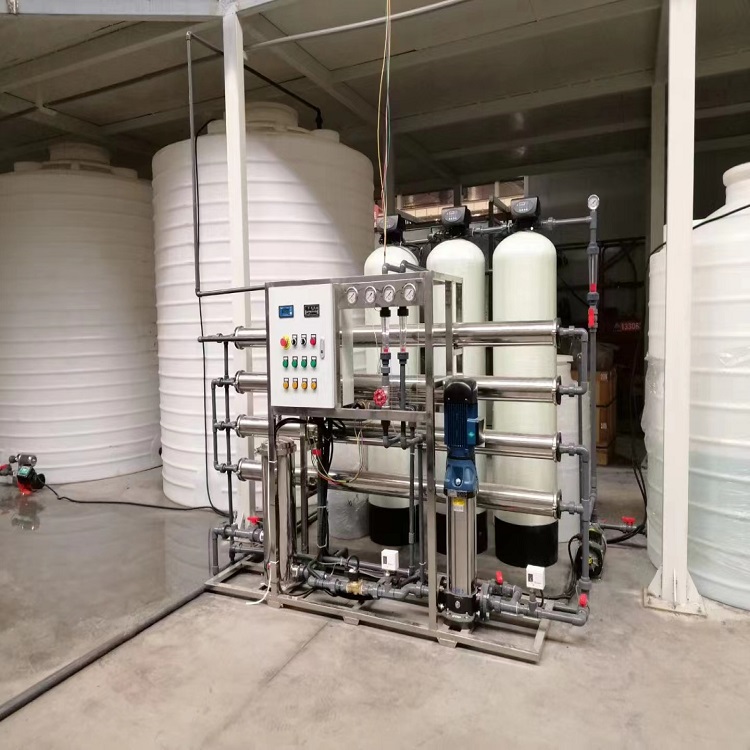
Industrial Pure Water Equipment EDI Ultra-Pure Water System Fully Automatic Control Quankun Environmental Protection
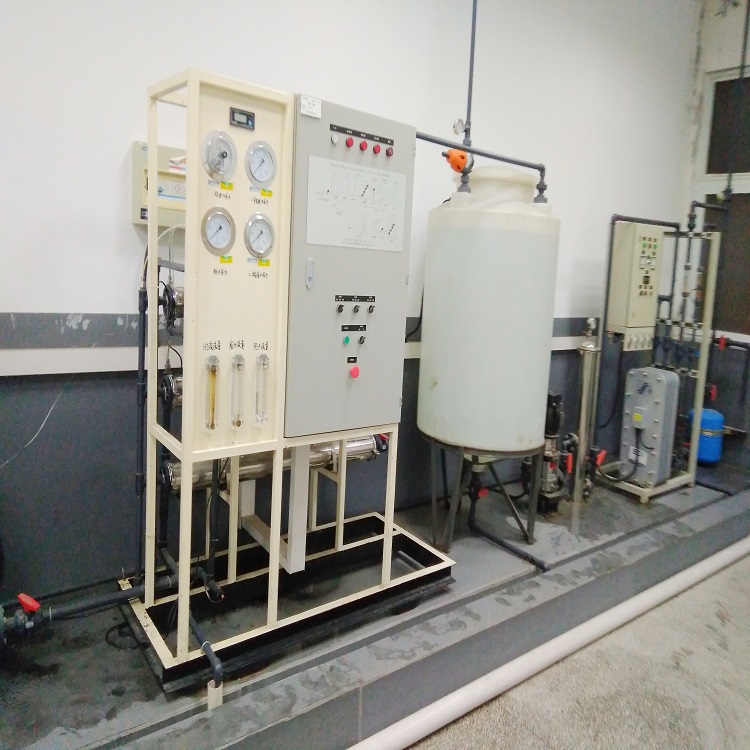
Shenzhen Industrial Ultra-Pure Water Equipment, equipped with EDI system, features low energy consumption and high degree of automation.
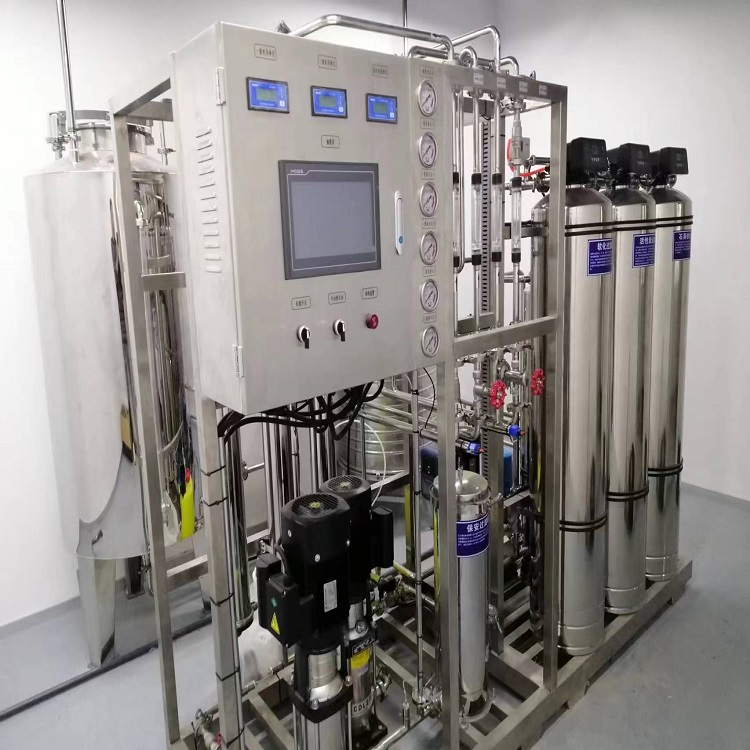
Shanghai industrial pure water production equipment reverse osmosis filtration system with high yield and customizable options, Quankun brand.
详情描述
Integrated Residential Wastewater Treatment Equipment
For odour control in integrated wastewater treatment equipment, there are actually mainly two methods for handling odours in such equipment: adsorption treatment and bioenzyme purification.
Activated carbon adsorption has gradually become one of the main methods for the secondary or tertiary treatment of industrial wastewater, and is also suitable for integrated wastewater treatment equipment. The honeycomb structure of activated carbon can effectively reduce odors and pollutants. Activated carbon can be arranged in the concentrated gas release section of the integrated wastewater treatment equipment to reduce odors.
Bioenzyme is a highly active composite bioenzyme solution rich in various bioenzymes, humic acid, amino acids, and minerals, known for its powerful decomposition capabilities. Its significant feature is its non-toxic and harmless nature. Bioenzyme demonstrates remarkable effectiveness in removing major odor components. The effective removal rate can reach over 90%.
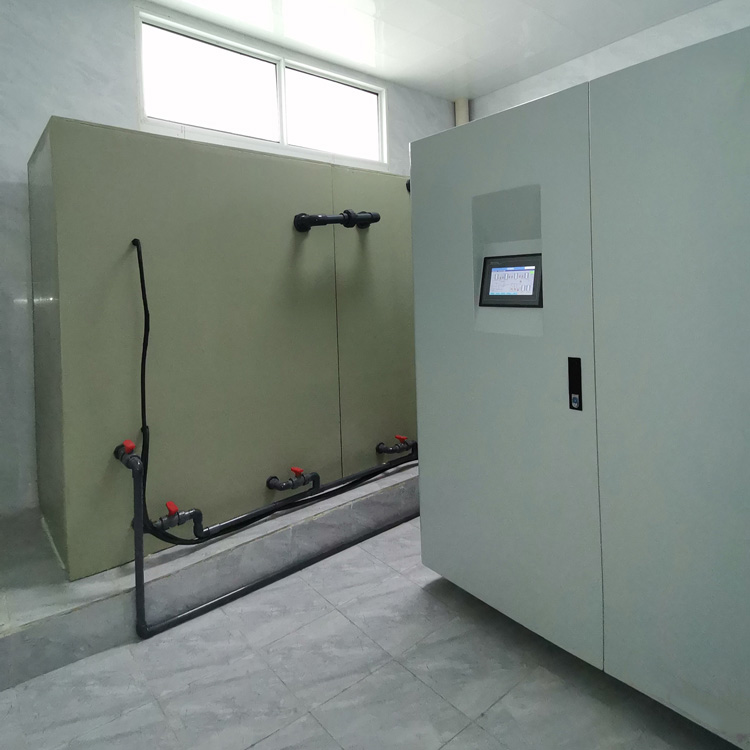
Advantages of integrated sewage treatment equipment:
1. Essentially, an integrated wastewater treatment system boasts the advantages of simplified control, easy management, long service life, low operational costs, low noise, low sludge generation, low maintenance costs, and low energy consumption.
2. The integrated wastewater treatment equipment features a highly active microbial group with a stable growth environment, significantly enhancing the functional stability of the integrated wastewater treatment equipment and its ability to withstand shocks.
3. Integrated sewage treatment equipment produces less sludge, which is conducive to reducing capital investment.
4. Integrated wastewater treatment equipment has a wide range of applications, capable of modifying or constructing various types of wastewater facilities to prevent secondary pollution.
5. Integrated wastewater treatment equipment can achieve modular construction of various functional blocks, design appropriate water treatment facilities based on the water quality conditions and drainage requirements of different regions, while also integrating the existing treatment setup to improve local wastewater treatment issues.
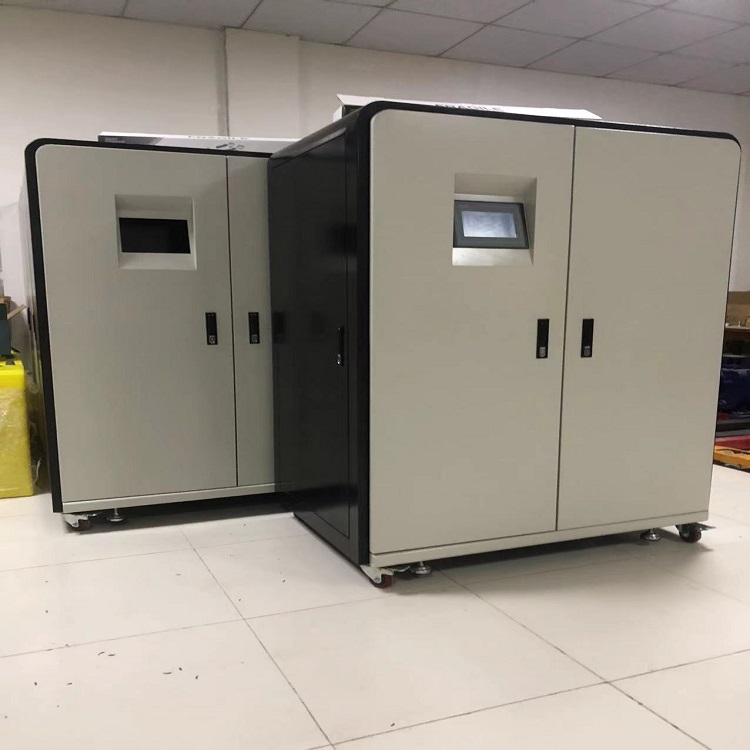
Key Features:
The equipment can be buried underground, with the surface above the equipment suitable for landscaping or other uses.
The A/O biological treatment process is smaller in volume than the activated sludge pond, exhibits strong adaptability to water quality, and has excellent resistance to shock loads. The effluent water quality is stable and does not cause sludge bulking. The pool utilizes new elastic three-dimensional packing material, which has a larger surface area, allowing microorganisms to easily attach and detach. Under the same organic load conditions, it achieves a high removal rate of organic matter and can enhance the solubility of oxygen in water.
The A/O pond utilizes biological contact oxidation, with a low volume load of its media. Microorganisms are in the self-oxidation stage, resulting in minimal sludge production. Sludge is only required to be removed once every three months (90 days) or more, via fecal trucks for external transportation.
The entire equipment processing system is equipped with an automatic electrical control system, ensuring safe and reliable operation. Generally, no dedicated personnel are needed for management, just timely maintenance and care for the equipment.
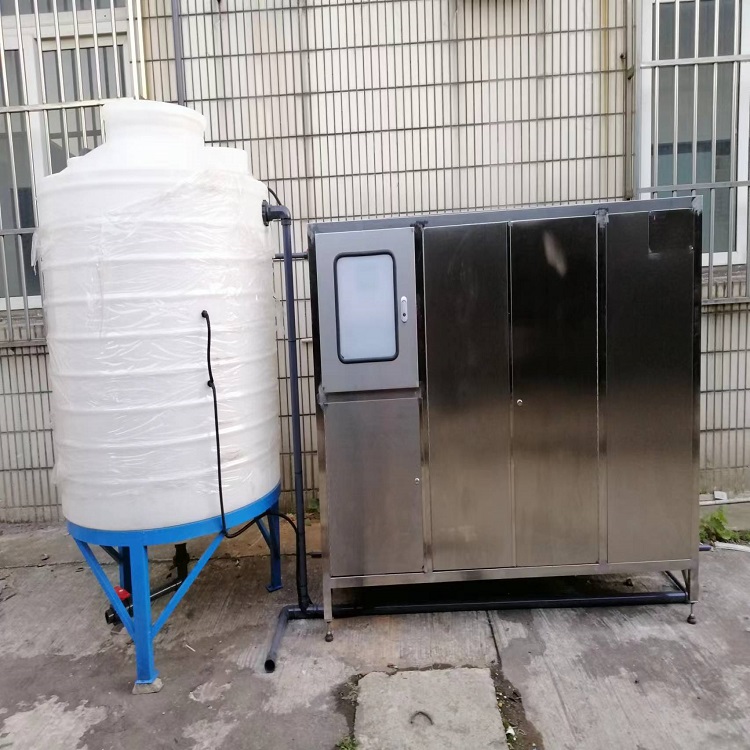
Integrated Residential Wastewater Treatment Equipment
Process Description:
Wastewater is collected and homogenized in a sedimentation tank before flowing into a neutralization reactor, where a measured amount of acid (or alkali) solution is added based on the water quality characteristics for neutralization. The neutralized wastewater is then pumped to a filter tank for filtration. Simultaneously, a measured amount of净水剂 solution is also pumped in to cause flocculation reactions of pollutants in the wastewater, thereby enhancing the filtration efficiency. The filtered clean water is sterilized by an ozone sterilizer before flowing into a biological activated carbon tank, where fine pollutants are further intercepted and adsorbed for decomposition. The treated clean water is then directly discharged into the urban sewage network.


