



- AllProduct Category
-
Lab Wastewater Treatment Equipment
Lab Wastewater Treatment Equipment
Ultra-Pure Water Equipment
Membrane Separation Equipment
Pure Water Equipment
Low-Temperature Evaporator
Ultra-Pure Water System
Integrated Wastewater Treatment Equipment
Reverse Osmosis Equipment
Pure Water Equipment
Ceramic Membrane Equipment



Recommended Products
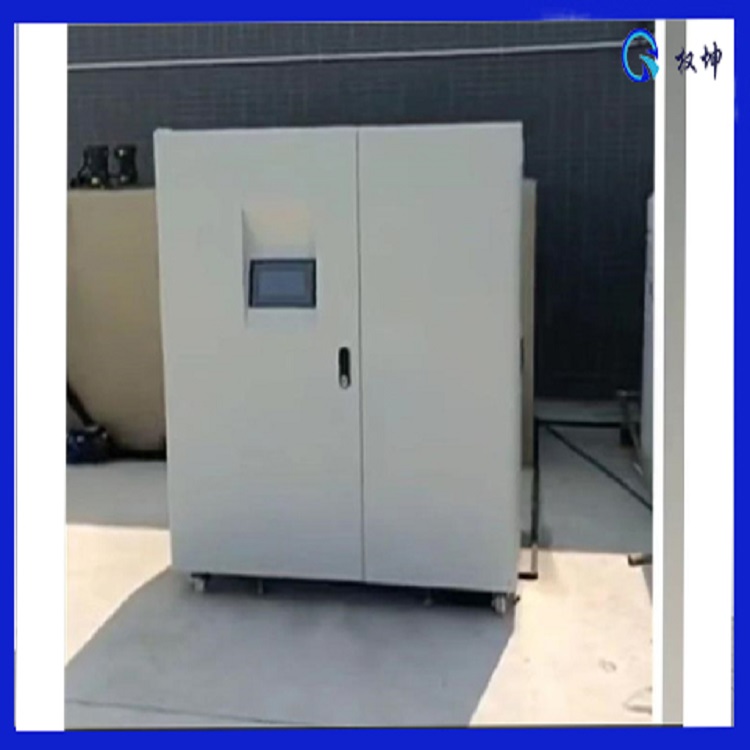
Quan Kun - Comprehensive Laboratory Waste Water Treatment Equipment - Remote Monitoring - Automated Control
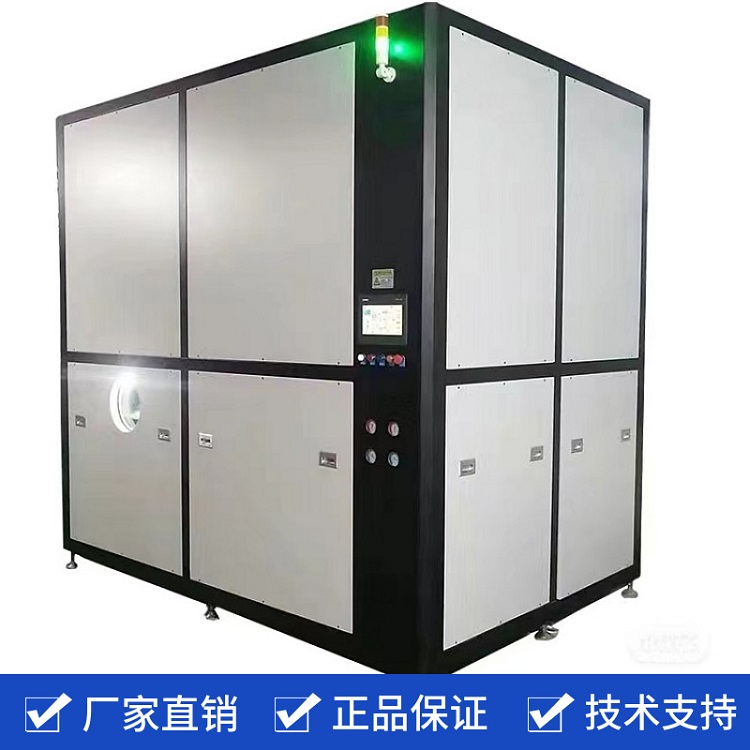
Sodium Chloride Wastewater Low-Temperature Evaporator - Intelligent Automatic - Quankun - Integrated Design
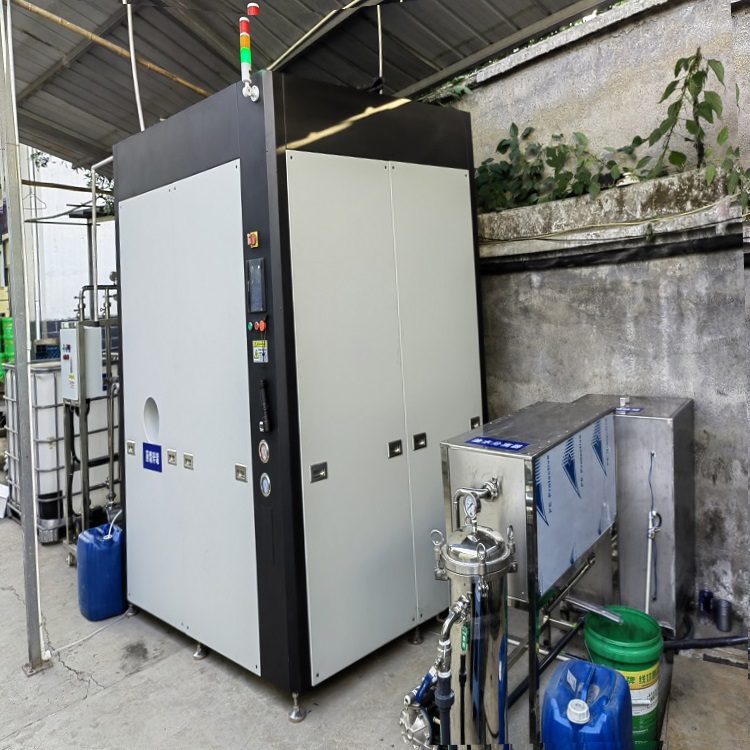
High-Concentration Oil Emulsion Waste Water Treatment Equipment - Quankun - Evaporator Unit - High Concentration Ratio
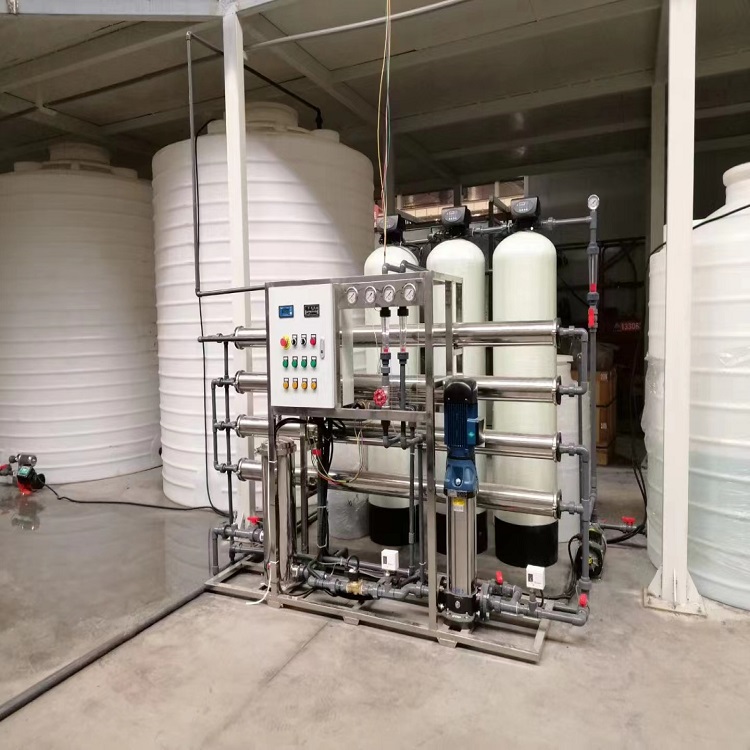
Industrial Pure Water Equipment EDI Ultra-Pure Water System Fully Automatic Control Quankun Environmental Protection
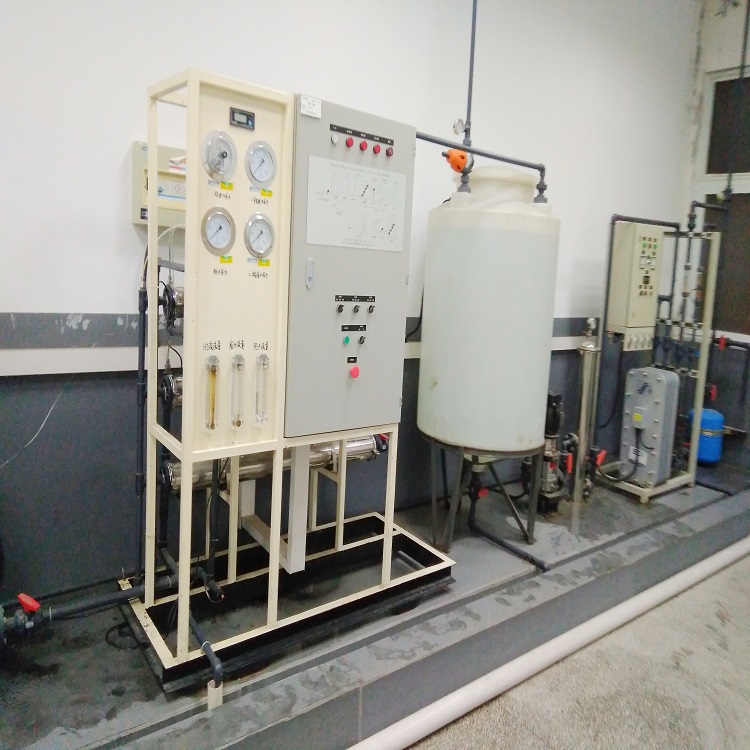
Shenzhen Industrial Ultra-Pure Water Equipment, equipped with EDI system, features low energy consumption and high degree of automation.
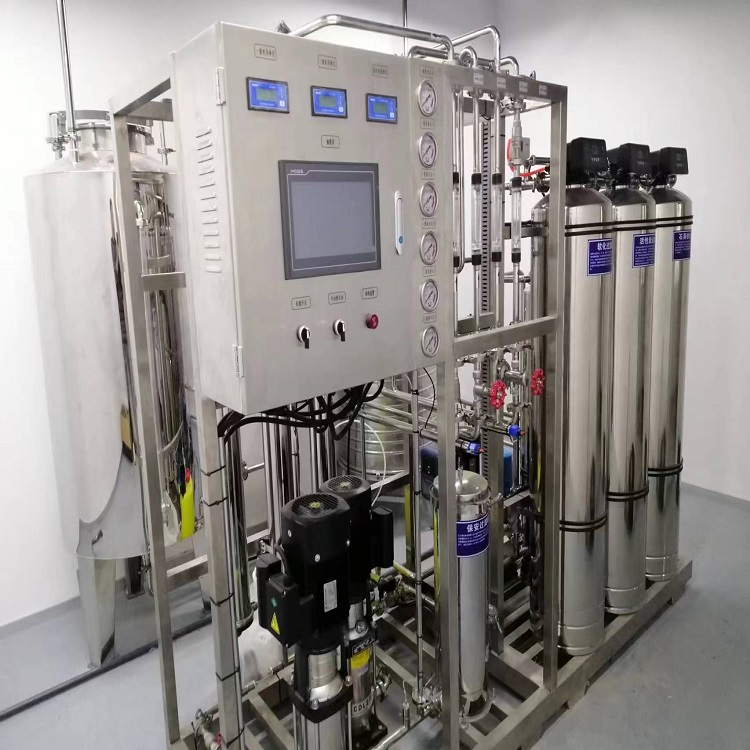
Shanghai industrial pure water production equipment reverse osmosis filtration system with high yield and customizable options, Quankun brand.
详情描述
Shanghai Quality Inspection Laboratory Wastewater Treatment System / Integrated Sewage Treatment Equipment / Full Qualifications
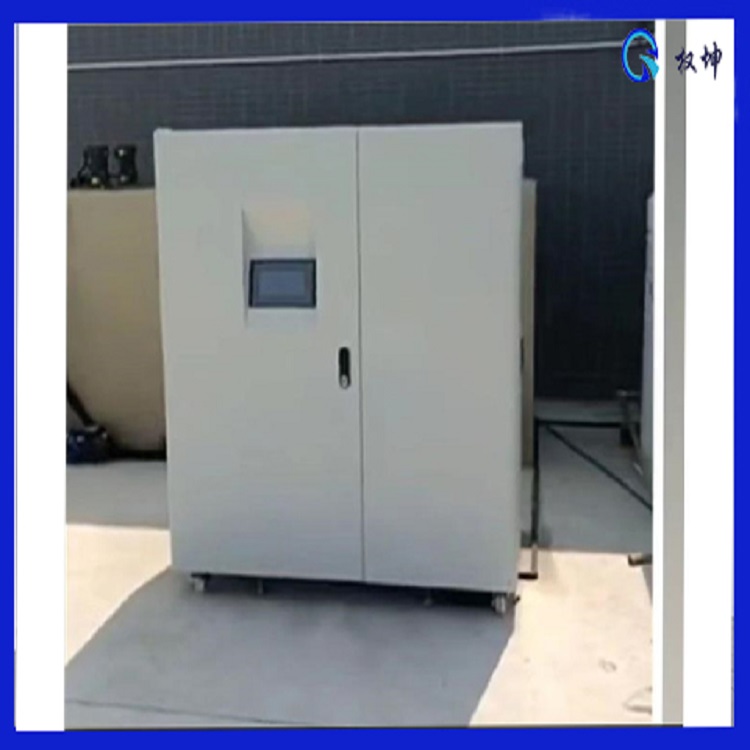
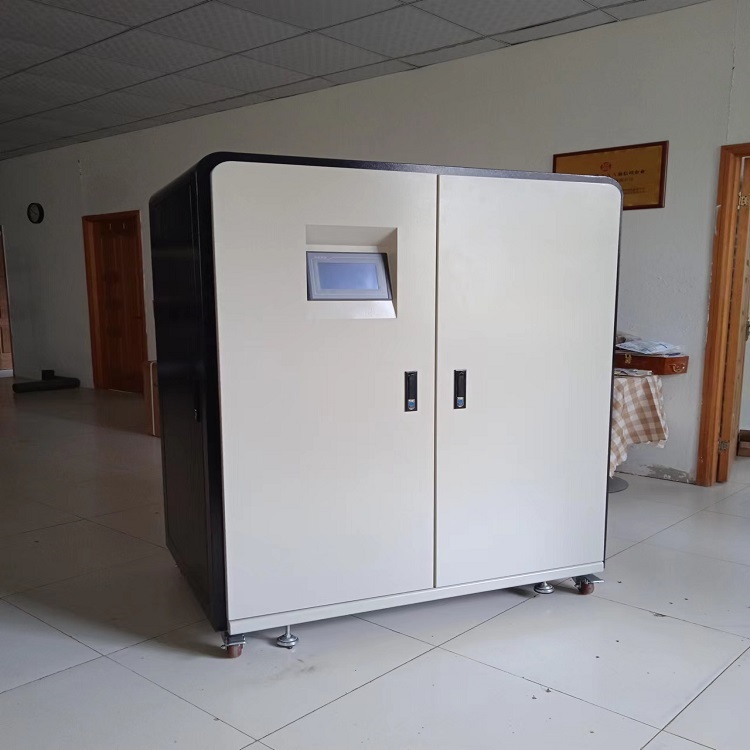
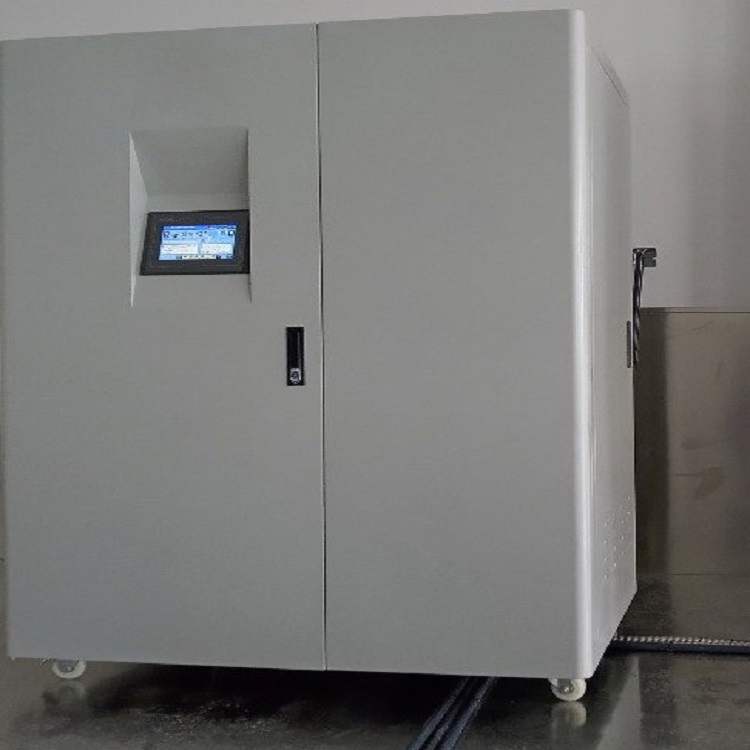
The laboratory wastewater treatment equipment consists of units such as wastewater classification collection, wastewater regulation, advanced treatment, sedimentation separation, physical treatment, biological treatment, and comprehensive purification. It employs various treatment processes including chemical pre-treatment, advanced chemical treatment, inclined tube sedimentation, multi-stage disinfection and sterilization, filtration sedimentation separation, micro-electrolysis with high and low potential differences, electrochemical oxidation-reduction technology, two-stage organic biofilm purification, novel packed bed photo-catalytic reaction technology for organic wastewater, selective mass transfer of fresh liquid, and molecular imprinting technology on mycelial surface, to comprehensively treat organic, inorganic, and biological wastewater generated in the laboratory. This effectively removes COD, BOD, SS, color, and heavy metal ions from the wastewater. Different treatment technologies and control systems are adopted based on the composition of various experimental wastewater. The product boasts advanced technology, high level of automation, no need for dedicated staff, excellent treatment results, small land occupation, and convenient operation and management.

Process Description:
Effluent from the tank is pumped into the neutralization reaction pond, adjusting the pH to 6-9, where heavy metal ions react with alkali to form hydroxide; laboratory wastewater enters the collection pond via the pipeline.
2. Precipitation of precipitants.
3. Chelating reaction pool, by adding chelating agents, heavy metals react with the chelating agents to form chelates, further removing heavy metal ions.
4. Then, by adding PAC, PAM coagulation, and flocculation;
5. After curing, the waste water enters the security filter to remove suspended solids.
6. Water production enters the membrane treatment process.
7. Sludge and solid waste are handled by qualified units; odors from the integrated unit pond are piped into the laboratory for waste gas treatment and discharge.
8. Install one or more laboratory wastewater treatment units in the lab, for the purpose of deep treating laboratory wastewater and then discharging it to the biochemical pool or the urban sewage network in accordance with relevant regulations.
9. Laboratory hazardous waste liquids, high-concentration hazardous wastewater, and hazardous solid waste should be stored and disposed of in accordance with the relevant requirements of "Hazardous Waste Storage Pollution Control" (GB18597-2001), and a hazardous waste disposal agreement should be signed with a qualified unit.
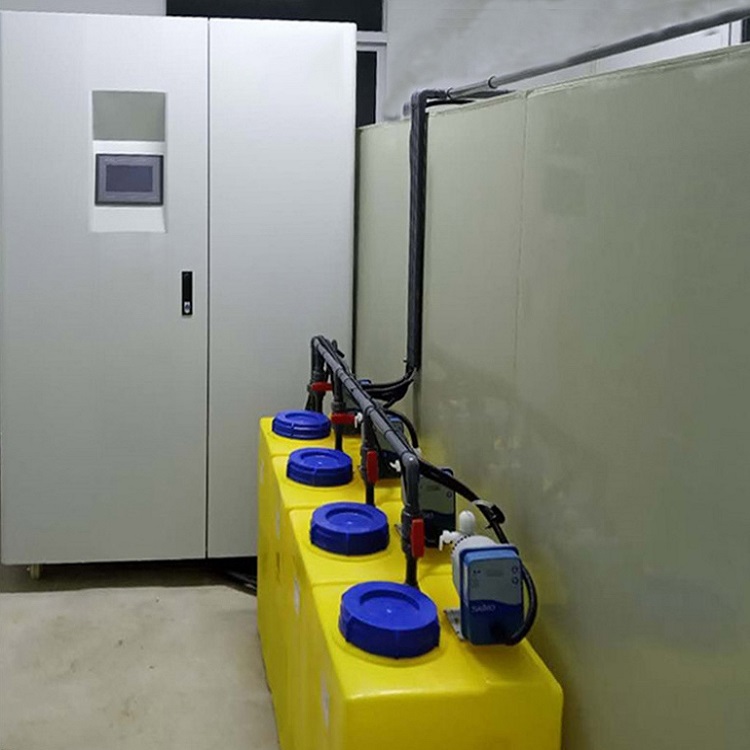
Process Features:
1. Treat various pollutants in wastewater using neutralization sedimentation, chemical oxidation, ozone oxidation, and multi-media filtration technologies.
2. Utilizes a microcomputer program for real-time monitoring and control of wastewater quality and treatment process, ensuring around-the-clock automatic operation without the need for constant supervision.
3. Accurately control dosing with pH and ORP meters, as well as imported metering pumps; equipped with level control, drug shortage alarms, and automatic sludge discharge features.
4. Utilizing advanced oxygenators, ensuring thorough gas-water contact and complete reaction.
5. User-friendly, stable operation, long service life, low running and maintenance costs.
6. Compact in size, suitable for installation indoors or outdoors as needed.
7. Tailored design and manufacturing to meet various customer requirements.
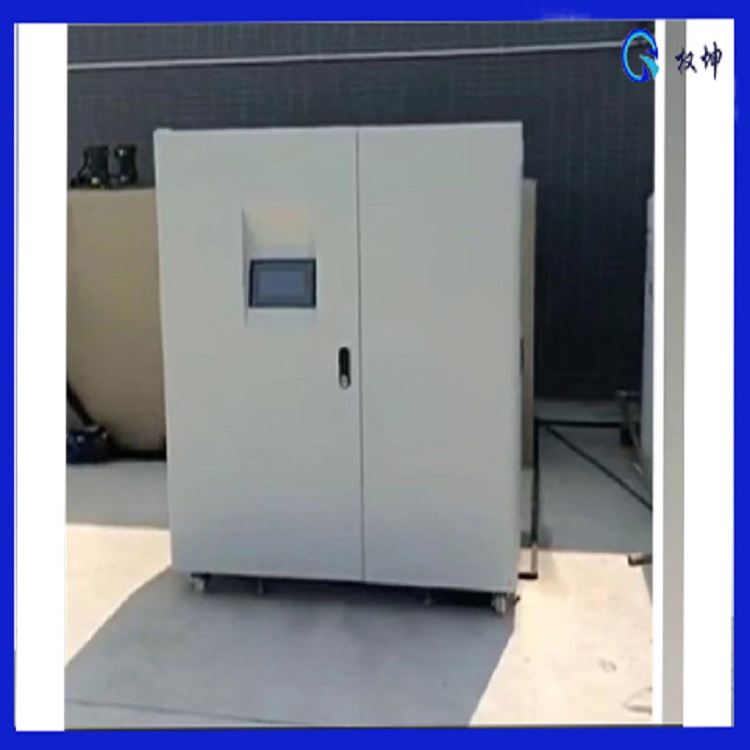
Shanghai Quality Inspection Laboratory Wastewater Treatment System / Integrated Sewage Treatment Equipment / Full Qualifications
Application Scope:
Laboratory wastewater treatment equipment is widely used in universities, colleges, research institutions, medical facilities, pharmaceuticals, disease control centers, environmental supervision, product quality inspection, quarantine inspection, drug inspection, blood stations, animal husbandry, hospitals, petrochemical companies, and various laboratories and chemical laboratories for wastewater treatment. After treatment, the wastewater meets the first, second, and third standards of the Comprehensive Wastewater Discharge Standard [GB8978-1996]. The treated wastewater can be discharged into the municipal sewage pipeline or further utilized through additional treatment processes.


