




- AllProduct Category
-
Lab Wastewater Treatment Equipment
Lab Wastewater Treatment Equipment
Ultra-Pure Water Equipment
Membrane Separation Equipment
Pure Water Equipment
Low-Temperature Evaporator
Ultra-Pure Water System
Integrated Wastewater Treatment Equipment
Reverse Osmosis Equipment
Pure Water Equipment
Ceramic Membrane Equipment



Recommended Products
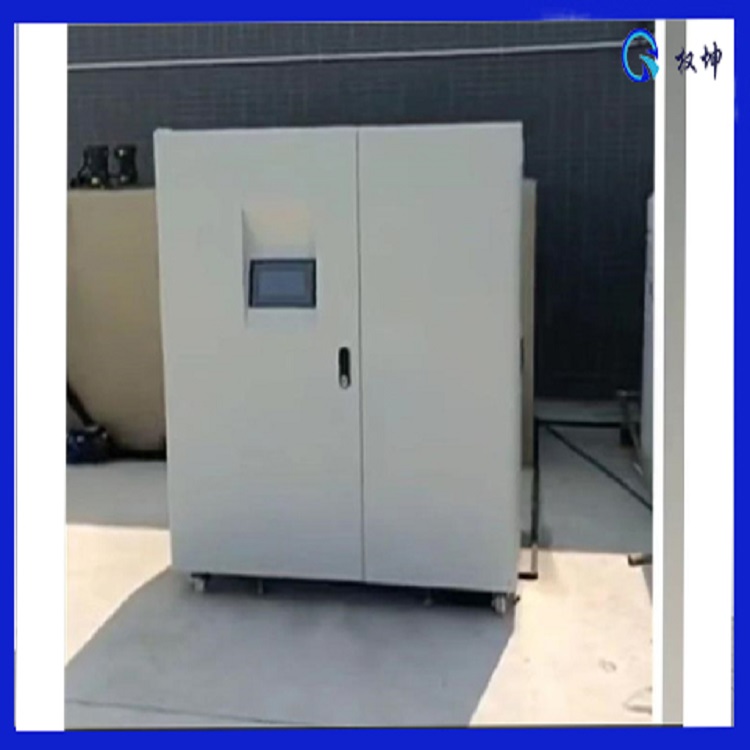
Quan Kun - Comprehensive Laboratory Waste Water Treatment Equipment - Remote Monitoring - Automated Control
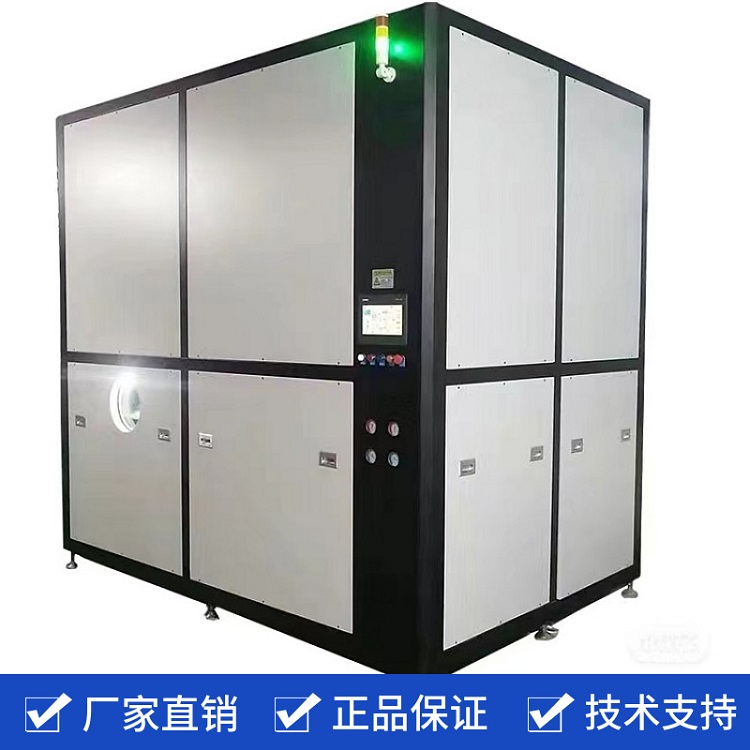
Sodium Chloride Wastewater Low-Temperature Evaporator - Intelligent Automatic - Quankun - Integrated Design
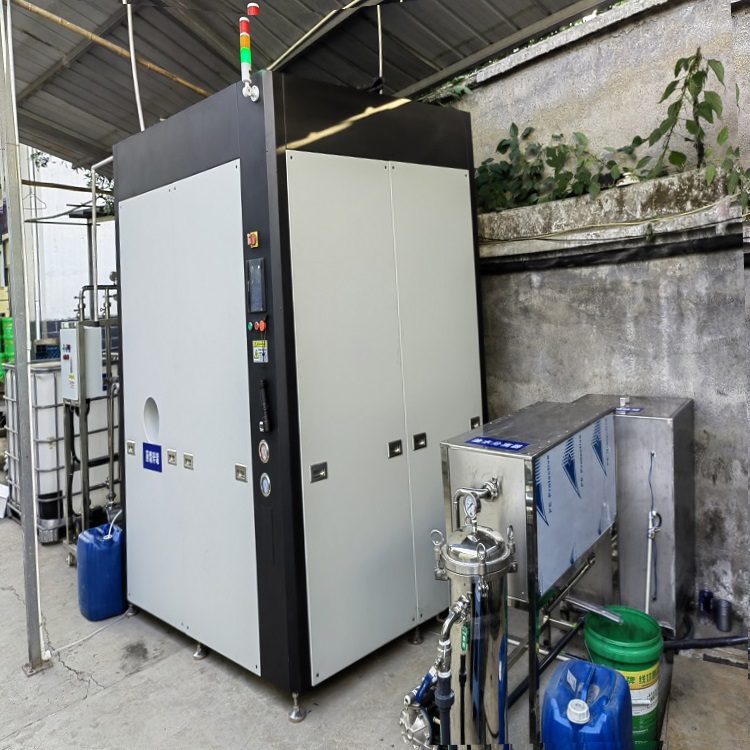
High-Concentration Oil Emulsion Waste Water Treatment Equipment - Quankun - Evaporator Unit - High Concentration Ratio
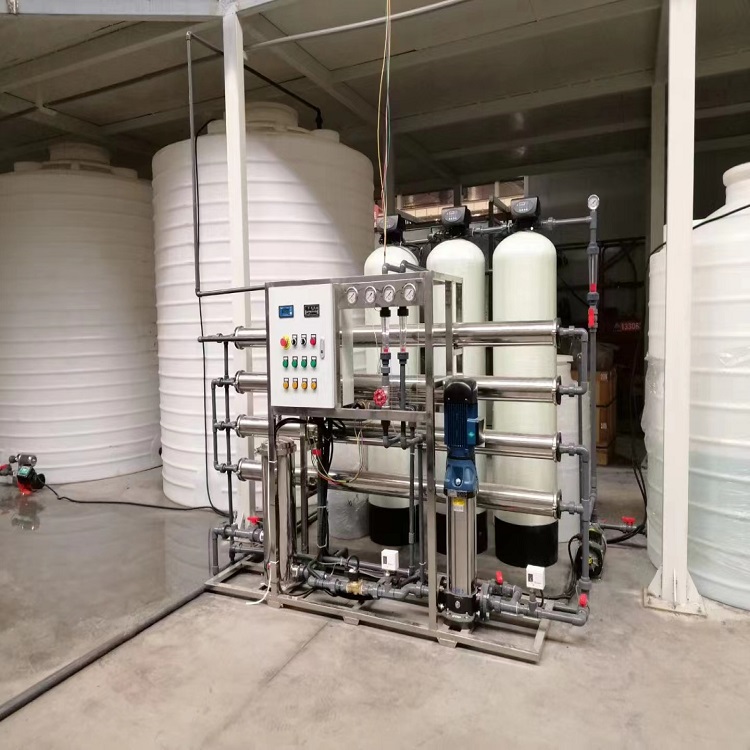
Industrial Pure Water Equipment EDI Ultra-Pure Water System Fully Automatic Control Quankun Environmental Protection
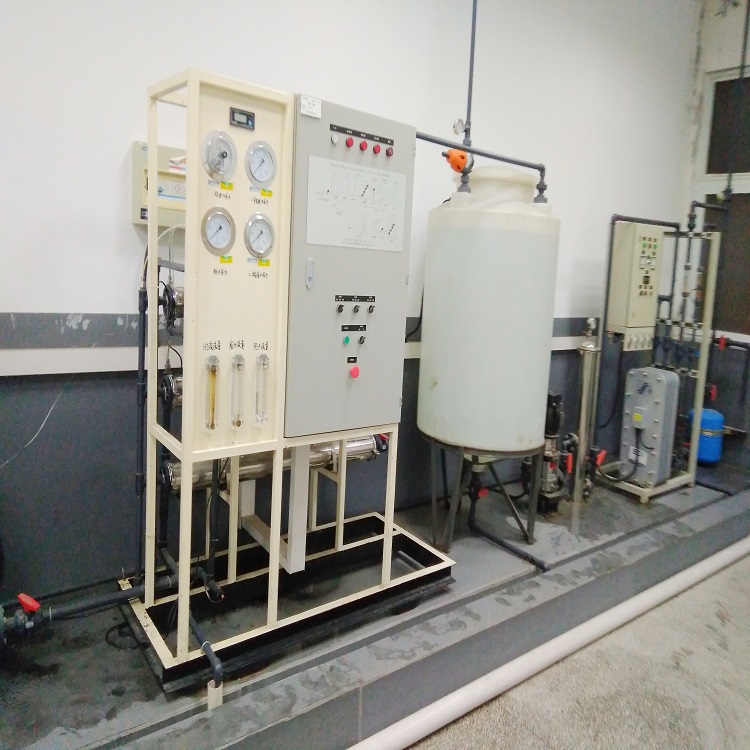
Shenzhen Industrial Ultra-Pure Water Equipment, equipped with EDI system, features low energy consumption and high degree of automation.
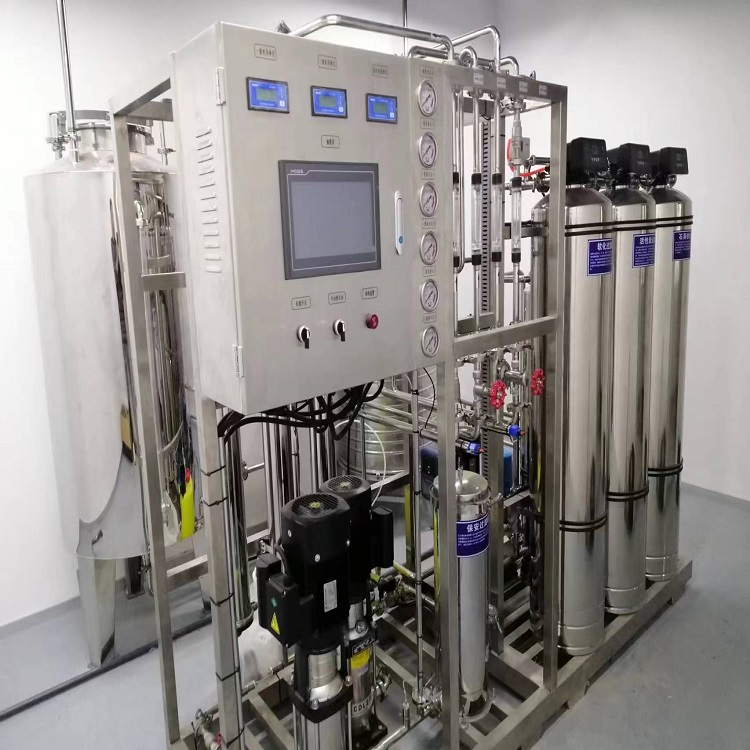
Shanghai industrial pure water production equipment reverse osmosis filtration system with high yield and customizable options, Quankun brand.
详情描述
Shanghai Small Laboratory Wastewater Treatment Machine - Easy Operation, Customizable as Needed, Low Energy Consumption
Wastewater generated during the experiment is collected by the water collection system and first enters the control pond and laboratory wastewater treatment equipment to adjust water volume and homogenize water quality. Once the water level in the control box reaches a certain level, it is pumped in a quantified manner to the post-treatment unit by a pump. In the wastewater treatment facility, an acid-base neutralization system is initially used to neutralize the acid. In the laboratory's biological wastewater treatment facility, pH is accurately adjusted between 8 and 9 by precisely adding NaOH or citric acid solutions using a pH meter and a metering pump. Under alkaline conditions, if heavy metal ions such as iron, cadmium, copper, manganese, nickel, lead, and chromium are present in the wastewater, they will undergo a chemical reaction with OH- to form hydroxide precipitates.

The effluent from the acid-base neutralization pond flows into the sedimentation pond and PAC/PAM coagulants are added to the sedimentation pond. How much is the laboratory wastewater treatment equipment? The precipitate produced after acid-base neutralization and other suspended solids in the wastewater are separated from sludge and water through coagulation and sedimentation under the action of chemicals in the sedimentation pond. After treatment by the acid-base neutralization control system, some dissolved substances form precipitates, which, along with the suspended solids in the wastewater, are separated from the sludge and water in the sedimentation pond, fully achieving the separation of sludge and water. Provide water and ensure it meets the suspended solids specifications.

Wastewater Treatment Equipment Technology
1. Bioreactor: A bioreactor is a device that utilizes microorganisms to decompose toxic substances and organic matter in wastewater. Through appropriate operating conditions and bacterial culture, a bioreactor can effectively remove organic pollutants from wastewater.
2. Chemical Sedimentation: Chemical sedimentation involves adding appropriate chemicals to convert pollutants in wastewater into water-insoluble sediments, thereby achieving the purpose of water purification.
3. Membrane Separation Technology: Membrane separation technology utilizes the selectivity of membranes to separate solutes and solvents from wastewater, including ultrafiltration, microfiltration, and reverse osmosis.
4. UV Photocatalytic Oxidation Technology: This technology utilizes UV light to activate a photocatalyst, oxidizing organic pollutants in wastewater and decomposing them into environmentally friendly substances such as water.

Shanghai Small Laboratory Wastewater Treatment Machine - Simple Operation, Customized to Demand, Low Energy Consumption
General Principles of Laboratory Wastewater Treatment:
1. If the waste is extremely rare and proven safe, it can be released into the atmosphere or drainage. The waste liquid should be concentrated to reduce volume and stored in a safe location for isolation. Use distillation, filtration, and adsorption methods to separate harmful substances, discard only the safe parts, and burn anything that can be safely combusted, whether liquid or solid, but in moderate amounts. If it cannot be burned, dispose of it by burying it in a safe location, avoiding exposure on the ground.
2. Generally, toxic gases can be exhausted through fume hoods or ventilation ducts and diluted with air. Large quantities of toxic gases must be completely combusted or adsorbed by oxygen before they can be discharged.
3. Wastewaters must be stored in appropriate containers and locations based on their chemical properties, and should not be mixed in sealed containers. They should be clearly labeled with their type, storage duration, and regular disposal methods. Laboratory wastewater treatment equipment discharge standards:
Operation Standard: The wastewater treated by this equipment meets the requirements of the third-grade discharge standard as specified in (GB8978-1996).


