



- AllProduct Category
-
Lab Wastewater Treatment Equipment
Lab Wastewater Treatment Equipment
Ultra-Pure Water Equipment
Membrane Separation Equipment
Pure Water Equipment
Low-Temperature Evaporator
Ultra-Pure Water System
Integrated Wastewater Treatment Equipment
Reverse Osmosis Equipment
Pure Water Equipment
Ceramic Membrane Equipment



Recommended Products
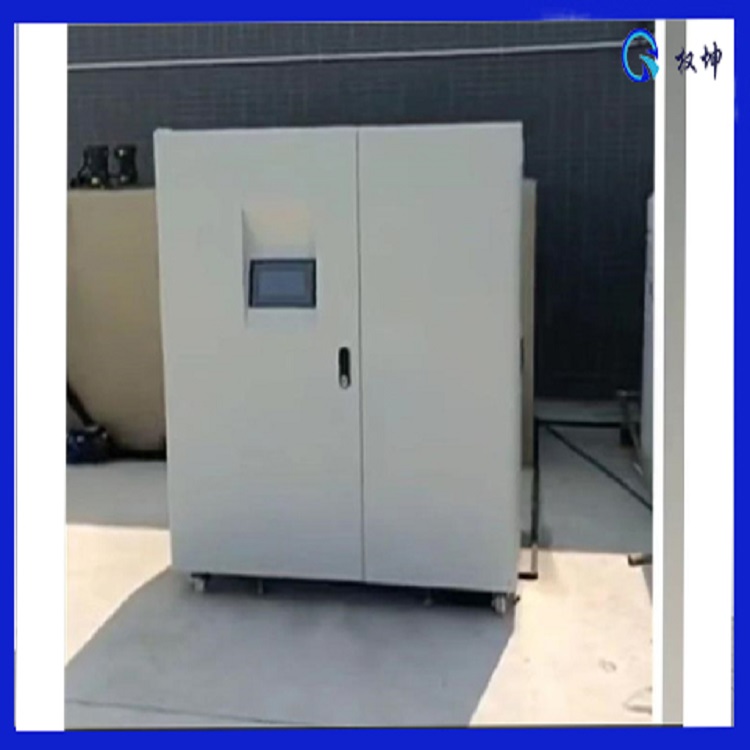
Quan Kun - Comprehensive Laboratory Waste Water Treatment Equipment - Remote Monitoring - Automated Control
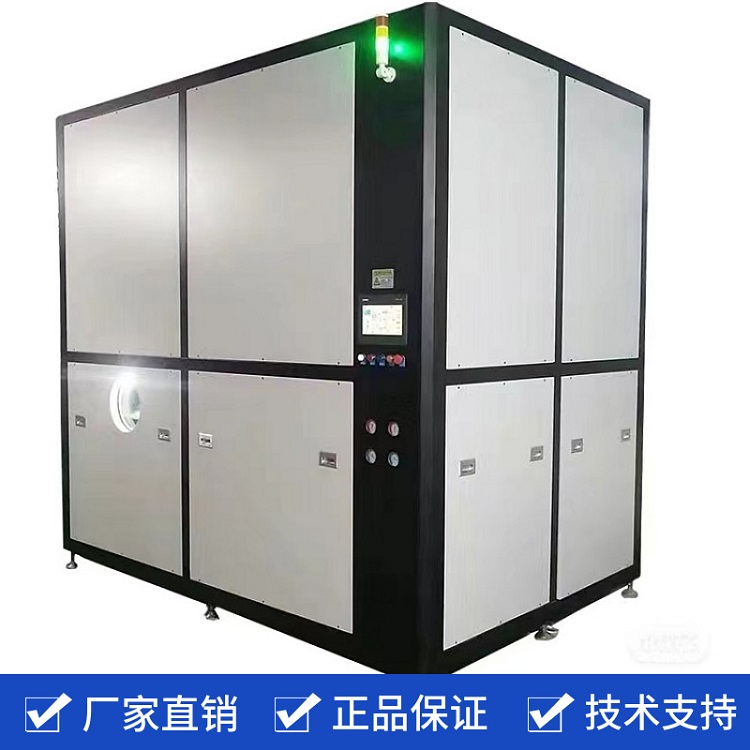
Sodium Chloride Wastewater Low-Temperature Evaporator - Intelligent Automatic - Quankun - Integrated Design
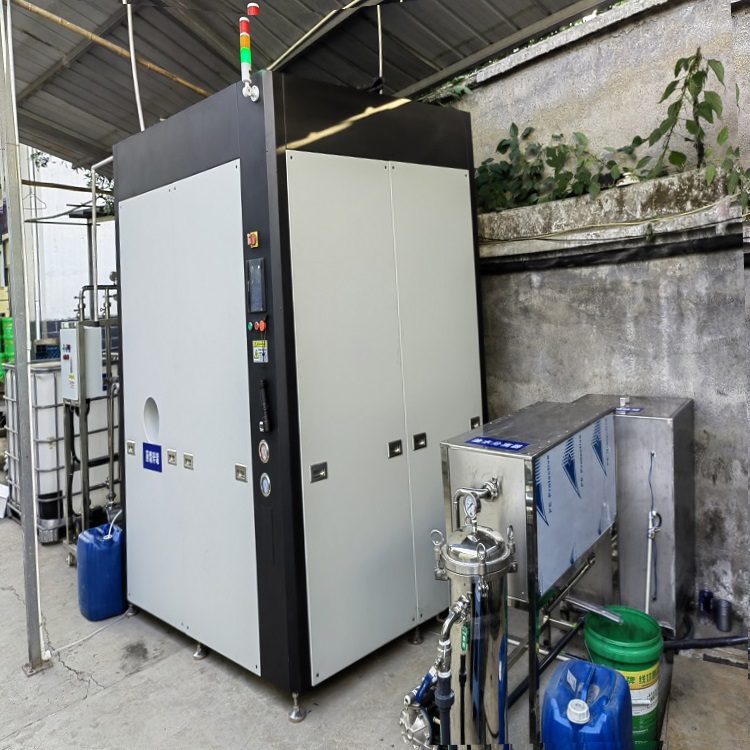
High-Concentration Oil Emulsion Waste Water Treatment Equipment - Quankun - Evaporator Unit - High Concentration Ratio
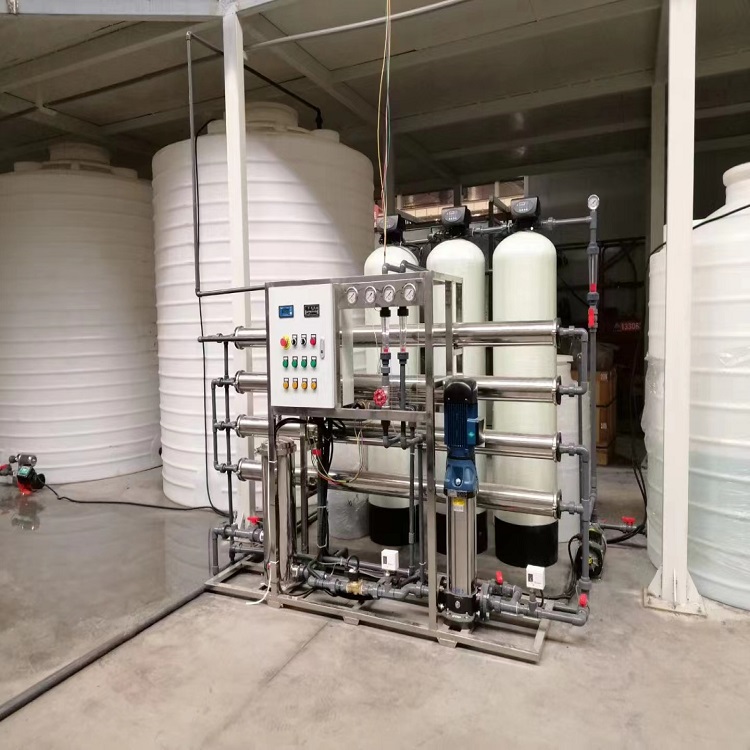
Industrial Pure Water Equipment EDI Ultra-Pure Water System Fully Automatic Control Quankun Environmental Protection
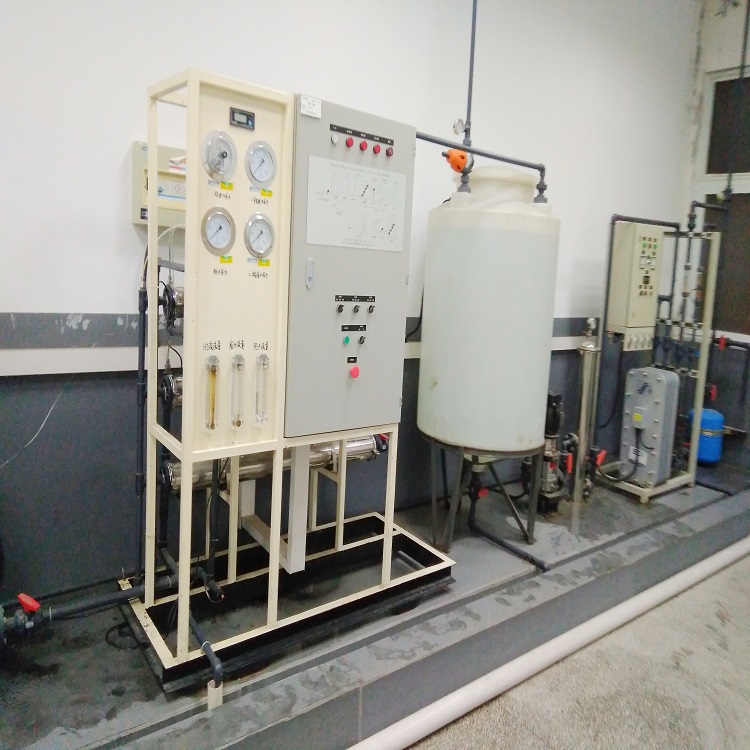
Shenzhen Industrial Ultra-Pure Water Equipment, equipped with EDI system, features low energy consumption and high degree of automation.
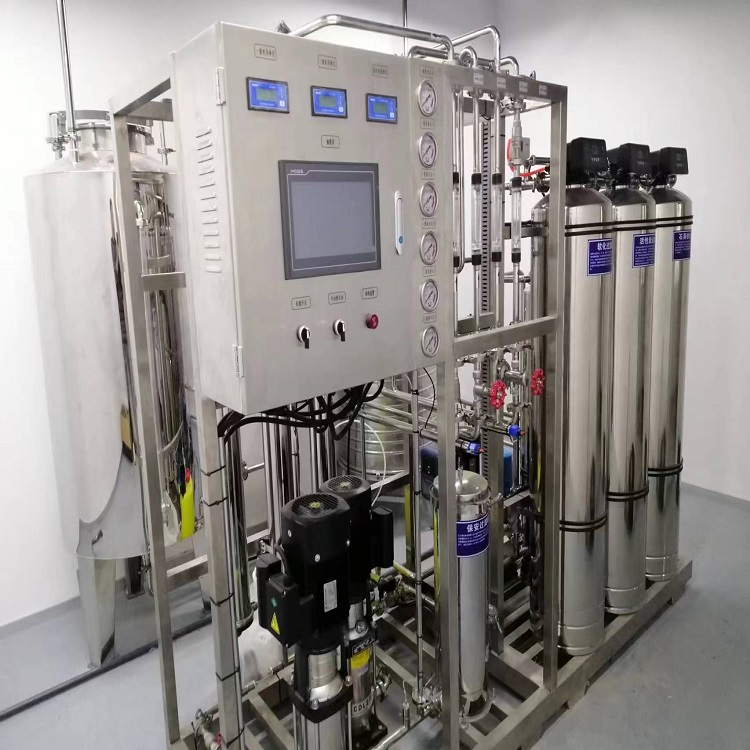
Shanghai industrial pure water production equipment reverse osmosis filtration system with high yield and customizable options, Quankun brand.
详情描述
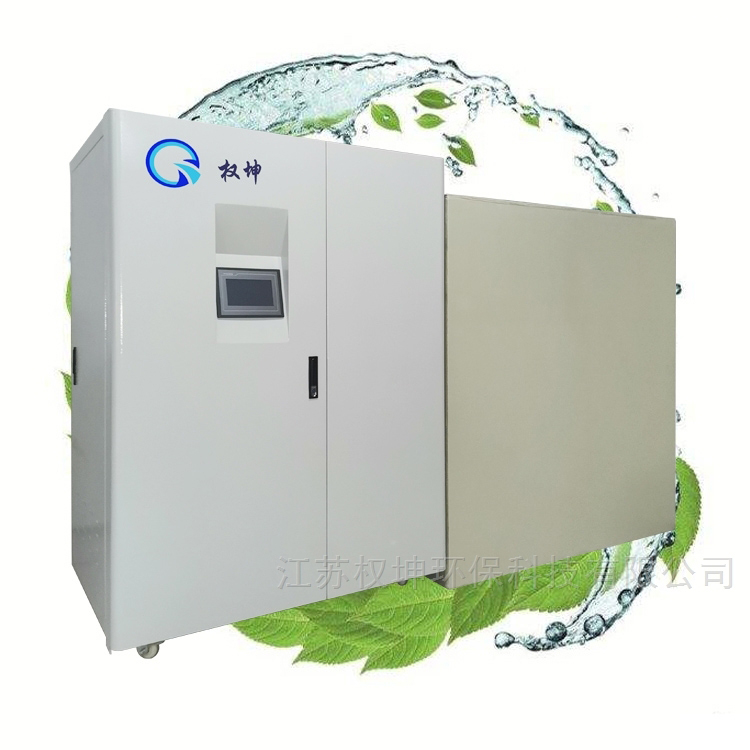
Nanjing - Lab Wastewater Comprehensive Treatment Equipment - Quankun Environmental Protection - Effluent meets standard discharge requirements
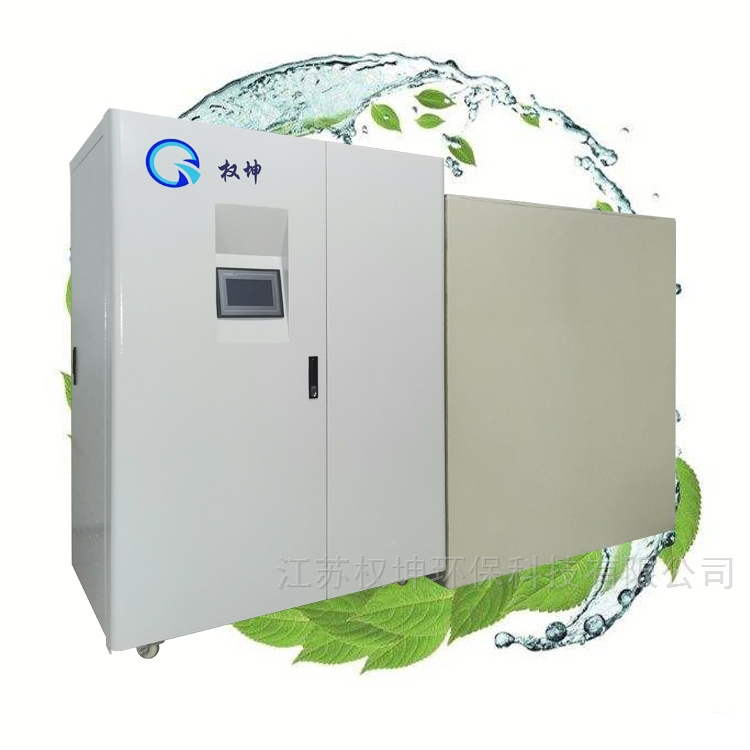
Laboratory wastewater treatment equipment is primarily used for various types of laboratory wastewater, with varying compositions, concentrations, and pollutant components. It employs different process flows and equipment for treating organic, inorganic, and biological wastewater generated by various laboratories. Due to the diverse processes and treatment technologies used in the equipment, the automatic control system calculates and proportionally removes COD, BOD, SS, color, viruses, and heavy metal ions from laboratory and heavy metal laboratory wastewater treatment equipment. This makes the equipment rational and scientifically designed, enabling wastewater treatment to meet discharge standards while more reasonably utilizing pharmaceutical production laboratory wastewater treatment equipment for effective wastewater treatment and compliance with discharge requirements.
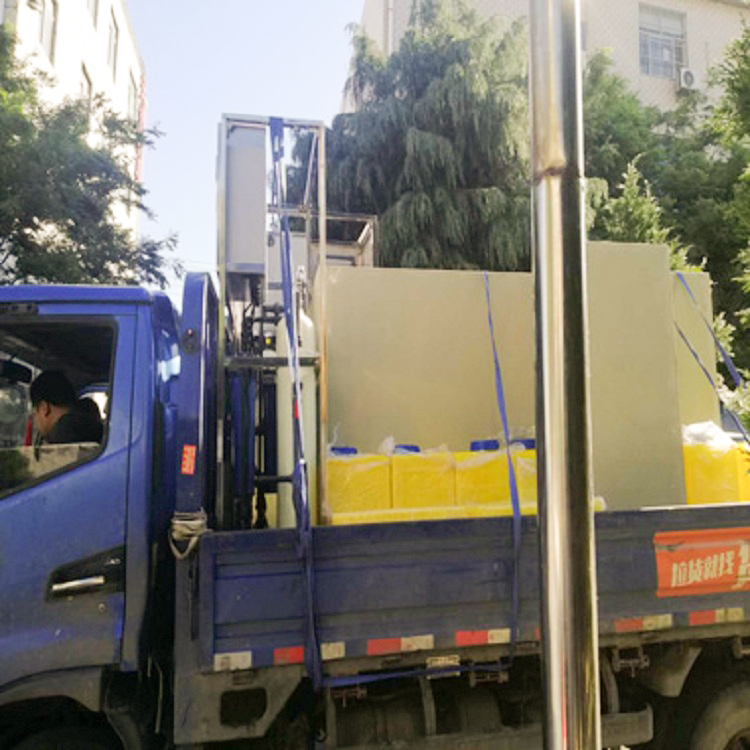
Experimental wastewater treatment methods:
Common methods for treating biological laboratory wastewater include thermal disinfection and chemical disinfection. Thermal sterilization utilizes high temperatures to raise the wastewater temperature to or beyond the survival temperature limit of certain harmful microorganisms, thereby killing bacteria and ensuring the safety of the discharged wastewater. The principle of chemical disinfection involves using various chemicals to sterilize harmful microorganisms in the wastewater, with commonly used disinfection processes including ozone disinfection, chlorine disinfection, and alkali disinfection. In practice, the wastewater from biological safety laboratories can be safely and effectively treated using a combination of thermal and chemical disinfection methods.
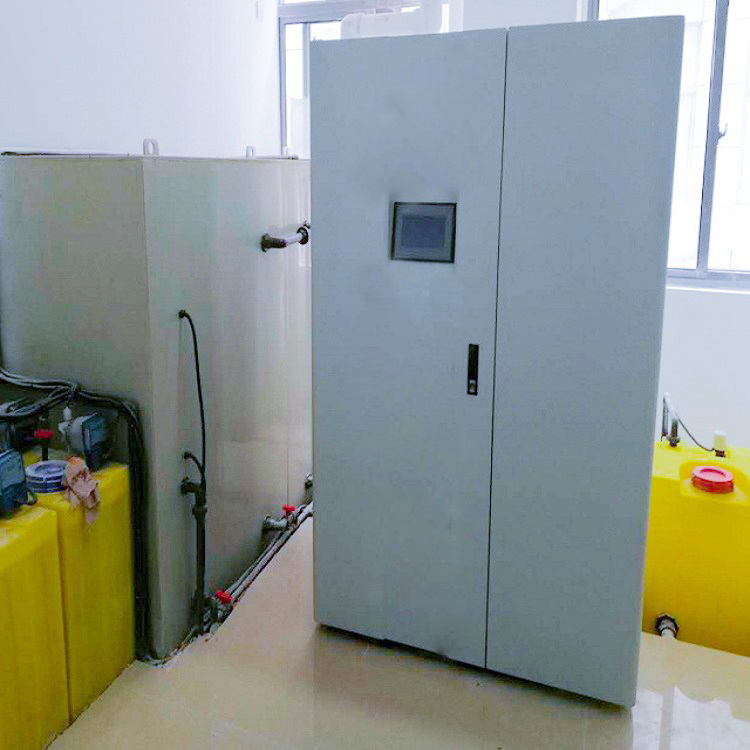
Equipment Features:
1. Treat wastewater inorganic pollutants by neutralization coagulation, natural sedimentation, fiber microfiltration, and activated carbon adsorption technologies.
2. Features 24/7 automatic operation; no need for constant human supervision during operation.
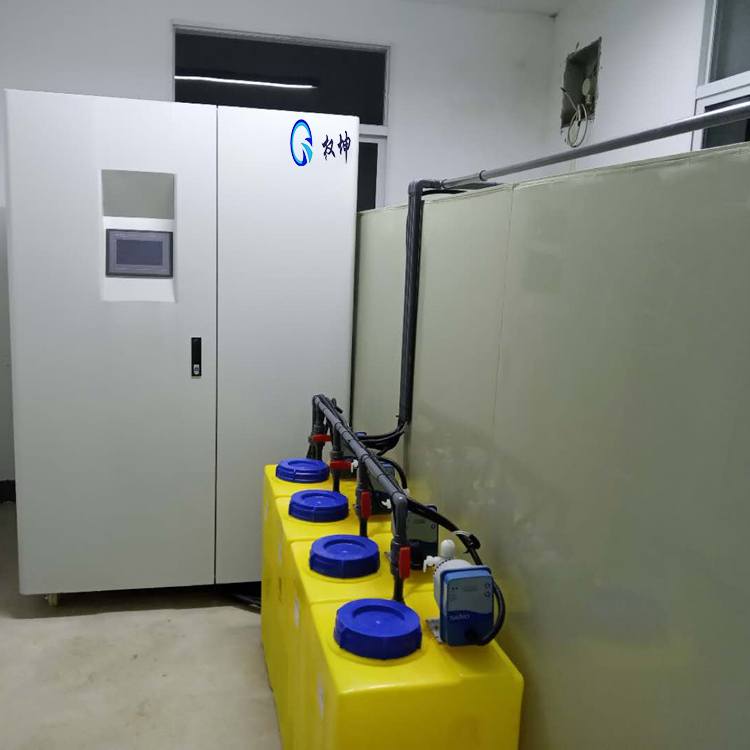
3. Utilize a pH meter and imported dosing pump to control the dosage.
4. Easy to operate, stable performance, long service life, and low maintenance costs.
5. Compact in size, can be placed indoors or outdoors as needed.
6. Custom design and manufacturing according to different customer requirements.
Application Fields:
The Laboratory Wastewater Treatment Machine is a new equipment developed by our company based on years of experience in organic wastewater treatment. Designed for compact laboratory spaces with low wastewater flow rates, this unit employs a combination of neutralization, multi-stage filtration, and sterilization processes, resulting in a compact size, low noise, no secondary pollution, and no release of刺激性 gases. It is easy to install and maintain, making it widely used in scientific research institutions, university chemistry laboratories, petrochemical enterprises, and major quarantine inspection departments.
Nanjing - Comprehensive Laboratory Wastewater Treatment Equipment - Quankun Environmental Protection - Effluent meets standard discharge
The working principle of laboratory wastewater treatment equipment:
(1) Turn on the power switch, and the green power indicator light illuminates.
(2) Press the submersible pump button, and the corresponding indicator light illuminates, signaling the pump to start operating.
(3) After verifying that the "Pump Operation Indicator Light" is illuminated, press the Ozone and Fan buttons. The corresponding indicator lights up, and the ozone and fan operate to disperse ozone.
(4) To shut down, press the pump button or ozone button to stop the equipment.
(5) Operation complete after turning off the power switch. Note: The water in the water tank must reach a certain level before the equipment can be started.


