



- AllProduct Category
-
Lab Wastewater Treatment Equipment
Lab Wastewater Treatment Equipment
Ultra-Pure Water Equipment
Membrane Separation Equipment
Pure Water Equipment
Low-Temperature Evaporator
Ultra-Pure Water System
Integrated Wastewater Treatment Equipment
Reverse Osmosis Equipment
Pure Water Equipment
Ceramic Membrane Equipment



Recommended Products
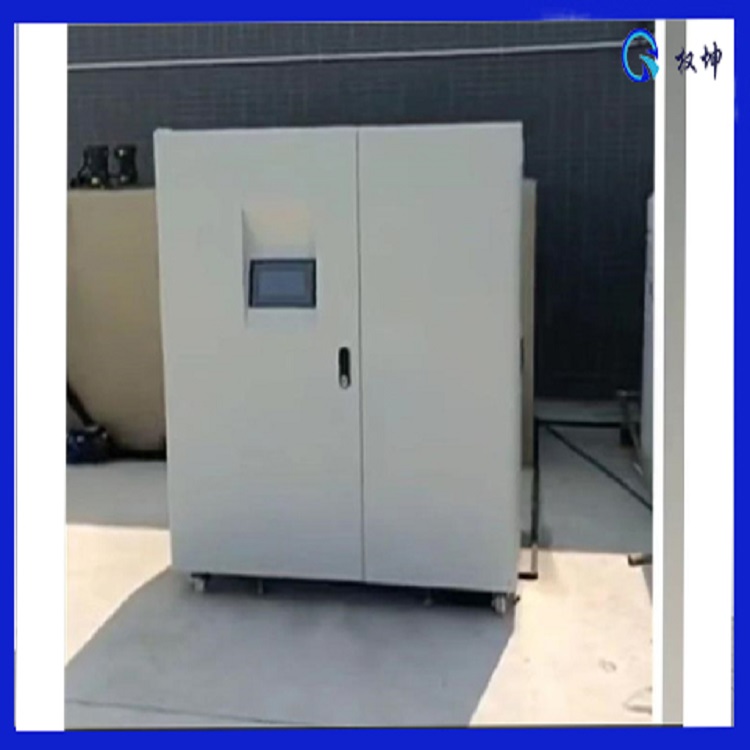
Quan Kun - Comprehensive Laboratory Waste Water Treatment Equipment - Remote Monitoring - Automated Control
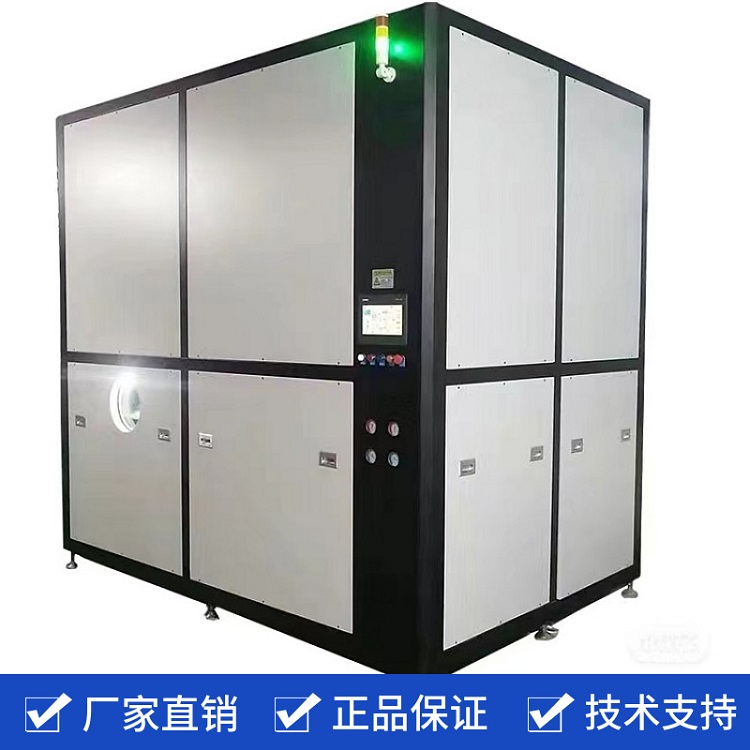
Sodium Chloride Wastewater Low-Temperature Evaporator - Intelligent Automatic - Quankun - Integrated Design
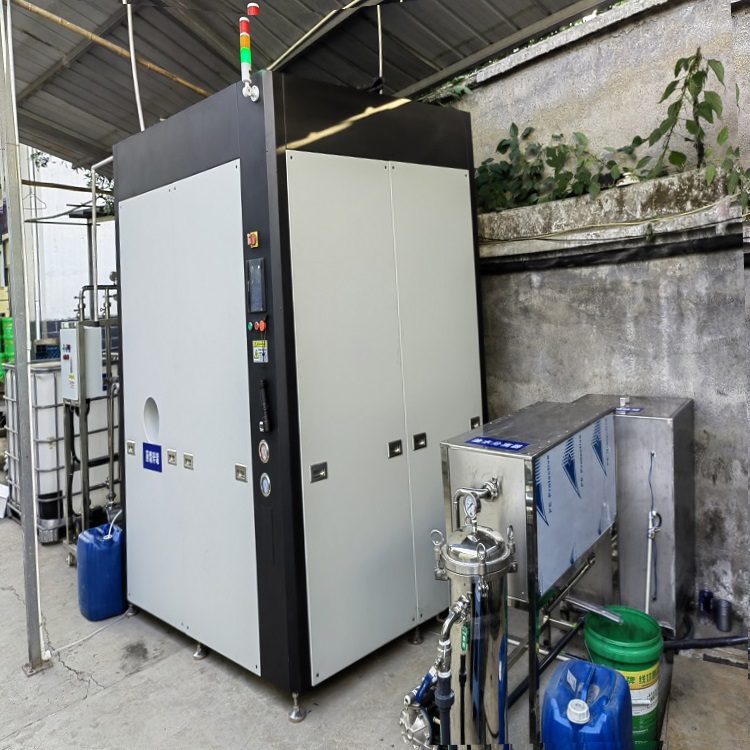
High-Concentration Oil Emulsion Waste Water Treatment Equipment - Quankun - Evaporator Unit - High Concentration Ratio
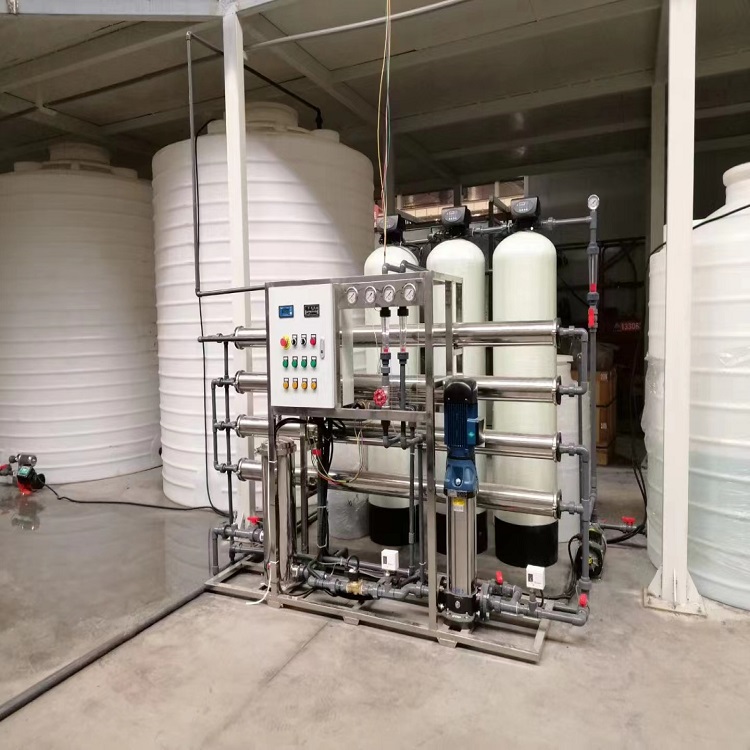
Industrial Pure Water Equipment EDI Ultra-Pure Water System Fully Automatic Control Quankun Environmental Protection
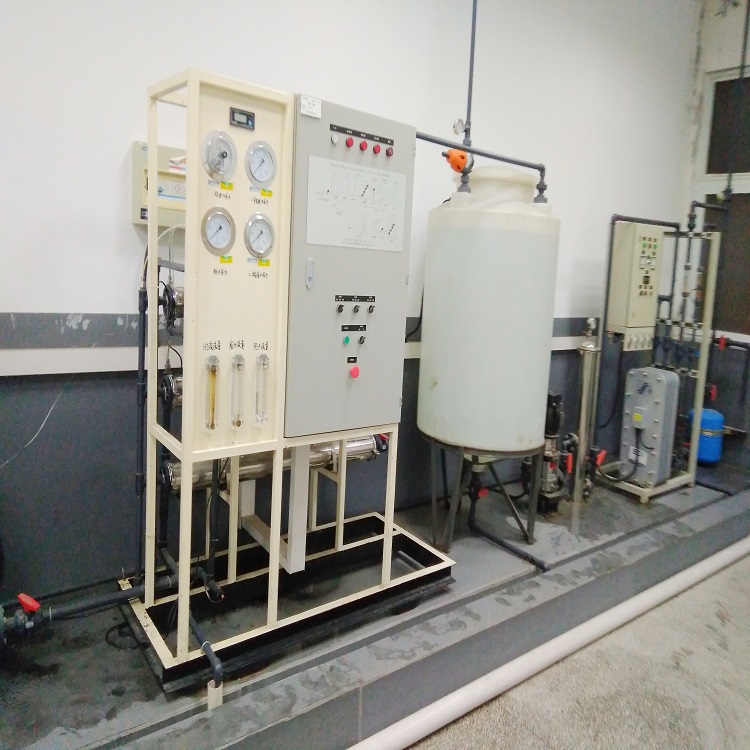
Shenzhen Industrial Ultra-Pure Water Equipment, equipped with EDI system, features low energy consumption and high degree of automation.
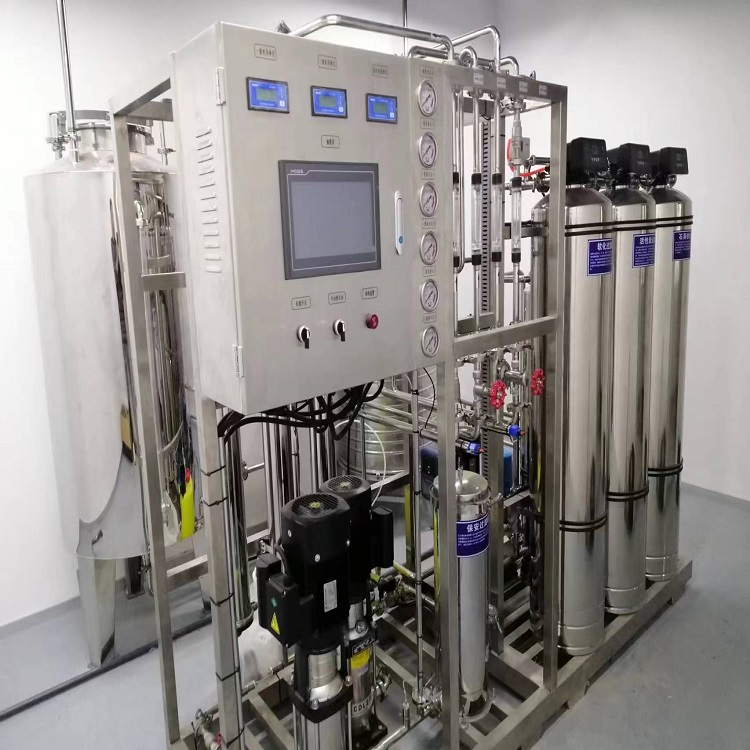
Shanghai industrial pure water production equipment reverse osmosis filtration system with high yield and customizable options, Quankun brand.
详情描述
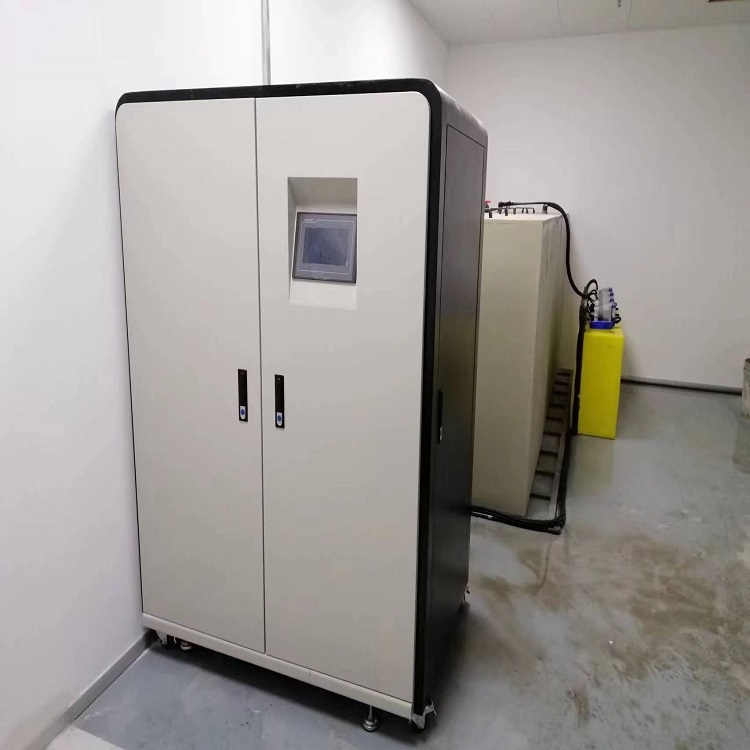
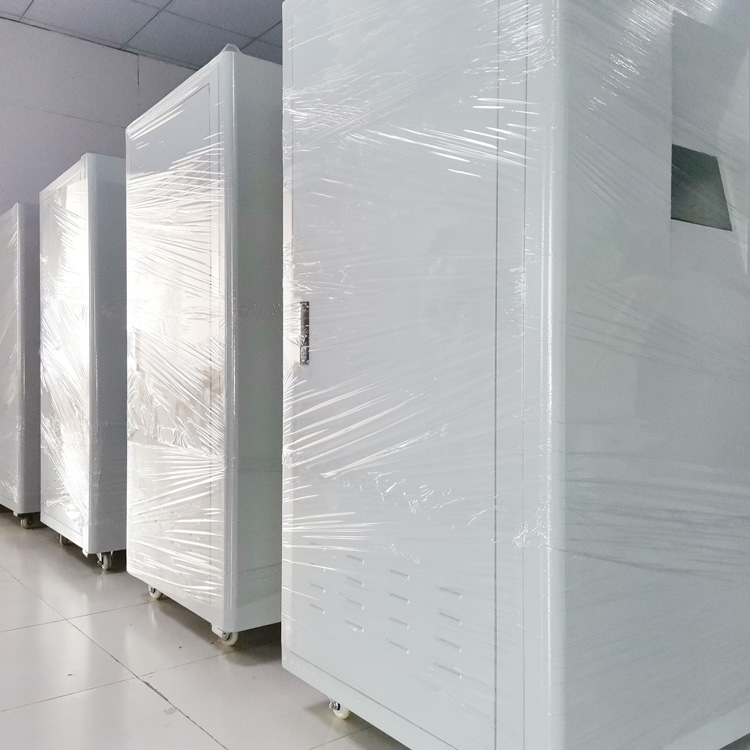
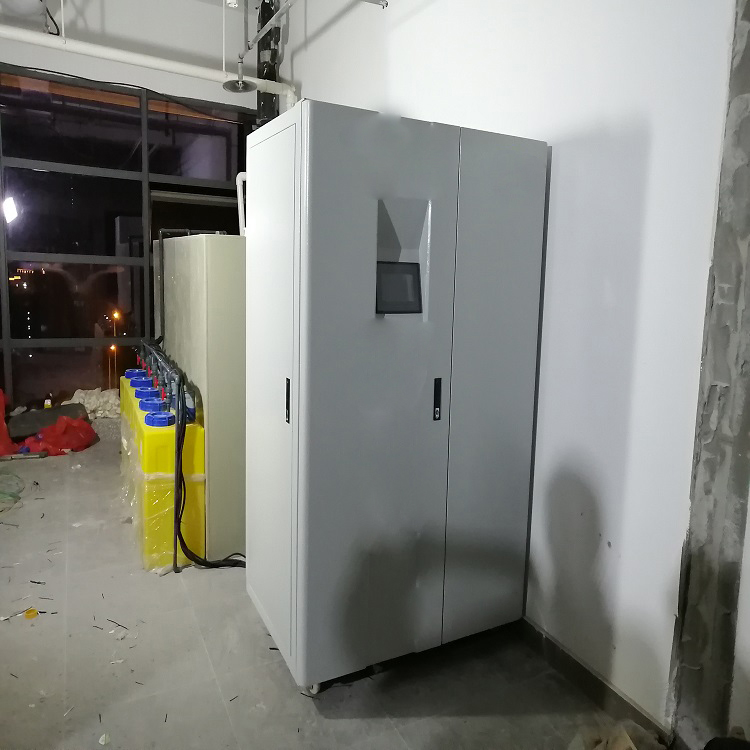
Quan Kun - Small Laboratory Wastewater Treatment System - Treatment Capacity 1-10 T/D - Intelligent Control
Laboratory wastewater is generated during the operation and testing process, including the cleaning, cooling of various instruments, equipment, clothing, and apparatus. Some of the wastewater can be directly discharged into the external drainage network, while the rest can be appropriately treated. After recovery, these wastewaters must be processed in various ways based on their characteristics and composition. Some can be recycled and discharged into the external network. Measures to prevent and reduce the generation of laboratory wastewater.
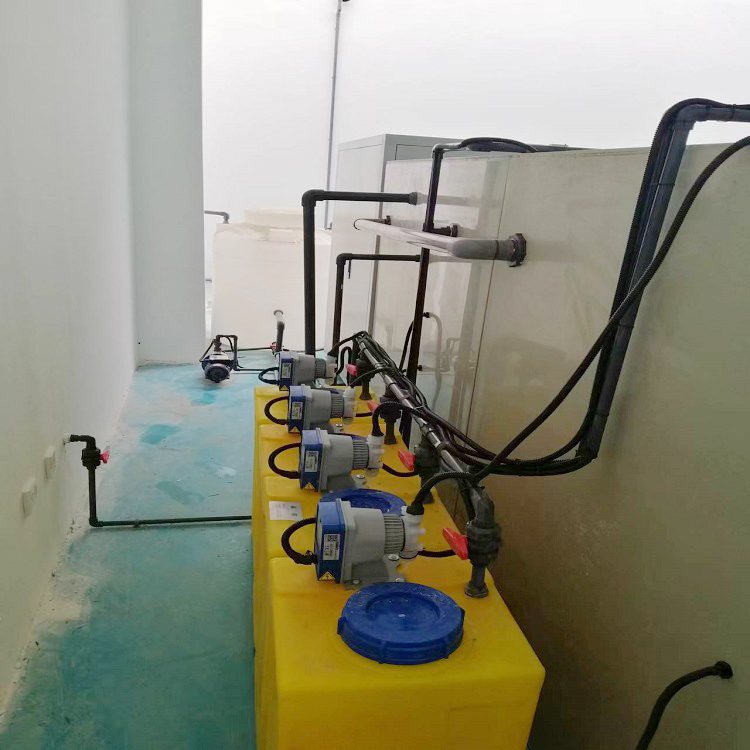
Performance Features:
1) The disinfectant produced has a high purity, with a chlorine dioxide content exceeding 98%.
2) High conversion rate, raw material conversion rate of 95%.
3) Advanced imported metering pump control for chemical dosing, with back pressure valve to prevent siphonage.
4) Simple design structure, easy to install and maintain.
5) Low land area requirement (or no land area required).
6) By adjusting the flow meter and dosing pump, various concentrations of chlorine dioxide disinfectant can be produced, particularly suitable for food production companies, as each process has different requirements for chlorine dioxide disinfectant.
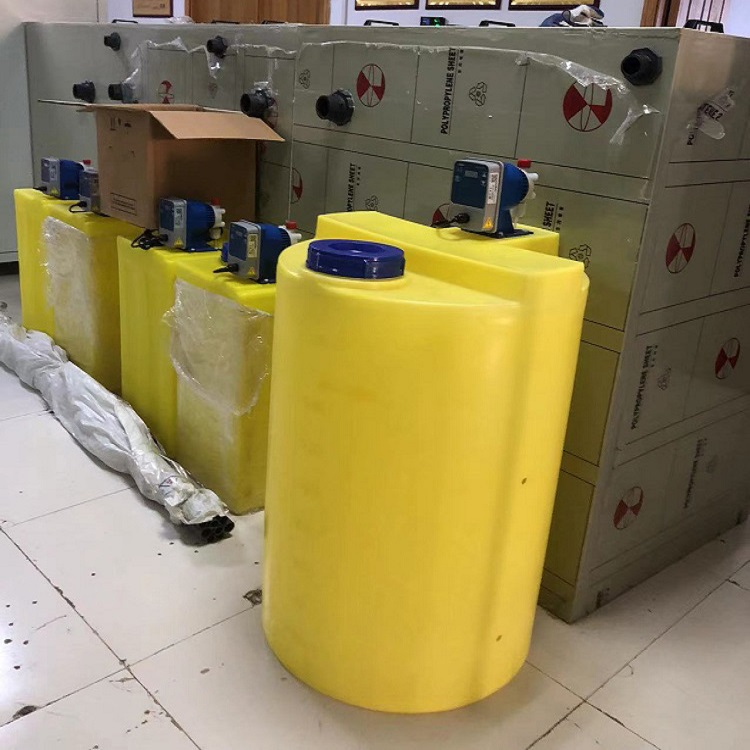
Work Environment:
Laboratory wastewater treatment equipment is suitable for atmospheric (or low-pressure) conditions, with injection heights less than 4 meters and injection pipelines less than 100 meters. The on-site water source pressure should be constant at 0.25-0.4 MPa. The installation location must have drainage and ventilation facilities. The installation site should have a small area or no ground installation space.
Method Features:
Wastewater discharge is generally divided into two parts: one is domestic wastewater, and the other is wastewater generated from related sickbeds. Considering the requirements for water quality and volume of incoming and outgoing water, the disease prevention and control center's wastewater treatment process must ensure that the treated effluent meets the standards. It can maintain a low level of E. coli for a long term, and the effluent from the filtration system can ensure compliance with water quality requirements, with all indicators meeting the national wastewater discharge standards.
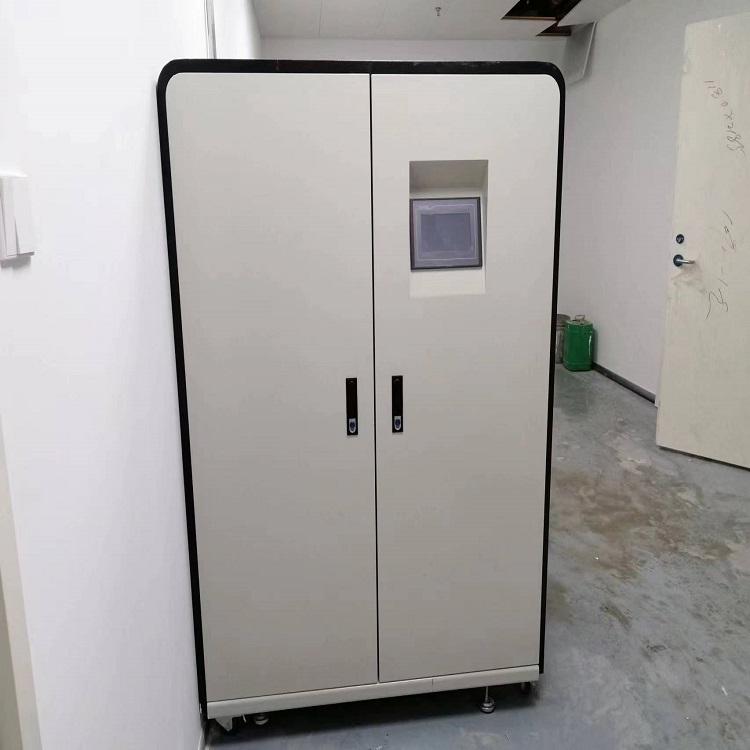
Quan Kun - Small Laboratory Wastewater Treatment System - Treatment Capacity 1-10 T/D - Intelligent Control
Application Fields:
The comprehensive wastewater treatment equipment for laboratories is an automated system with excellent treatment effects, compact installation space, simple operation and management, requiring no dedicated personnel. It is specifically designed for the integrated wastewater treatment of laboratories across various industries both domestically and internationally. Highly praised by users, it is widely used in universities, research institutions, food and drug inspections, product quality inspection agencies, disease control centers, environmental monitoring, agricultural product quality inspections, quarantine and inspection, grain and oil, animal disease control, blood centers, livestock breeding, institutions, biology, petrochemical companies, and other laboratories and testing rooms. After treatment, the wastewater meets the first, second, and third categories of comprehensive discharge standards. The treated wastewater, in accordance with standard [GB8978-1996], can be discharged into the municipal sewage pipeline or reused after further treatment in surface water or rivers.


