



- AllProduct Category
-
Lab Wastewater Treatment Equipment
Lab Wastewater Treatment Equipment
Ultra-Pure Water Equipment
Membrane Separation Equipment
Pure Water Equipment
Low-Temperature Evaporator
Ultra-Pure Water System
Integrated Wastewater Treatment Equipment
Reverse Osmosis Equipment
Pure Water Equipment
Ceramic Membrane Equipment



Recommended Products
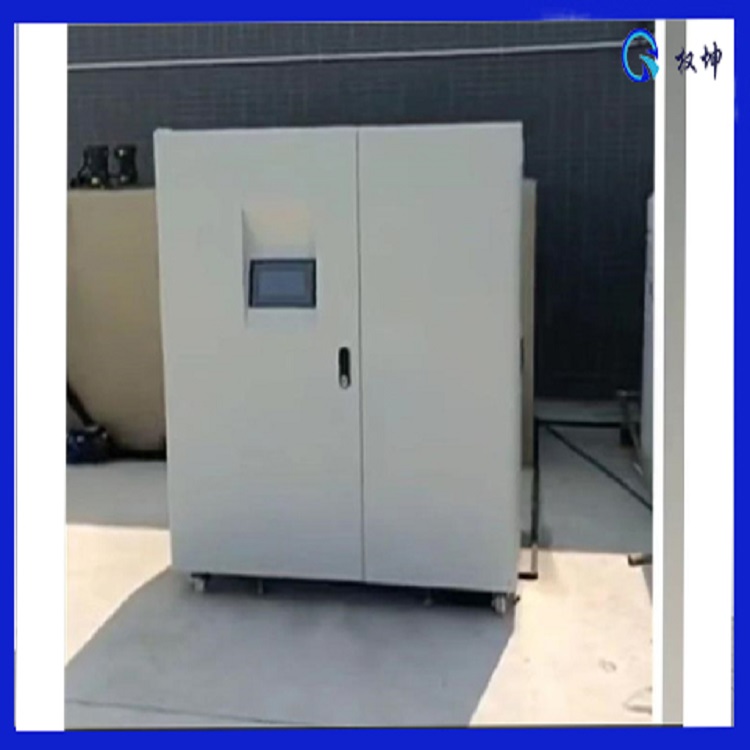
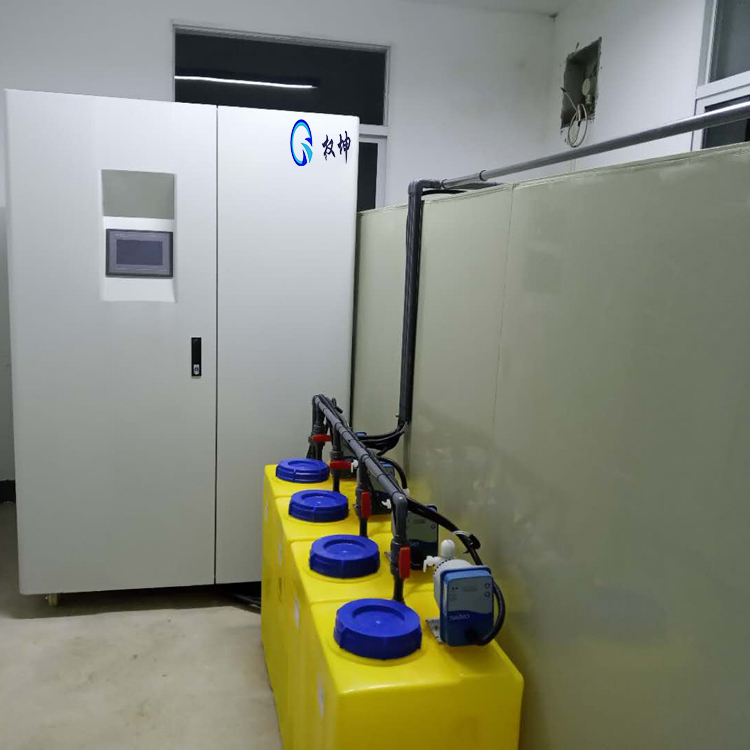
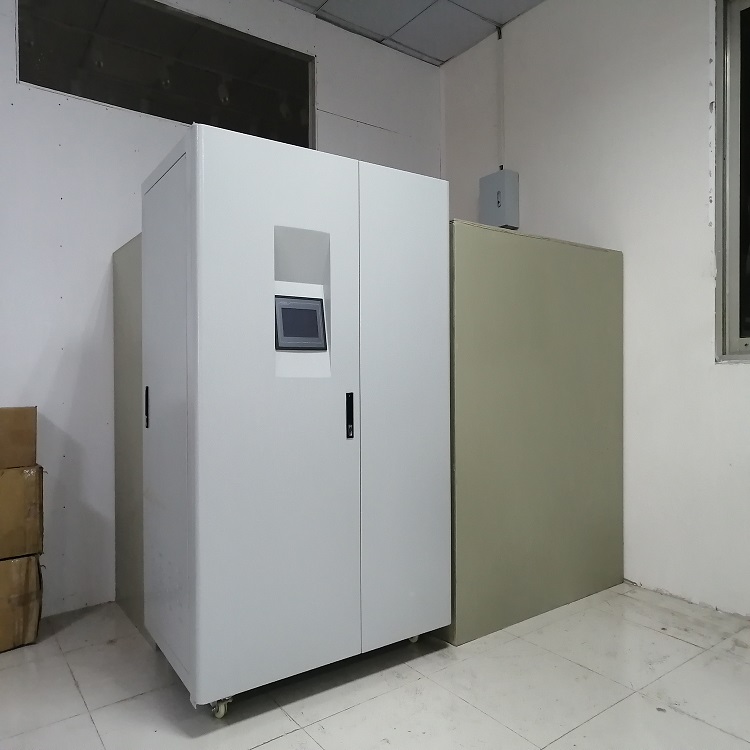
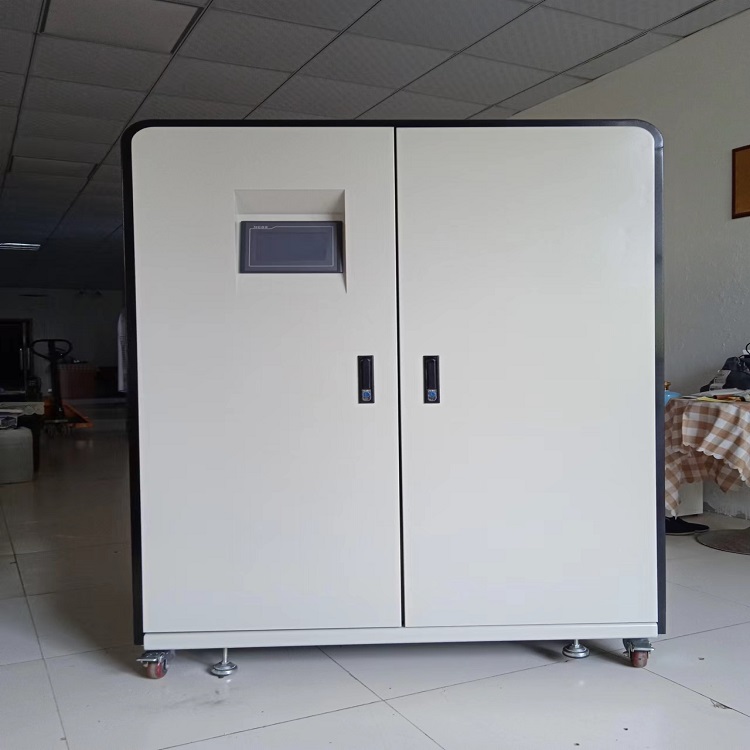
Quan Kun - Comprehensive Laboratory Waste Water Treatment Equipment - Remote Monitoring - Automated Control
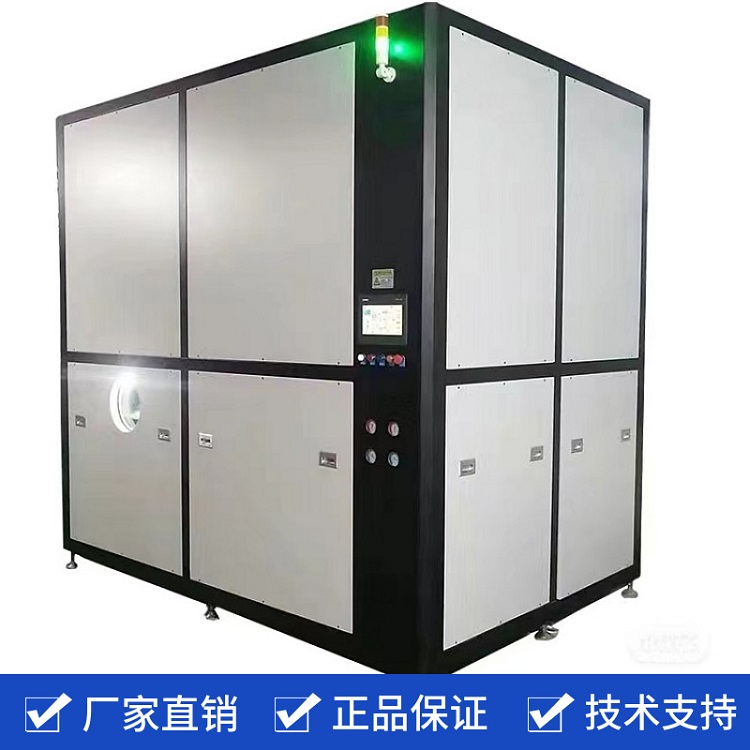
Sodium Chloride Wastewater Low-Temperature Evaporator - Intelligent Automatic - Quankun - Integrated Design
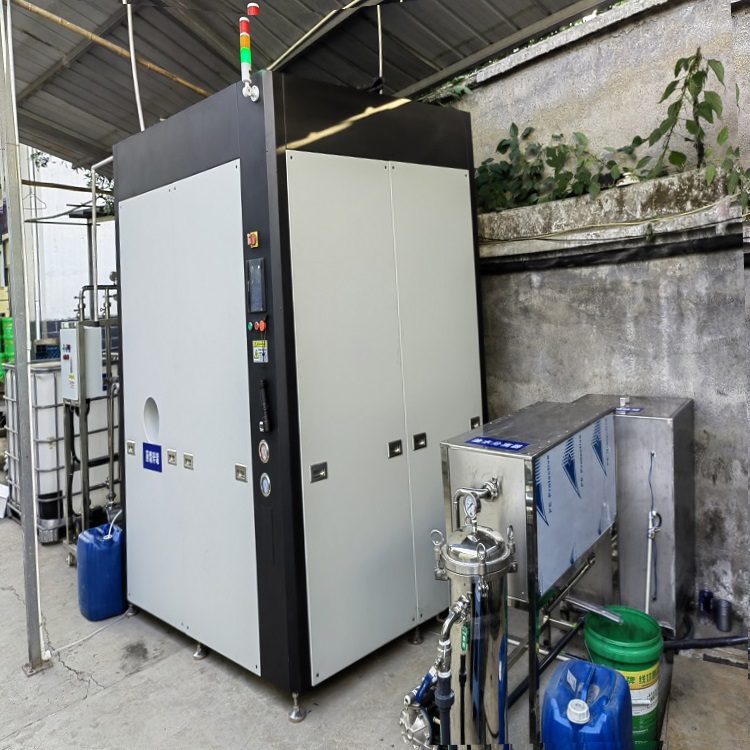
High-Concentration Oil Emulsion Waste Water Treatment Equipment - Quankun - Evaporator Unit - High Concentration Ratio
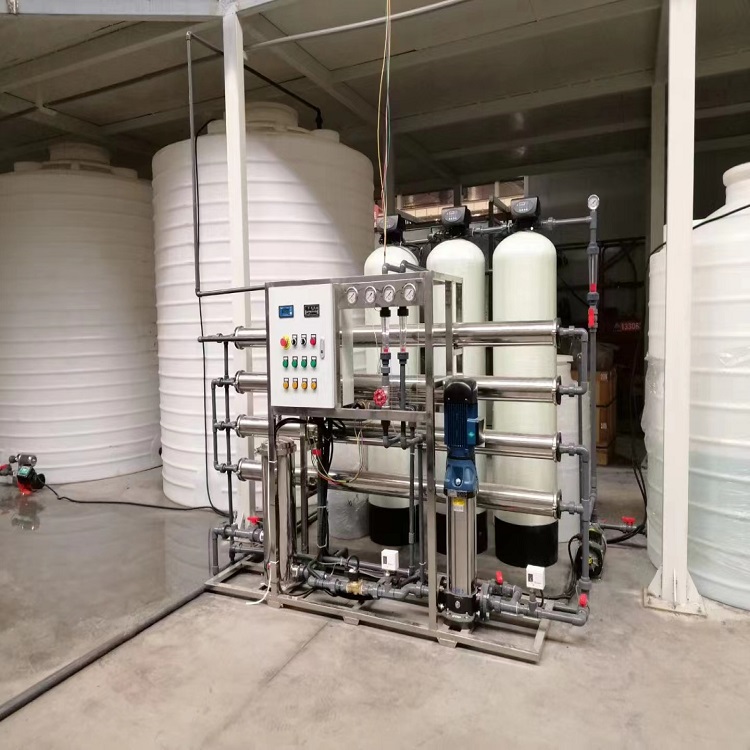
Industrial Pure Water Equipment EDI Ultra-Pure Water System Fully Automatic Control Quankun Environmental Protection
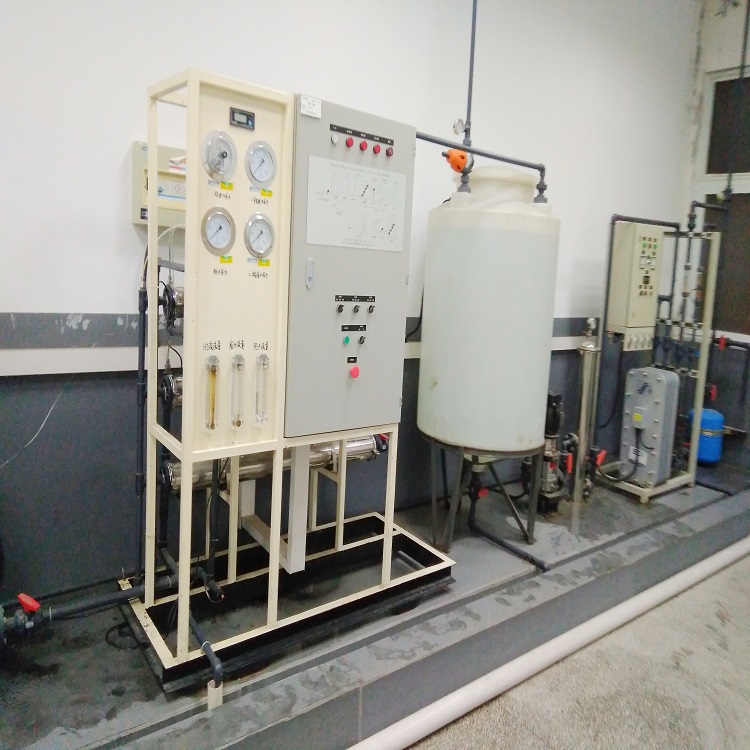
Shenzhen Industrial Ultra-Pure Water Equipment, equipped with EDI system, features low energy consumption and high degree of automation.
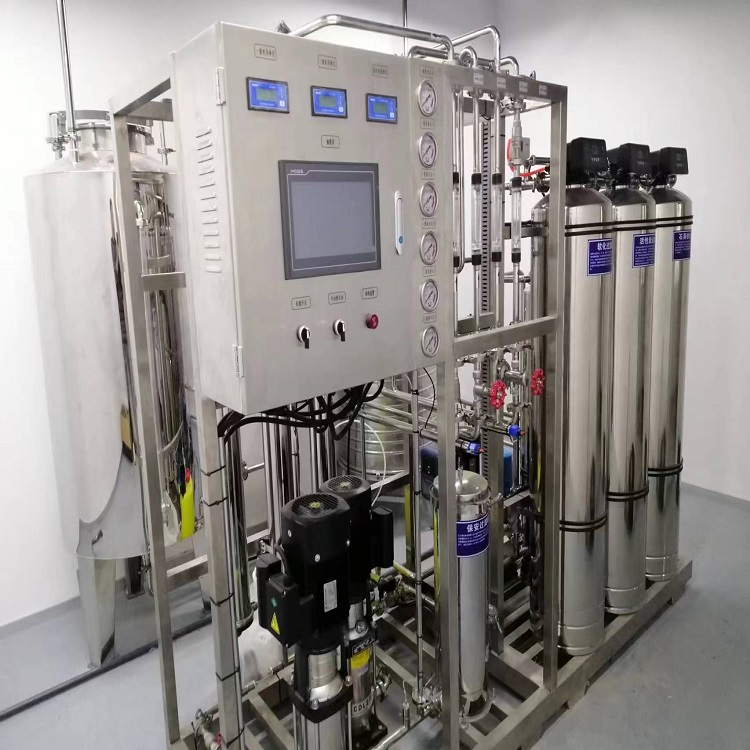
Shanghai industrial pure water production equipment reverse osmosis filtration system with high yield and customizable options, Quankun brand.
详情描述
Quan Kun Comprehensive Wastewater Treatment Equipment for Junior High School Labs _ Low Energy Consumption, Stable Effluent
Laboratories are essential for scientific research and education, but the large amount of wastewater they generate can lead to severe environmental pollution if not effectively treated. Therefore, the development and application of wastewater treatment equipment for university laboratories are of great importance.
Laboratory wastewater treatment equipment must be processed using appropriate treatment technologies. Traditional wastewater treatment processes include physical, chemical, and biological treatments, with biological treatment being commonly used in laboratory wastewater treatment. This technique utilizes aerobic and anaerobic bacteria to decompose and convert organic matter and ammonia nitrogen in the wastewater, achieving the goal of water purification.
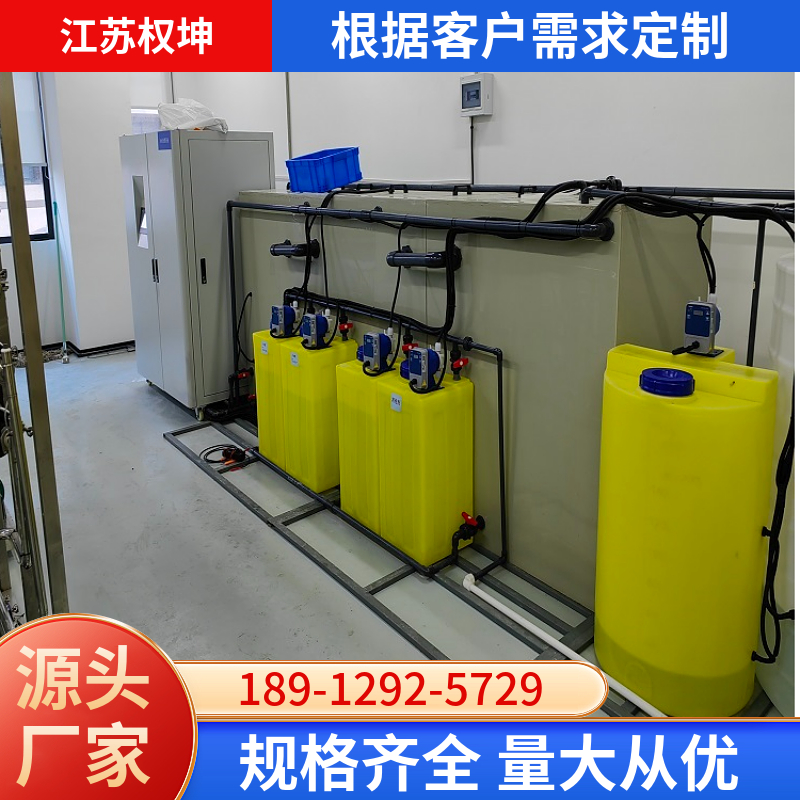
Equipment Features:
(1) Simple and compact structure: Teaching laboratory wastewater treatment equipment usually features modular design, which is simple and compact, making it easy to install and maintain.
(2) High Processing Efficiency: The equipment utilizes biological treatment technology, capable of decomposing organic matter, and offers excellent treatment results.
Low energy consumption: The equipment employs advanced energy control technology, effectively reducing energy consumption and operational costs.
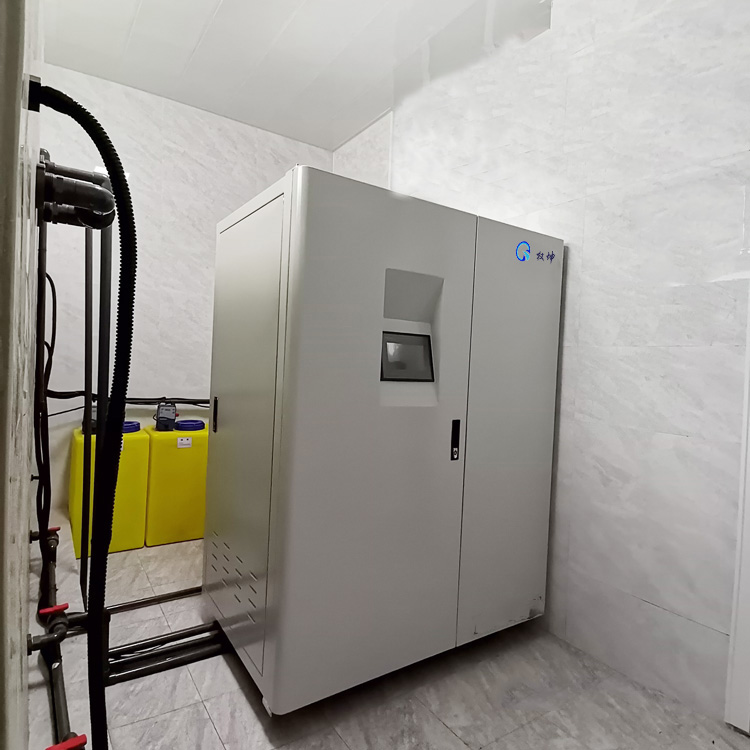
By pollutant nature classification
Based on the nature of the main pollutants in wastewater, it can be classified into organic wastewater, inorganic wastewater, and biological laboratory wastewater. Organic laboratory wastewater contains commonly used organic reagents and samples, such as benzene, nitro compounds, etc. Inorganic laboratory wastewater mainly contains strong acids, strong bases, heavy metals, arsenic compounds, etc. Biological wastewater is primarily produced in biosafety laboratories, with pollutants including blood, urine, sputum, vomit, and laboratory detection cultures, media, liquid biological specimens, a small amount of laboratory equipment, and animal cage rinse water. Pollutants are mainly pathogenic bacteria, do not contain heavy metal ions, have good biodegradability, and contain a high amount of pathogenic microorganisms.
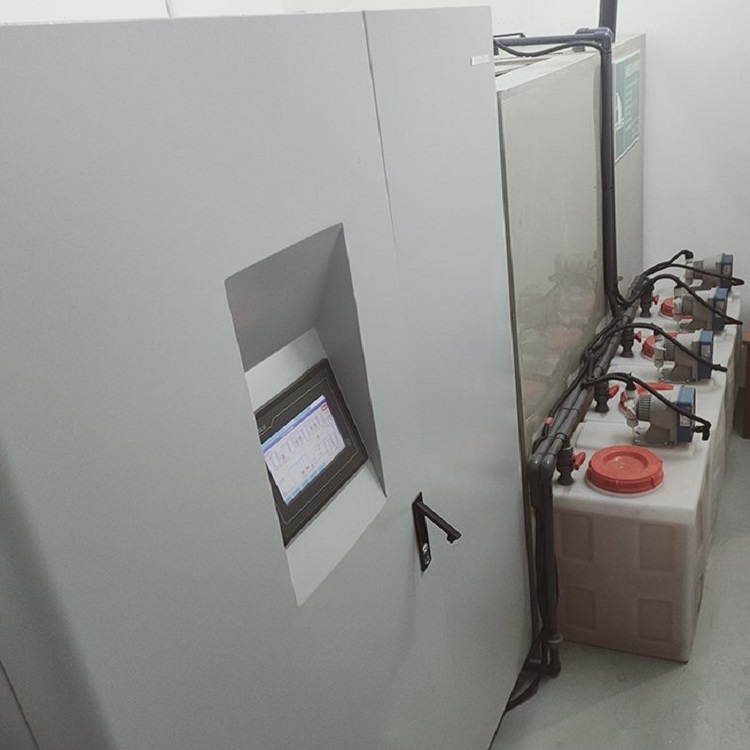
Quan Kun Comprehensive Wastewater Treatment Equipment for Junior High School Labs, Low Energy Consumption and Stable Effluent
Laboratory wastewater is discharged into a collecting pit. Once the water level in the pit reaches the set level, the system automatically activates and begins treatment. Water is pumped into a coagulation sedimentation tank, where the pH is adjusted and metal sorbents and coagulants are added to remove heavy metals, colloidal pollutants, and other suspended solids. The supernatant then overflows into the coagulation sedimentation tank. The sedimentation tank and an ozone oxidation chamber undergo further treatment, including ozone oxidation, organic pollutant decomposition, de-colorization, and deodorization. The treated water then enters a catalytic micro-electrolysis tank for continuous COD decomposition. After removing suspended solids, the water passes through an odor removal and multi-functional treatment system to eliminate colorants, residual organics, heavy metals, inorganic salts, etc. It is then processed through a membrane filtration device to remove dissolved organics and residual pollutants. Finally, after UV radiation, the wastewater quality meets the discharge standards. A light disinfection process removes microorganisms. The sludge in the coagulation sedimentation tank is periodically pumped into filter bags using a slurry pump and then disposed of safely.


