




- AllProduct Category
-
Lab Wastewater Treatment Equipment
Lab Wastewater Treatment Equipment
Ultra-Pure Water Equipment
Membrane Separation Equipment
Pure Water Equipment
Low-Temperature Evaporator
Ultra-Pure Water System
Integrated Wastewater Treatment Equipment
Reverse Osmosis Equipment
Pure Water Equipment
Ceramic Membrane Equipment



Recommended Products
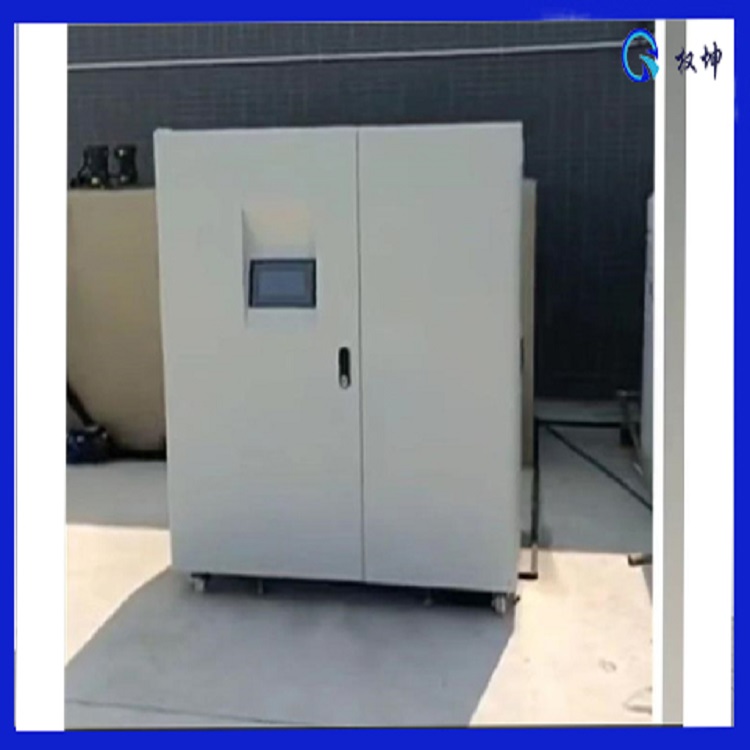
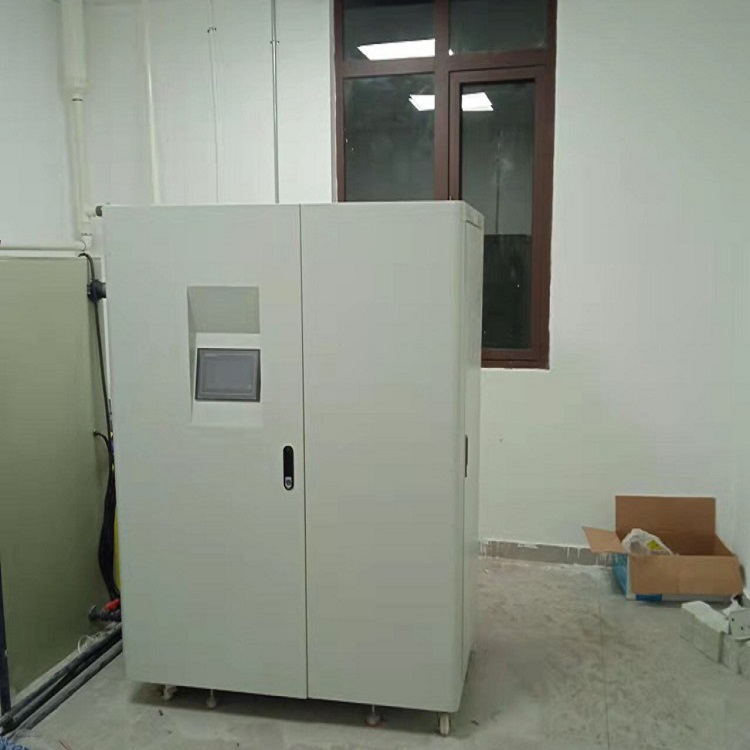
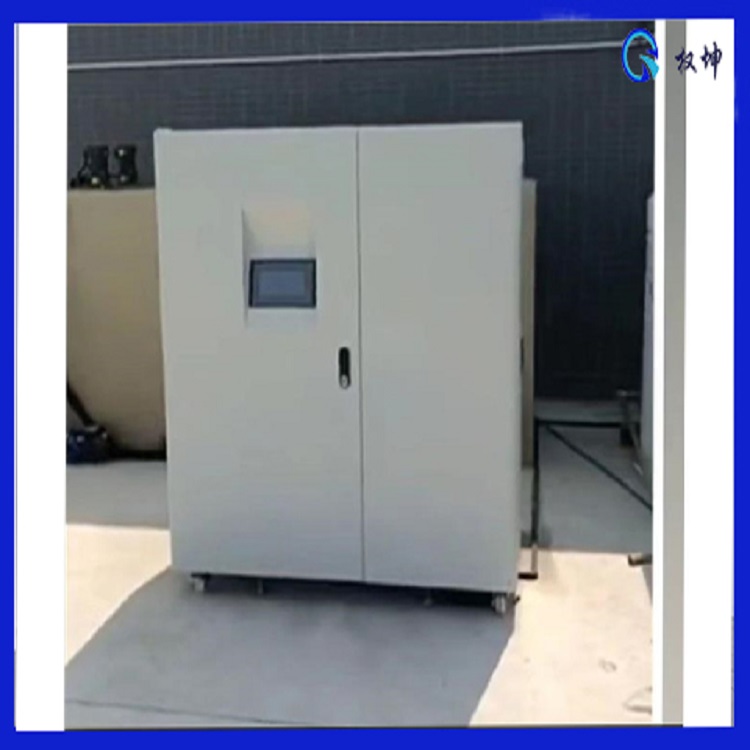
Quan Kun - Comprehensive Laboratory Waste Water Treatment Equipment - Remote Monitoring - Automated Control
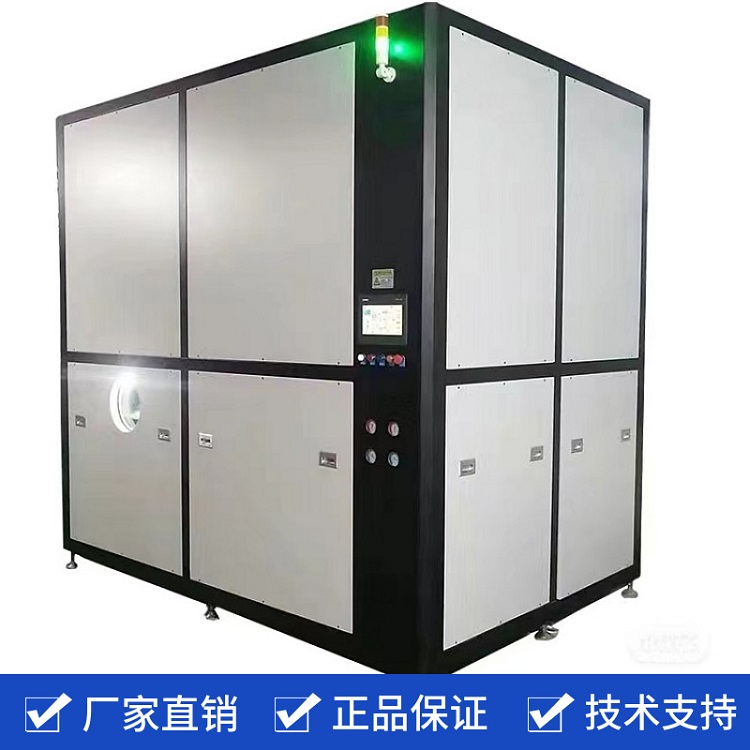
Sodium Chloride Wastewater Low-Temperature Evaporator - Intelligent Automatic - Quankun - Integrated Design
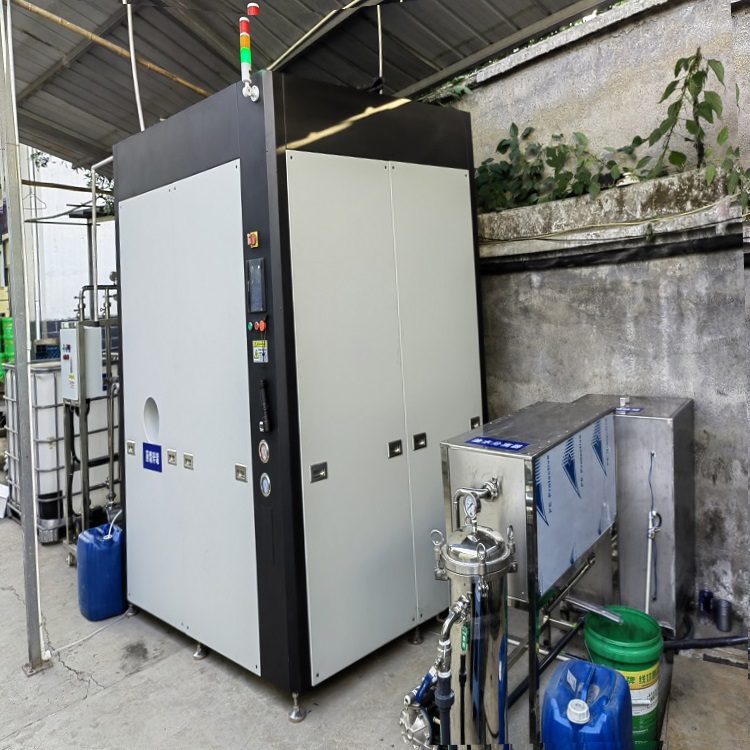
High-Concentration Oil Emulsion Waste Water Treatment Equipment - Quankun - Evaporator Unit - High Concentration Ratio
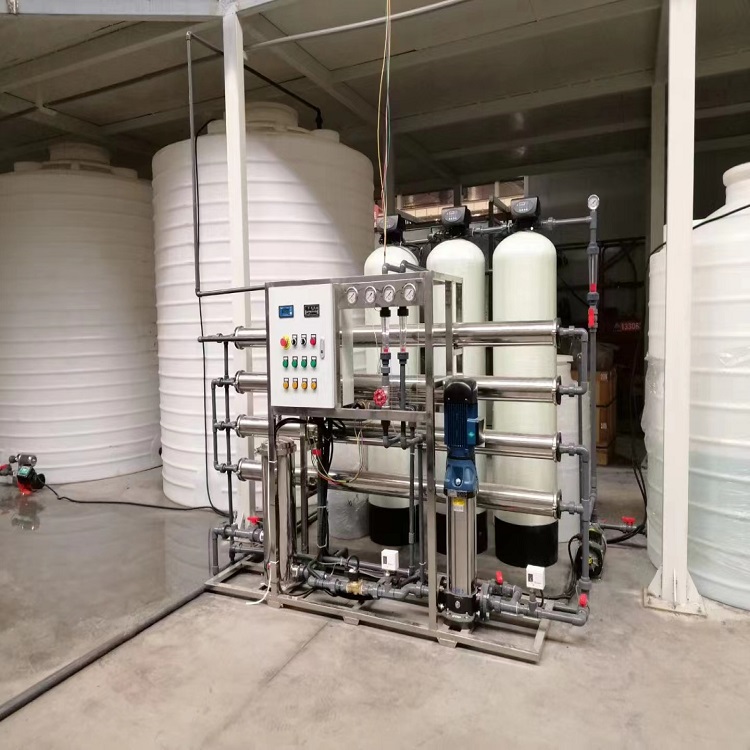
Industrial Pure Water Equipment EDI Ultra-Pure Water System Fully Automatic Control Quankun Environmental Protection
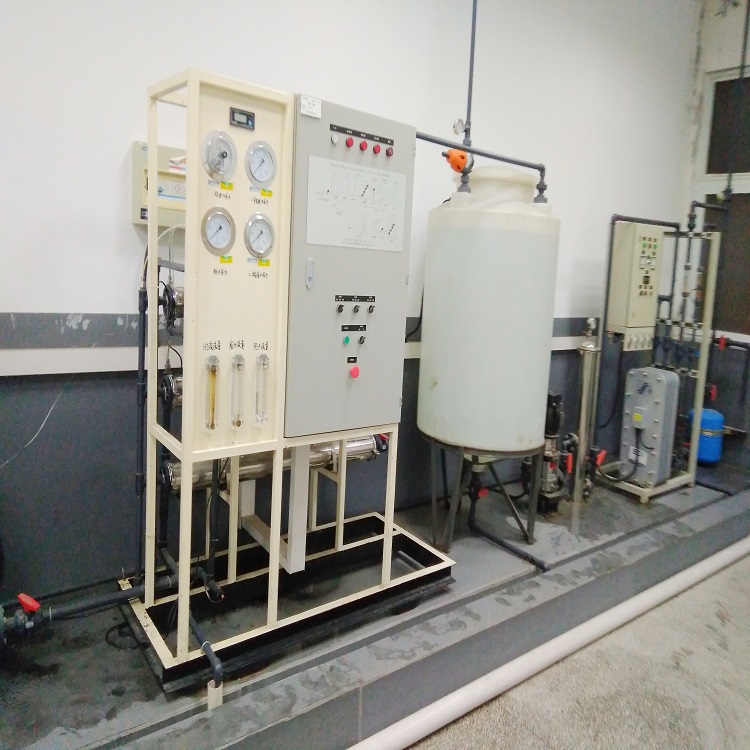
Shenzhen Industrial Ultra-Pure Water Equipment, equipped with EDI system, features low energy consumption and high degree of automation.
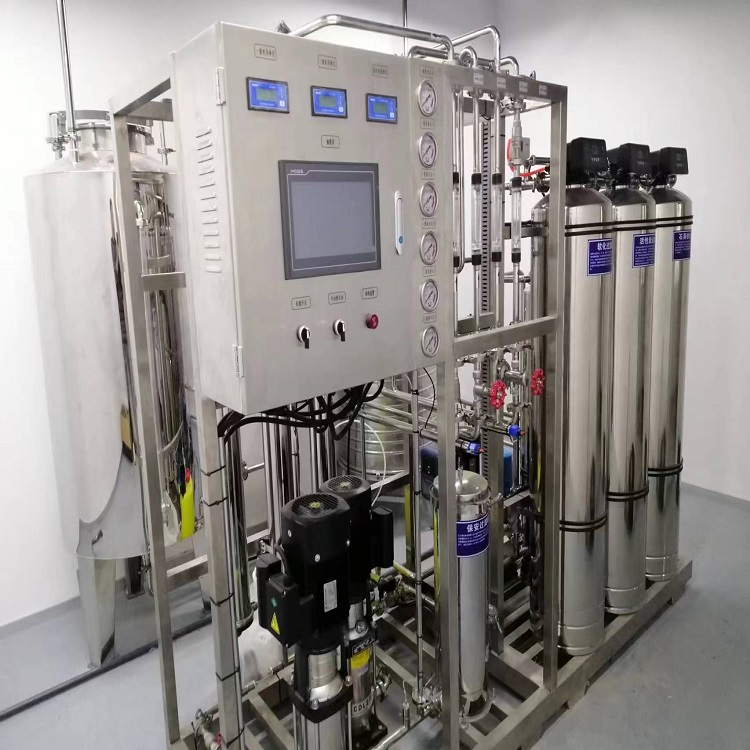
Shanghai industrial pure water production equipment reverse osmosis filtration system with high yield and customizable options, Quankun brand.
详情描述
MBR Lab Wastewater Treatment System - Stainless Steel - Corrosion-Resistant & Durable - Quankun
Introduction to Laboratory Wastewater
With rapid economic development and the continuous advancement of science and technology, scientific experiments conducted by research institutions and universities worldwide are becoming increasingly intensive and widespread. The volume of laboratory wastewater discharged from laboratories is growing day by day. The quality of laboratory wastewater is complex, with irregular discharge cycles and water volumes, as well as a diverse array of pollutants. Besides containing detergents and general solvents, it also includes a large amount of acidic substances, alkalis, toxic and harmful organic matter, and heavy metals.
Laboratory wastewater, although in small quantities, can cause significant environmental pollution if not treated before discharge. Therefore, it is highly necessary to research integrated treatment methods and equipment for laboratory wastewater that offer good treatment effects, advanced technology, and low investment.
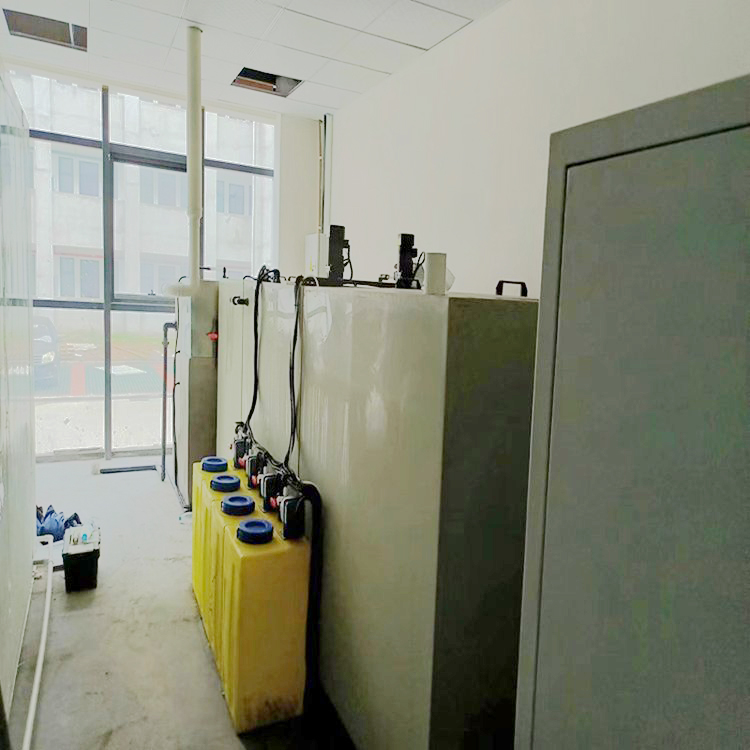
Laboratory wastewater classification:
Based on the nature of the main pollutants in the wastewater, it can be categorized into organic wastewater, inorganic wastewater, and biological laboratory wastewater.

Design Principles:
1. Considering various factors, we have adopted a mature technology with low investment, stable operation, low operation costs, and good treatment effects.
2. Based on the characteristics of the wastewater, special measures are taken to ensure the removal of harmful components, while also fully considering the anti-corrosion measures for pipelines, equipment, and structures.
Choose equipment and machinery that are stable in performance, easy to maintain, reasonably priced, durable, and efficient in processing.
4. Reasonably arranged, compact, aesthetically pleasing, and with minimal land occupation.
5. Has a certain impact on water quality and quantity.
6. Designed with thorough consideration of noise and odors, preventing secondary pollution and causing no new environmental contamination.
7. Achieve automated control, enhance stability, and ensure the water output meets quality standards.
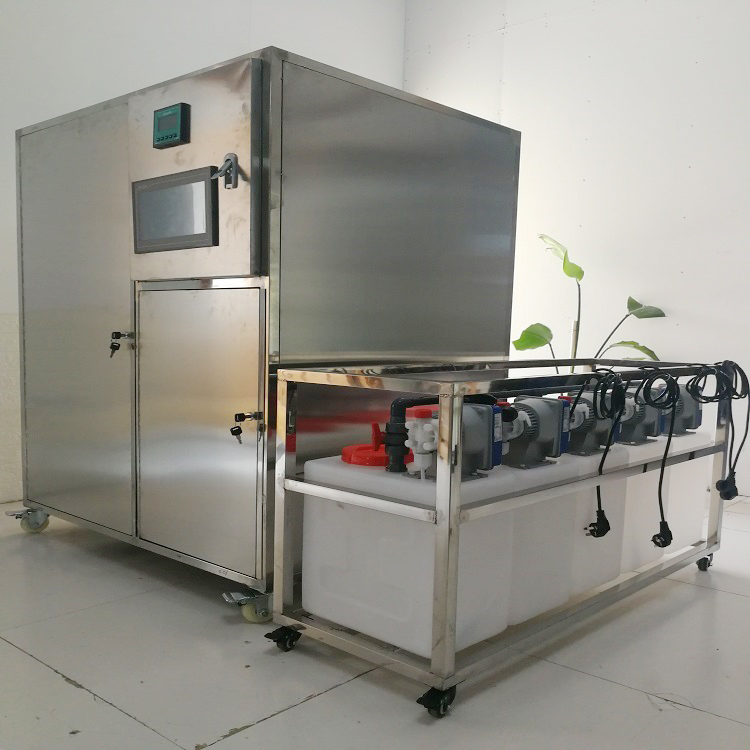
MBR Laboratory Wastewater Treatment System - Stainless Steel - Corrosion-Resistant and Durable - Quankun
Select Equipment:
The selection of wastewater treatment equipment is crucial. The first step is to characterize the laboratory wastewater and conduct an initial assessment based on the water composition and wastewater volume. Common wastewater treatment equipment includes physical treatment, chemical treatment, and biological treatment. For general laboratory wastewater, biological treatment is a common and effective choice, which can remove organic matter from wastewater through methods like biofilter and activated sludge process. Physical treatment equipment, such as sedimentation tanks and filters, can be used to remove suspended solids and solid particles. Chemical treatment equipment includes coagulant dosing devices and pH adjustment devices, which can be used to remove dissolved substances and heavy metal ions from wastewater.


