



- AllProduct Category
-
Lab Wastewater Treatment Equipment
Lab Wastewater Treatment Equipment
Ultra-Pure Water Equipment
Membrane Separation Equipment
Pure Water Equipment
Low-Temperature Evaporator
Ultra-Pure Water System
Integrated Wastewater Treatment Equipment
Reverse Osmosis Equipment
Pure Water Equipment
Ceramic Membrane Equipment



Recommended Products
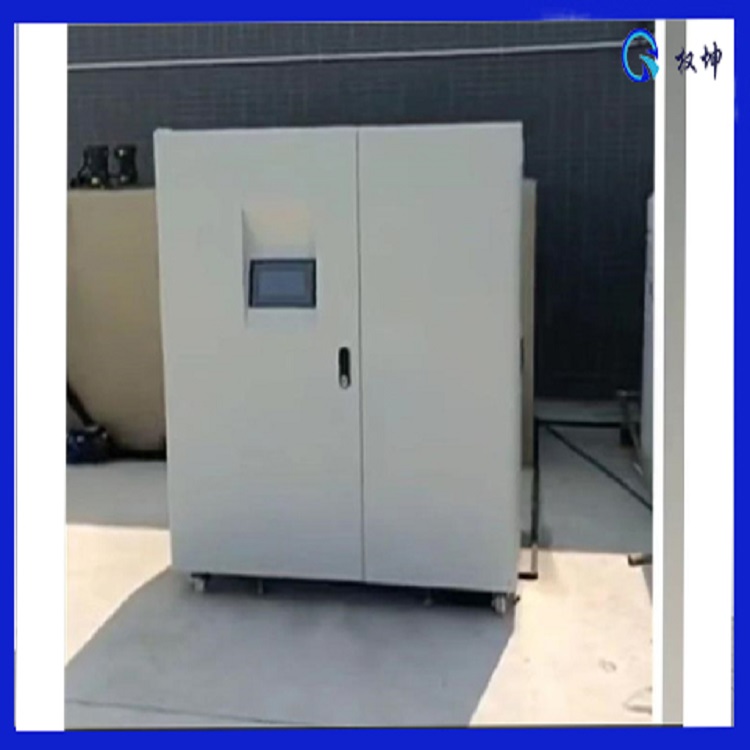
Quan Kun - Comprehensive Laboratory Waste Water Treatment Equipment - Remote Monitoring - Automated Control
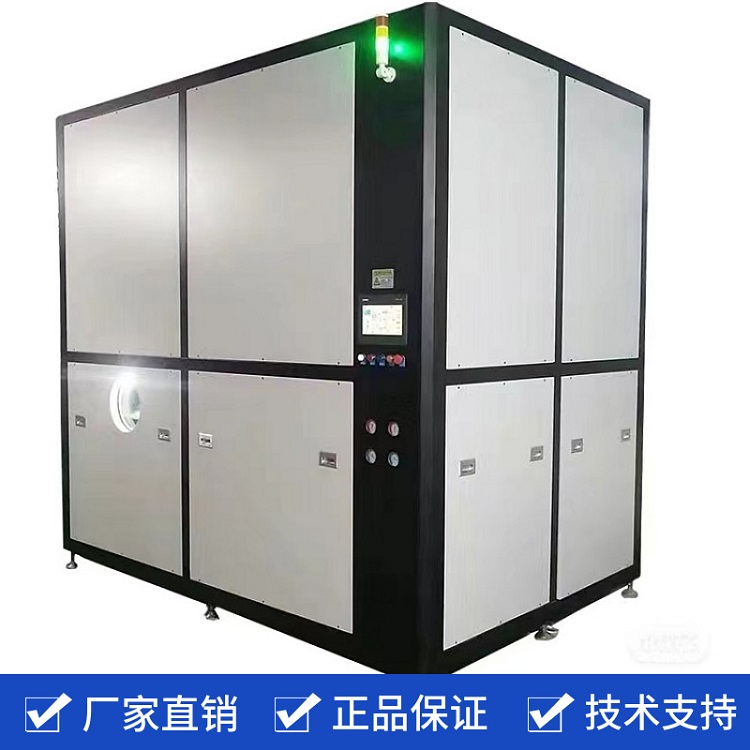
Sodium Chloride Wastewater Low-Temperature Evaporator - Intelligent Automatic - Quankun - Integrated Design
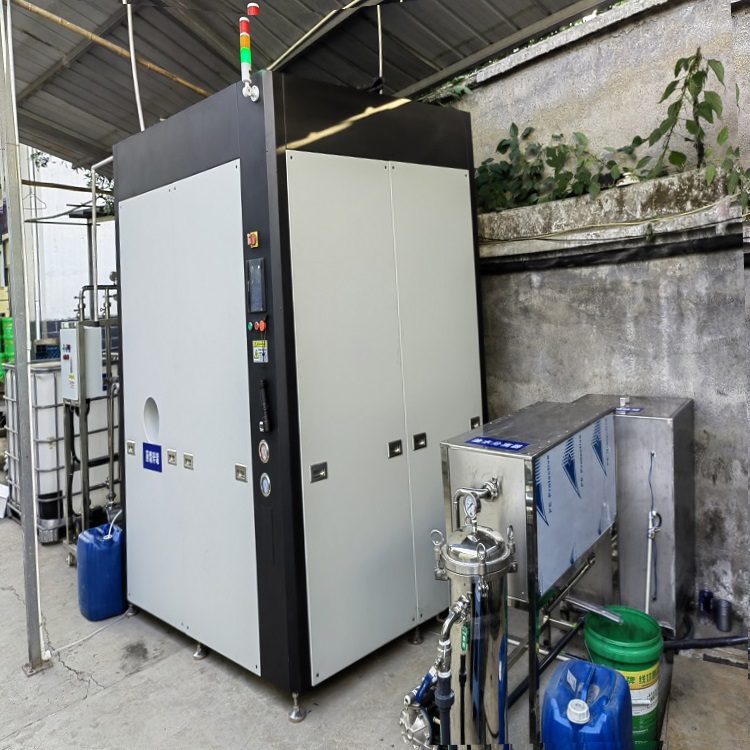
High-Concentration Oil Emulsion Waste Water Treatment Equipment - Quankun - Evaporator Unit - High Concentration Ratio
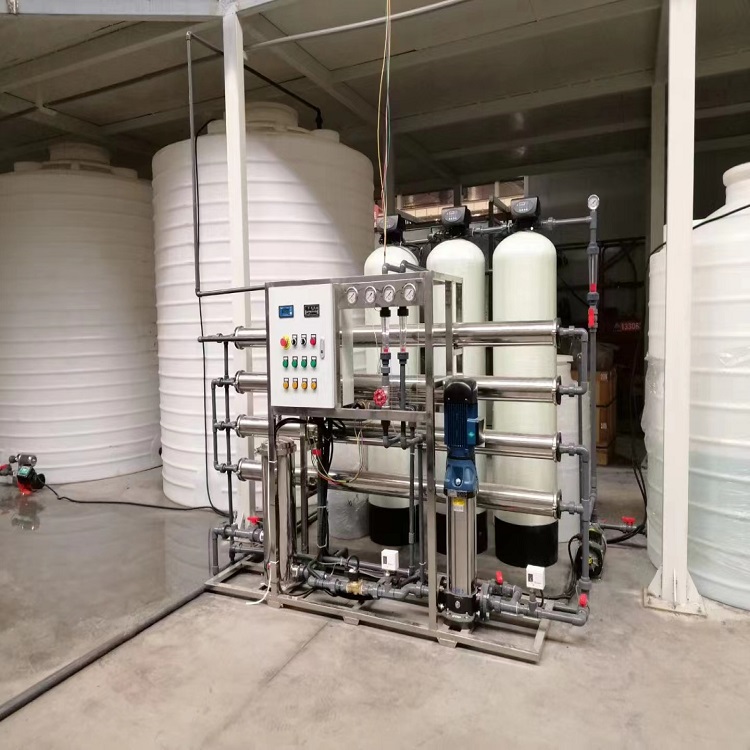
Industrial Pure Water Equipment EDI Ultra-Pure Water System Fully Automatic Control Quankun Environmental Protection
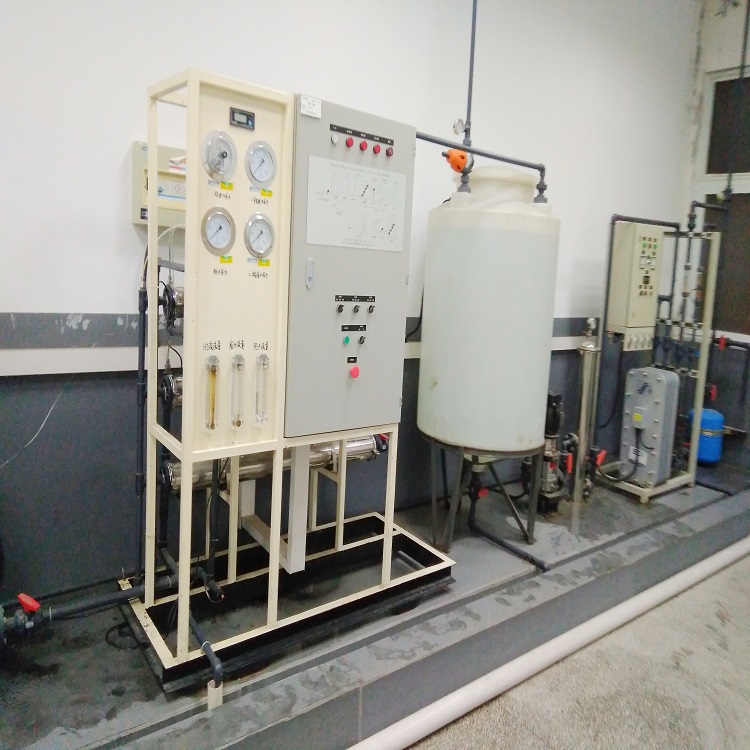
Shenzhen Industrial Ultra-Pure Water Equipment, equipped with EDI system, features low energy consumption and high degree of automation.
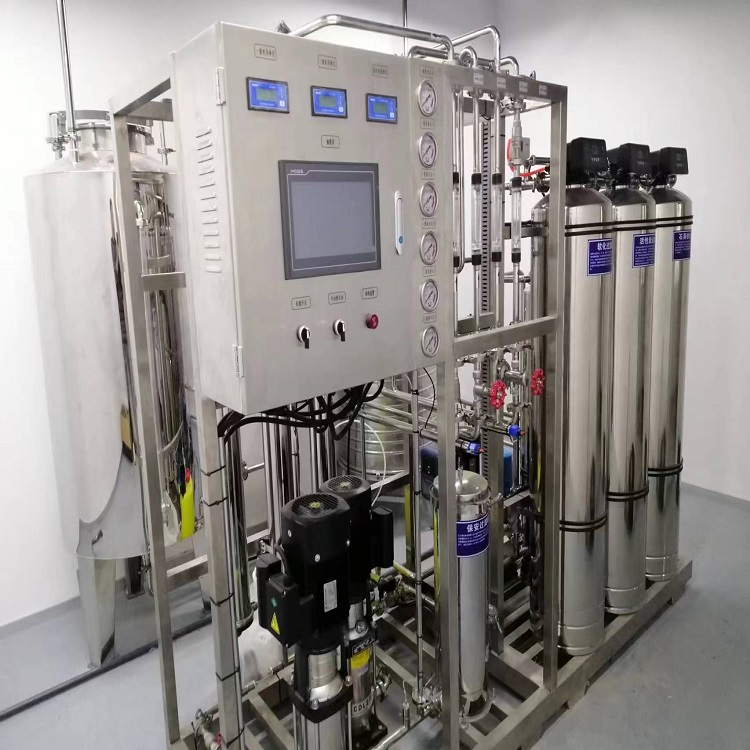
Shanghai industrial pure water production equipment reverse osmosis filtration system with high yield and customizable options, Quankun brand.
详情描述
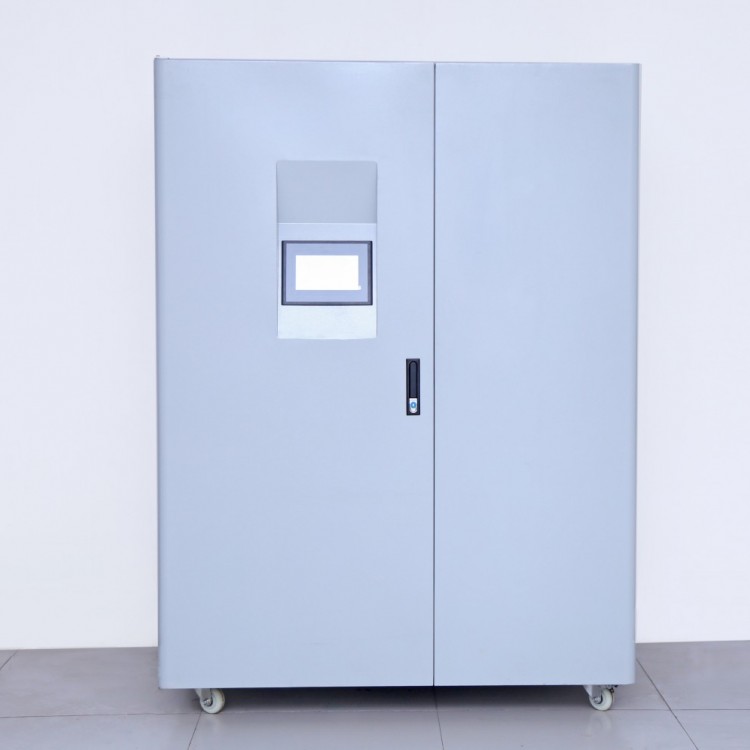
Elementary school lab wastewater treatment equipment - Touch control system - Easy to operate
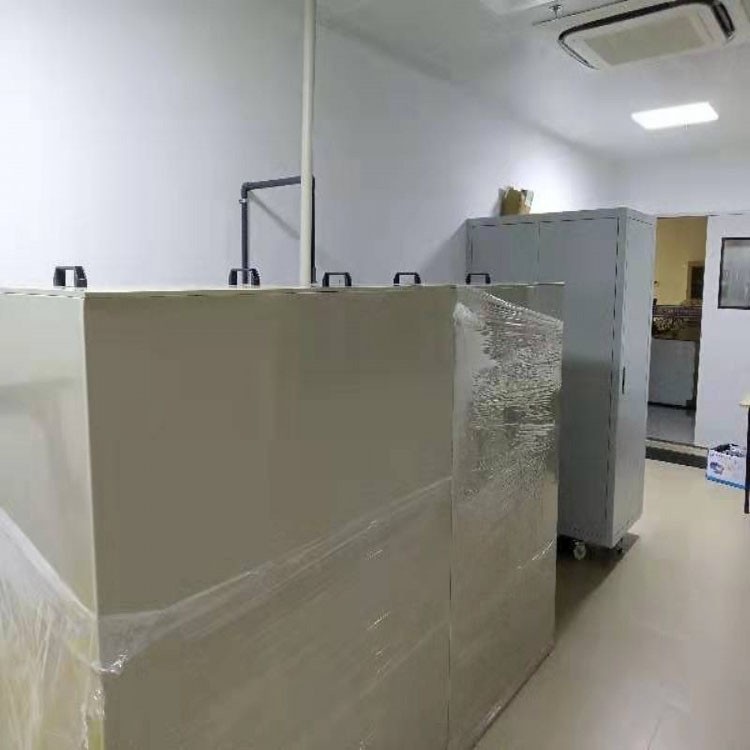
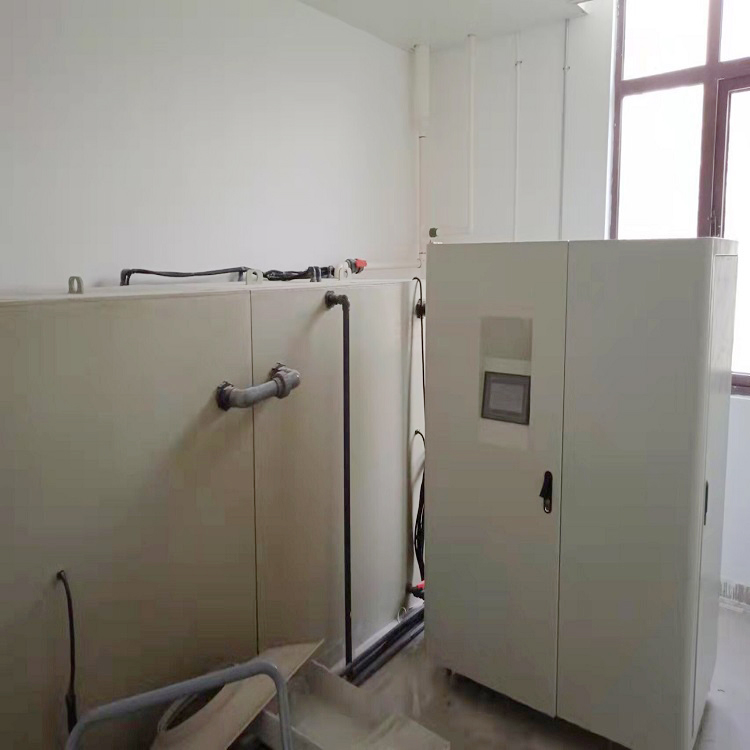
Laboratory wastewater treatment equipment is mainly composed of wastewater collection systems, neutralization and adjustment units, dosing and reaction systems, filtration devices, biological activated carbon oxidation units, and ozone disinfection systems. The full-坤 brand of laboratory wastewater treatment equipment produces a range of systems according to customer requirements. The laboratory wastewater treatment systems offer good value for money. Considering various factors, the structural design of the laboratory wastewater treatment is for daily processing. The equipment is customized based on the volume of wastewater, with various process flows designed according to the different compositions and characteristics of the wastewater.
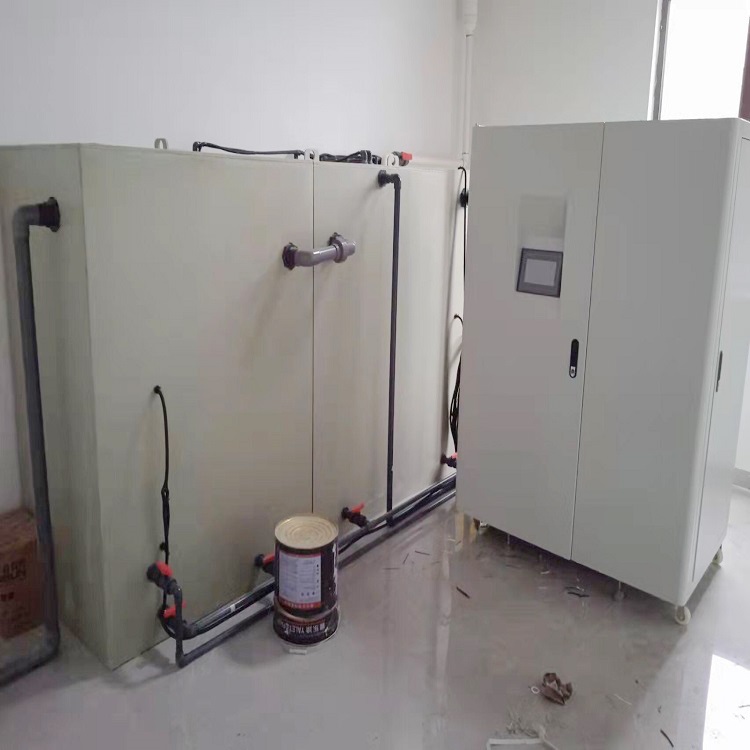
Design Principles:
1. Considering various factors, a mature technology with low investment, stable operation, low operation cost, and good treatment effect is adopted.
2. Based on the characteristics of the wastewater, special measures are taken to ensure the removal of harmful components, and adequate consideration is given to the corrosion prevention of pipelines, equipment, and structures.
3. Select equipment that is stable in performance, easy to maintain, reasonably priced, durable, and high in processing efficiency.
4. Reasonably arranged, compact, and aesthetically pleasing building layout with minimal land occupation.
5. Possesses a certain ability to withstand shock loads in water quality and quantity.
6. The design takes full consideration of noise and odor, preventing secondary pollution and not causing new pollution to the surrounding environment.
7. Achieve automated control to enhance stability and ensure water quality meets standards.
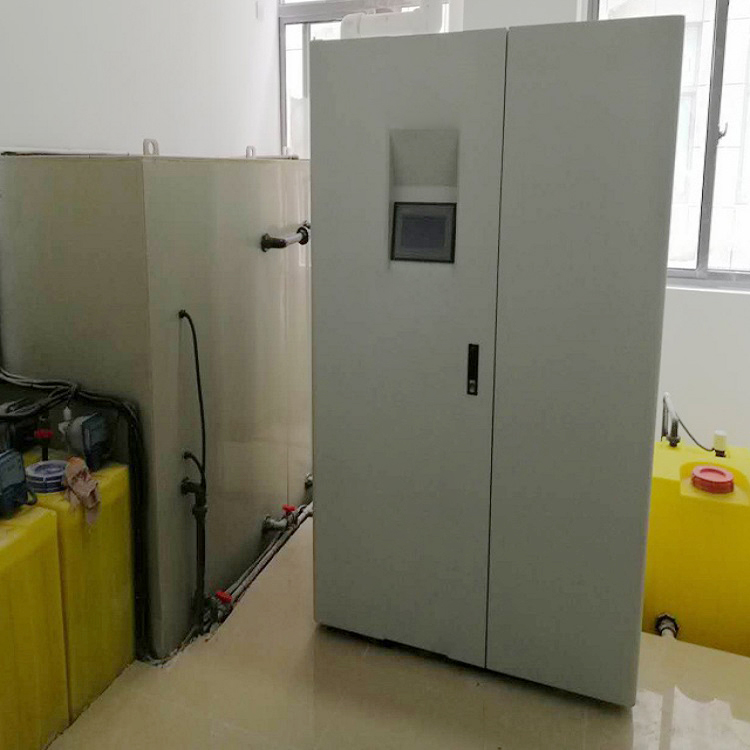
Wastewater Treatment Principle:
1. Due to the nature of inspection and quarantine, wastewater must undergo preventive pollution treatment prior to disposal to prevent pathogens in the wastewater from contaminating the surrounding water environment, and it must be strictly disinfected and meet relevant wastewater discharge standards. Prior to discharge.
2. Such wastewater is closely related to the nature of various work experiments. Certain types of toxic and harmful wastewater must be collected in waste liquid ponds to prevent the entry of toxic and harmful substances from the wastewater into the sewage discharge network.
3. Wastewater from inspection and quarantine must meet the corresponding first or second-level discharge standards before it can enter the wastewater discharge network.
4. Water recycling can enhance water usage management for water quality inspection departments, save water, reduce wastewater discharge, and can be used in areas with poor water resources and conditions.
Lab Wastewater Treatment Equipment Features:
1. Full automatic control system utilized.
2. Compact structure, small installation space.
3. Low total cost, corrosion-resistant, and long service life.
4. Low operating costs, stable water quality output.
Laboratory wastewater treatment equipment is suitable for atmospheric (or low-pressure) conditions, with injection heights less than 4 meters and injection pipelines less than 100 meters. The on-site water source pressure must be constant at 0.25-0.4 MPa. The installation site must have drainage and ventilation facilities. The installation area should be small or lack ground-level installation space.
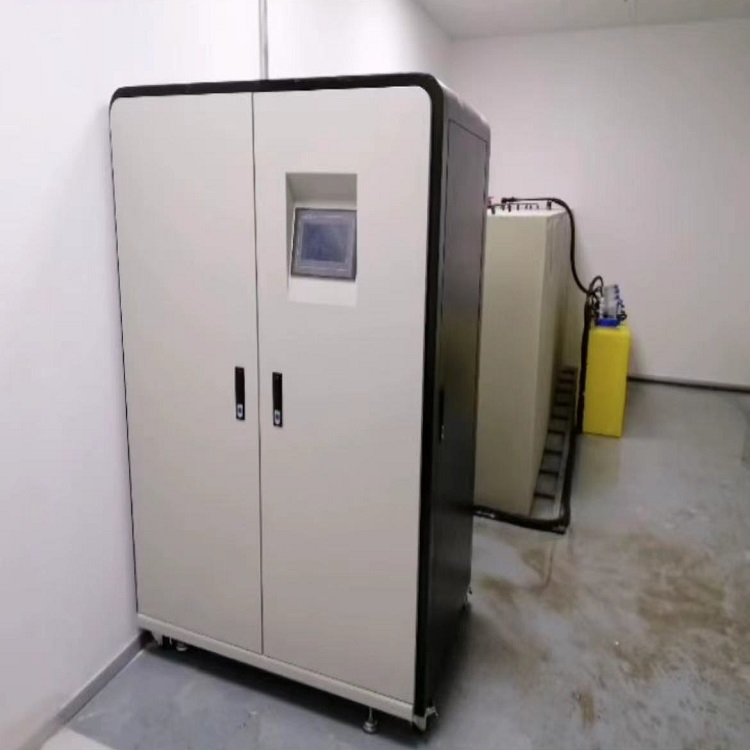
Elementary school laboratory wastewater treatment equipment - Touch control system - Easy to operate
Application Range:
The Quankun Laboratory Wastewater Treatment Equipment is widely used in experiments and scientific research institutions at colleges and universities, as well as in biological, CDC, environmental monitoring, product quality inspection, pharmaceutical testing, blood testing laboratories, animal husbandry, and enterprises. The wastewater from laboratories and testing rooms, after treatment, meets the comprehensive wastewater discharge standard "GB8978-1996" Level 3. The treated wastewater can be discharged into the municipal sewage network or undergo further treatment. This is a reprocessing process for reuse.


