



- AllProduct Category
-
Lab Wastewater Treatment Equipment
Lab Wastewater Treatment Equipment
Ultra-Pure Water Equipment
Membrane Separation Equipment
Pure Water Equipment
Low-Temperature Evaporator
Ultra-Pure Water System
Integrated Wastewater Treatment Equipment
Reverse Osmosis Equipment
Pure Water Equipment
Ceramic Membrane Equipment



Recommended Products
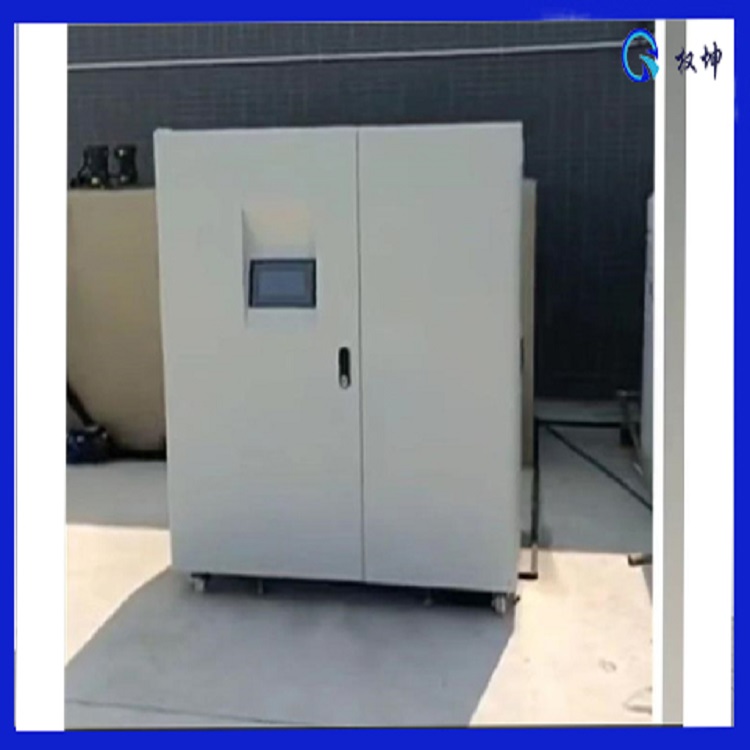
Quan Kun - Comprehensive Laboratory Waste Water Treatment Equipment - Remote Monitoring - Automated Control
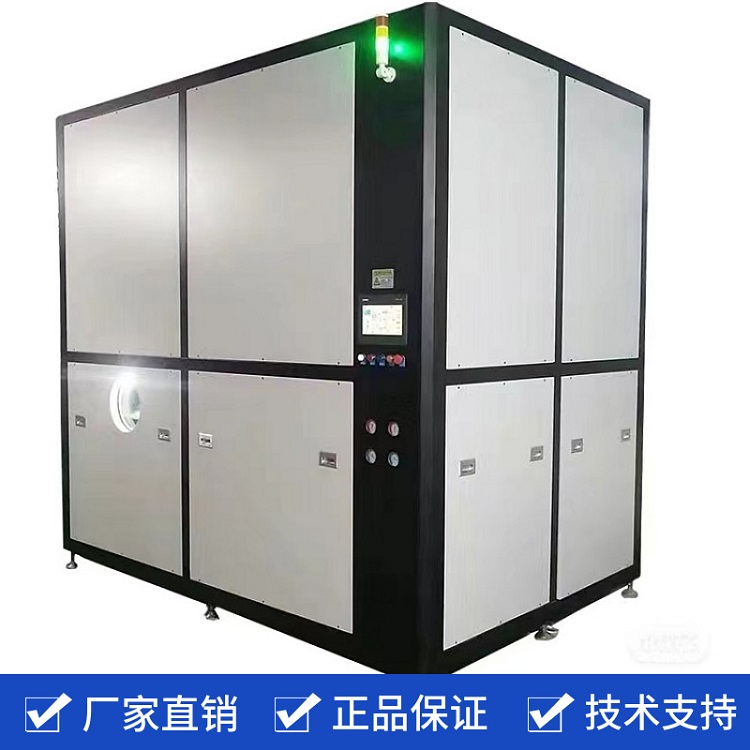
Sodium Chloride Wastewater Low-Temperature Evaporator - Intelligent Automatic - Quankun - Integrated Design
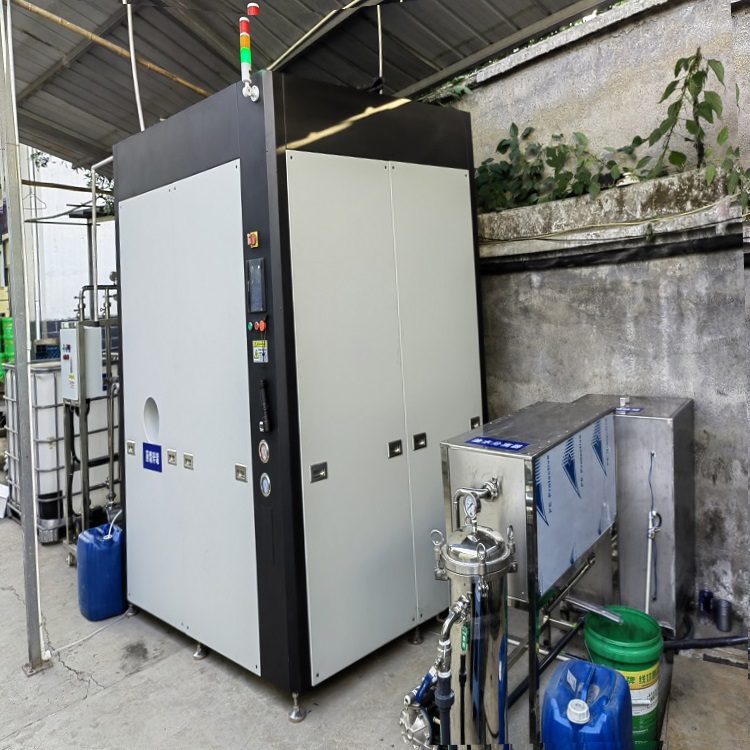
High-Concentration Oil Emulsion Waste Water Treatment Equipment - Quankun - Evaporator Unit - High Concentration Ratio
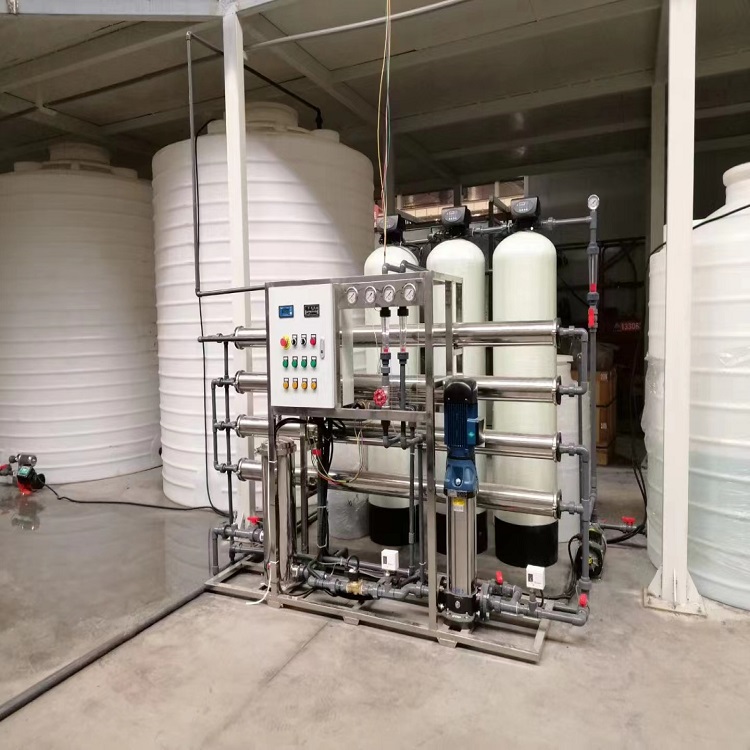
Industrial Pure Water Equipment EDI Ultra-Pure Water System Fully Automatic Control Quankun Environmental Protection
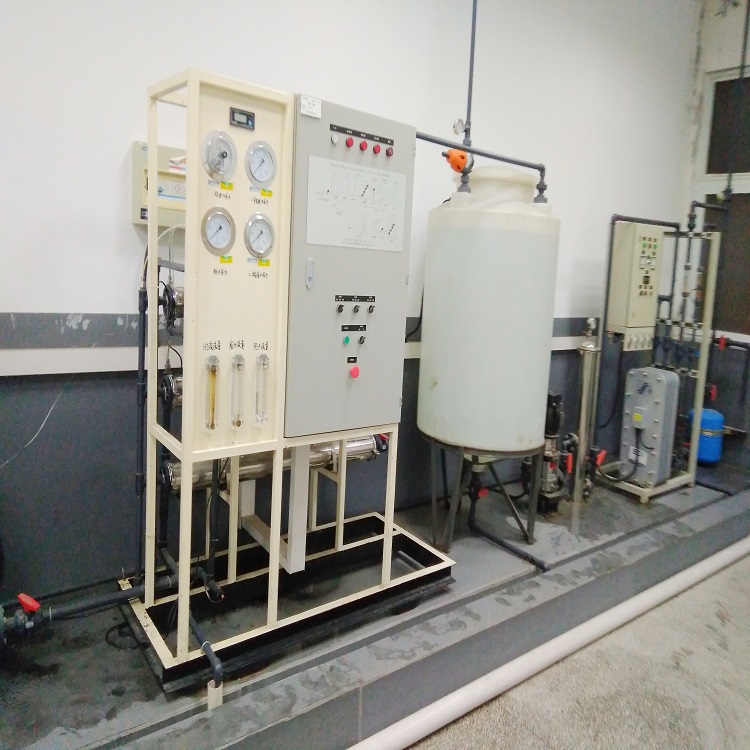
Shenzhen Industrial Ultra-Pure Water Equipment, equipped with EDI system, features low energy consumption and high degree of automation.
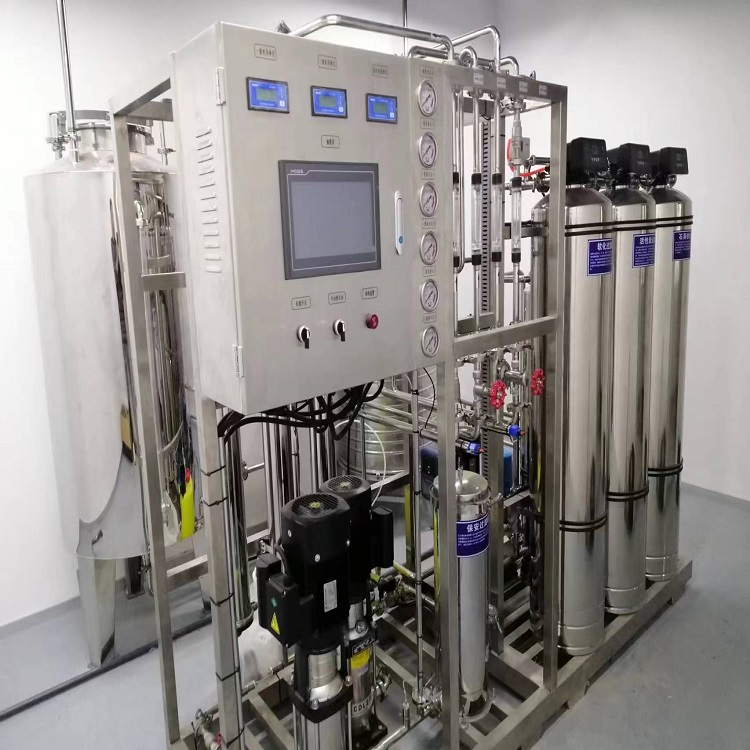
Shanghai industrial pure water production equipment reverse osmosis filtration system with high yield and customizable options, Quankun brand.
详情描述
Laboratory Wastewater Treatment Process - PLC Control System - Sewage Maintenance and Repair - Quankun Environmental Protection
The comprehensive laboratory wastewater treatment equipment addresses the composition and concentration of organic, inorganic, and biological waste from different laboratories, utilizing multiple treatment technologies for integrated processing. The treated laboratory wastewater effectively removes COD, BOD, SS, color, viruses, and organic matter. Solvents and heavy metal ions can be discharged directly into the urban sewage comprehensive emission standard [GB8978-1996] and the national urban sewage quality standard [CJ339]. The treated wastewater can then be directly discharged into the urban sewage system. The pipeline and treated wastewater also undergo reprocessing for reuse.
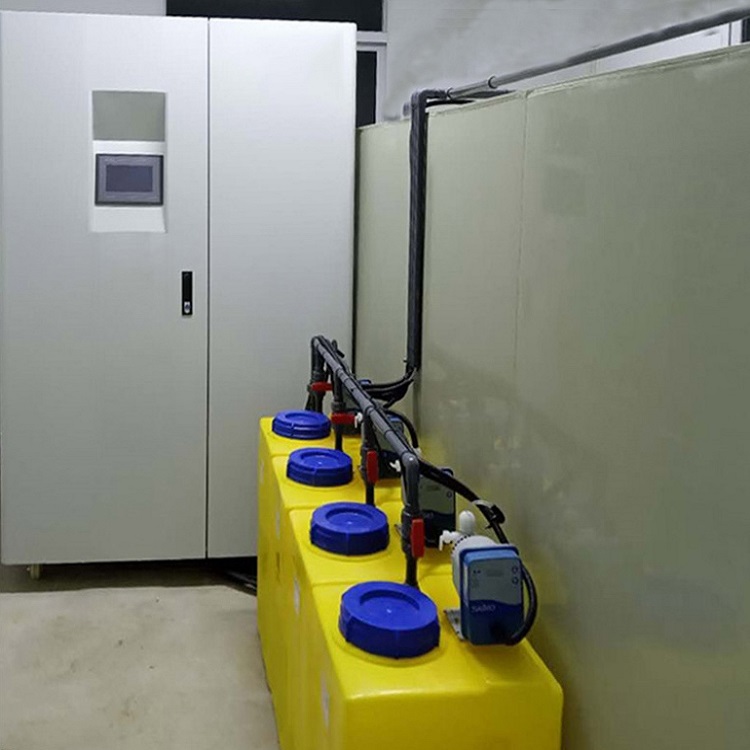
Laboratory wastewater treatment equipment process flow:
The equipment consists of an effluent classification collection unit, an effluent oxalate-based neutralization unit, an advanced effluent treatment unit, sedimentation separation unit, physical treatment unit, biological treatment unit, and an integrated effluent purification unit. It effectively removes COD, BOD, SS, color intensity, and heavy metal ions from effluent and employs various treatment technologies and control systems based on the composition of different types of waste water. This product boasts advanced technology, high level of automation, no need for dedicated personnel, excellent processing results, small installation space, and convenient operation and maintenance.
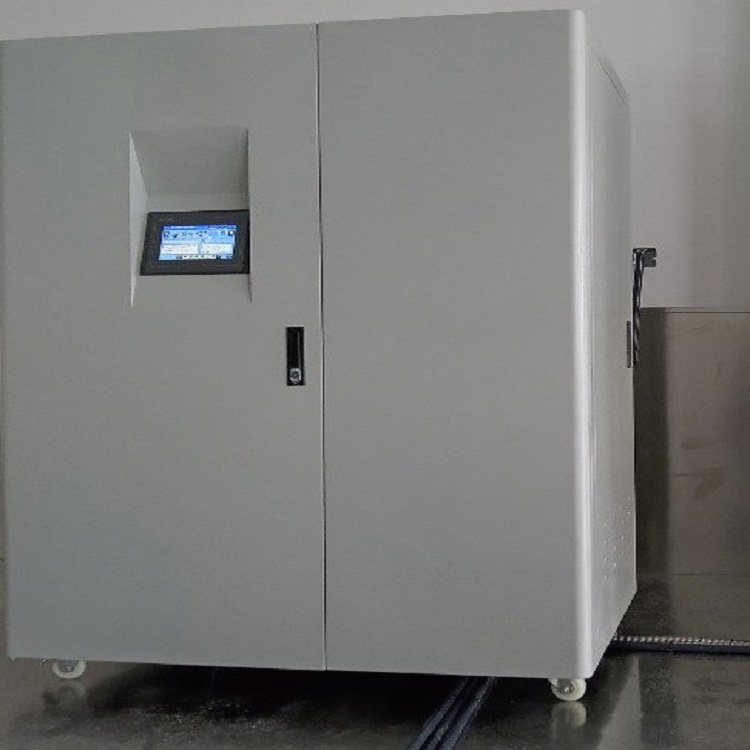
Laboratory Organic Wastewater Treatment Methods:
Laboratory wastewater treatment equipment can learn from traditional wastewater treatment methods to handle laboratory organic wastewater. Laboratory wastewater is characterized by acidic pH levels, high SS values, COD levels reaching thousands, high organic matter concentrations, strong toxicity, and unstable water quality and volume. Biological methods for treating organic laboratory wastewater often fail to achieve the expected results. However, when physical-chemical methods are used to treat laboratory organic wastewater, the results show a significant advantage over traditional biological methods. The main methods for treating organic wastewater include biological treatment, physical treatment, and chemical treatment. Physical-chemical treatment involves using physical and chemical actions to convert pollutants in wastewater into harmless substances, thereby purifying the wastewater. This includes photochemical coagulation, wet catalytic oxidation, incineration, oxidation adsorption, electrochemical methods, extraction methods, and membrane separation methods. Treating high-concentration organic wastewater solely with physical and chemical methods is not only difficult and costly but also yields poor results, so they are rarely used alone. Biological treatment is a method of purifying wastewater and utilizing biodegradable pollutants in the water as its own nutrients and energy.
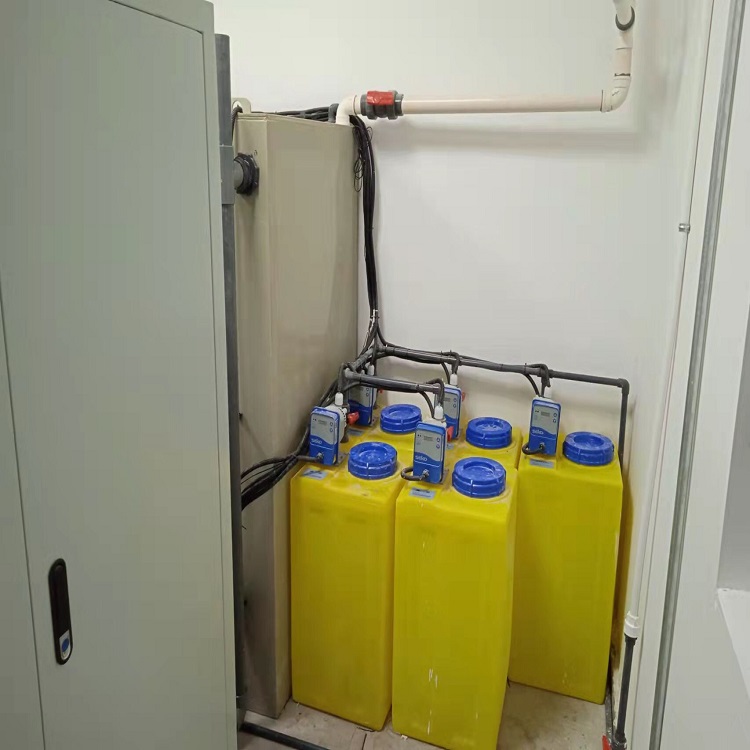
Laboratory wastewater treatment process - PLC control system - sewage maintenance and repair - Quankun Environmental Protection
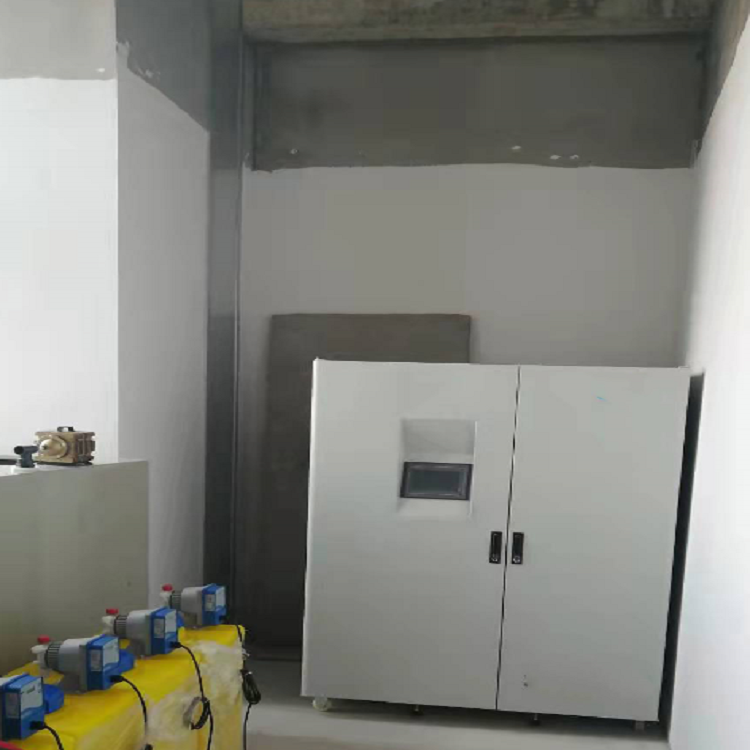
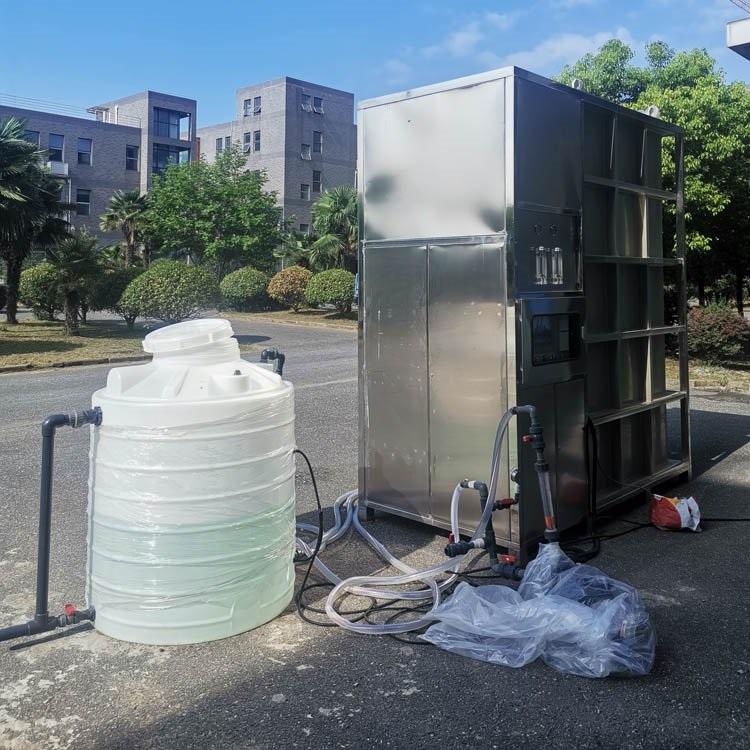
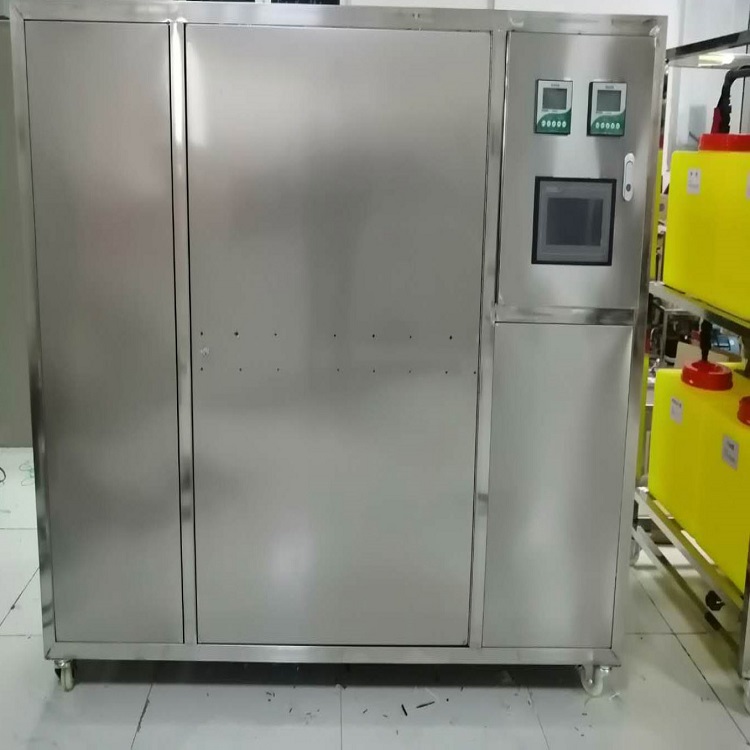
The Laboratory Wastewater Treatment System is a new equipment developed and sold by Jiangsu Quankun based on their experience in laboratory wastewater treatment. It utilizes a combined treatment process of acid-base neutralization, oxidation-reduction, multi-stage filtration, and sterilization, featuring compact size, low noise, and no secondary pollution. The entire system is easy to install and maintain. It is suitable for research institutions and medium to large enterprises, and is widely used in university laboratories, middle and primary school chemistry laboratories, and corporate testing departments.


