




- AllProduct Category
-
Lab Wastewater Treatment Equipment
Lab Wastewater Treatment Equipment
Ultra-Pure Water Equipment
Membrane Separation Equipment
Pure Water Equipment
Low-Temperature Evaporator
Ultra-Pure Water System
Integrated Wastewater Treatment Equipment
Reverse Osmosis Equipment
Pure Water Equipment
Ceramic Membrane Equipment



Recommended Products
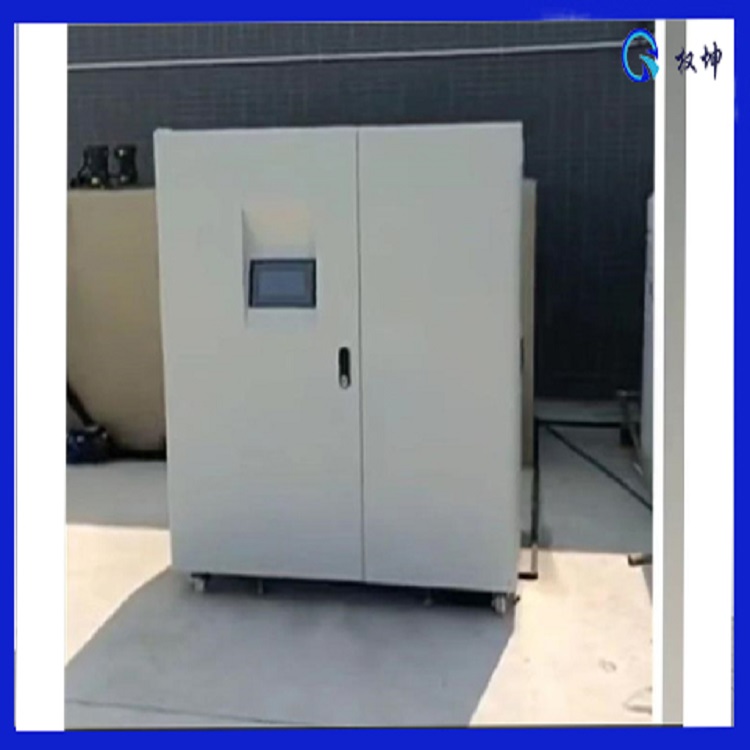
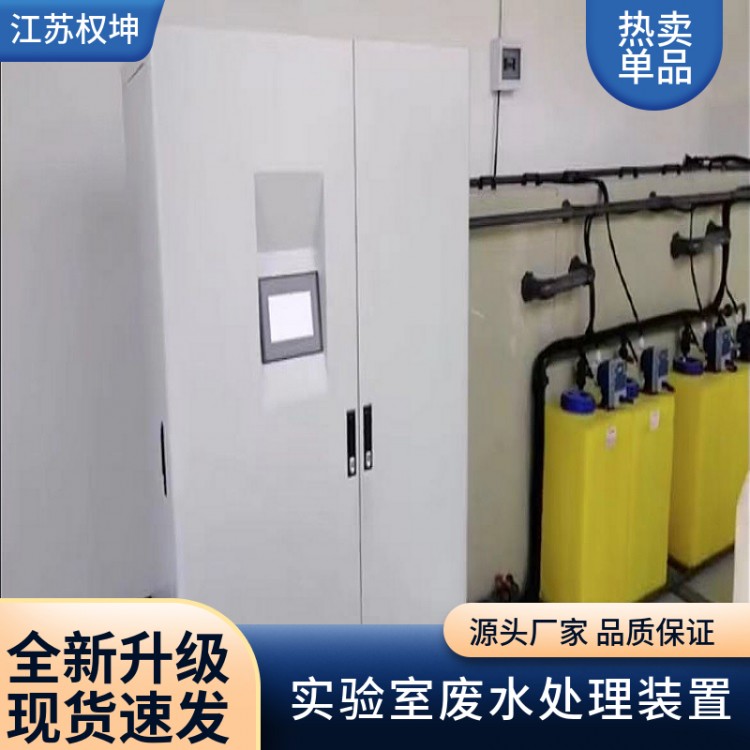
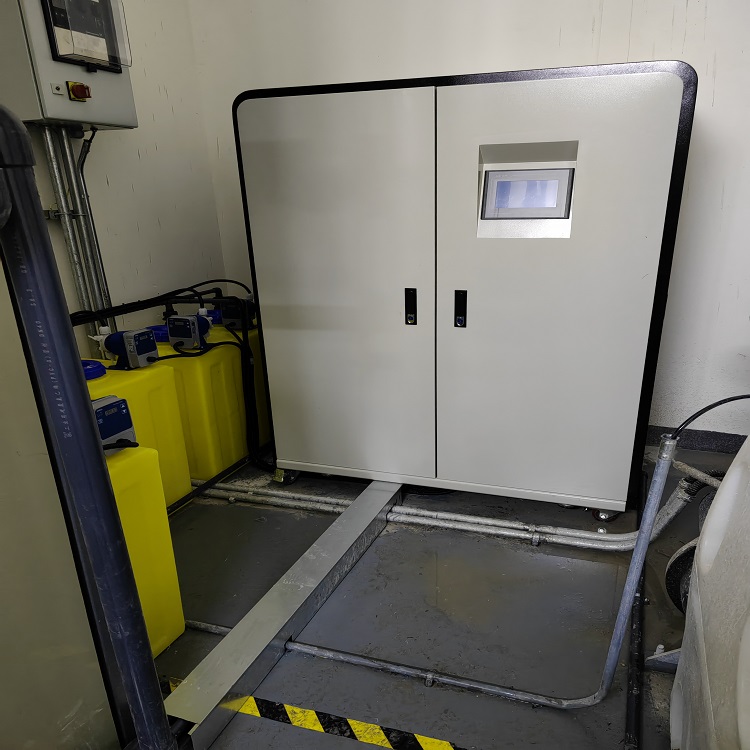
Quan Kun - Comprehensive Laboratory Waste Water Treatment Equipment - Remote Monitoring - Automated Control
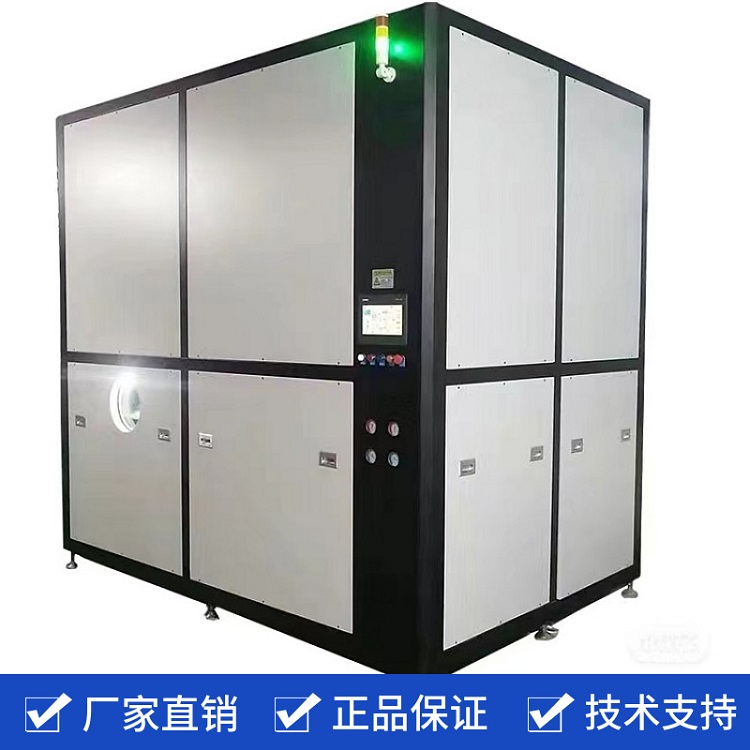
Sodium Chloride Wastewater Low-Temperature Evaporator - Intelligent Automatic - Quankun - Integrated Design
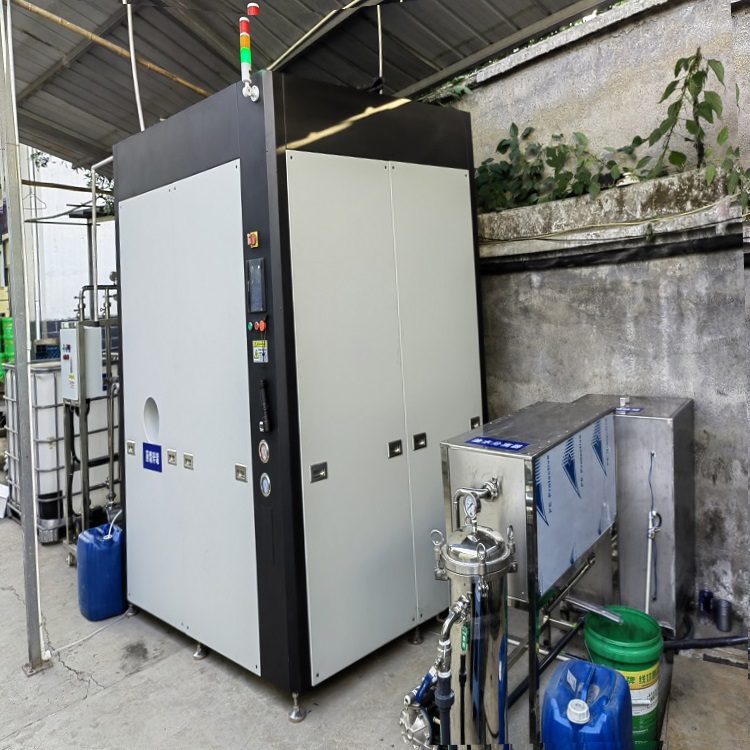
High-Concentration Oil Emulsion Waste Water Treatment Equipment - Quankun - Evaporator Unit - High Concentration Ratio
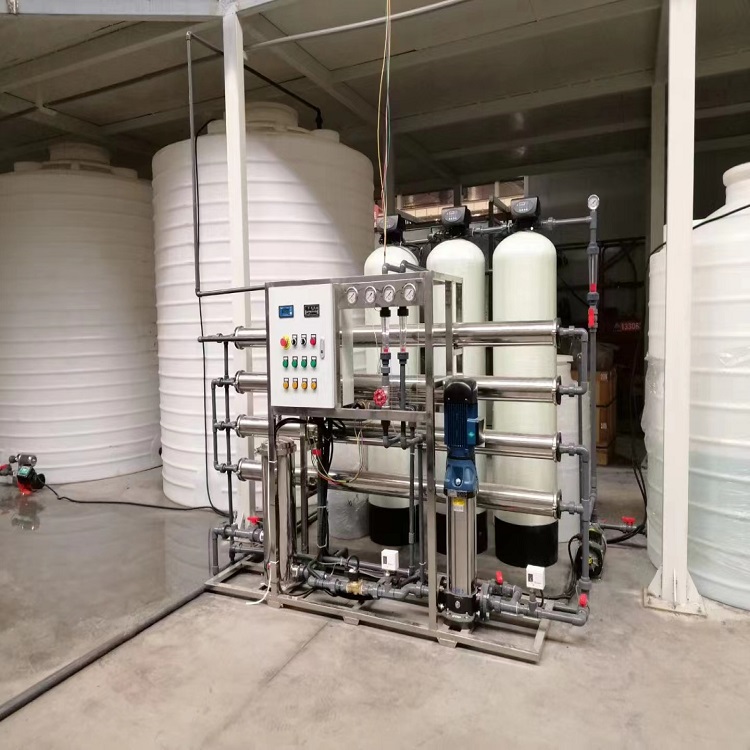
Industrial Pure Water Equipment EDI Ultra-Pure Water System Fully Automatic Control Quankun Environmental Protection
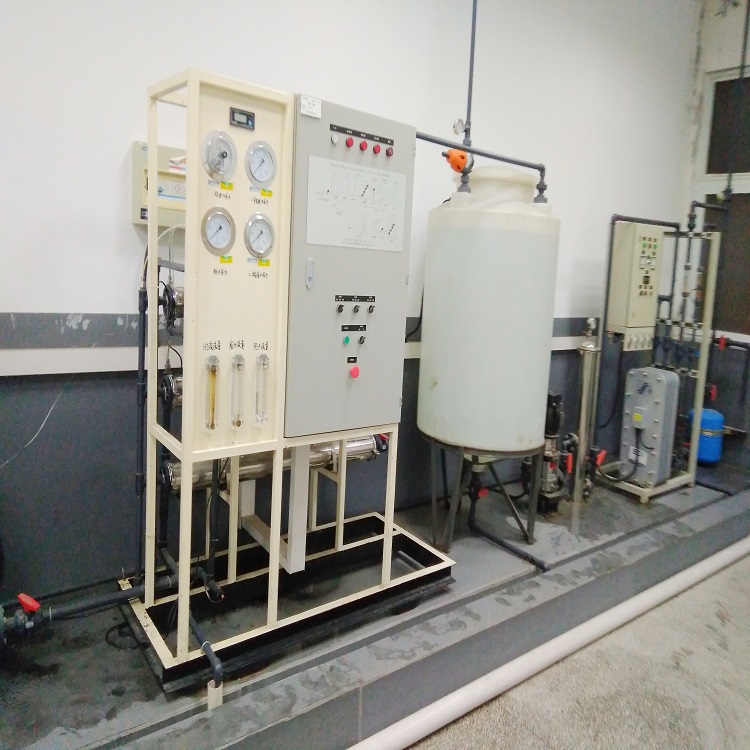
Shenzhen Industrial Ultra-Pure Water Equipment, equipped with EDI system, features low energy consumption and high degree of automation.
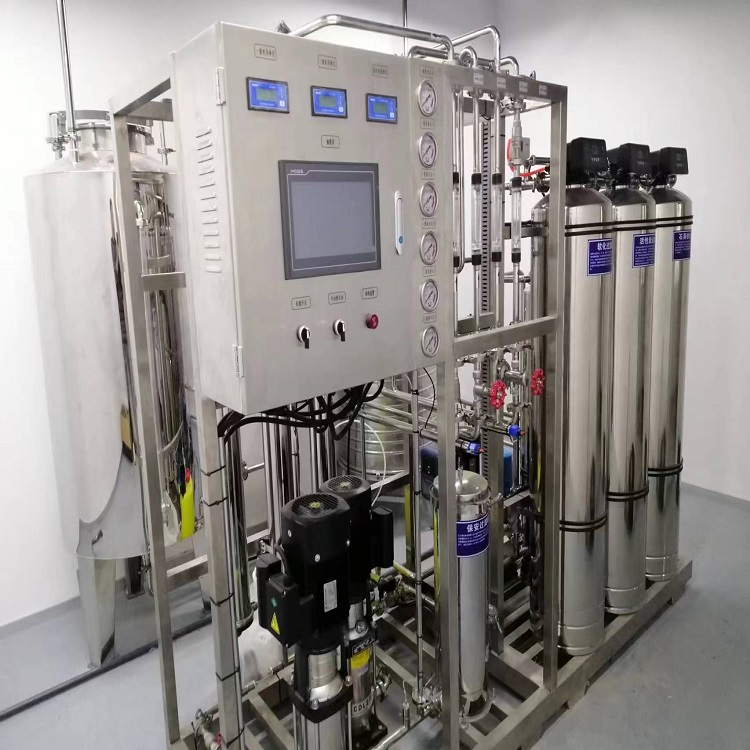
Shanghai industrial pure water production equipment reverse osmosis filtration system with high yield and customizable options, Quankun brand.
详情描述
PCR Lab Wastewater Treatment Facility - Manufacturer Direct - Up to Standard Treatment - Quankun Environmental Protection
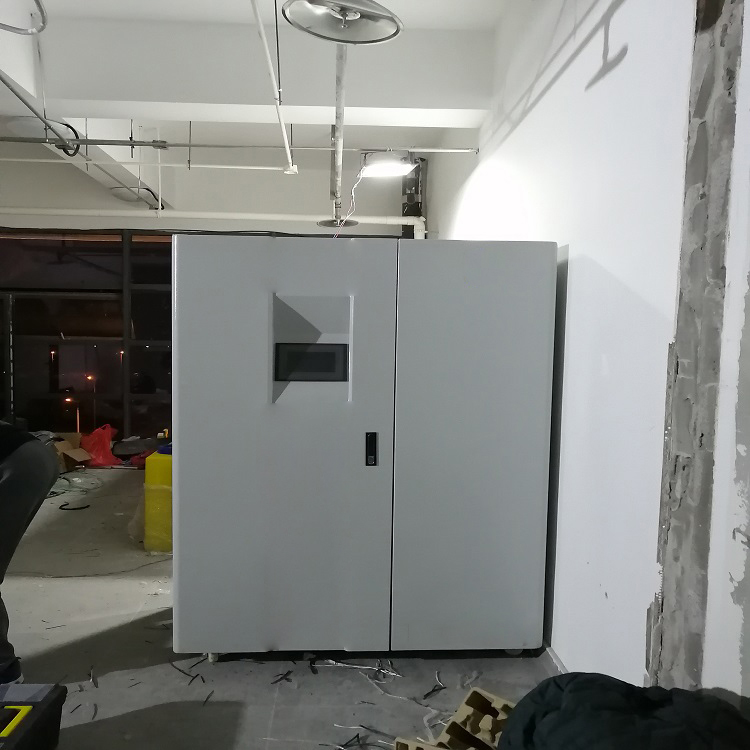
Laboratory wastewater treatment equipment consists of wastewater classification collection units, treatment units, advanced treatment units, sedimentation separation units, physical treatment units, biological treatment units, and comprehensive purification units. Organic wastewater treatment utilizes processes such as chemical pretreatment, advanced chemical treatment, inclined tube sedimentation, multi-stage disinfection and sterilization, filtration sedimentation separation, micro-electrolysis with high and low potential differences, electrochemical oxidation-reduction technology, two-stage organic biological membrane purification, new technologies, selective mass transfer of regenerant solutions, and mycelium surface molecular imprinting technology. These processes can comprehensively treat organic, inorganic, and biological laboratory wastewater, effectively removing COD, BOD, SS, and other contaminants. Different treatment technologies and control systems are employed based on the composition of various experimental wastewater, such as wastewater color and heavy metal ions. This product boasts advanced technology, high automation, no need for dedicated personnel, excellent processing effects, small installation space, and convenient operation and maintenance.
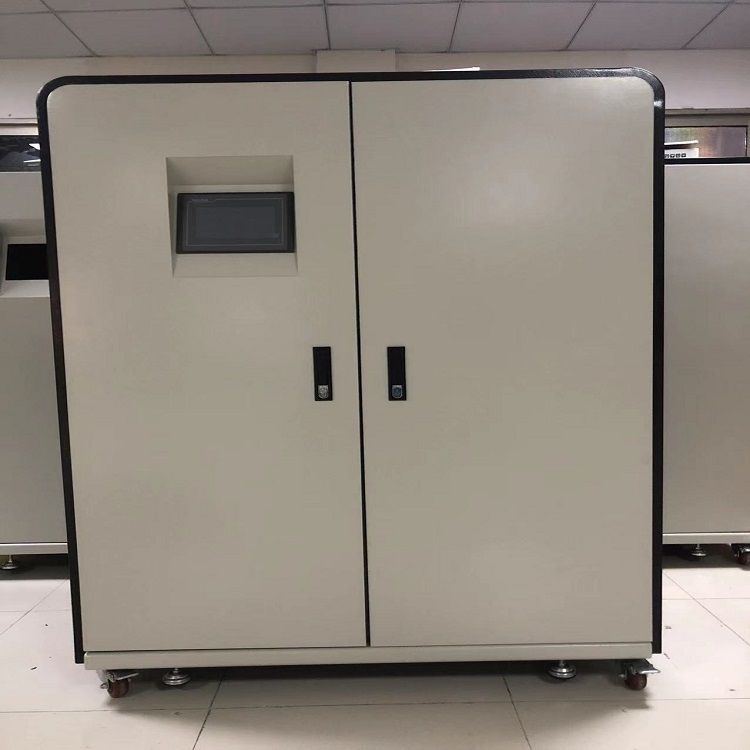
Key requirements for laboratory wastewater treatment equipment:
1. Remove harmful substances
Laboratory wastewater contains various harmful substances, including heavy metals, organic matter, acids, and bases. The wastewater treatment equipment must be capable of removing these harmful substances to ensure that the treated wastewater meets discharge standards or reuse requirements. Common wastewater treatment equipment includes biological treatment systems, adsorption filtration systems, and ion exchange systems. These systems, through various processes and methods, can effectively remove harmful substances from the wastewater and purify it.
2. Energy-saving and environmentally friendly
Another major requirement for laboratory wastewater treatment equipment is energy efficiency and environmental protection. The energy consumption and emissions during the wastewater treatment process have a direct impact on the environment. Therefore, wastewater treatment equipment must be energy-efficient and environmentally friendly. For example, advanced traditional biological treatment processes can be combined with new membrane technology and sludge treatment methods to minimize the negative impact on the environment and reduce the cost of wastewater treatment.
3. Automatic Control
Laboratory wastewater treatment equipment requires automated control to enhance processing efficiency and operational stability. An automated control system can monitor the entire wastewater treatment process in real-time, perform data analysis, and make adjustments. Additionally, automatic control reduces manual intervention, alleviates workers' labor intensity, and improves the reliability and safety of the wastewater treatment equipment.
4. Adaptability and scalability
Lab wastewater treatment equipment must be adaptable to various processes and wastewater characteristics, and be scalable. Since the wastewater characteristics generated by different labs vary, so do the involved process flows. To ensure effective wastewater treatment, it is crucial to adjust and optimize the wastewater treatment equipment based on the specific characteristics and treatment requirements of each lab. Additionally, the wastewater treatment equipment must be scalable and capable of expanding with the growth of the lab.
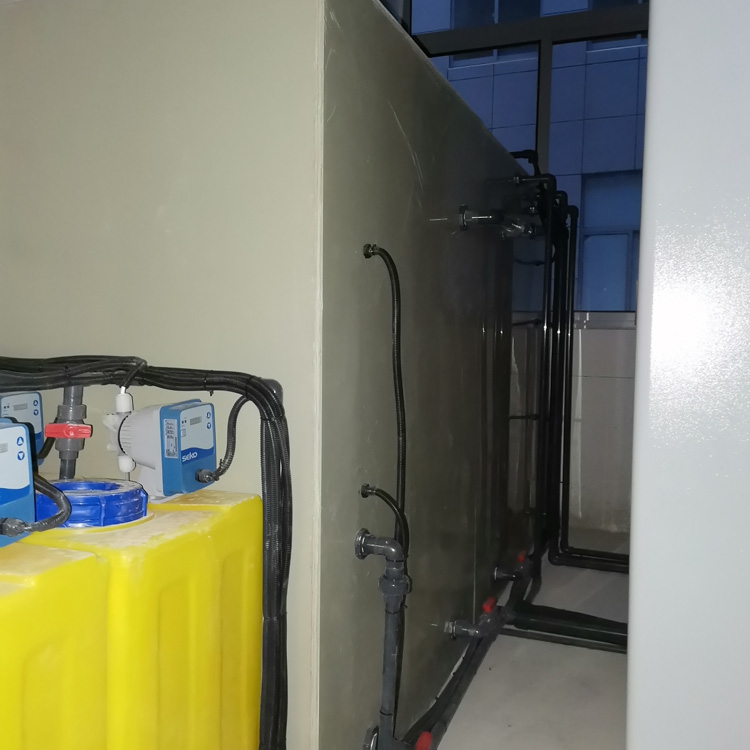
PCR Lab Wastewater Treatment Facilities - Factory Direct - Compliance Standard - Quankun Environmental Protection
Selection, operation, and maintenance of laboratory wastewater treatment equipment are crucial for the normal operation of educational laboratories. Only by choosing the right equipment, strictly adhering to operational specifications, and conducting regular maintenance can the equipment's operation and long-term stability be ensured. Additionally, it is important to keep an eye on the future trends of equipment development, actively utilize technological means, promote intelligent and energy-saving equipment, and further enhance the efficiency of wastewater treatment and environmental protection in educational laboratories.


