



- AllProduct Category
-
Lab Wastewater Treatment Equipment
Lab Wastewater Treatment Equipment
Ultra-Pure Water Equipment
Membrane Separation Equipment
Pure Water Equipment
Low-Temperature Evaporator
Ultra-Pure Water System
Integrated Wastewater Treatment Equipment
Reverse Osmosis Equipment
Pure Water Equipment
Ceramic Membrane Equipment



Recommended Products
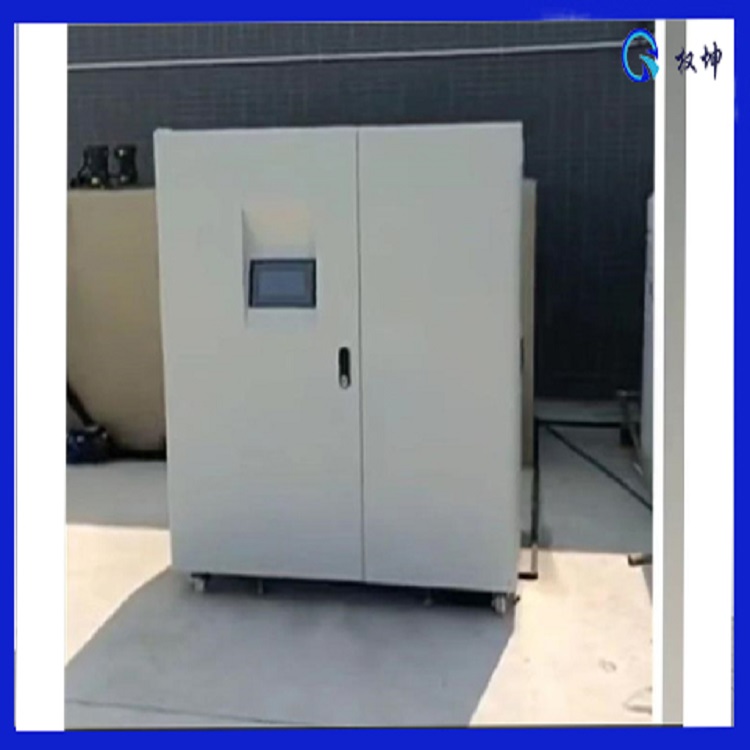
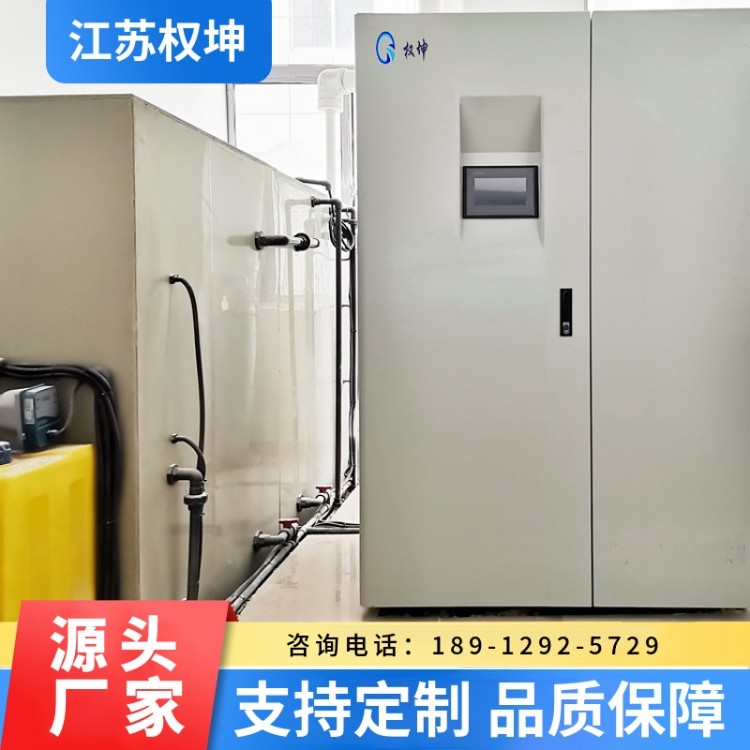
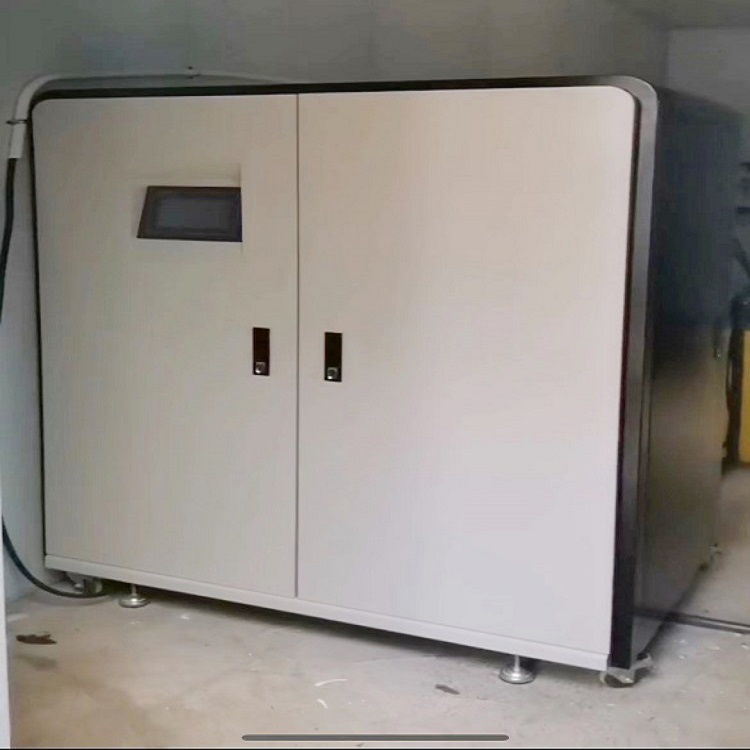
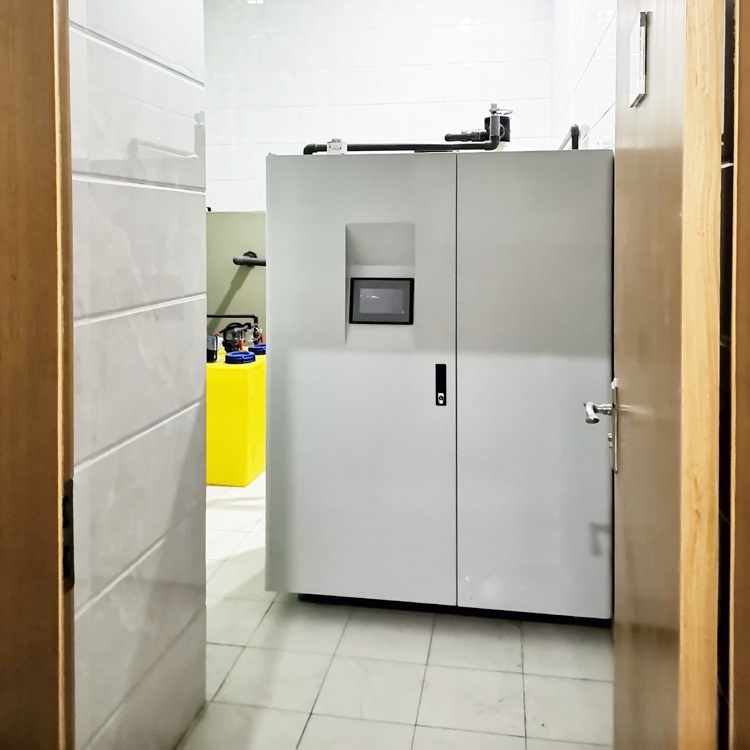
Quan Kun - Comprehensive Laboratory Waste Water Treatment Equipment - Remote Monitoring - Automated Control
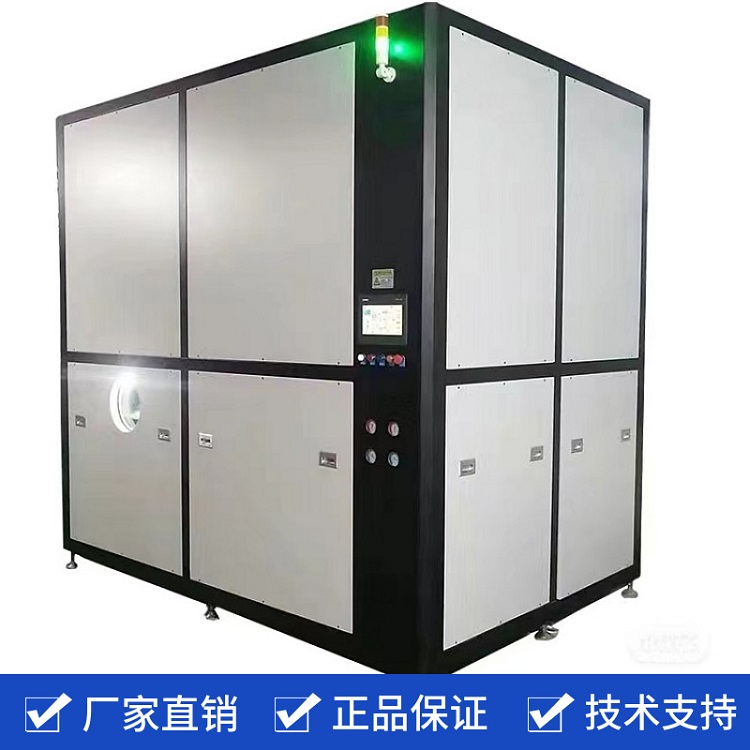
Sodium Chloride Wastewater Low-Temperature Evaporator - Intelligent Automatic - Quankun - Integrated Design
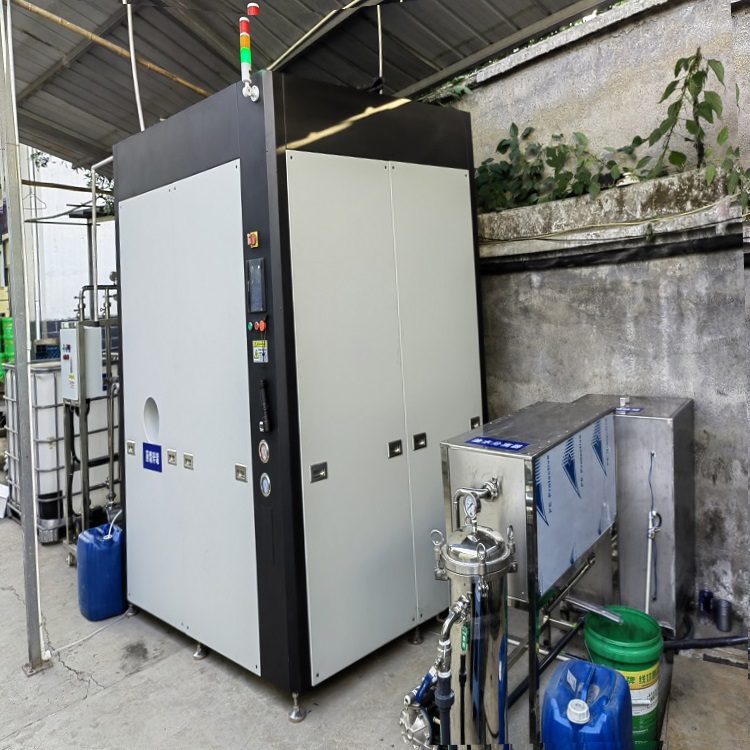
High-Concentration Oil Emulsion Waste Water Treatment Equipment - Quankun - Evaporator Unit - High Concentration Ratio
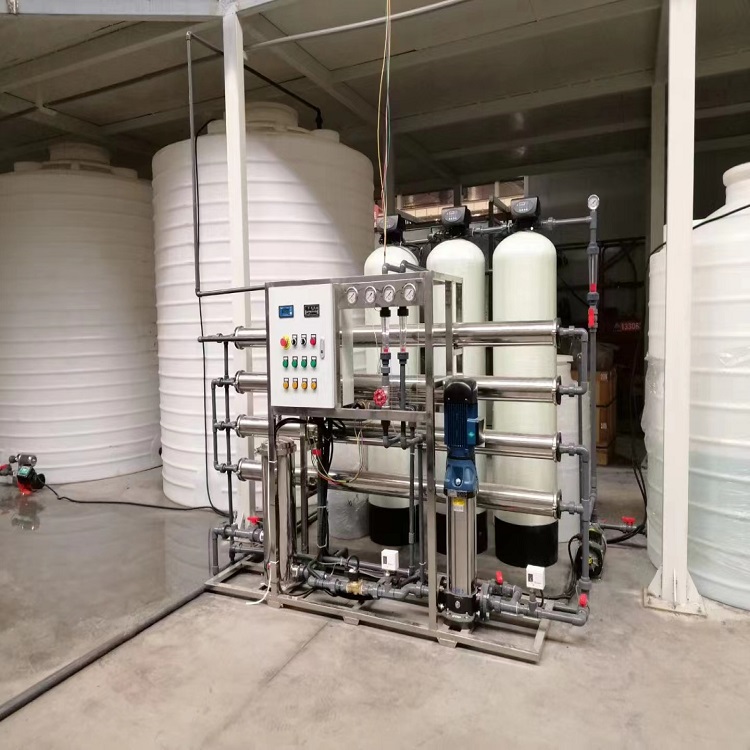
Industrial Pure Water Equipment EDI Ultra-Pure Water System Fully Automatic Control Quankun Environmental Protection
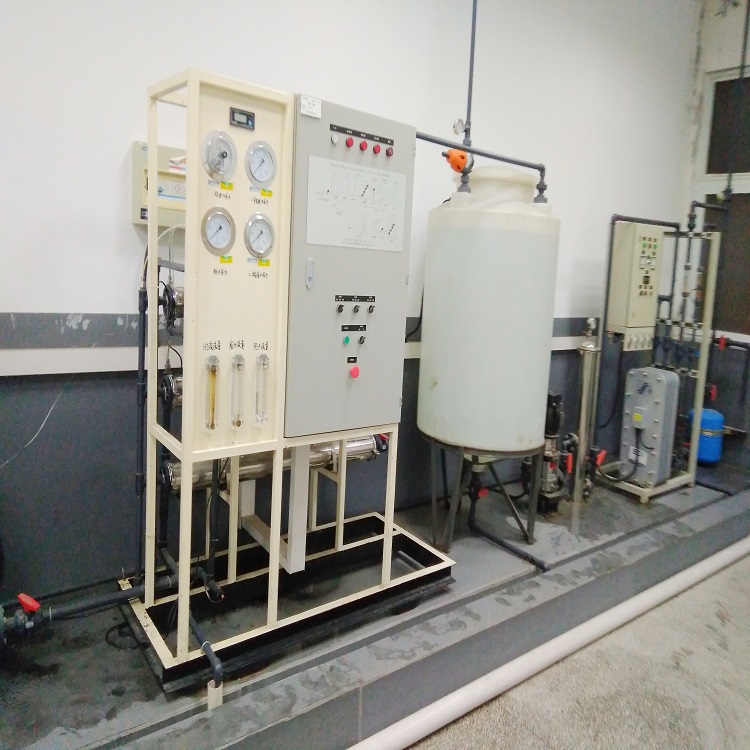
Shenzhen Industrial Ultra-Pure Water Equipment, equipped with EDI system, features low energy consumption and high degree of automation.
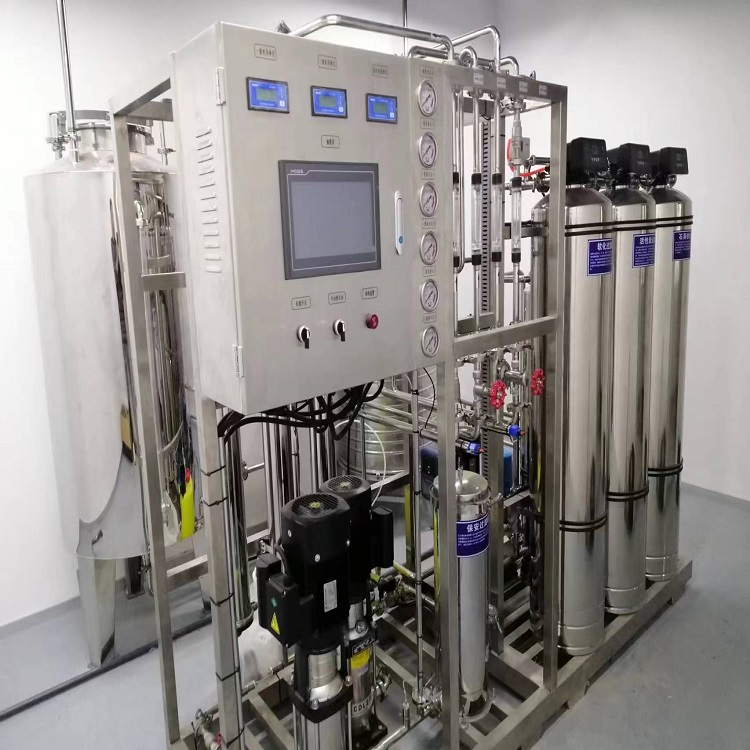
Shanghai industrial pure water production equipment reverse osmosis filtration system with high yield and customizable options, Quankun brand.
详情描述
Inevitably, liquid wastewater is produced. The wastewater primarily consists of residual reagents, waste liquids, and cleaning wastewater from the experimental process, which may contain various organic matter, inorganic salts, and toxic substances. If these chemical substances in the liquid wastewater are discharged directly into the environment, they can cause severe pollution to soil, water bodies, and organisms. Among them, organic matter can worsen water quality by reducing the dissolved oxygen content in water bodies, inorganic salts can lead to soil salinization and reduce crop yields, and toxic substances pose potential threats to human health.
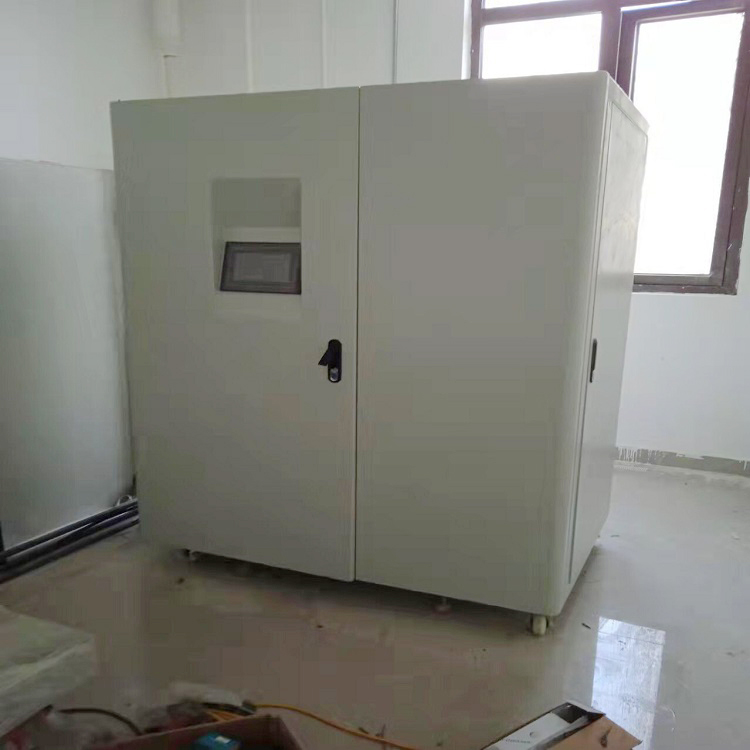
Wastewater treatment requirements:
Considering the harmfulness of waste liquids and wastewater, proper treatment is highly necessary. Firstly, handling waste liquids and wastewater effectively helps reduce environmental pollution and safeguard the health of natural ecosystems. Secondly, treating waste liquids and wastewater can conserve resources, prevent waste, and enhance the efficiency of laboratory resource utilization. Additionally, resource recovery can be achieved by analyzing and reusing treated wastewater.
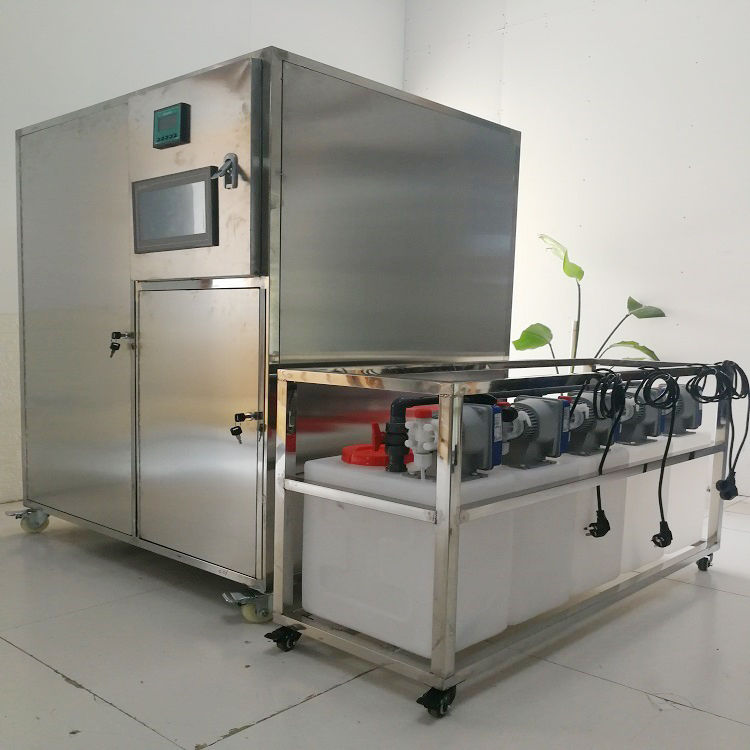
Waste Liquid and Wastewater Treatment Methods and Technologies
Waste liquid and wastewater treatment methods are generally divided into two categories: physical and chemical methods. Physical methods include filtration, sedimentation, and centrifugation. These methods primarily separate impurities from waste liquids and wastewater based on their physical properties to achieve treatment. Chemical methods involve adding specific chemicals to cause reactions with impurities in the waste liquids, converting them into gases or sediments to purify the waste liquids and wastewater.
Common waste liquid and wastewater treatment technologies include sedimentation, activated carbon adsorption, ion exchange, and biological treatment. Sedimentation is mainly suitable for waste liquids and wastewater with high levels of impurities, achieving purification by adding appropriate precipitants to settle the impurities. Activated carbon adsorption utilizes the large specific surface area and excellent adsorption properties of activated carbon to adsorb organic matter in waste liquids and wastewater, thereby achieving purification. Ion exchange uses the adsorption action of resins to exchange and remove ions from wastewater. Biological treatment utilizes the metabolic activities of microorganisms to decompose organic matter in wastewater into water.
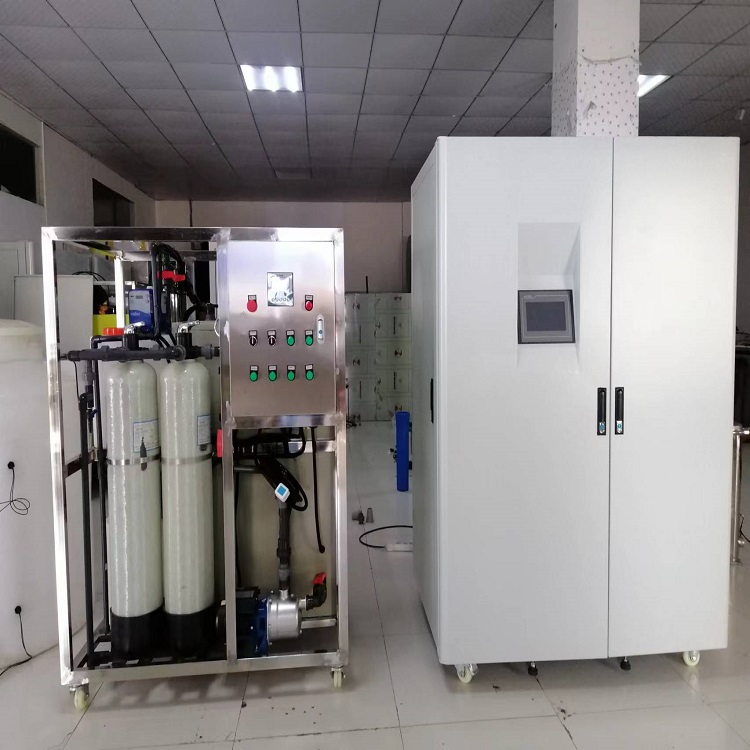
Waste liquid and wastewater treatment is a task that requires strict adherence to operational procedures and safety measures. During the process of handling liquid wastewater, safety goggles, gloves, protective clothing, and other protective gear must be worn to prevent chemicals from causing harm to the human body. At the same time, attention must be given to the maintenance of waste liquid and wastewater treatment equipment to ensure the safety of the operation. Additionally, when dealing with waste liquids and wastewater, it is crucial to separate them for treatment to prevent mixing of different types of waste, which could lead to unforeseen reactions.


