



- AllProduct Category
-
Lab Wastewater Treatment Equipment
Lab Wastewater Treatment Equipment
Ultra-Pure Water Equipment
Membrane Separation Equipment
Pure Water Equipment
Low-Temperature Evaporator
Ultra-Pure Water System
Integrated Wastewater Treatment Equipment
Reverse Osmosis Equipment
Pure Water Equipment
Ceramic Membrane Equipment



Recommended Products
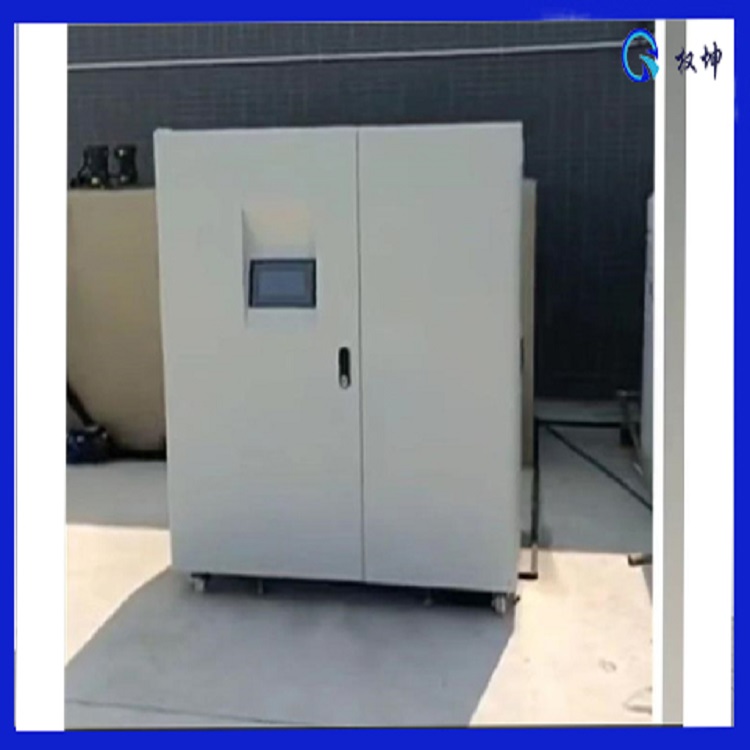
Quan Kun - Comprehensive Laboratory Waste Water Treatment Equipment - Remote Monitoring - Automated Control
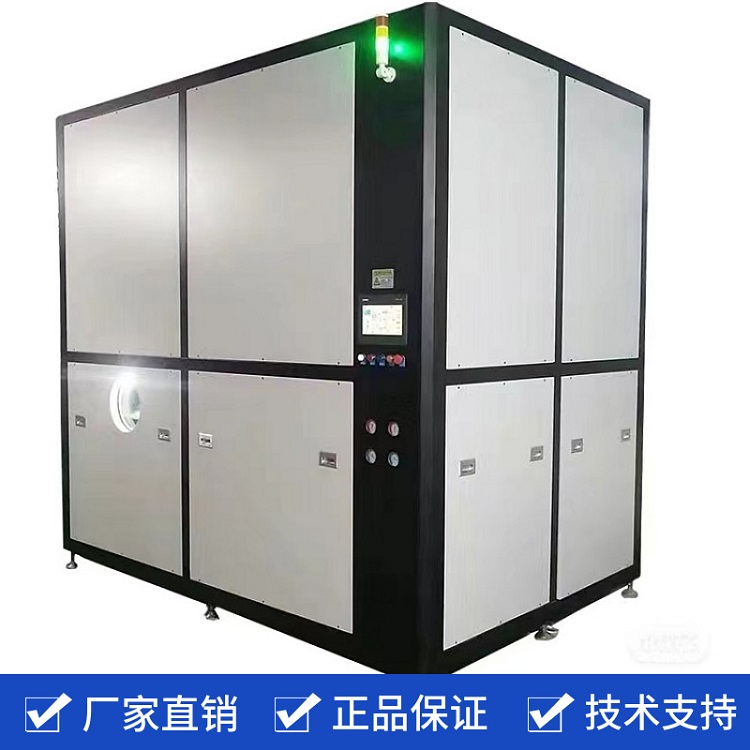
Sodium Chloride Wastewater Low-Temperature Evaporator - Intelligent Automatic - Quankun - Integrated Design
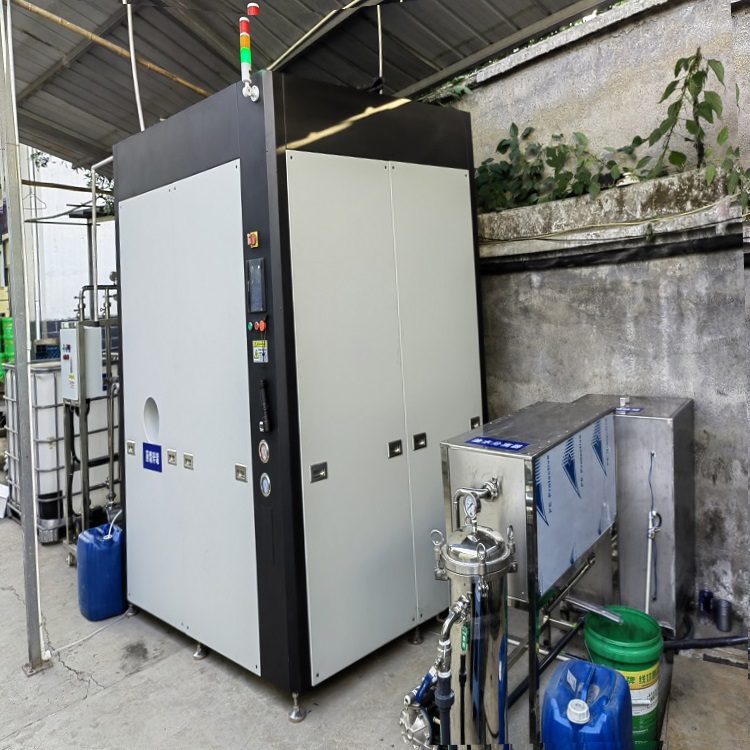
High-Concentration Oil Emulsion Waste Water Treatment Equipment - Quankun - Evaporator Unit - High Concentration Ratio
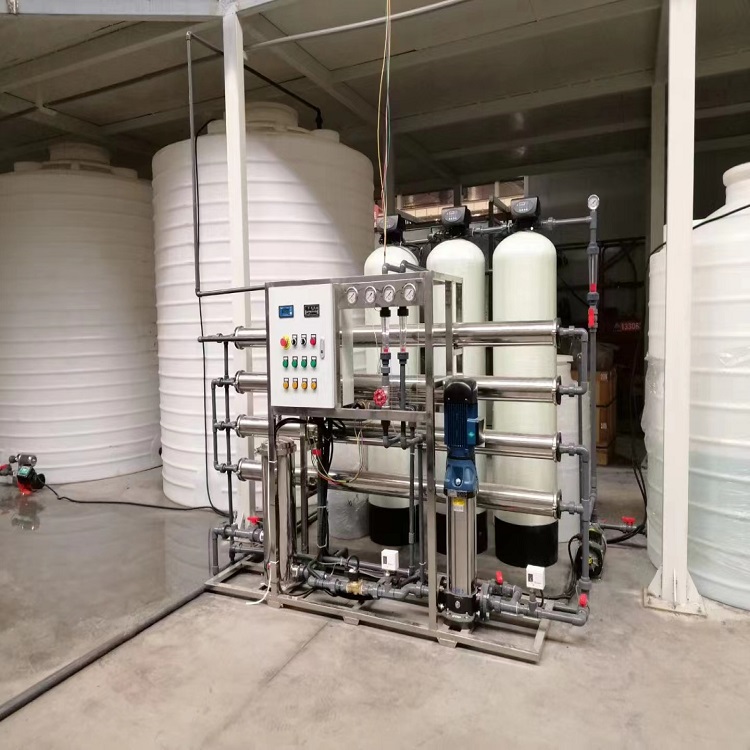
Industrial Pure Water Equipment EDI Ultra-Pure Water System Fully Automatic Control Quankun Environmental Protection
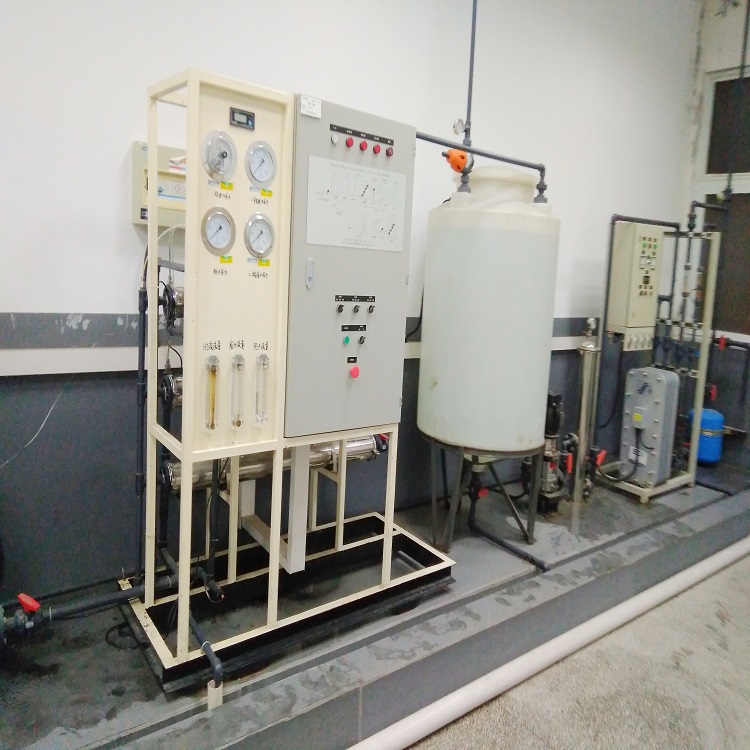
Shenzhen Industrial Ultra-Pure Water Equipment, equipped with EDI system, features low energy consumption and high degree of automation.
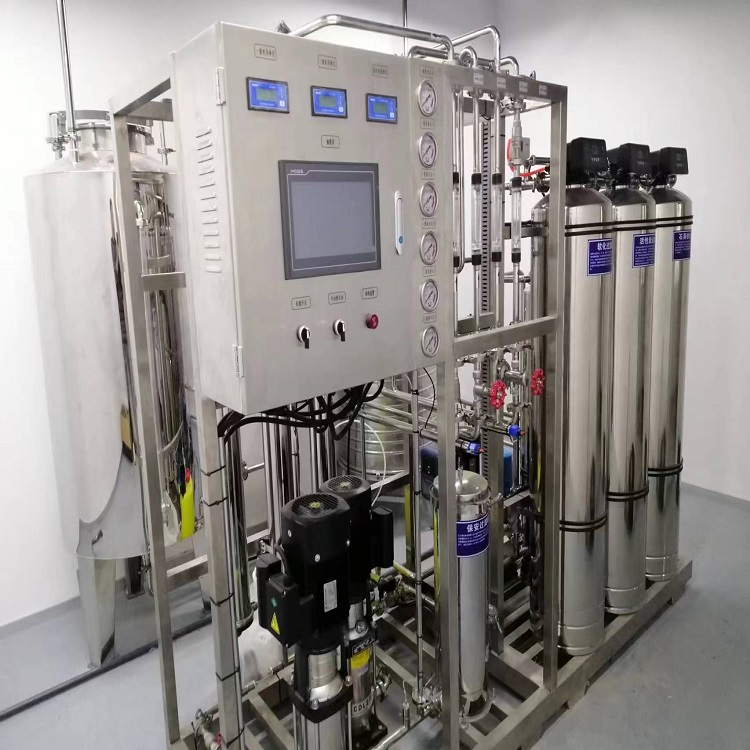
Shanghai industrial pure water production equipment reverse osmosis filtration system with high yield and customizable options, Quankun brand.
详情描述
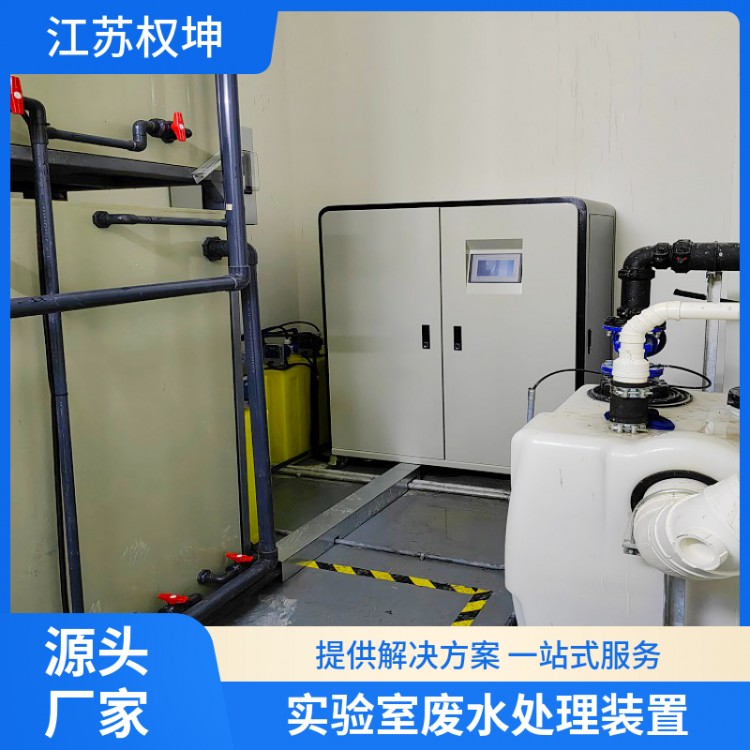
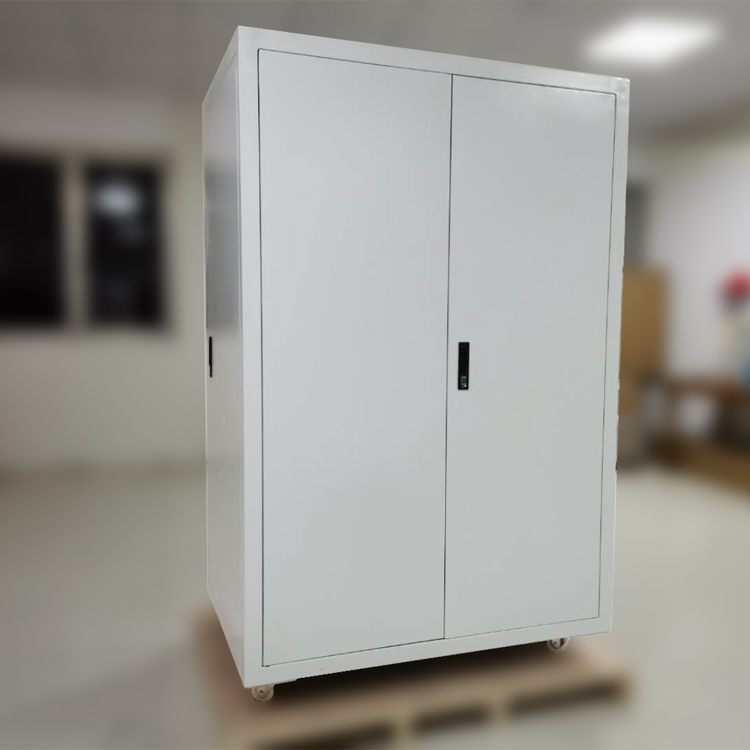
Quankun Environmental Protection - Livestock Laboratory Sewage Treatment Equipment Solution - Sheet Metal Material - Effluent Meets Standards
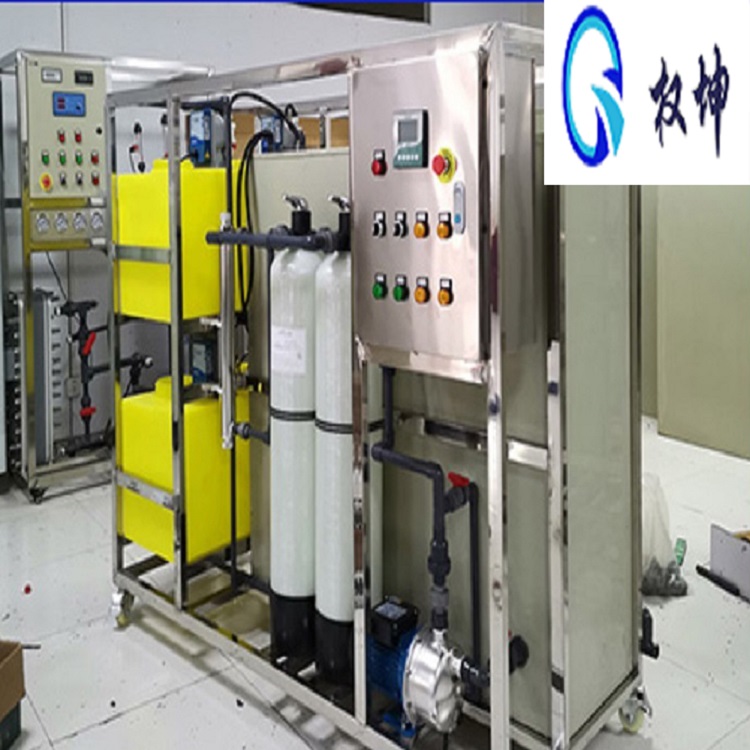
Laboratory wastewater is discharged into a collection pit, which automatically activates the system and begins treatment when the water level reaches the set point. The water is pumped into a coagulation sedimentation tank, where pH is adjusted and metal scavengers and coagulants are added to remove heavy metals, colloidal pollutants, and other suspended solids. The supernatant then overflows into the sedimentation tank. The sedimentation tank and an ozone oxidation chamber further process the wastewater with ozone oxidation, organic pollutant decomposition, de-colorization, and deodorization. The treated water then enters a catalytic micro-electrolysis tank for continuous COD decomposition. It is subsequently pumped into a shallow medium tank to remove suspended solids. After solid removal, an odor removal and multifunctional treatment system is used to eliminate colorants, residual organics, heavy metals, inorganic salts, etc. The dissolved organics and residual pollutants are then removed through a membrane filtration device, followed by ultraviolet radiation to meet discharge standards. Light disinfection is applied to remove microorganisms. The sludge in the coagulation sedimentation tank is periodically pumped into filter bags using a slurry pump, and then disposed of harmlessly.
Laboratory Waste Classification:
Laboratory waste can be divided into three categories based on waste type: liquid waste, gas waste, and solid waste.
1 Waste Liquid
Waste liquids generated in the laboratory include chemical laboratory waste and general wastewater.
The primary sources of chemical laboratory waste include:
A vast amount of washing water, including duplicate samples, standard curves, residue from sample analysis, expired storage solutions and detergents, various acidic and alkaline waste liquids, fluoride waste liquids, heavy metal waste liquids, and more. When organic reagents are used as solvents in experiments, a substantial amount of these reagents is typically required, leading to significant emissions. The general wastewater primarily originates from instrument cleaning water, laboratory cleaning water, and large-scale cleaning operations. Improper handling of these waste liquids could have severe negative impacts on the surrounding environment, even posing threats to other organisms and human life.
2. Waste Gas
The laboratory waste gases generated during experiments are primarily caused by the evaporation, decomposition, and leakage of chemical reagents used in the process. The composition is mainly flammable and toxic gases, including volatile reagents, sample volatiles, and intermediate products of the experiment. During the analysis process, there may be leaks or exhaust of standard gases.
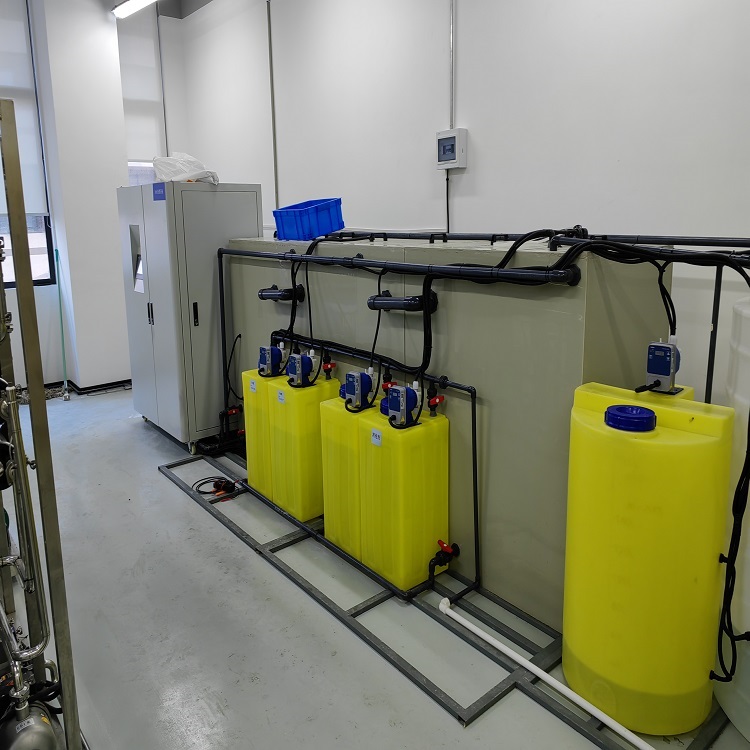
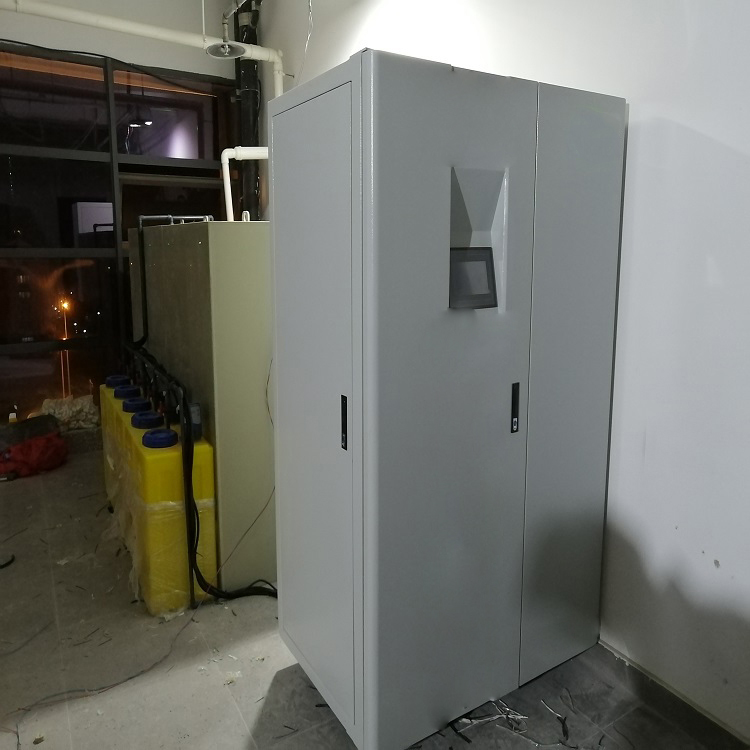
Quankun Environmental Protection - Livestock Laboratory Wastewater Treatment Equipment Solution - Sheet Metal Material - Effluent Meets Standards
Laboratory wastewater treatment equipment features:
The laboratory wastewater treatment system features an integrated modular design, with a compact structure and minimal land occupation. All system components are equipped with quick-release quick connections for easy maintenance and repair.
Pre-filter is easy to clean and replace.
The equipment controls the operation and shutdown of the metering pump through an online pH device, and is equipped with a hysteresis setting function.
The laboratory wastewater treatment unit is equipped with a micro-electrolysis device using composite polymer nanomaterials. After chelation reactions occur, microcurrent interactions effectively remove volatile phenols and other organic pollutants.
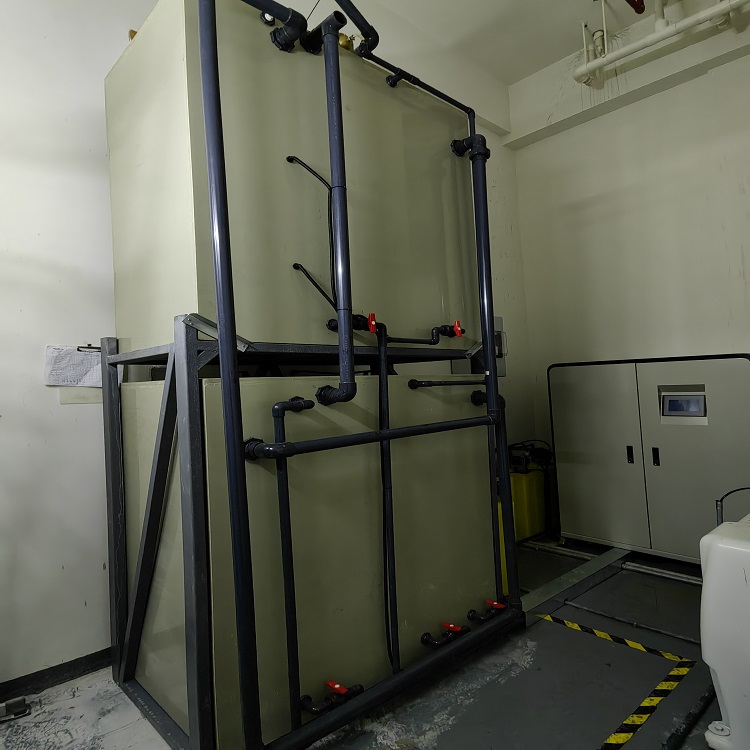
Based on the nature of the main pollutants in the wastewater, it can be categorized into organic wastewater, inorganic wastewater, and biological laboratory wastewater. Organic laboratory wastewater includes commonly used organic reagents and samples, benzene, nitro compounds, etc. Inorganic laboratory wastewater primarily contains strong acids, strong bases, heavy metals, arsenic compounds, etc. Biological wastewater is mainly produced in biological safety laboratories, with pollutants including blood, urine, sputum, vomit, and laboratory detection cultures, culture media, liquid biological specimens, a small amount of laboratory equipment, and animal cage rinse water. The main pollutants are pathogenic bacteria, which do not contain heavy metal ions, have good biodegradability, and a high content of pathogenic microorganisms.


