




- AllProduct Category
-
Lab Wastewater Treatment Equipment
Lab Wastewater Treatment Equipment
Ultra-Pure Water Equipment
Membrane Separation Equipment
Pure Water Equipment
Low-Temperature Evaporator
Ultra-Pure Water System
Integrated Wastewater Treatment Equipment
Reverse Osmosis Equipment
Pure Water Equipment
Ceramic Membrane Equipment



Recommended Products
Quan Kun - Comprehensive Laboratory Waste Water Treatment Equipment - Remote Monitoring - Automated Control
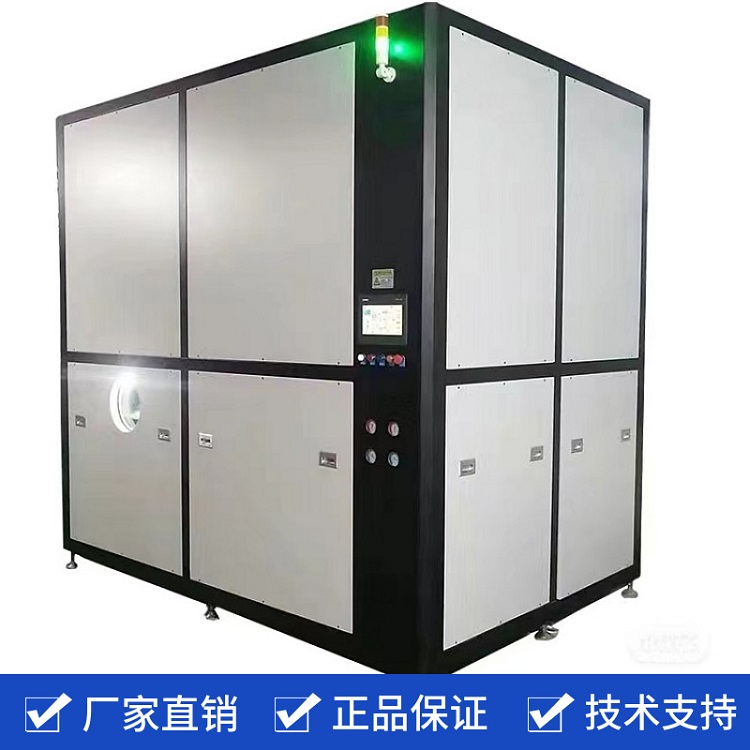
Sodium Chloride Wastewater Low-Temperature Evaporator - Intelligent Automatic - Quankun - Integrated Design
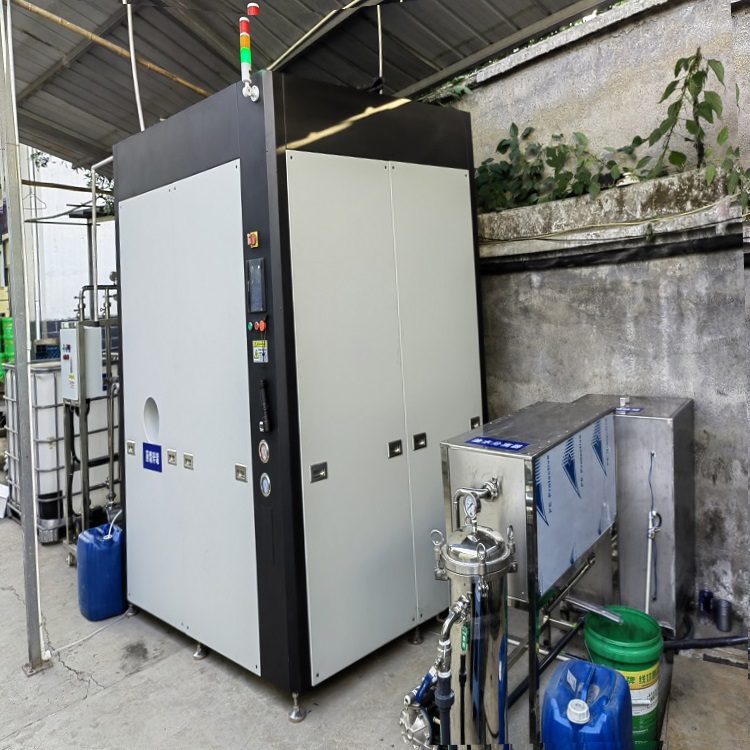
High-Concentration Oil Emulsion Waste Water Treatment Equipment - Quankun - Evaporator Unit - High Concentration Ratio
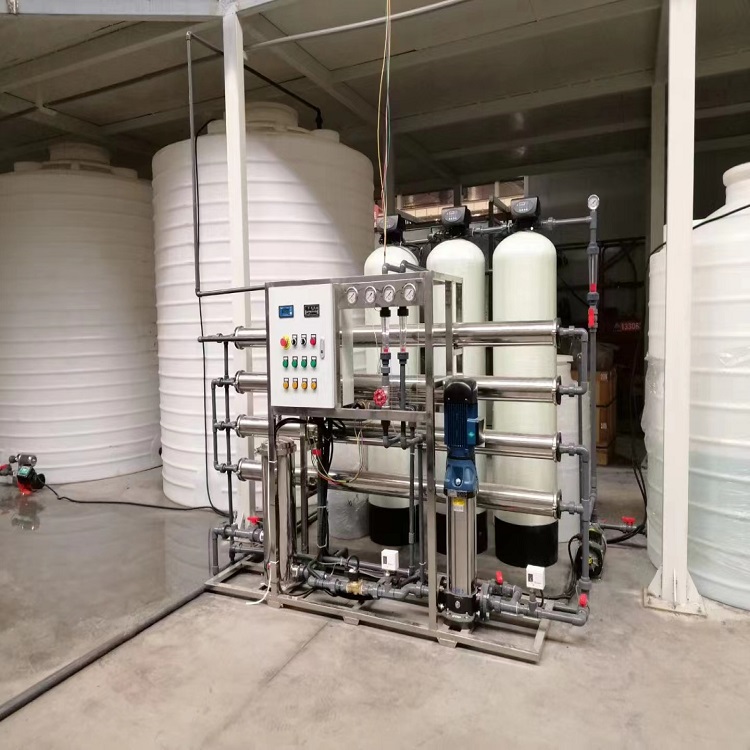
Industrial Pure Water Equipment EDI Ultra-Pure Water System Fully Automatic Control Quankun Environmental Protection
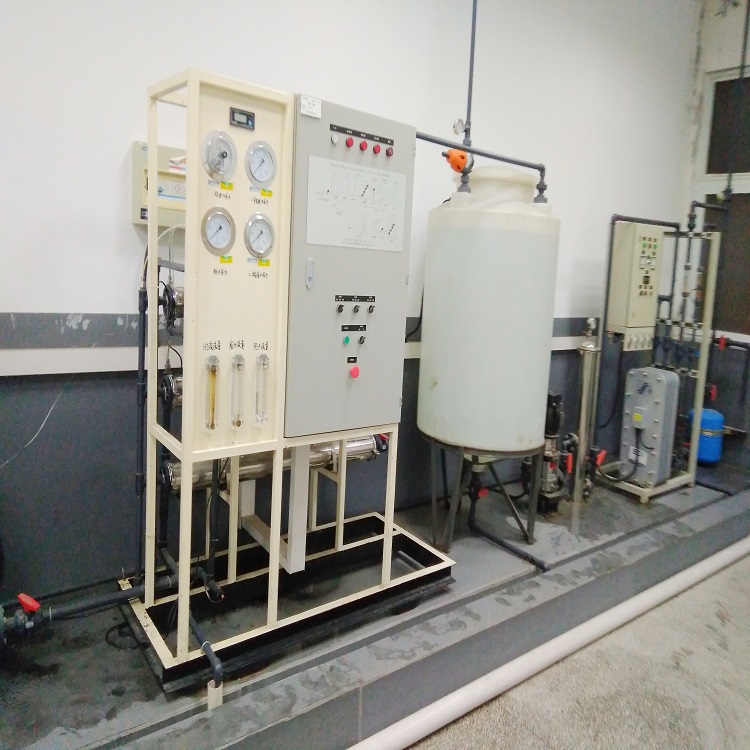
Shenzhen Industrial Ultra-Pure Water Equipment, equipped with EDI system, features low energy consumption and high degree of automation.
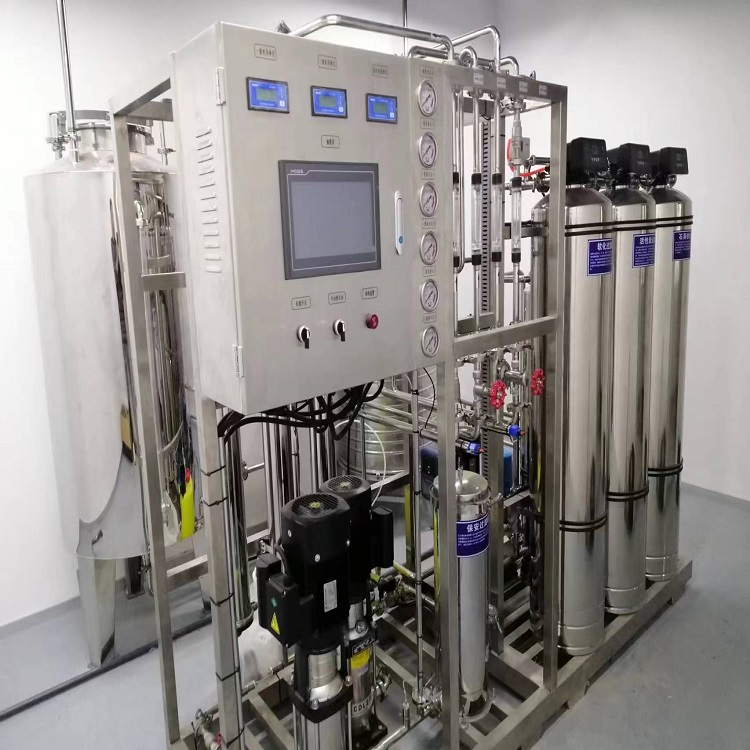
Shanghai industrial pure water production equipment reverse osmosis filtration system with high yield and customizable options, Quankun brand.
详情描述
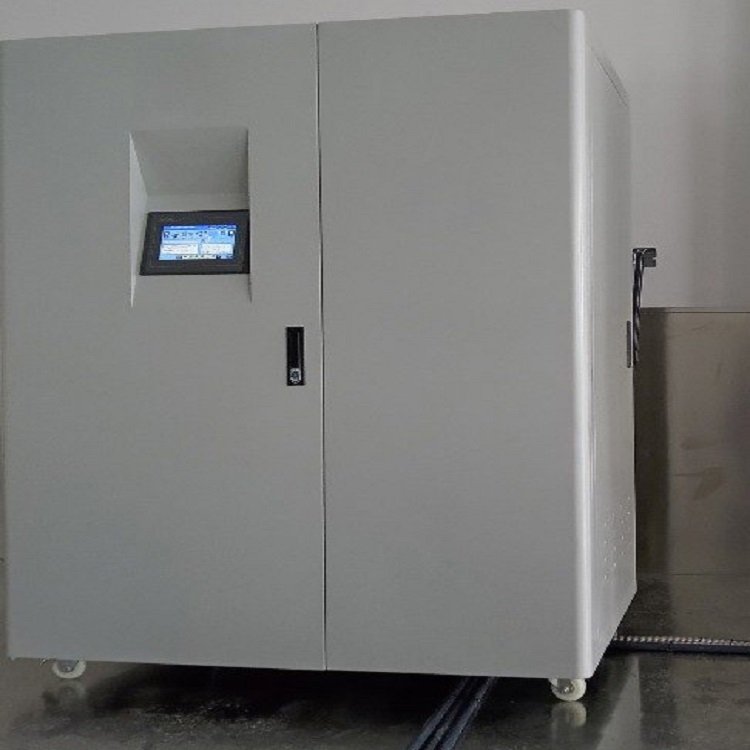
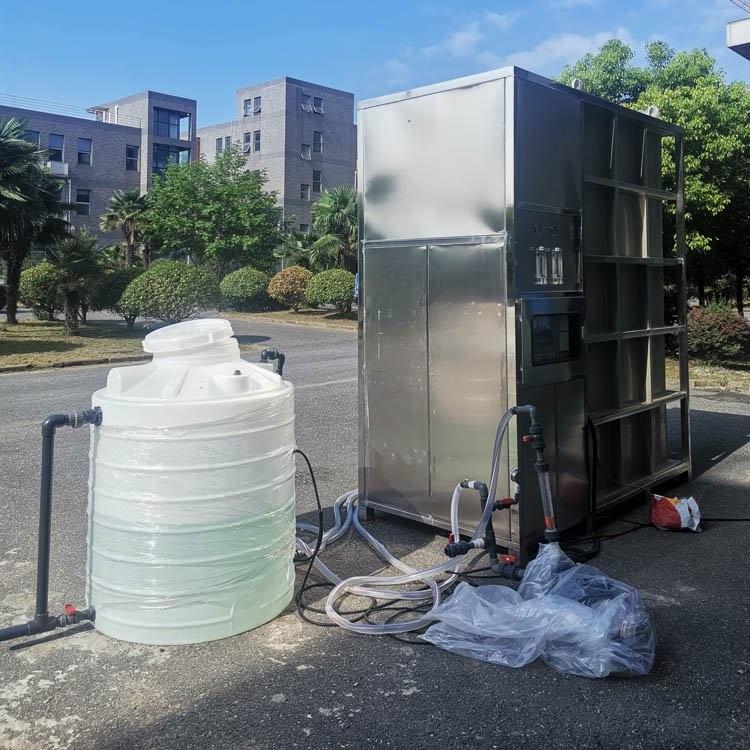
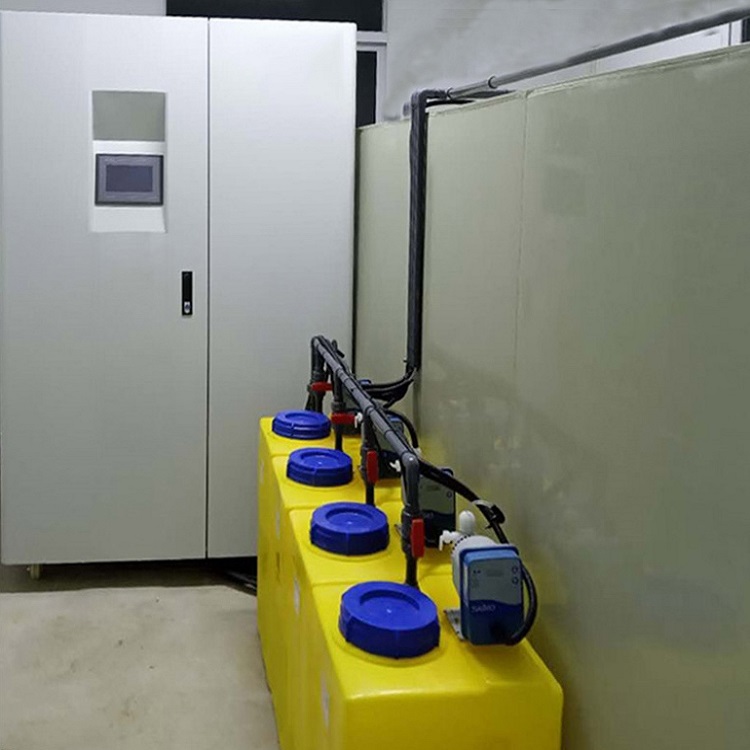
Animal Disease Control Laboratory Wastewater Treatment Equipment - Corrosion-resistant and durable material - Quankun low energy consumption
The implementation of the laboratory wastewater treatment equipment has not gone smoothly, with several challenges to overcome. Firstly, there is the selection and installation of the equipment. Given the limited space in high school laboratories, appropriate equipment must be chosen based on the lab's size and water treatment requirements, and it must be properly arranged and installed. The solution is to use modularly designed equipment, which can be flexibly combined and assembled according to the actual situation of the lab, saving space while meeting treatment needs. Secondly, there is the issue of equipment operation and maintenance. To ensure the long-term stable operation of the wastewater treatment facilities, it is essential to strengthen the maintenance and care of the equipment. The solution is to establish a comprehensive equipment maintenance system, including regular maintenance and cleaning, and to create operational management regulations to ensure the normal operation of the equipment. Additionally, when using wastewater treatment equipment in high school laboratories, it is crucial to enhance students' environmental awareness, cultivate a sense of responsibility and self-discipline, and ensure the proper use and maintenance of the equipment.
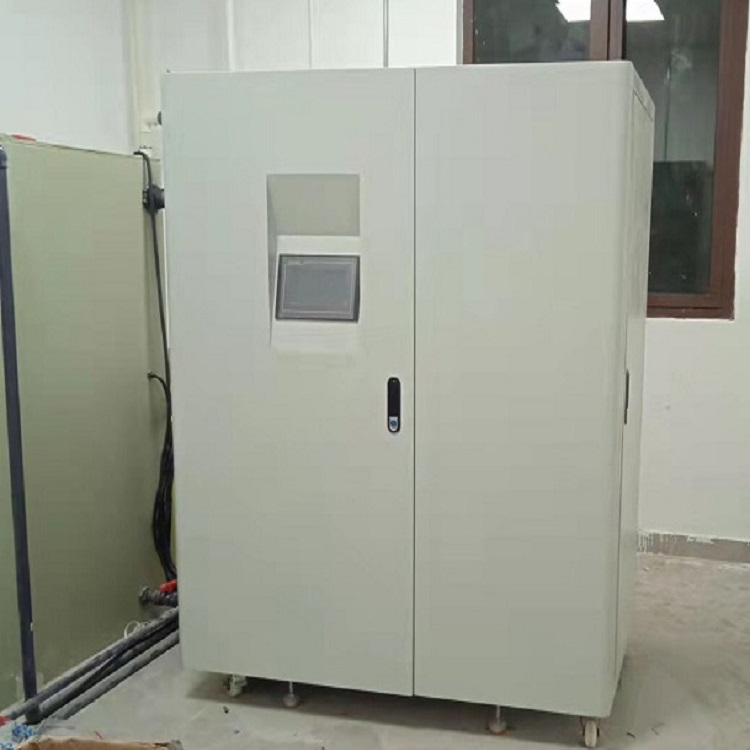
Laboratory wastewater sources and types:
Currently, universities have formed educational systems covering engineering, agriculture, science, medicine, and more. However, the total amount of laboratory wastewater discharge is relatively small and varies significantly over time. The composition of pollutants is complex, including various types of waste such as acids, bases, toxic organic substances, chemicals, heavy metals, and pathogenic microorganisms. Generally, wastewater from university laboratories can be categorized into the following types.
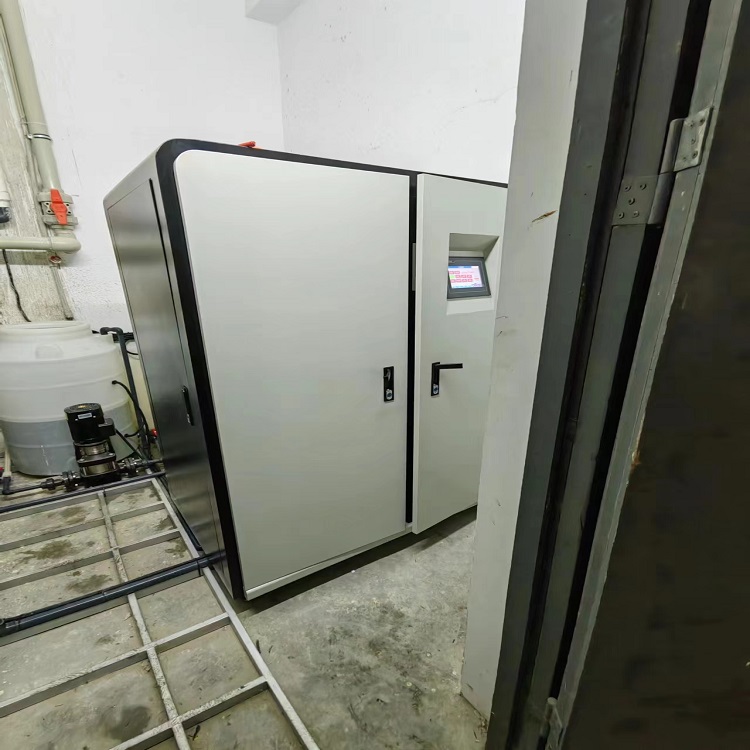
Categorized by pollution levels:
High-concentration laboratory wastewater and low-concentration laboratory wastewater can be categorized based on pollution levels. High-concentration experimental wastewater includes general liquid inactive reagents (spent acids, bases, organic solvents, etc.), liquid experimental waste or by-products (sample analysis residues, liquid products and by-products, etc.), and highly toxic post-experiment cleaning solutions. Low-concentration experimental wastewater includes low-concentration flush water from experimental containers and products, general chemical reaction products, low-toxicity low-concentration waste reagents, laboratory cleaning and domestic water, cooling water, etc.
Laboratory wastewater treatment equipment can effectively remove COD, BOD, SS, pigments, and heavy metal ions from wastewater. Depending on the composition of different laboratory wastewater, various treatment technologies and control systems are employed for wastewater treatment. The laboratory wastewater treatment equipment boasts advanced technology, high level of automation, no need for dedicated personnel, excellent treatment results, compact installation space, and convenient operation and management.
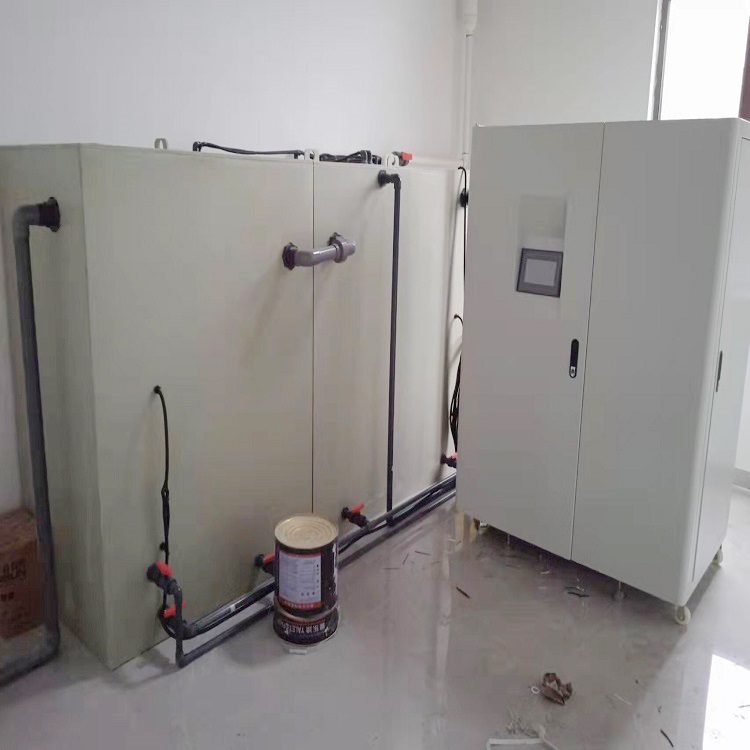
Animal Disease Control Laboratory Wastewater Treatment Equipment - Corrosion-Resistant Material for Durability - Quankun Low Energy Consumption
Application Fields:
Laboratory wastewater treatment equipment is widely used in universities, research institutions, organizations, biological facilities, disease control centers, environmental supervision, product quality inspection, inspection and quarantine, drug inspection, blood stations, animal husbandry, petrochemical industries, enterprises, and other laboratories. The treated wastewater meets the standards of the Comprehensive Discharge Standard for Wastewater [GB8978-1996] in Class I, II, and III, and can be discharged into the urban sewage network or reused after further treatment.


