





- AllProduct Category
-
Lab Wastewater Treatment Equipment
Lab Wastewater Treatment Equipment
Ultra-Pure Water Equipment
Membrane Separation Equipment
Pure Water Equipment
Low-Temperature Evaporator
Ultra-Pure Water System
Integrated Wastewater Treatment Equipment
Reverse Osmosis Equipment
Pure Water Equipment
Ceramic Membrane Equipment



Recommended Products
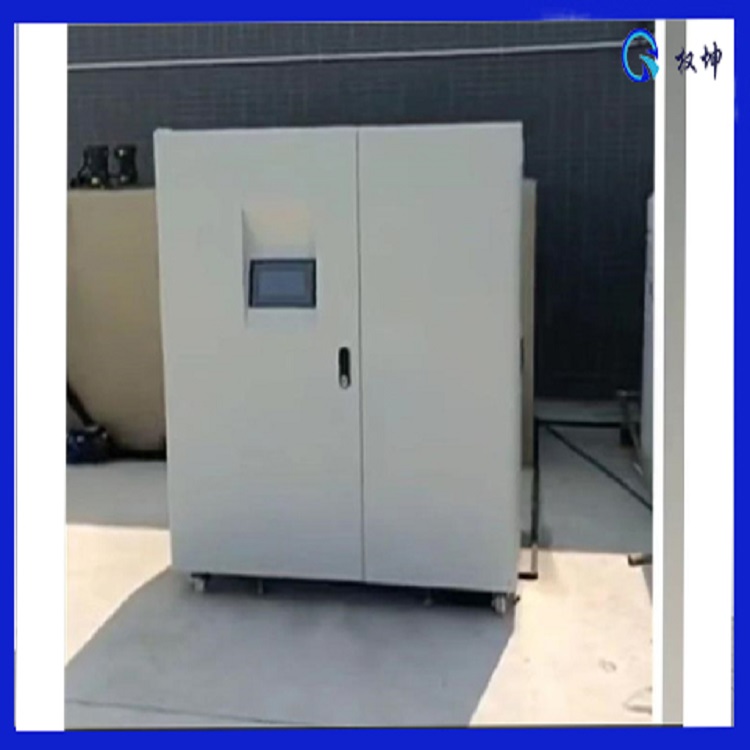
Quan Kun - Comprehensive Laboratory Waste Water Treatment Equipment - Remote Monitoring - Automated Control
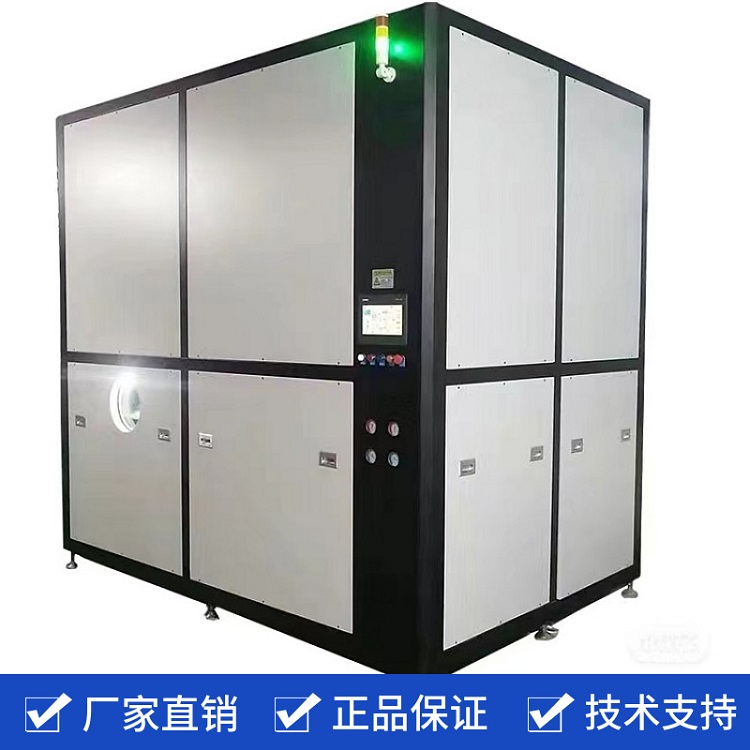
Sodium Chloride Wastewater Low-Temperature Evaporator - Intelligent Automatic - Quankun - Integrated Design
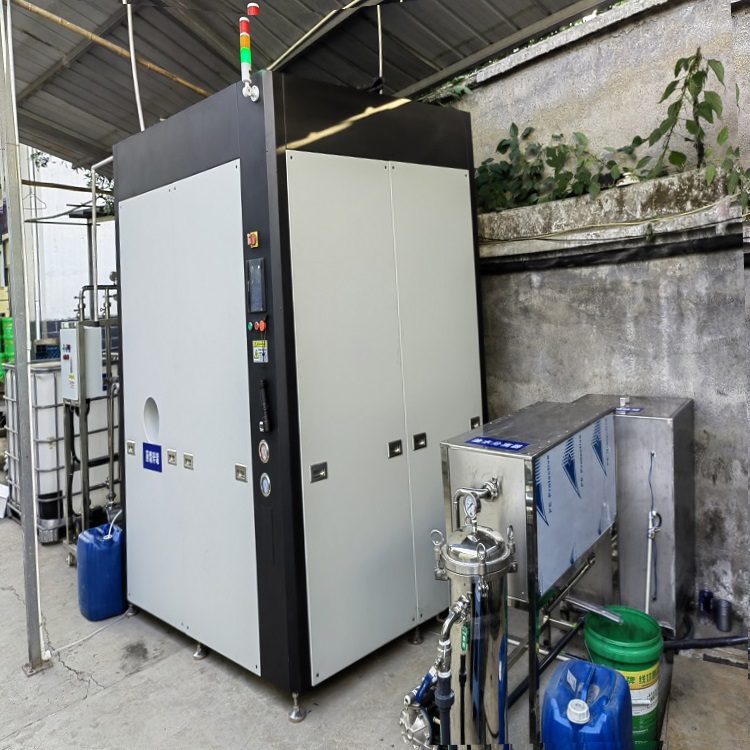
High-Concentration Oil Emulsion Waste Water Treatment Equipment - Quankun - Evaporator Unit - High Concentration Ratio
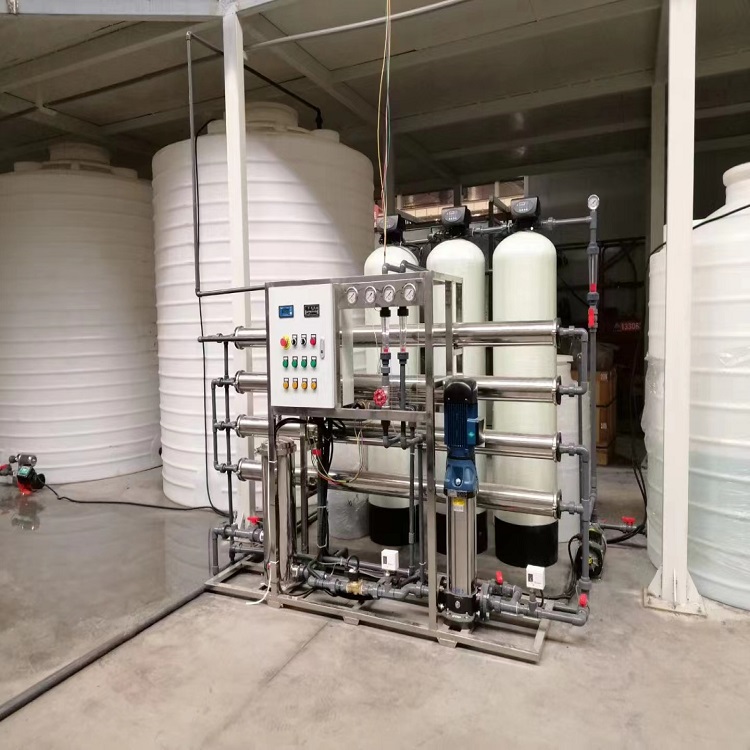
Industrial Pure Water Equipment EDI Ultra-Pure Water System Fully Automatic Control Quankun Environmental Protection
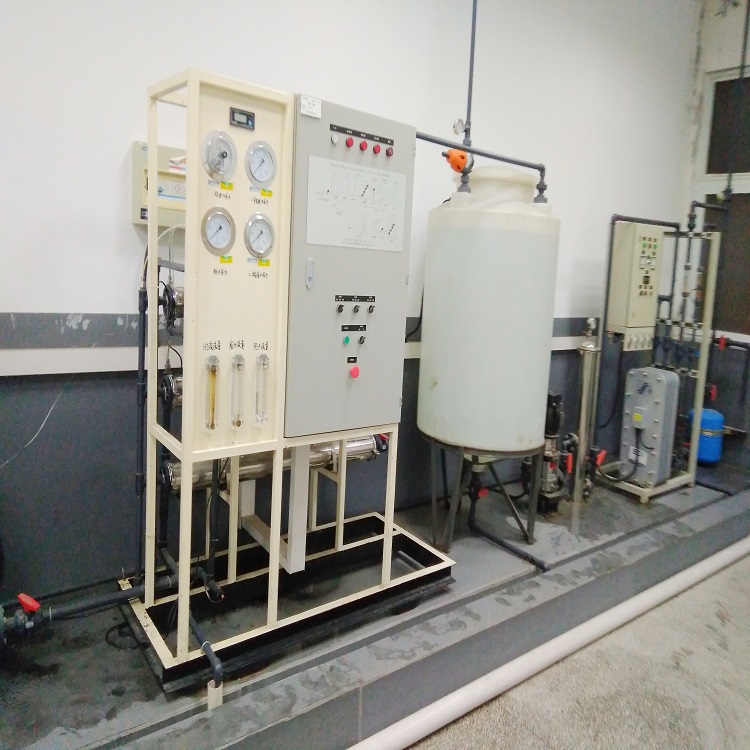
Shenzhen Industrial Ultra-Pure Water Equipment, equipped with EDI system, features low energy consumption and high degree of automation.
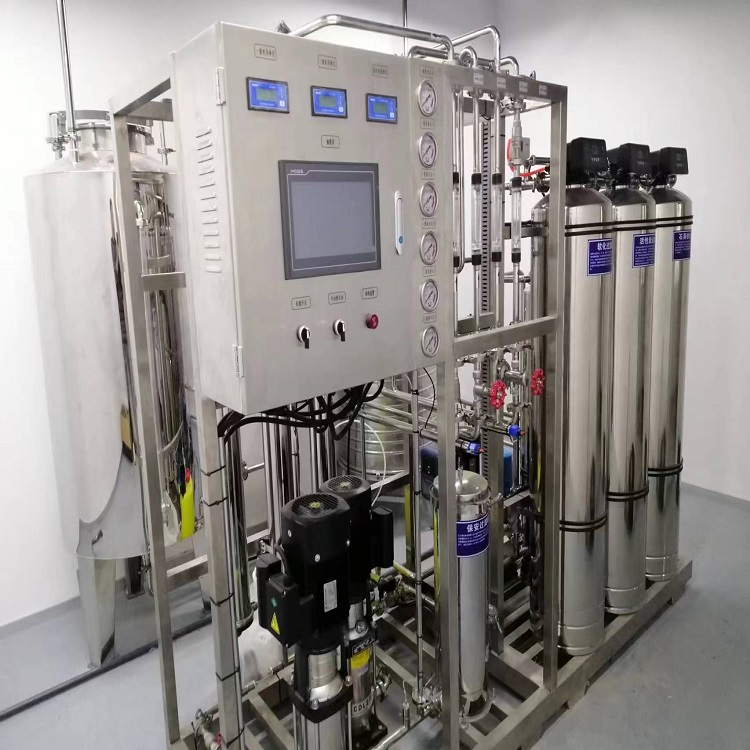
Shanghai industrial pure water production equipment reverse osmosis filtration system with high yield and customizable options, Quankun brand.
详情描述
Small-scale laboratory wastewater treatment equipment, PLC automatic control, aesthetically pleasing, Quankun
With the rapid development of industry, wastewater treatment in laboratories has become an important environmental protection task. To ensure the normal operation of the laboratory and reduce environmental pollution, it is essential to adopt wastewater treatment equipment.
The laboratory's wastewater primarily contains organic substances, such as pharmaceutical ingredients, solvents, and other chemicals. These organic substances can cause significant environmental pollution, necessitating specialized treatment equipment to remove them. Common treatment methods include biological degradation, oxidation reactions, and activated carbon adsorption. Among these, biological degradation is a relatively common method, which utilizes microorganisms to degrade organic substances into harmless matter. Oxidation reactions involve exposing organic substances to oxidizing agents, converting them into water. Activated carbon adsorption uses the adsorption properties of activated carbon to trap organic substances on its surface, achieving the goal of organic removal.

Laboratory wastewater may contain certain amounts of heavy metal ions, such as copper, cadmium, and lead. These heavy metal ions are harmful to the environment and organisms, so appropriate treatment measures must be taken to remove them. A common method is chemical precipitation, where the addition of a suitable precipitant causes the heavy metal ions to react and form insoluble precipitates, which are then removed through sedimentation. Additionally, heavy metal ions can be removed using ion exchange and membrane separation techniques. Ion exchange involves the adsorption of heavy metal ions by ion exchange resins, while membrane separation utilizes the selective permeability of membranes to separate and remove heavy metal ions.
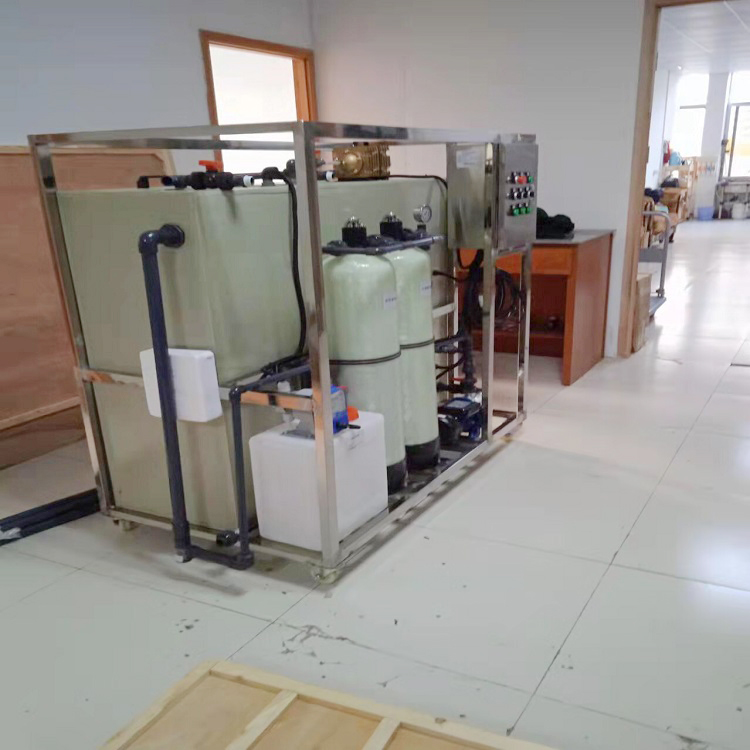
During the wastewater treatment process in a laboratory, a certain amount of sludge is produced, making the prevention and treatment of sludge a significant issue. Sludge primarily consists of organic matter, heavy metal ions, and other impurities, some of which may be harmful to the environment and organisms. Therefore, effective measures must be taken in wastewater treatment equipment to minimize sludge generation and to handle the produced sludge rationally. A common treatment method is anaerobic fermentation of sludge, where organic matter is further decomposed and converted into organic fertilizer under anaerobic conditions. Additionally, methods such as concentration and dewatering can be employed to treat sludge, aiming to reduce volume, stabilize it, and facilitate handling.
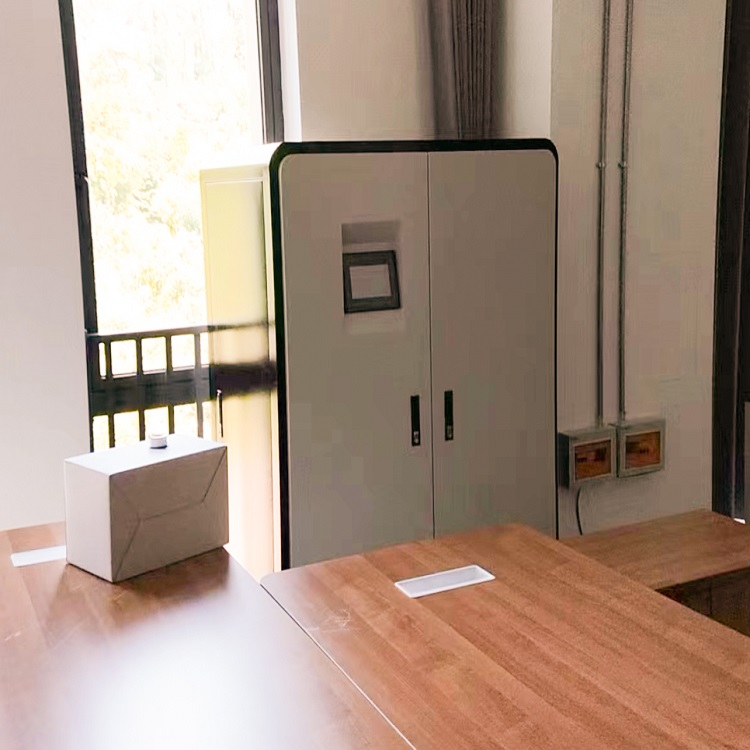
Small-scale laboratory wastewater treatment equipment, PLC automatic control, aesthetically pleasing, Quankun
Laboratory wastewater treatment equipment plays a crucial role in the removal of organic matter, effective elimination of heavy metal ions, preventing sludge formation, and treatment as well as ultrafiltration and disinfection. By employing appropriate treatment technologies and measures, it ensures that the laboratory's wastewater discharge meets environmental protection standards, reduces environmental pollution, and also guarantees the normal operation of the laboratory.


