



- AllProduct Category
-
Lab Wastewater Treatment Equipment
Lab Wastewater Treatment Equipment
Ultra-Pure Water Equipment
Membrane Separation Equipment
Pure Water Equipment
Low-Temperature Evaporator
Ultra-Pure Water System
Integrated Wastewater Treatment Equipment
Reverse Osmosis Equipment
Pure Water Equipment
Ceramic Membrane Equipment



Recommended Products
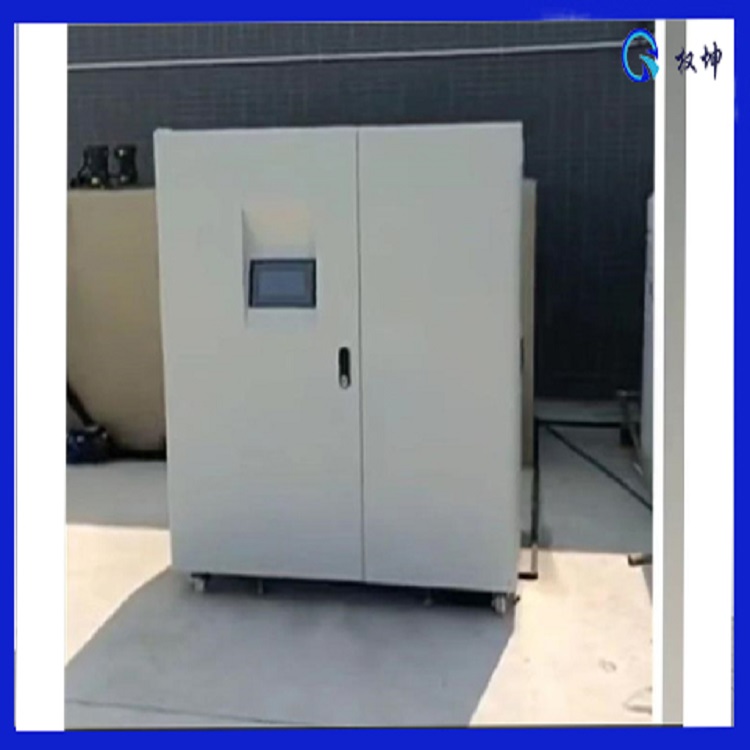
Quan Kun - Comprehensive Laboratory Waste Water Treatment Equipment - Remote Monitoring - Automated Control
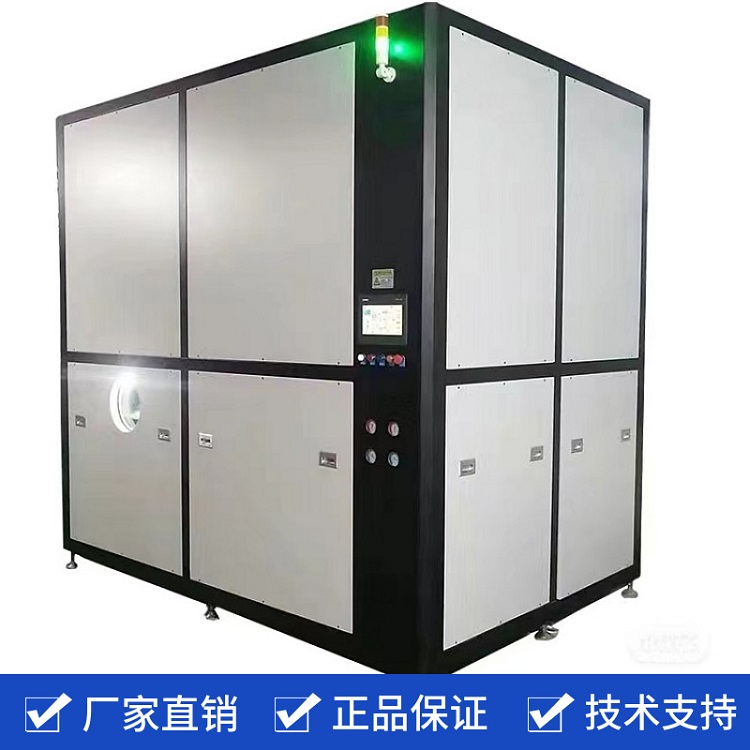
Sodium Chloride Wastewater Low-Temperature Evaporator - Intelligent Automatic - Quankun - Integrated Design
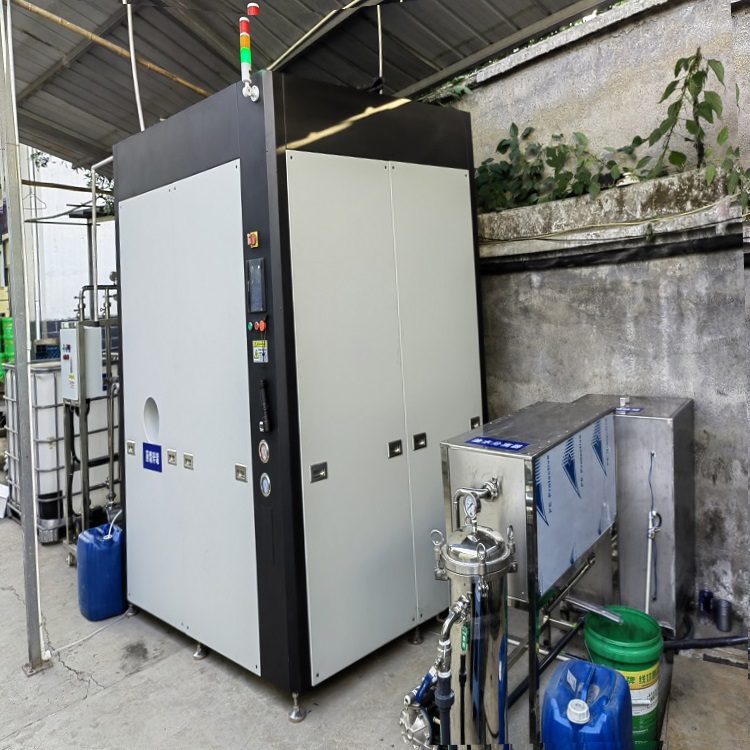
High-Concentration Oil Emulsion Waste Water Treatment Equipment - Quankun - Evaporator Unit - High Concentration Ratio
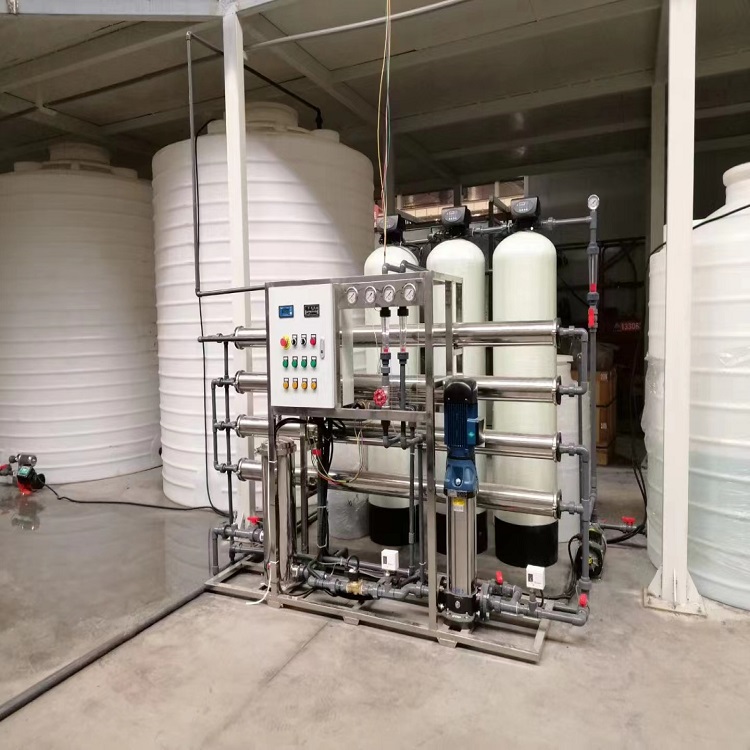
Industrial Pure Water Equipment EDI Ultra-Pure Water System Fully Automatic Control Quankun Environmental Protection
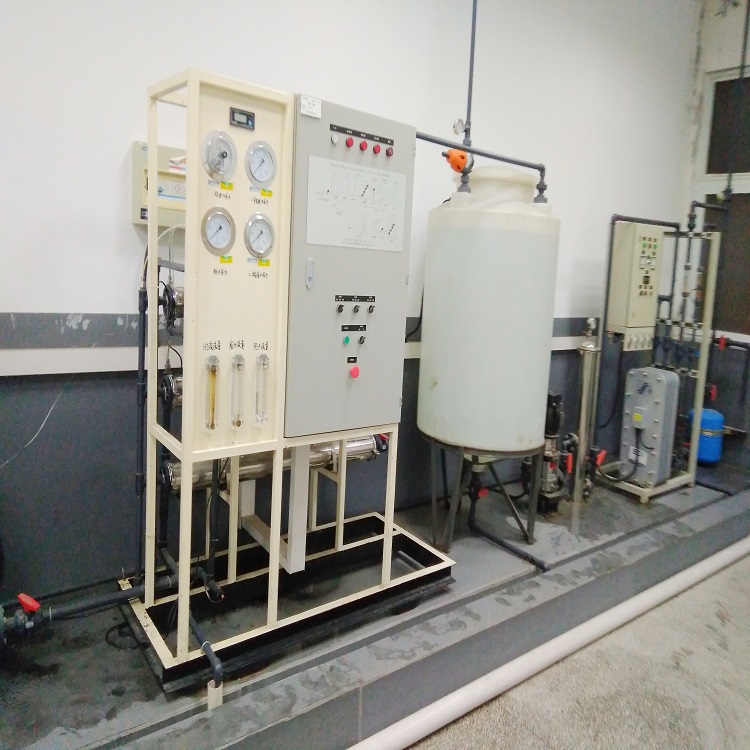
Shenzhen Industrial Ultra-Pure Water Equipment, equipped with EDI system, features low energy consumption and high degree of automation.
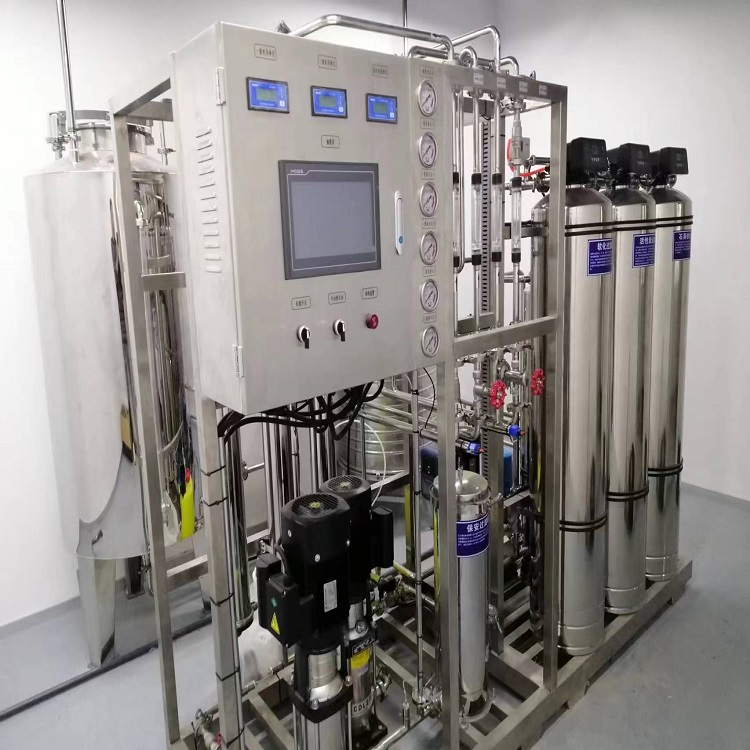
Shanghai industrial pure water production equipment reverse osmosis filtration system with high yield and customizable options, Quankun brand.
详情描述
Laboratory wastewater treatment methods include neutralization, coagulation, adsorption, and oxidation. Specifically, these involve neutralization, flocculation and sedimentation, oxidation-reduction reactions, heavy metal capture, two-stage biological adsorption systems, ultrafiltration systems, and photocatalytic oxidation systems. Effective treatment of laboratory wastewater can only be achieved by combining chemical and physical methods, tailored to the specific characteristics of the wastewater, and employing a strategy of both recovery and treatment.

Waste liquid treatment in the laboratory:
Regarding laboratory waste liquid collection and management: Based on the chemical characteristics of different waste liquids, the laboratory can categorize and store them in unified, sealed containers as per regulations. At the same time, it is necessary to label the types of waste liquids and the duration of storage. Considering the nature of the waste liquids and their composition, methods such as coagulation sedimentation, acid-base neutralization, or oxidation with oxidizing agents should be considered for treatment and recovery. On the other hand, if the laboratory lacks the capability to handle the waste, it should collect the waste liquids regularly and contact units with the necessary capability and qualifications for unified treatment. In terms of equipment and instrument requirements, the containers used to store waste liquids in the laboratory should be resistant to damage, aging, and deformation. Additionally, they must prevent leakage and diffusion of the waste liquids. Below, we will specifically introduce the main methods for the treatment of laboratory waste liquids.
Anaerobic biological treatment for laboratory wastewater is cost-effective, but it does not effectively remove ammonia nitrogen. Therefore, under stringent water quality requirements, it is generally necessary to undergo anaerobic treatment followed by aerobic treatment or chemical methods to remove ammonia nitrogen to meet water discharge standards. Aerobic methods in large-scale laboratory wastewater treatment not only remove high CODcr removal rates but also eliminate nitrogen and phosphorus, although the cost is higher. Consequently, for high-concentration slaughterhouse wastewater, anaerobic biological treatment is usually employed first, then aerobic treatment is used to combine the benefits of both anaerobic and aerobic biological methods, allowing large-scale laboratory wastewater treatment equipment to achieve high CODcr removal rates and nitrogen elimination.
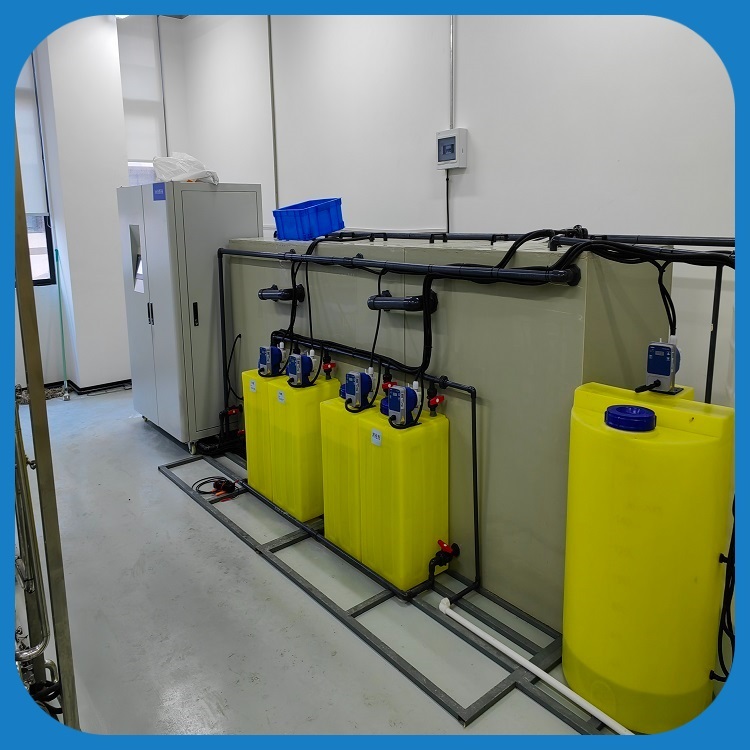
Active sludge, after certain treatment, can be used as animal feed. Proteins and fats from slaughterhouse wastewater can also be recovered, and the products can be used as animal feed and produce harmless fertilizers. Large-scale laboratory wastewater treatment equipment is a sustainable development project with an ecological balance and良性循环, aimed at promoting energy development, waste conversion, and the development of agriculture and aquaculture. The management experience of slaughterhouse wastewater is of great reference value for the treatment of fecal pollution from urban and aquaculture industries.


