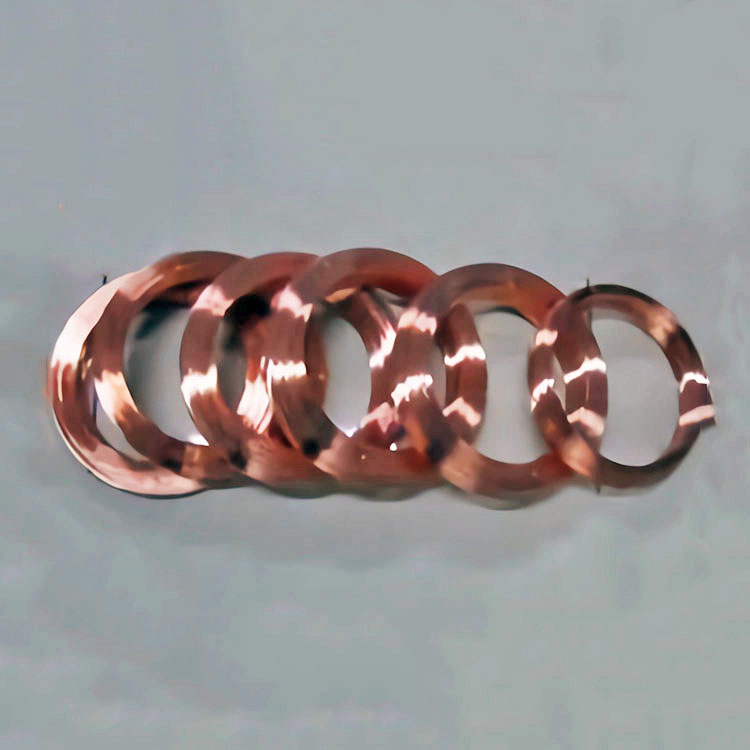



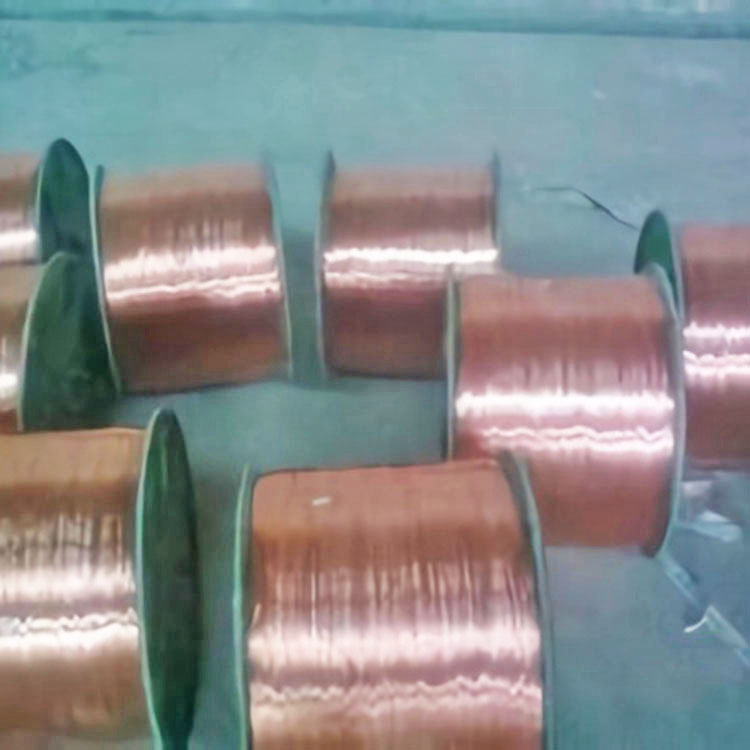
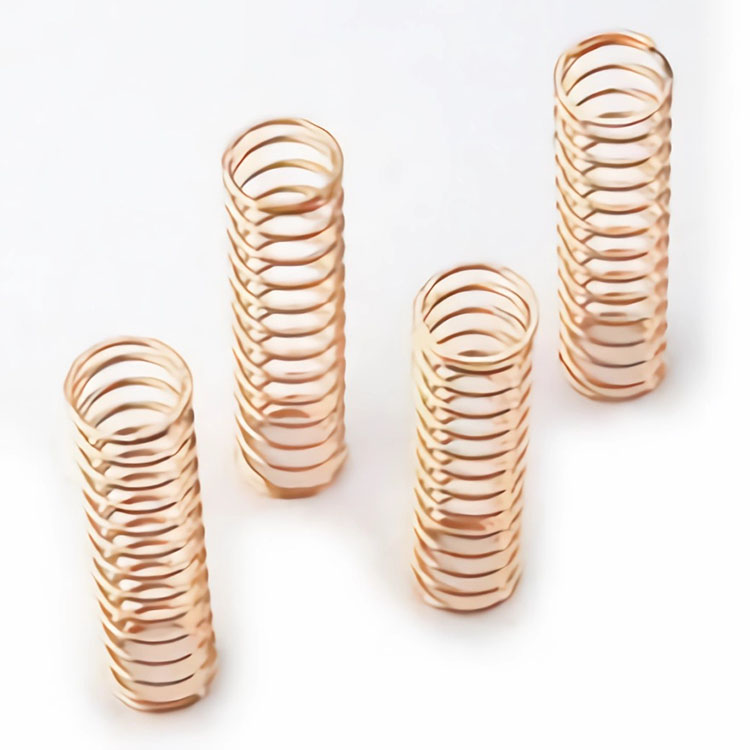
Phosphor bronze, tin bronze, and tin-phosphor bronze are composed of bronze with the addition of deoxidizer phosphorus (P content 0.03~0.35%) and tin (5~8%) content. They also include other trace elements such as iron (Fe) and zinc (Zn), which provide excellent ductility and fatigue resistance. Suitable for electrical and mechanical materials, their reliability exceeds that of general copper alloys.
Tin-phosphorus bronze offers superior corrosion resistance, wear resistance, and does not spark upon impact. It is used for medium-speed, heavy-duty bearings, operating at high temperatures up to 250°C. It features automatic alignment, insensitivity to misalignment, uniform load-bearing capacity on the shaft, capability to withstand radial loads, self-lubrication with no maintenance required, and more.
Tin-phosphorus bronze is an alloy copper with excellent conductivity, low thermal expansion, ensuring safety, and possesses strong fatigue resistance.
Tin-phosphorus bronze is suitable for electrical structures with spring leaf contact pins, ensuring good contact, excellent resilience, and smooth insertion and removal without soldered connections or frictional contacts. This alloy boasts excellent machinability and chip formation properties, significantly reducing the time required for part processing.