
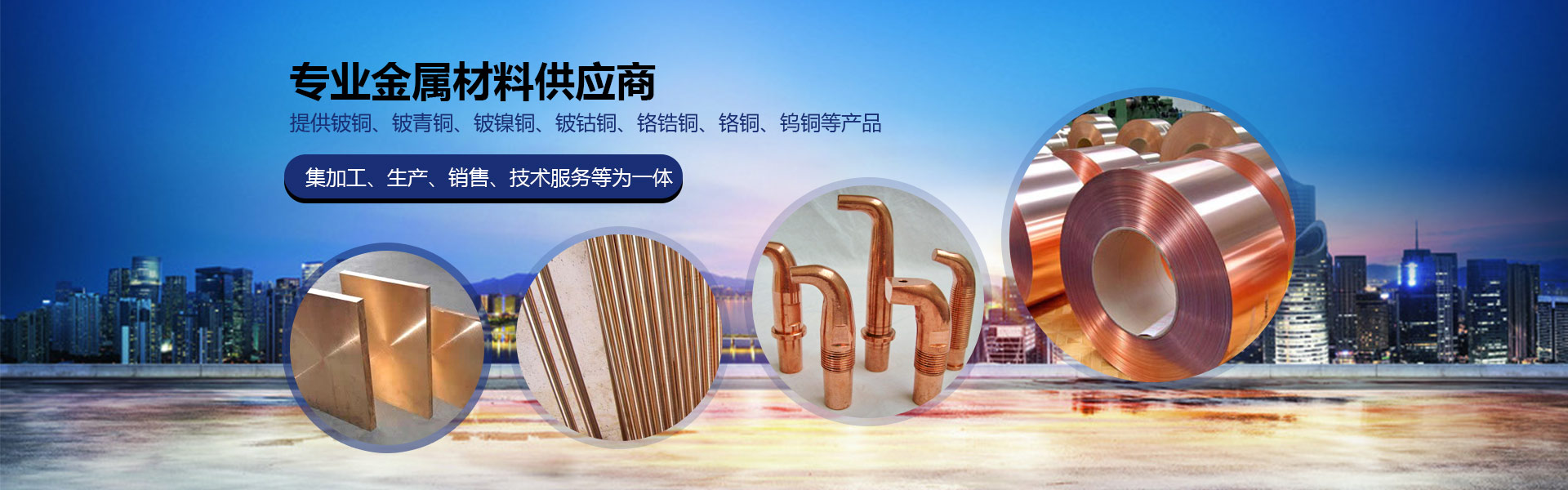
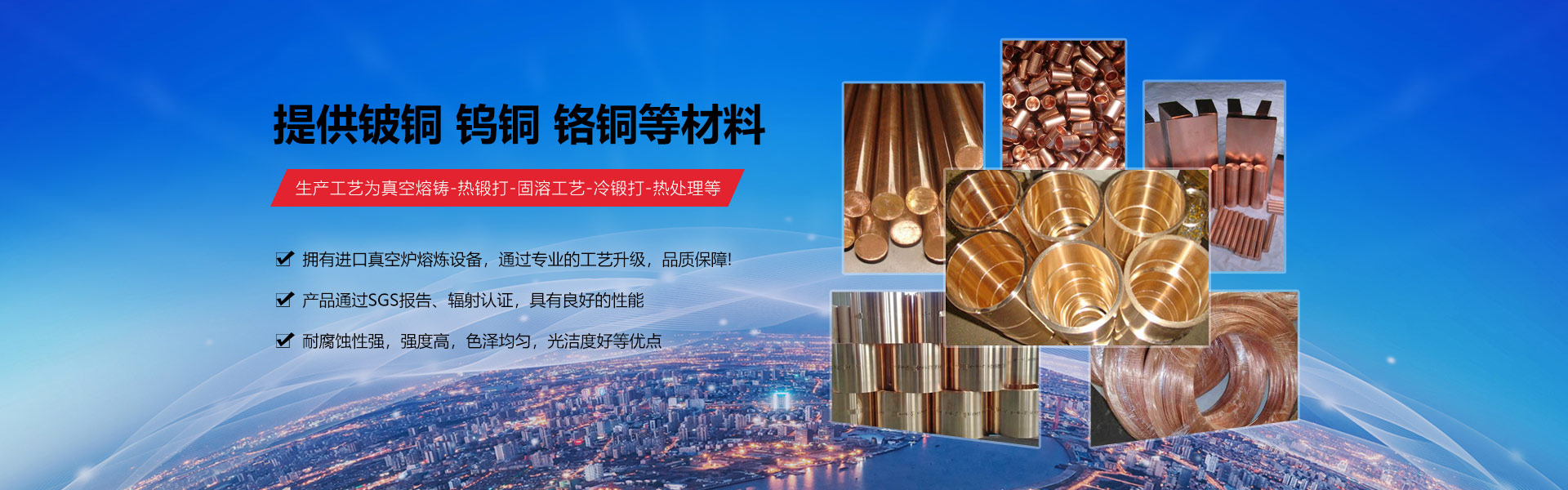


Tungsten copper alloys can withstand temperatures up to nearly 2000 degrees Celsius and high stress, featuring high melting points, hardness, resistance to burnout, and excellent anti-adhesion properties. The surface finish of electro-erosion products is smooth, with high precision and low loss.
Production Process of Tungsten-Copper Alloys
Tungsten copper is an alloy composed of tungsten and copper. The tungsten copper alloy is meticulously crafted using fine tungsten and copper powders, processed through an infiltration sintering technique, and involves isostatic pressing—a high-temperature sintering of tungsten framework—followed by copper infiltration.
Primary Applications of Tungsten Copper Alloys:
Tungsten copper alloys are extensively used as contacts, protective rings for high-voltage and ultra-hydraulic switches and circuit breakers, material for electrical hot forging dies, automatic submerged arc welding electrodes, plasma cutting machine nozzles. They are also employed in welding machine and butt welding machine tips, rolling welding wheels, and are used to manufacture gas seal electrodes and electrical discharge machining electrodes, spot welding and resistance welding materials, etc.
Resistance Welding Electrodes: Tungsten copper alloy combines the advantages of tungsten and copper, exhibiting high-temperature resistance, arc erosion resistance, high strength, high density, good electrical and thermal conductivity, ease of machining, and features like sweating cooling. Due to its high hardness, high melting point, and anti-adhesion properties, tungsten copper alloy is often used for convex and butt welding electrodes that require certain wear resistance and high-temperature resistance.
2. Electrical Spark Electrode: When molds made of tungsten steel or high-temperature superhard alloys require electrical erosion, the conventional electrodes experience significant wear and slow processing speed. The unique features of copper tungsten alloys, such as high electrical corrosion rate, low loss rate, and excellent processing properties, greatly enhance the precision of the workpieces.
3. High-voltage Discharge Tube Electrode: During operation, the temperature of the contact material in a high-voltage vacuum discharge tube can rise several thousand degrees Celsius within a few tenths of a second. The high resistance to erosion, high toughness, and excellent electrical and thermal conductivity of tungsten copper alloy provide the necessary conditions for the stable operation of the discharge tube.
4. Electronic Packaging Materials: Tungsten copper alloys combine the low thermal expansion characteristics of tungsten with the high thermal conductivity of copper. The coefficient of thermal expansion and conductivity of tungsten copper alloys can be altered by adjusting the composition of the material, thereby providing convenience for its use.
