



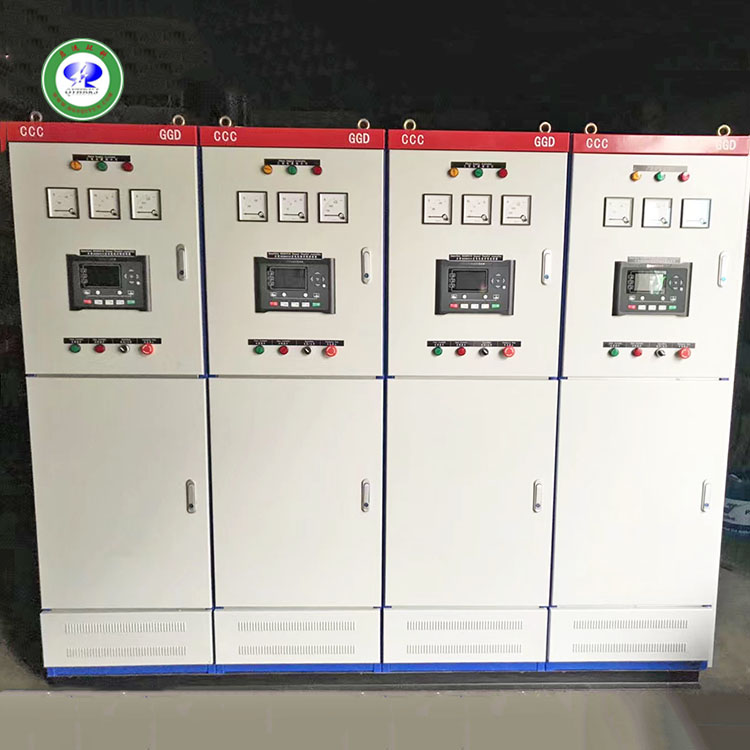
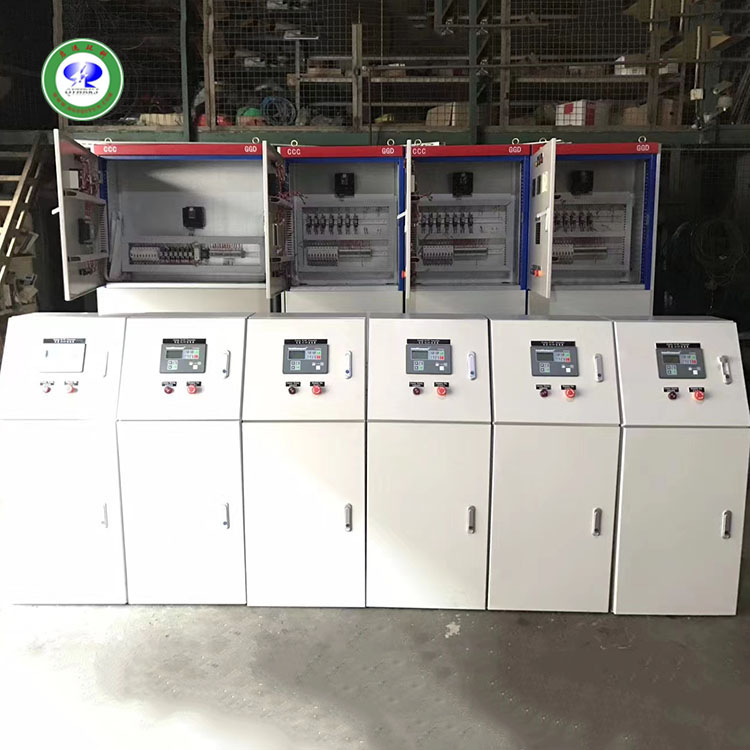
Benefits of Parallel Generator Sets
1. Enhance the reliability and stability of the power supply system: Since multiple units are integrated into a grid, the voltage and frequency of the power supply become more stable, capable of withstanding greater impacts from load fluctuations.
2. Enhanced Maintenance and Operation: Parallel operation of multiple machines allows for centralized scheduling and distribution of active and reactive loads, making maintenance and repairs more convenient and timely.
3. Enhanced Economy: By adjusting the number of small-power units based on the online load size, fuel and oil waste from large-power units under low load can be minimized.
4. Future expansion with greater flexibility: Install only the power generation and parallel equipment required at present. When the company needs to expand the grid capacity in the future, additional generator sets can be added, and the parallel connection of the expanded sets can be easily achieved, making the initial investment more economical.
Category:
1. Low-pressure fixed type
2. Low-pressure extraction
3. High-pressure fixed-type
4. High-pressure extraction
Generator set parallel operation scheme classification:
Manual and Synchronized Start: Indicated by lights or a synchronizing indicator, this method is generally used for older diesel generator sets with mechanical speed regulation.
2. Semi-automatic Parallel Operation: Automatic parallel connection, manual disconnection, generally used for primary or backup power supply in factories.
3. Automatic Parallel Operation: In case of a power outage, automatically starts 2 or more generators, supplies power to the load after paralleling, automatically disconnects and shuts down the units when city power is restored, commonly used as backup power for buildings.
4. Peak Load Synchronization (Full Automatic Synchronization): Based on automatic synchronization, the system automatically connects and synchronizes multiple units based on the load variation, and also performs the logic functions of automatic disconnection and shutdown.
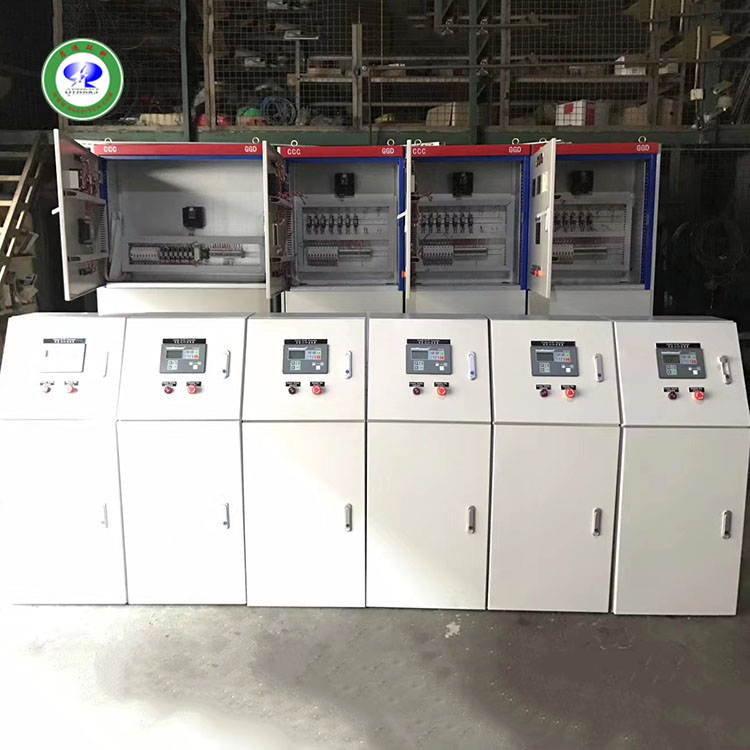
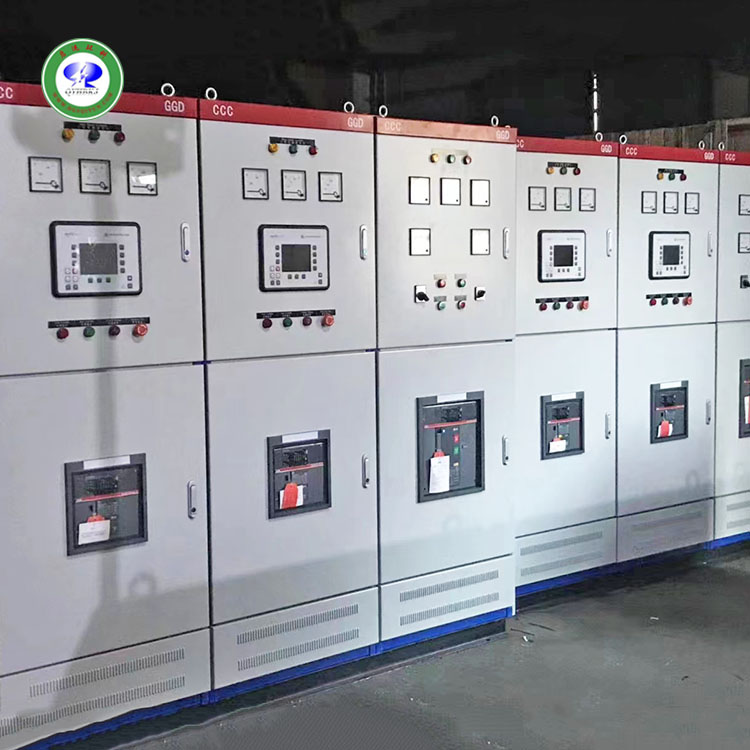
5. Tri-remote parallel system: A parallel system that utilizes a dedicated single-chip microcomputer system to complete the communication connection between the parallel cabinet and the generator set with a PC.
The process of paralleling and de-parallelizing the generator set during normal operation:
1. Set all selections on the operation screen to "Automatic," putting the generator set in an automatic standby state.
2. Upon confirmation of the power grid failure and the delay, the 1# generator set (main set) begins to start up.
3. After normal operation, the generator set will close the circuit 10 seconds (preset value, can be set arbitrarily) after delay. Power is directly fed into the busbar.
4. Once the 1# generator set reaches 70% of its rated power (adjustable), the 1# control cabinet sends an automatic start signal to the 2# generator set, which then begins to start up. The synchronization module will automatically detect the synchronization status of both the 1# and 2# generator sets. Upon synchronization, the circuit breaker of the 2# generator set closes, and the unit is fully connected to the power grid.
5. As the grid load gradually decreases, the units can be disconnected from the grid based on the actual load conditions, thereby shutting down and cooling down. If the load suddenly increases after some units are disconnected, the control system will detect the load increase. When the load increase reaches 70% (adjustable) of the operating units' load, the system will automatically start the next unit, connect it to the grid, and put it into service.
6. Upon the power grid returning to normal, after a delayed confirmation, the generator load air circuit breaker is opened, allowing the generator set to continue running unloaded for a period (set to 3 minutes) to cool down the system. After 3 minutes, shut down the generator set, and all units will re-enter standby mode.
7. During automatic paralleling of the unit, the automatic time synchronization should not exceed 3 seconds.
