





Diesel Generator Room and Gas Engine Room Soundproofing and Noise Reduction Engineering Contracting - Design and Construction - Noise and Exhaust Emissions
I. Overview
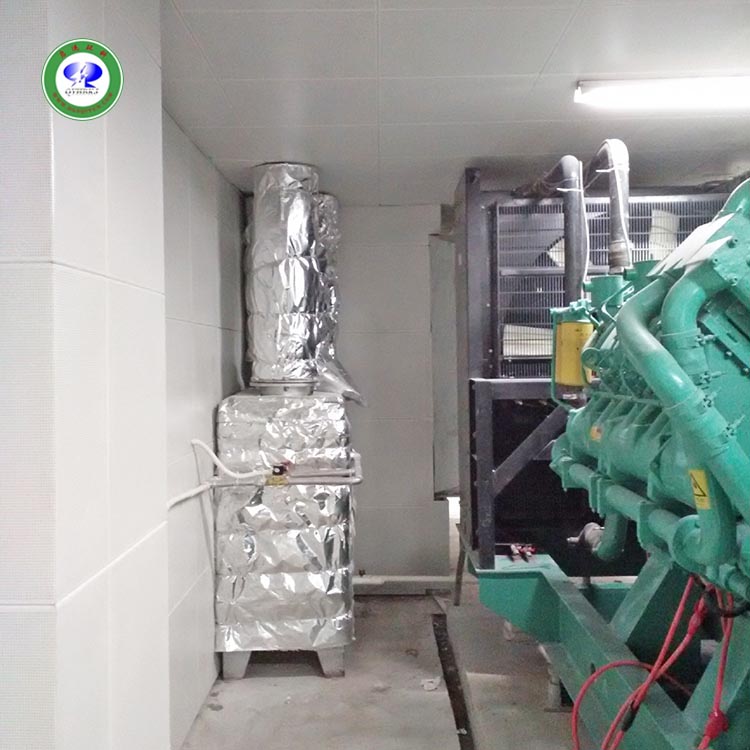
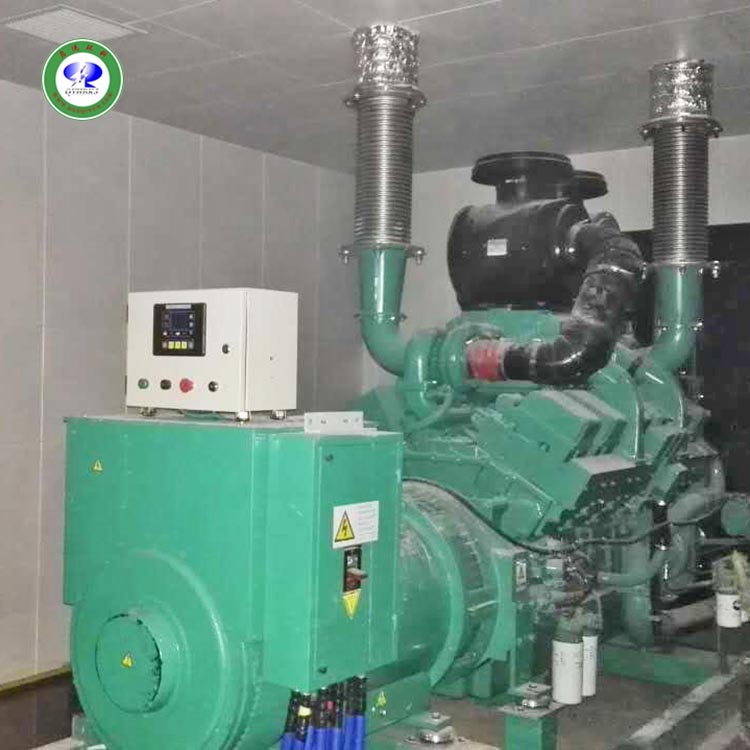
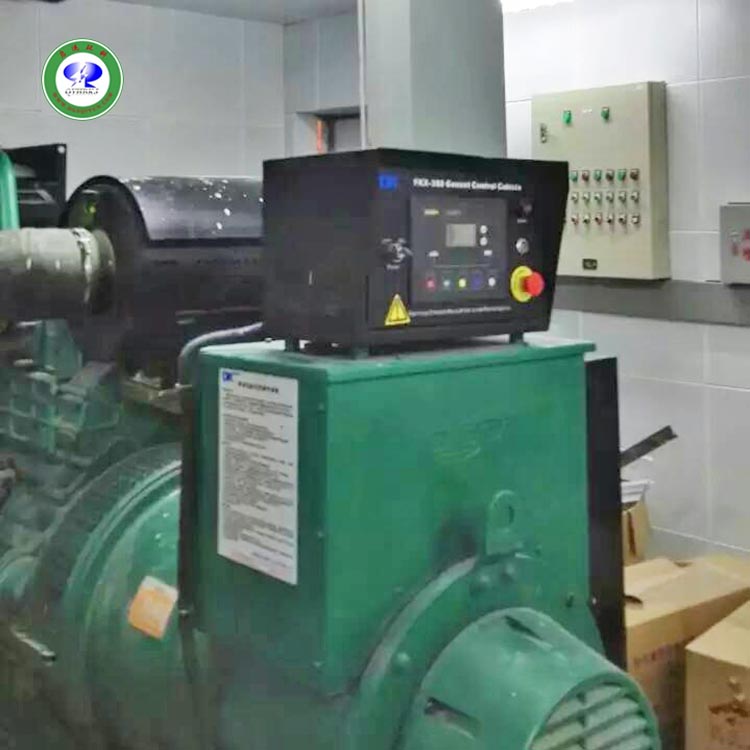
The generator room is located in the basement of a separate building. The exhaust and intake vents of the room are situated on the side walls of the generator room, and the exhaust outlets of the units radiate directly outward. Prior to treatment, the operation of the generator room produced a loud noise of approximately 110 decibels, which inevitably caused pollution to the surrounding environment.
II. Design Basis
1. "The Environmental Protection Law of the People's Republic of China" and the "Noise Pollution Law."
2. Environmental Noise Standard (GB12348-1990 or GB3096-93)
3. Environmental Noise Measurement Methods (GB12349-1990)
4. Inspect the overview of the pollution source on-site.
5. Dimensions, specifications, and requirements provided by the user.
Section 3: Design Principles
1. The design strictly adheres to the principle of unifying advanced technology with economic rationality to ensure reliability of technology and favorable economic costs.
2. Develop an advanced and reasonable comprehensive management plan based on the actual on-site conditions, aiming for stable treatment effects, economic costs, and no impact on the normal operation and management of the equipment, facilitating maintenance and upkeep.
3. Design always adheres to the principle of being user-responsible, considering the operating temperature of the unit, and preventing factors such as loss and service life to ensure the generator set operates under optimal conditions.
4. Sound Absorbing Wall: Perforated plate resonance sound absorption arrangement.
Perforated plate resonance sound absorption layout, which operates on the principle that when sound waves strike the surface of the perforated plate, most of the sound energy excites the back-and-forth movement of air within the holes, dissipating the sound energy due to the frictional resistance of the hole walls. This layout is suitable for absorbing low-frequency noise.
The generator room walls are equipped with an acoustic layer, featuring lightweight aluminum alloy frames fixed to the walls, filled with centrifugal composite acoustic material. The acoustic coefficient is 0.8, and the density is 25 kg/m³. The protective layer is made of aluminum alloy spray-painted perforated plates with a perforation rate of 10%. Typically, the main noise frequency in the machine room is between 100Hz and 500Hz, with the wall acoustic coefficient exceeding 0.85.
Function: Sound absorption of 6-10 dB
Sound Insulation: 20dB
Features: Attractive appearance, strong overall feel, and a wider frequency range for sound absorption.
Noun Explanation:
Absorption Coefficient: The ratio of the energy absorbed by the material to the total energy incident on the material. A higher absorption coefficient indicates better sound-absorbing properties of the material.
Perforation Rate: The ratio of the area of the perforated holes on the perforated plate to the total area of the plate. The perforation rate is typically controlled between 1-10%, and should not exceed 20%, otherwise it will fail to provide the resonant sound absorption effect.
Material Density: High material density can enhance low-frequency sound absorption but may degrade high-frequency absorption. Conversely, low material density can improve high-frequency absorption but often worsens low-frequency absorption. Therefore, the selection of material density depends on specific requirements.
Effective methods for controlling noise and combustion noise:
One: Vibration isolation is applied to the unit, typically using vibration dampers. After isolation, the surface vibrations of the unit are effectively blocked.
Secondly, noise reduction is conducted on the noise propagation path, reducing the outward radiation from the sound source, and sound insulation and absorption treatments are applied to the interior walls and ceiling of the machine room. This ensures effective attenuation of the noise source before it leaves the machine room, thereby enhancing the noise reduction effect of the machine room.
Cooling fan and exhaust duct noise abatement
2. Fan noise consists of rotational noise and vortex noise.
3. The focus is on designing an effective ventilation and sound absorption channel, which can be composed of ducts and exhaust noise reduction boxes, or made up of sound absorption panels. Increasing the length and width of the ventilation channel parameters enhances the sound absorption effect.
Section 3: Noise Reduction Construction Plan for Generator Sets
Based on the on-site conditions, an effective comprehensive construction plan for soundproofing, sound absorption, vibration reduction, and dust removal is implemented to address the current status of the main noise sources.
(1) Acoustic and sound absorption treatment for ventilation channels:
Install primary and secondary exhaust silencing devices inside the duct.
2. Install curved acoustic deflection plates at the bottom of the exhaust duct.
(II) Acoustic and Absorptive Diverter Plates for Air Inlet Channels.
Install primary and secondary exhaust silencing devices within the ventilation duct.
2. Install curved acoustic deflection plates at the bottom of the ventilation duct.
(3) Exhaust Duct Noise Reduction Measures:
1. Additional sound-absorbing suspended ceilings have been installed in the machinery section of the generator room within the machine room, which not only reduces the echo inside the room but also enhances the sound insulation.
2. Add sound-absorbing walls to the generator room within the server room, which can both reduce the echo inside the room and enhance sound insulation.
IV. Explanation of the reasons for the intake and exhaust ventilation in the diesel generator room.
1. Air Intake System: Each diesel generator set requires a large volume of fresh air during operation, primarily for diesel combustion and electrical ball cooling.
2. Exhaust System: During the operation of the diesel engine, a large amount of heat is generated. This heat must be extracted from the machine room to ensure the room temperature does not exceed 50 degrees Celsius, providing a normal working environment for the generator set.
3. The noise reduction engineering for the server room is designed with a reasonable intake and exhaust area, referencing the scientific and technical parameters such as air demand, exhaust emissions, and heat dissipation requirements of the diesel generator set.
