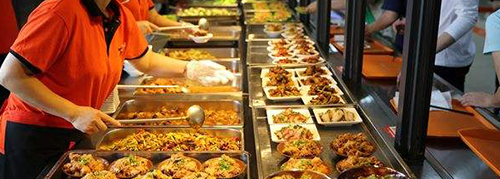
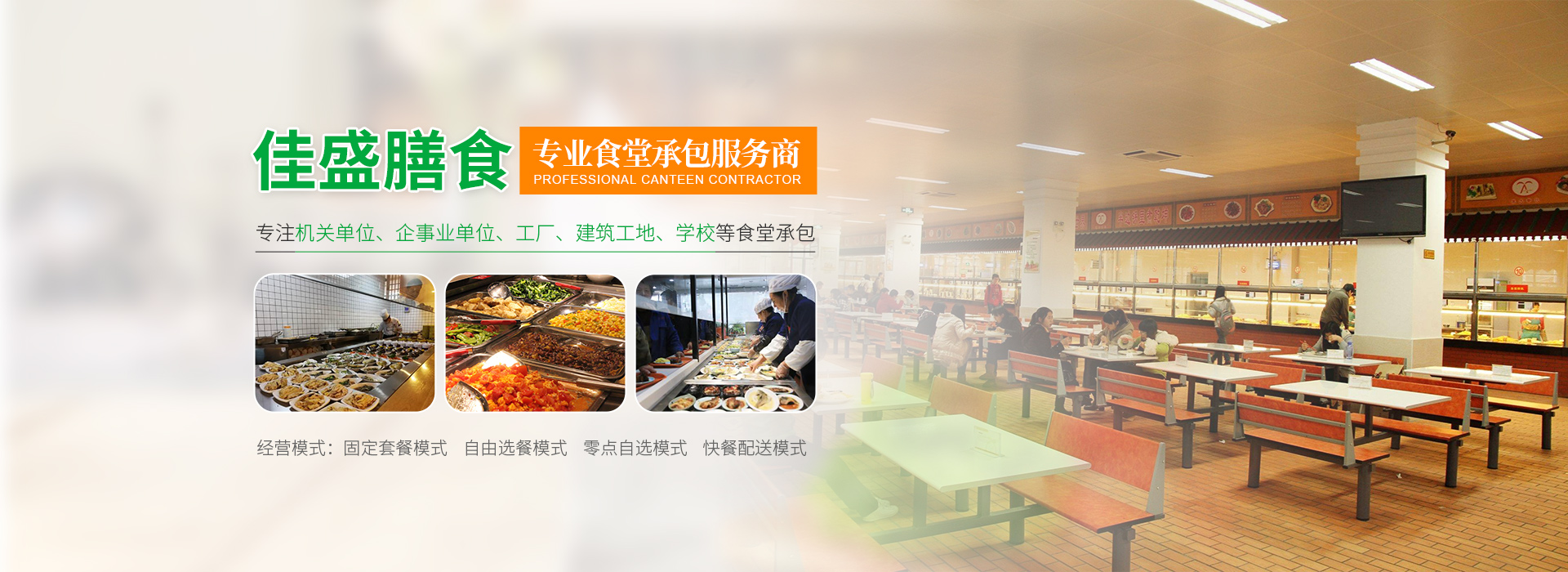

Catering outsourcing refers to the practice where food service companies or collective units transfer the catering business of schools or other enterprises and institutions to specialized catering companies for management. Typically, it includes the following two methods:
Direct Operation Model:
Under this model, specialized catering service providers offer dining facilities and equipment (kitchens) through contractual agreements; in this scenario, the rights and obligations between the parties are relatively simple and stable; however, this form has certain limitations, such as the inability to provide personalized customization services and nutritional pairing advice, among other value-added services. Therefore, for some businesses with specific needs, choosing this model may pose significant risks. For instance, in certain industries where employees are required to consume work meals, using this approach could lead to waste of resources and even disrupt normal work order.
Due to factors such as financial constraints and a lack of professionals, various forms of contract modes like turnkey and outsourcing are challenging to truly achieve规模化 and standardized operations. Moreover, with the rapid economic development and the accelerated pace of social life in our country, there is an increasing diversity in the demand for dining services. However, the current market's various types of specialized catering services are unable to meet this demand. Consequently, the drawbacks of this model are becoming increasingly apparent.
2. Hosting Model:
This model primarily refers to an operational management strategy where the rights to supply meals, in part or in full, are delegated to a third-party organization for management and operation. Its hallmark is solving internal issues by leveraging external resources without altering the existing organizational structure, thereby enhancing work efficiency and service quality.