
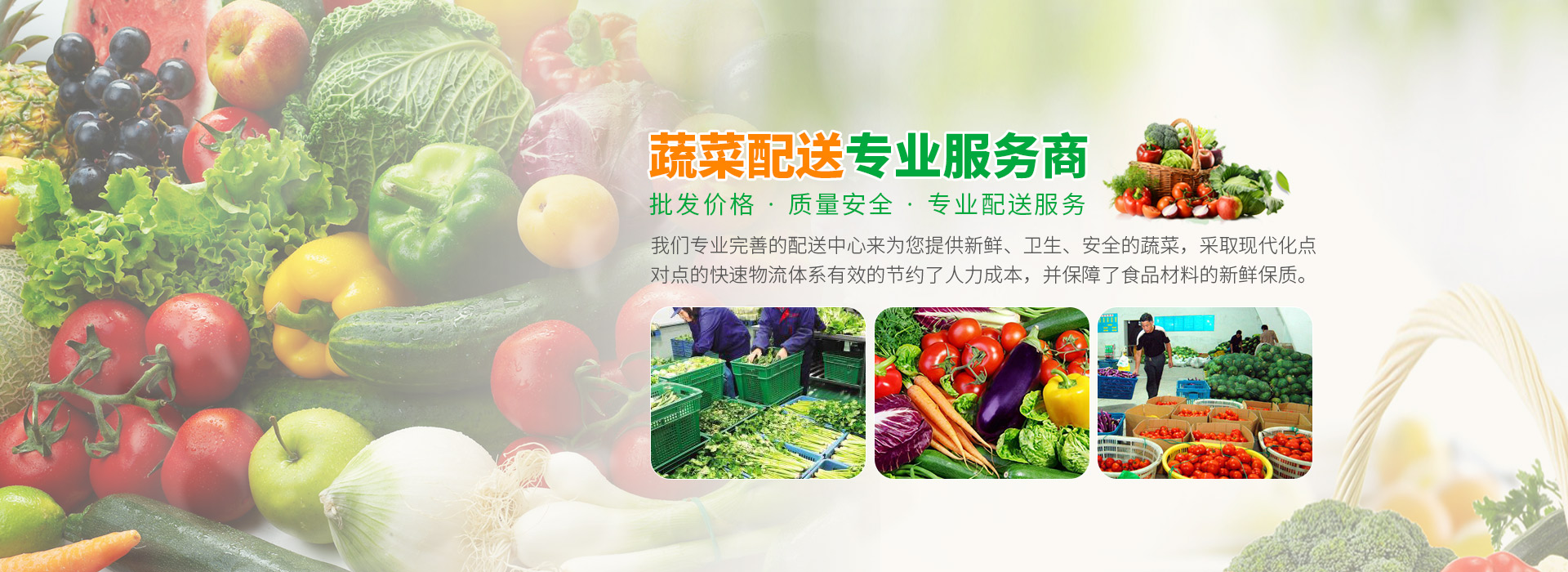
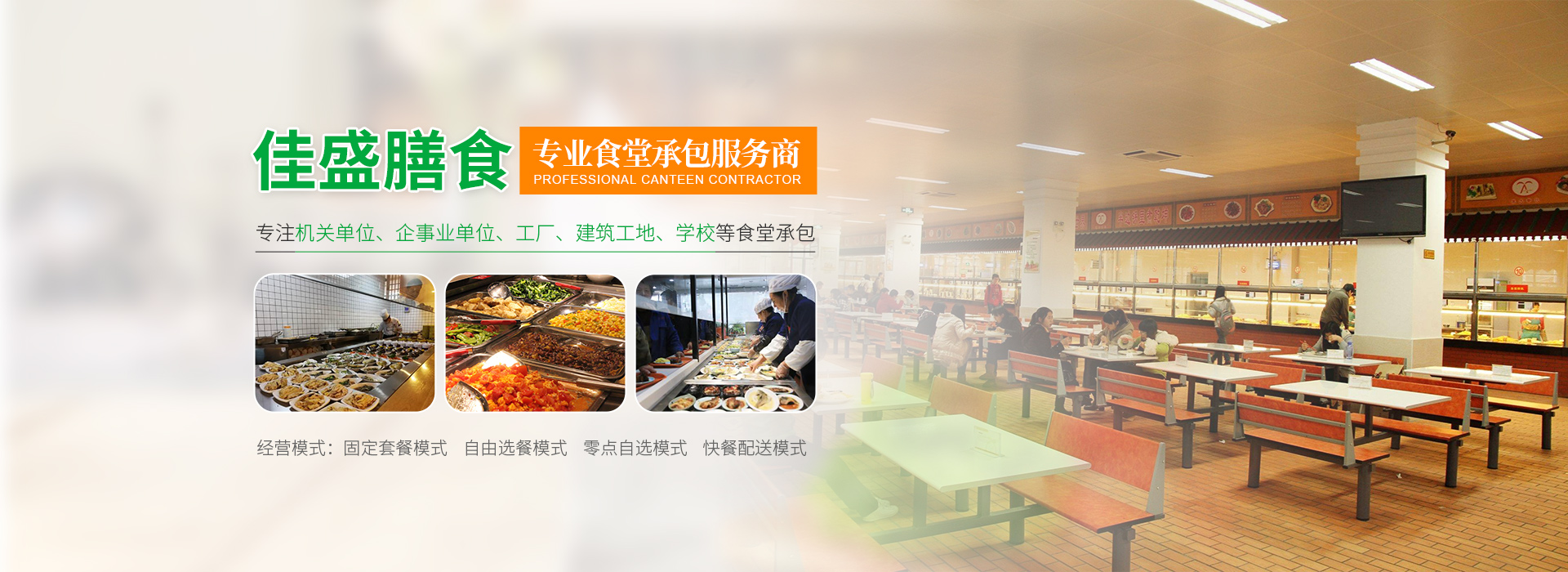
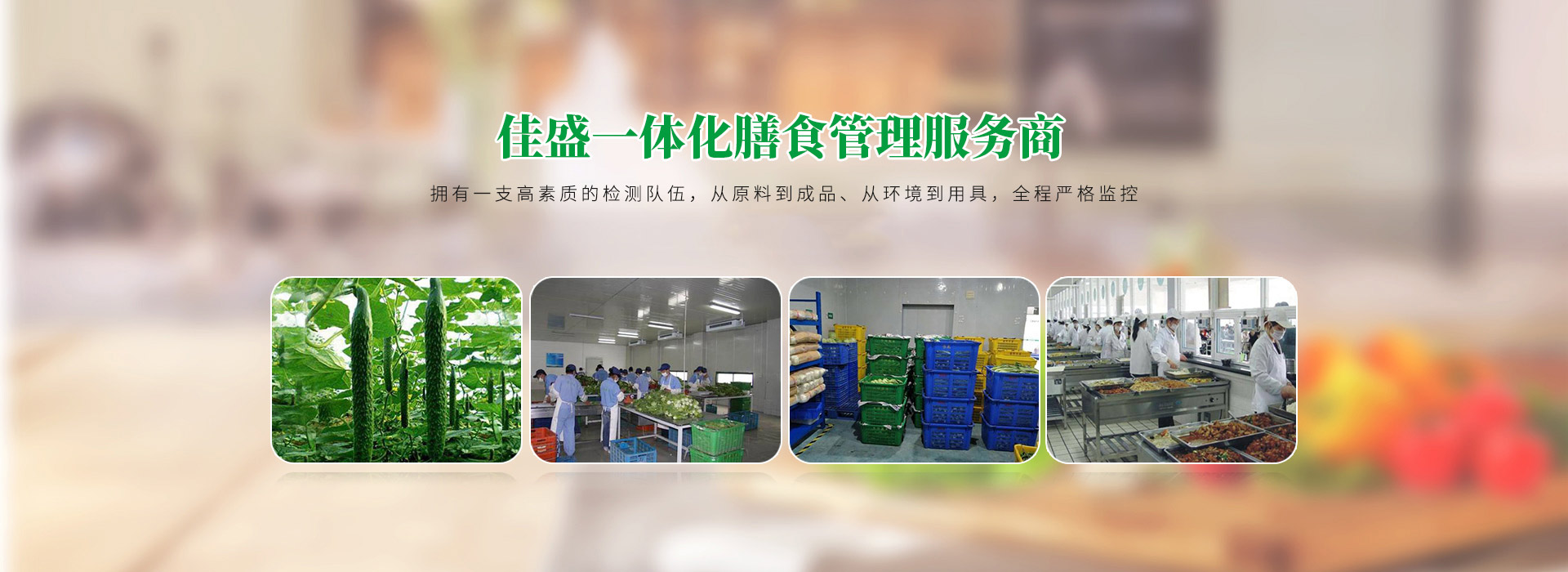

Developing urban vegetable distribution is a fundamental measure to transform the production relations in China's vegetable trade, and it is the only viable path to the socialization of vegetable distribution. Vigorously developing the urban vegetable distribution industry is not only an objective requirement of the development of a socialist market economy but also a social responsibility that the state assigns to the main players in vegetable logistics without any excuse. It is also a practical choice for logistics entities to stabilize supply and demand relationships, strengthen their own capabilities, and maintain a competitive edge in the market.
Vegetables are essential consumer goods in daily life, and the supply and consumption of urban vegetables are crucial to regional economic development and social stability. With the competition of the market economy and the advancement of society, people's pace of life is accelerating, work is becoming busier, and the sense of time is increasingly strong. Simplifying affairs and facilitating consumption have made vegetable delivery an increasingly necessary social trend in vegetable consumption.
As people's living standards and quality of consumption continue to rise, the demand for urban vegetables is shifting from "quantity-oriented" to "quality-oriented." The personalization and diversification of vegetable consumption have also become a fashion trend. This significant trend in the socialization of urban vegetable consumption has provided a promising business opportunity for the vegetable distribution industry.
1. Beneficial for enhancing the economic benefits of agricultural product circulation.
The urban vegetable distribution industry has addressed issues such as unreasonable routes and high costs in the logistics process by implementing a one-stop agricultural product distribution service. This service consolidates various vegetable users for a single shipment, thereby improving the transportation of vegetables and the entire logistics system, ultimately enhancing the economic and social benefits of urban vegetable circulation.
2. Enhances the assurance of urban vegetable supply.
Vegetable distribution companies, by leveraging their large storage facilities, modern equipment, and preservation technology, can conveniently adjust vegetable supply in urban areas, reducing numerous uncertainties in vegetable production and supply. This alleviates the concern of a tense urban vegetable basket.
3. Streamlining urban vegetable consumption - time, effort, and worry-saving
In most cases, businesses and institutions need to visit several supply points to purchase vegetables, often at night, which is not only time-consuming but also energy-draining. By choosing a professional vegetable delivery service, the procurement unit only needs to coordinate with one vegetable delivery provider, significantly reducing the customer's time and procurement costs, and making urban vegetable consumption more convenient.
4. Beneficial for vegetable value addition, it has laid the foundation and support for the development of fresh produce e-commerce!
Through the platform of vegetable distribution companies, vast numbers of vegetable farmers and producers can not only achieve production based on sales, alleviating concerns about vegetable production, picking, transportation, and storage. They can also significantly enhance the added value of vegetables through a one-stop service of vegetable cultivation, processing, and transportation. By means of vegetable distribution companies, fresh vegetables can be delivered to thousands of households, providing a solid foundation and support for the development of fresh produce e-commerce!
