Environmental protection materials, geosynthetic material...

Are geomembranes and waterproofing membranes the same?
Are geotextile membranes and waterproofing membranes the same? Strictly speaking, geotextile membranes and waterproofing membranes are two different types of new waterproofing materials. Today, let's delve into the differences between geotextile membranes and various waterproofing materials.
The similarities between geomembranes and waterproofing membranes:
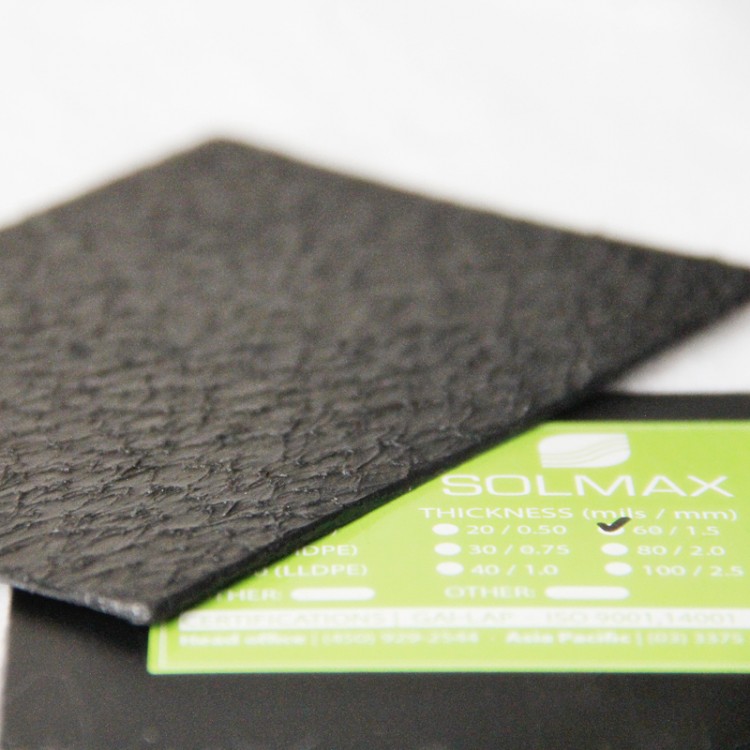
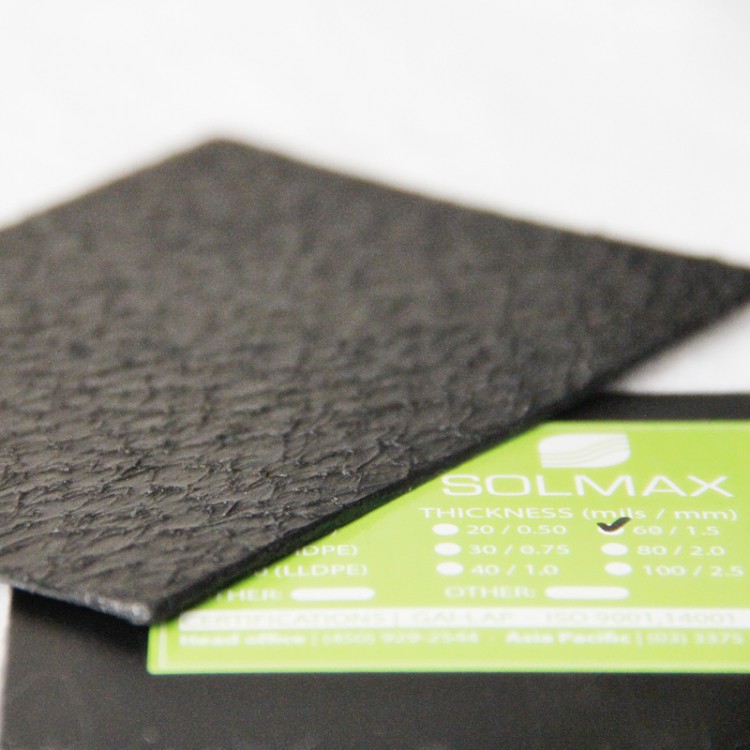
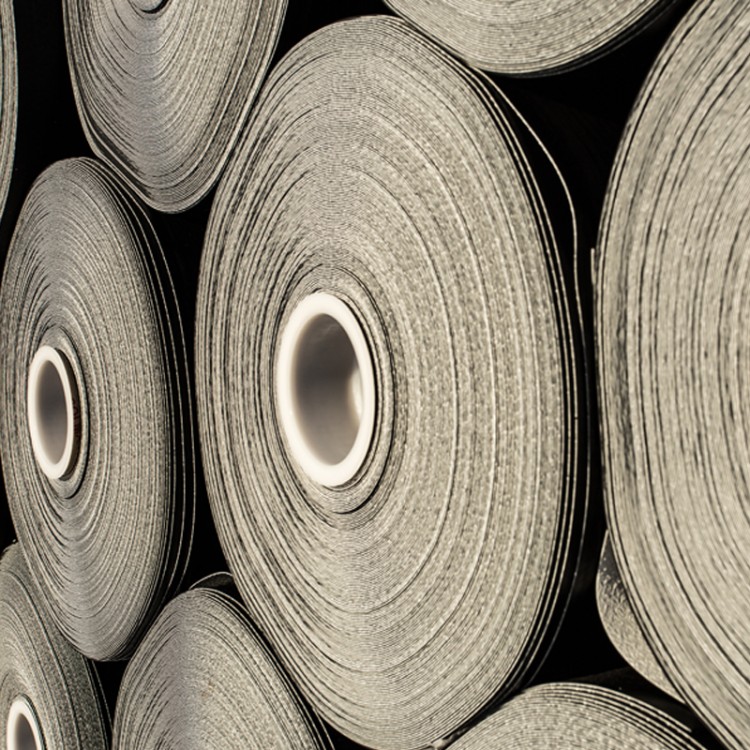
The similarities between geomembranes and waterproofing membranes are merely in their appearance, color, and some additives. Both geomembrane and waterproofing membrane products are typically black in color and come in rolled sheets for waterproofing, with the raw materials partly processed from HDPE (high-density polyethylene).
Differences between Geomembranes and Waterproofing Membranes:
Geotextile Membrane: As the name suggests, a geotextile membrane is a type of geosynthetic material. The primary raw material used for its production is high-density polyethylene. The formula of the geotextile membrane mainly includes carbon additives, acid and alkali resistant agents, tensile resistance agents, fracture resistance agents, and wear-resistant additives.
Geosynthetic Waterproof Membrane: Although a geosynthetic waterproof membrane is a type of waterproof sheeting within the category of new soil engineering materials, it demands high levels of research and development technology, production equipment, and formulations. The primary raw material for the membrane is HDPE resin, supplemented with about 2.5% of carbon black, anti-aging agents, UV resistance agents, antioxidants, infrared absorption agents, and optical stabilizers. Beyond a reasonable auxiliary formula, the production of geosynthetic waterproof membranes typically requires specialized machinery. Our current industry's waterproof membrane production is not as完善 as internationally advanced equipment. Experiments show that the logistics performance of geosynthetic waterproof membranes produced with domestic equipment is merely 1/3 of that of imported Italian machinery. Additionally, the imported equipment's agricultural geosynthetic waterproof membranes possess non-toxic and environmentally friendly properties.
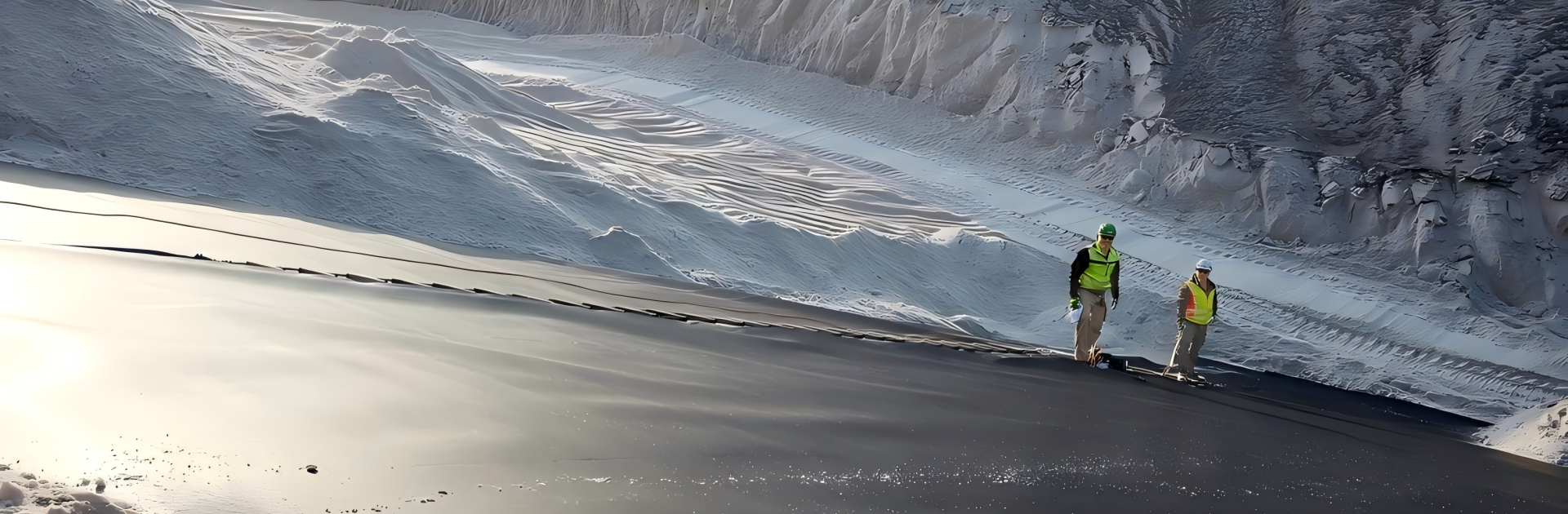
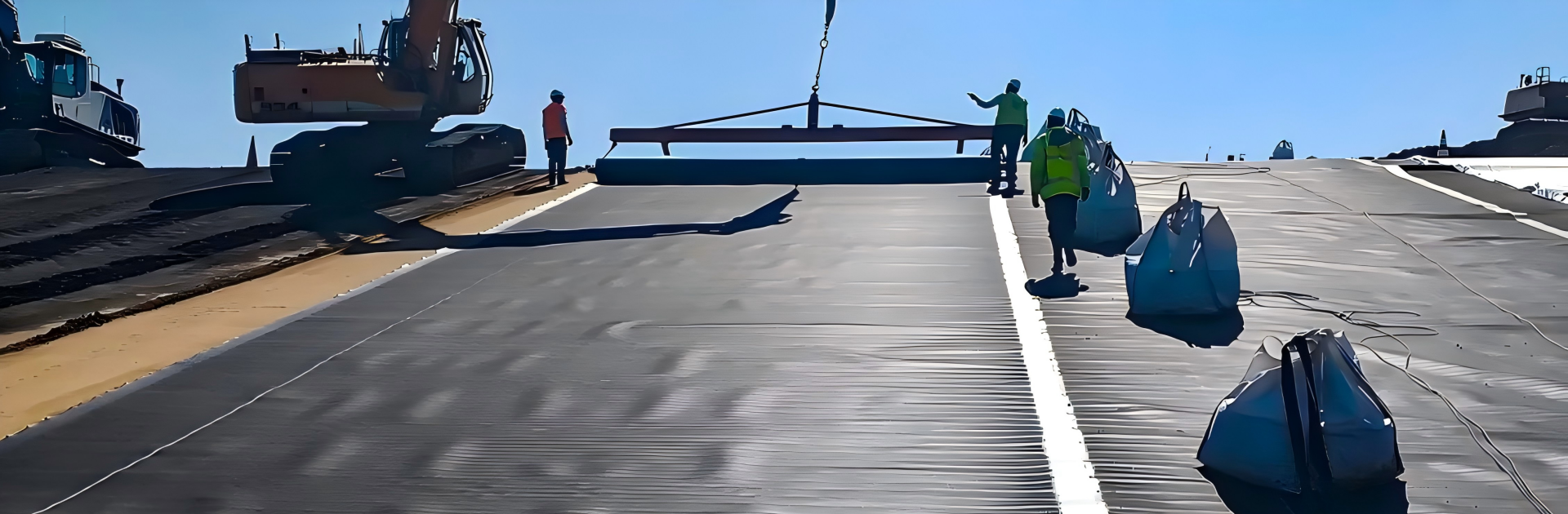
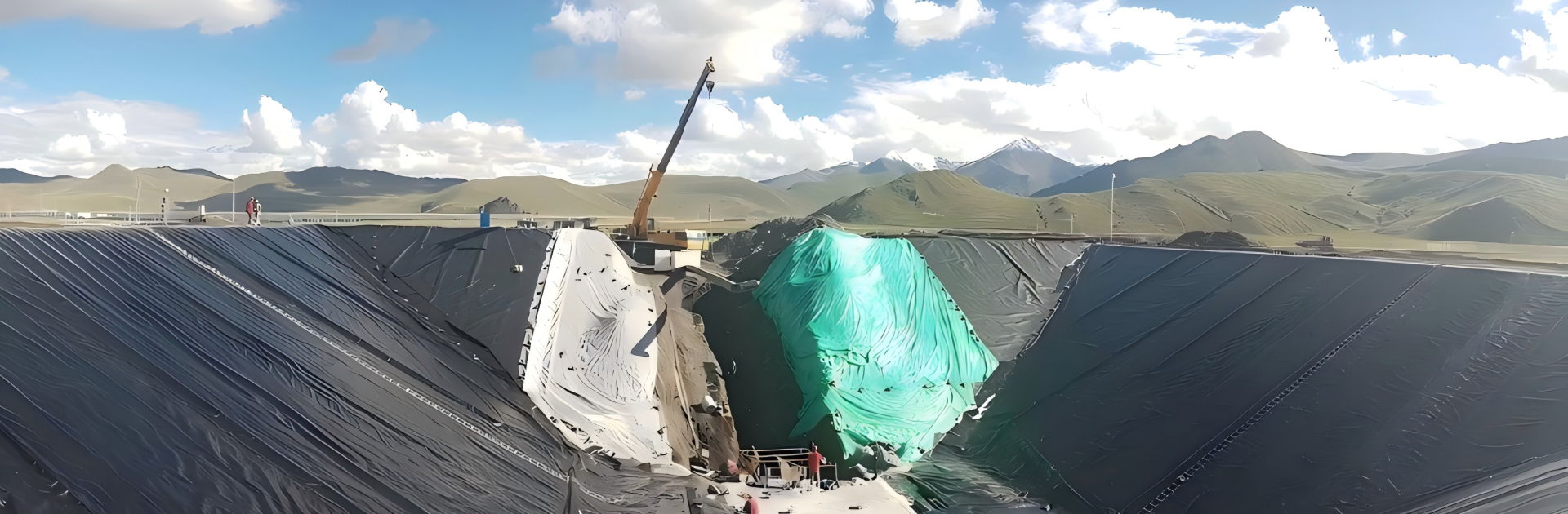
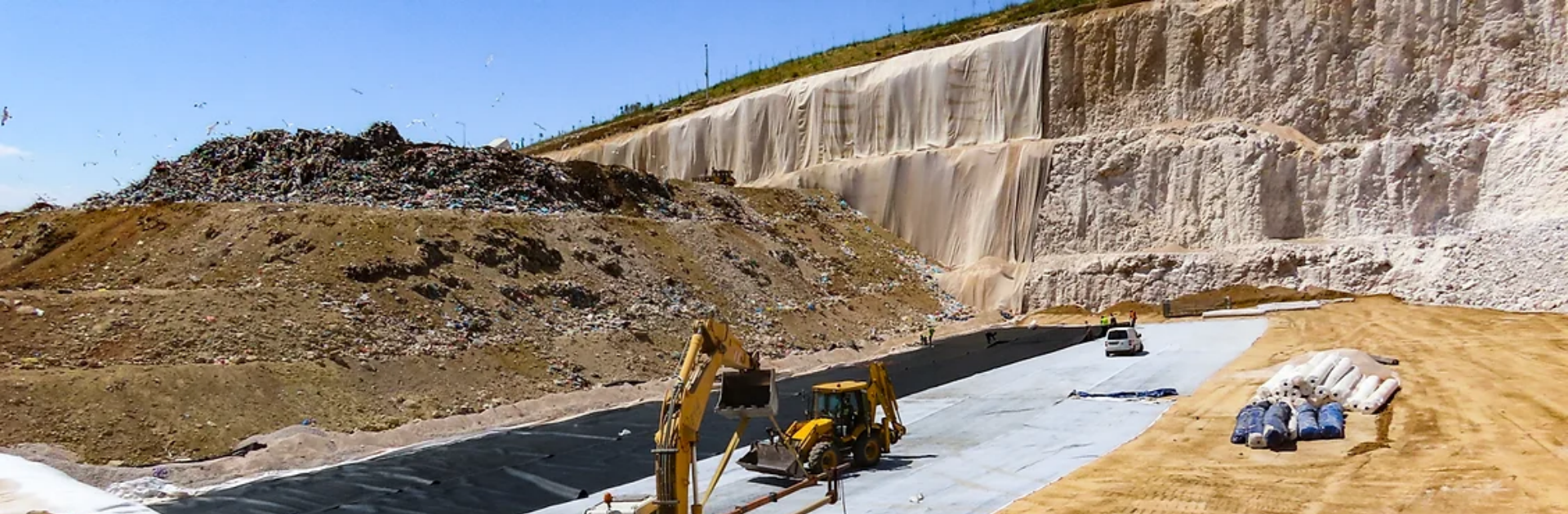
The primary application fields of geomembranes differ significantly from those of waterproof membranes. Geomembranes are generally used for applications such as lining landfill sites, preventing seepage in artificial lakes, tailings filling sites, artificial riverbanks, landscape pools, road and rail embankments, and tunnel waterproofing projects, among others. In addition to the applications covered by geomembranes, waterproof membranes are primarily utilized for waterproofing in aquaculture, preventing root penetration in rooftop gardens, waterproofing and moisture-proofing basements, and lining oil tank foundations, etc.
In summary, geomembranes and waterproofing membranes are actually two different types of new waterproofing materials. Waterproofing membranes are more expensive than geomembranes, have a broader range of applications, and are more reliable in terms of material quality. Waterproofing membranes are an upgraded version of geomembranes, so we can say that waterproofing membranes are geomembranes, but geomembranes cannot be referred to as waterproofing membranes.


b2b.china9.net © Zhongshang 114 Hebei Network Technology Co., Ltd.Address: Room 6009, Oriental New World Center, No.118 East Zhongshan Road, Qiaoxi District, Shijiazhuang City, Hebei ProvincePlatform Service Hotline: 4006299930