Environmental protection materials, geosynthetic material...

Reasons for Damage and Repair Methods of Waterproof Geomembrane
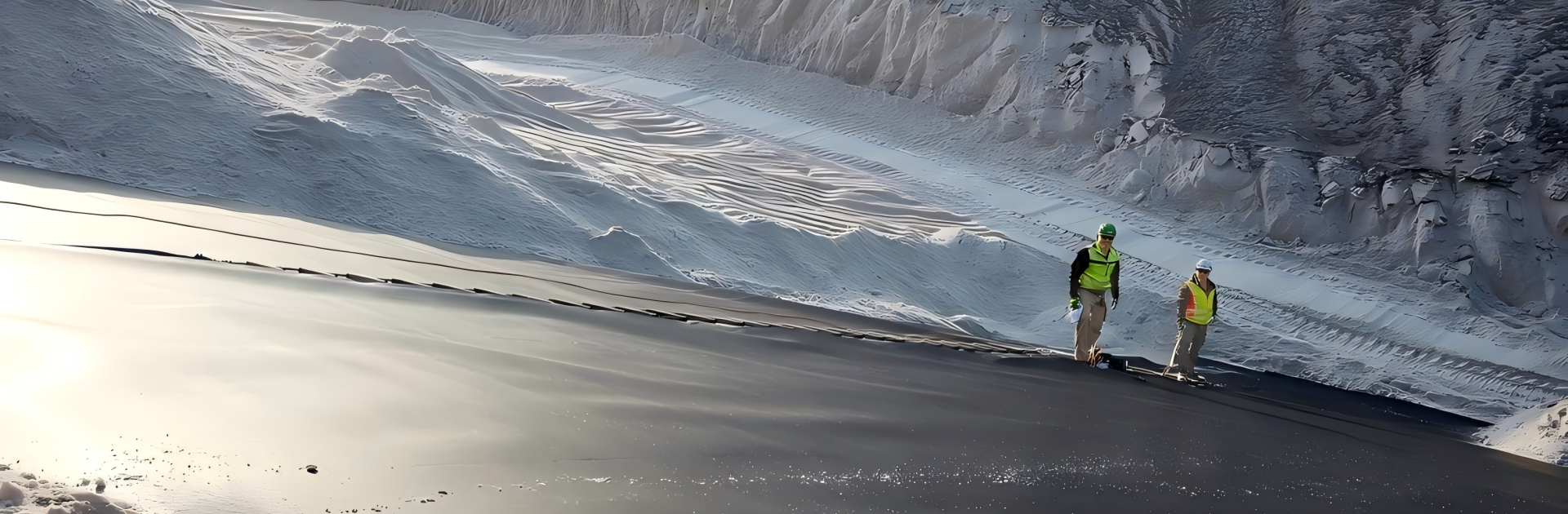
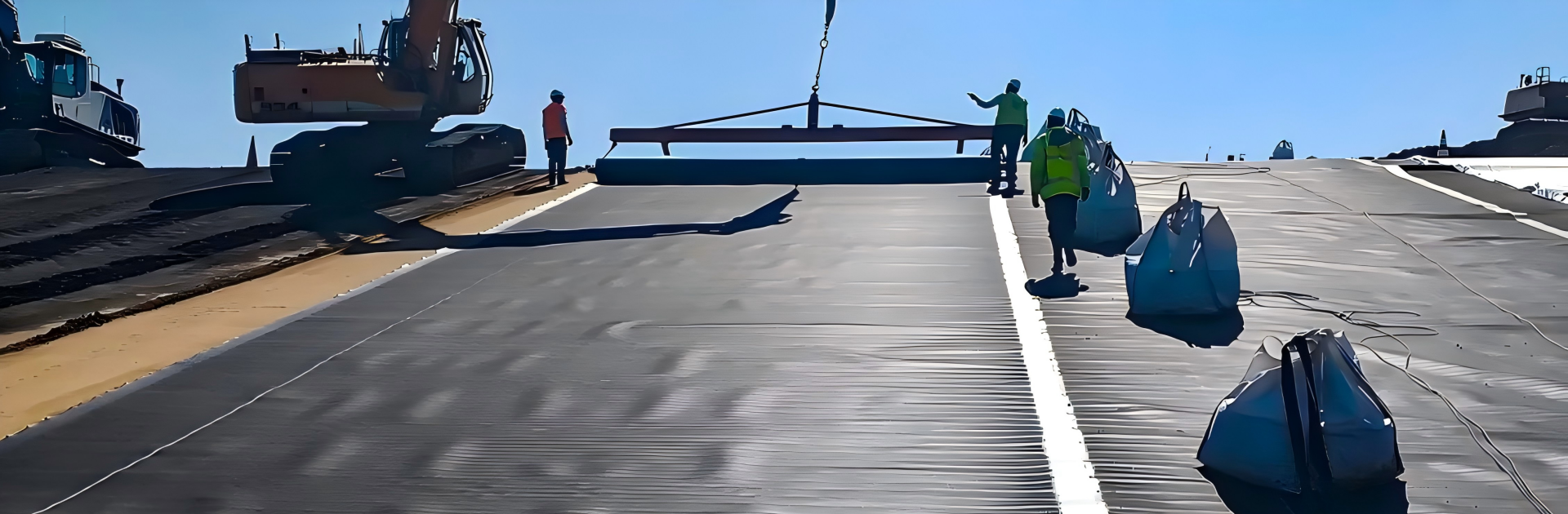
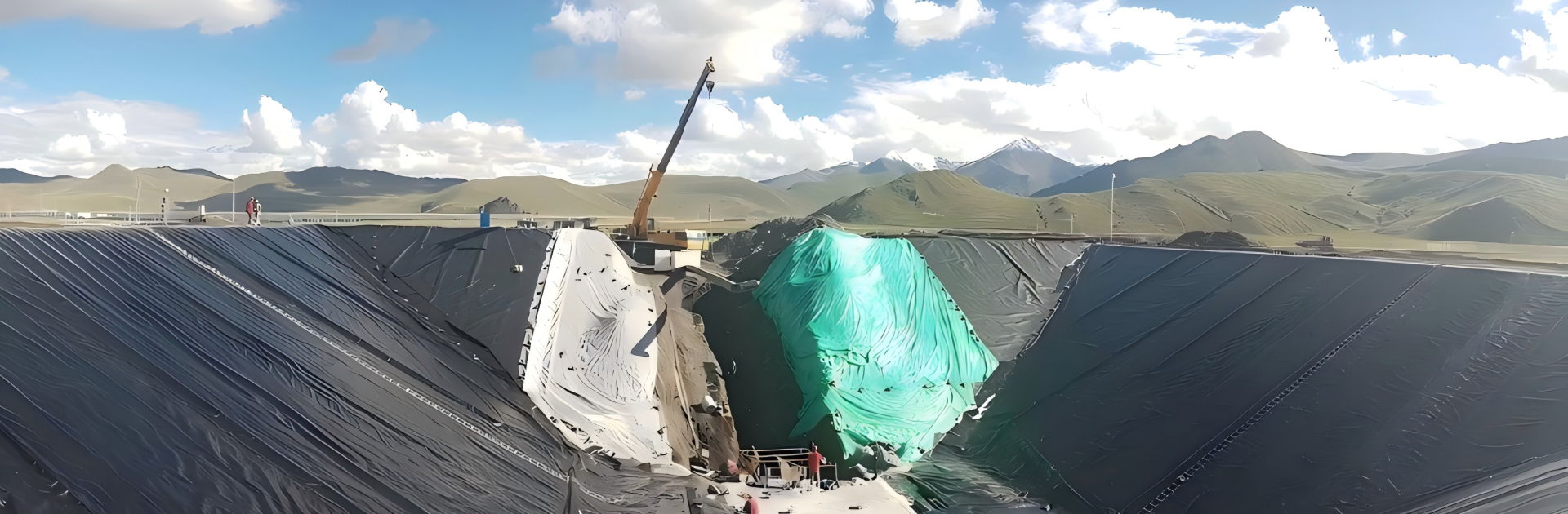
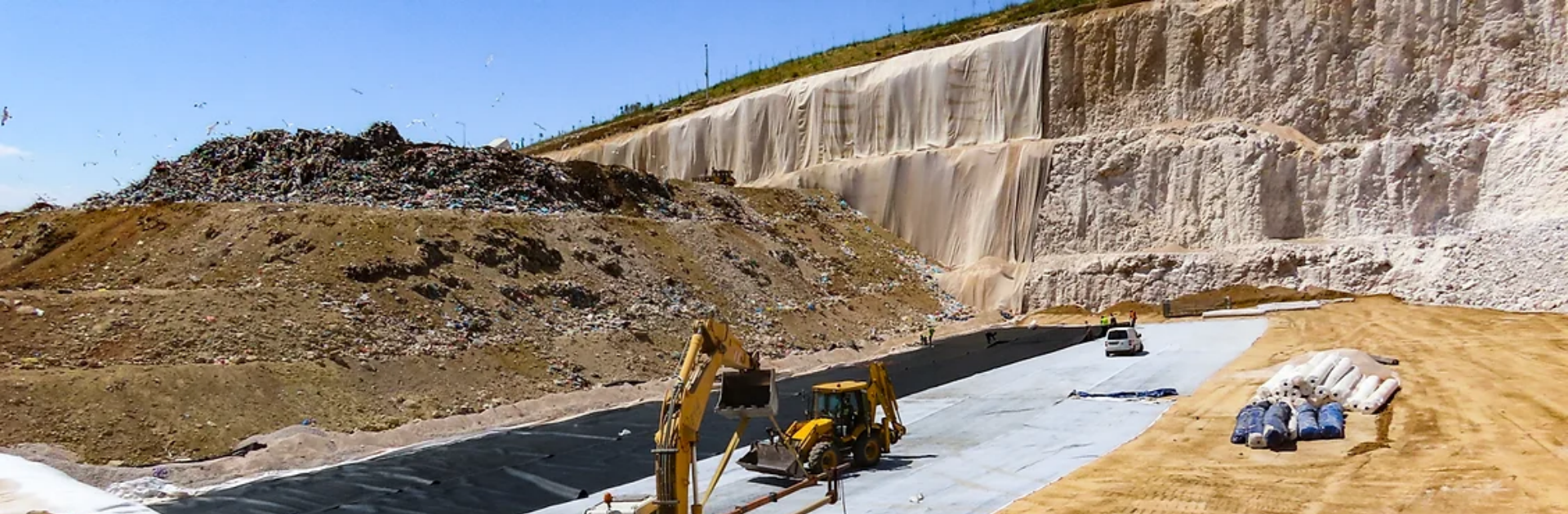
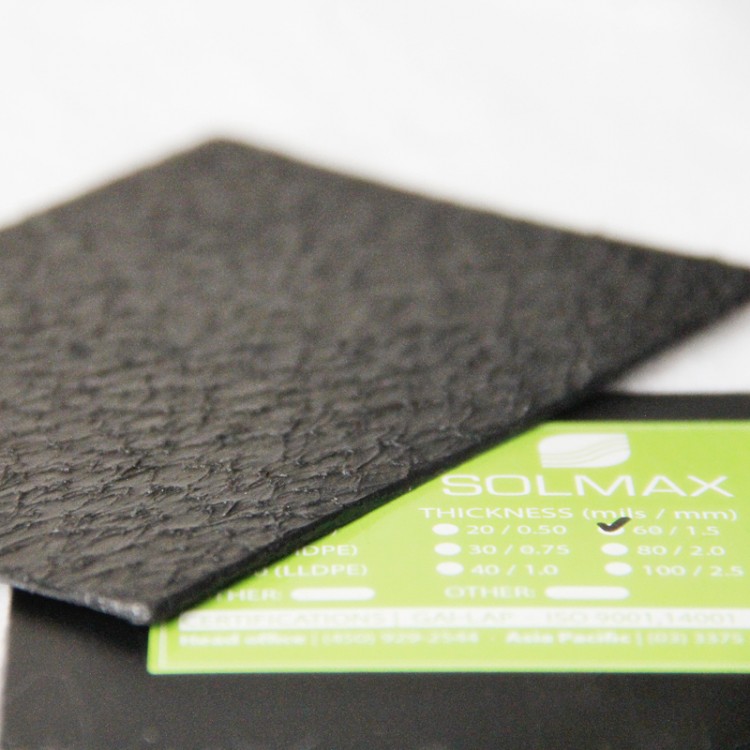
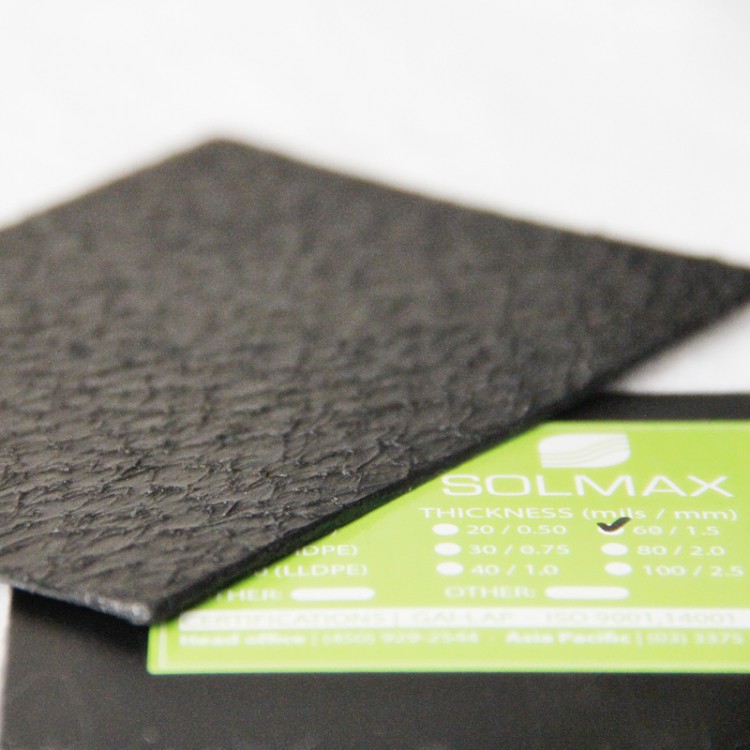
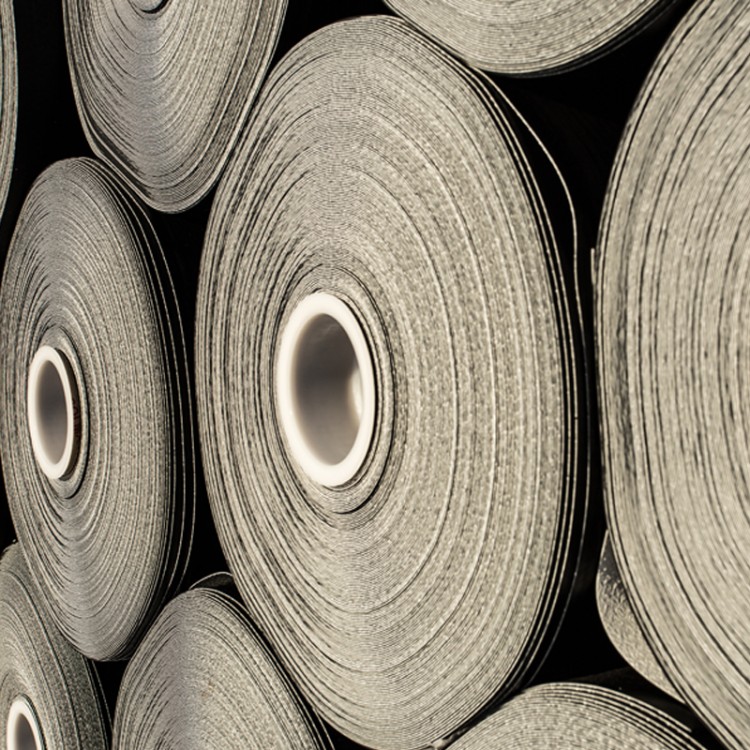
Geotextile membranes combine waterproofing and drainage functions, and are now increasingly used in various reinforced waterproofing projects such as water conservancy, transportation, tunnels, airports, metallurgical tailings, waste disposal sites, and roof waterproofing. Here, we summarize the causes of damage and repair methods for waterproofing geotextile membranes.
Geotextile waterproofing membranes must be properly welded during construction, and the welding process has specific requirements.
Seam treatment of waterproof geotextile is a critical construction procedure, typically using hot welding methods. The surface of the PE film is heated to melt it, and then it is fused together under pressure. Before welding, the two edges of the PE single film at the seam of the waterproof geotextile must be adjusted to overlap a certain width, usually 6~8 cm, ensuring a flat and wrinkle-free seam.
For laid geomembranes, the edge joints must be free from oil, moisture, and dust. The geomembrane is焊接 using a specialized welding machine. Geomembranes are widely used in civil engineering applications, and their superior performance is universally recognized by users. However, during transportation and construction, geomembranes are prone to damage, which inevitably affects the waterproofing effect of the project.
The selection criteria for waterproof geomembrane materials, as well as the construction and welding methods and requirements, are all governed by specific standards. The construction of waterproof geomembrane materials necessitates a rigorous and scientific quality assurance system. The main causes of damage to waterproof geomembranes are these, and we must strive to avoid damage as much as possible. By using this geomembrane rationally, we can effectively extend its service life.
Geotextile Membrane Repair Methods
One: Selection of geomembrane repair materials. When repairing a geomembrane, it's important to choose materials that are the same or similar in nature. Utilizing leftover geomembrane material for the repair is highly suitable. In the absence of leftover geomembrane, at least select materials with similar texture, softness, and tensile properties to ensure compatibility during future use.
Determine the repair scope of the geomembrane. Do not repair based on the existing broken area, but at least center on the current degree of damage and extend outwards within a radius of approximately 30 centimeters. This approach will not only reduce the likelihood of leakage but also prevent derailment during the later stretching process.
If the damaged area of the geomembrane exceeds one-tenth of the total area, opt for the removal of the damaged section rather than continuing to repair at the original location.
Four: Workers performing geomembrane repairs should wear soft clothing and shoes. Additionally, they must be cautious with the use of construction tools, and they are strictly prohibited from smoking to avoid ash causing potential fires.


b2b.china9.net © Zhongshang 114 Hebei Network Technology Co., Ltd.Address: Room 6009, Oriental New World Center, No.118 East Zhongshan Road, Qiaoxi District, Shijiazhuang City, Hebei ProvincePlatform Service Hotline: 4006299930