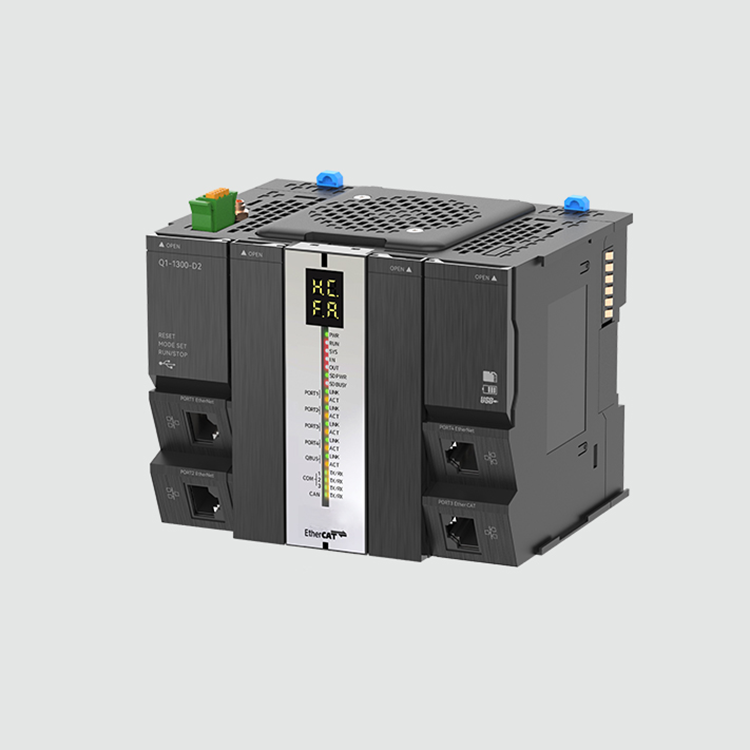
Offer comprehensive solutions for automated precision tes...

1. Determine the type of sensor based on the measurement object and environment.
To conduct a specific measurement, it is first necessary to consider the principle of the sensor to be used, which requires analyzing various factors before a decision can be made. After all, even when measuring the same physical quantity, there are multiple principles of sensors available for selection. Determining which principle is more suitable depends on the characteristics of the quantity being measured and the conditions of sensor use. Specific considerations include: the range of measurement; the volume requirements of the sensor at the measurement location; whether the measurement is contact or non-contact; the method of signal extraction, whether wired or non-contact; the origin of the sensor, whether imported or domestically produced, and whether the price is acceptable, or whether to develop it independently.
2. Sensitivity Selection
Generally, within the linear range of sensors, it is preferable to have higher sensitivity, as only with high sensitivity can the output signal corresponding to the measured changes be large, which is beneficial for signal processing. However, it is important to note that high sensitivity in sensors also makes it easier for external noise unrelated to the measurement to be mixed in and amplified by the system, affecting measurement accuracy. Therefore, sensors themselves should have a high signal-to-noise ratio and aim to minimize external interference signals. The sensitivity of sensors is directional; if the measured quantity is a single vector and has high directional requirements, it is advisable to choose sensors with lower directional sensitivity. If the measured quantity is a multi-dimensional vector, the smaller the cross-sensitivity of the sensor, the better.
3. Frequency Response Characteristics
The frequency response characteristics of the sensor determine the measurable frequency range. It is essential to maintain undistorted measurement conditions within the allowable frequency range. In reality, the sensor's response always has some delay, and the shorter the delay, the better. A higher frequency response of the sensor allows for a wider range of measurable signal frequencies. However, due to the influence of structural characteristics, the mechanical system has a significant inertia, and thus, sensors with lower frequencies can measure lower signal frequencies. In dynamic measurements, the response characteristics should be adjusted according to the signal characteristics (steady-state, random, etc.) to avoid excessive errors.


b2b.china9.net © Zhongshang 114 Hebei Network Technology Co., Ltd.Address: Room 6009, Oriental New World Center, No.118 East Zhongshan Road, Qiaoxi District, Shijiazhuang City, Hebei ProvincePlatform Service Hotline: 4006299930