
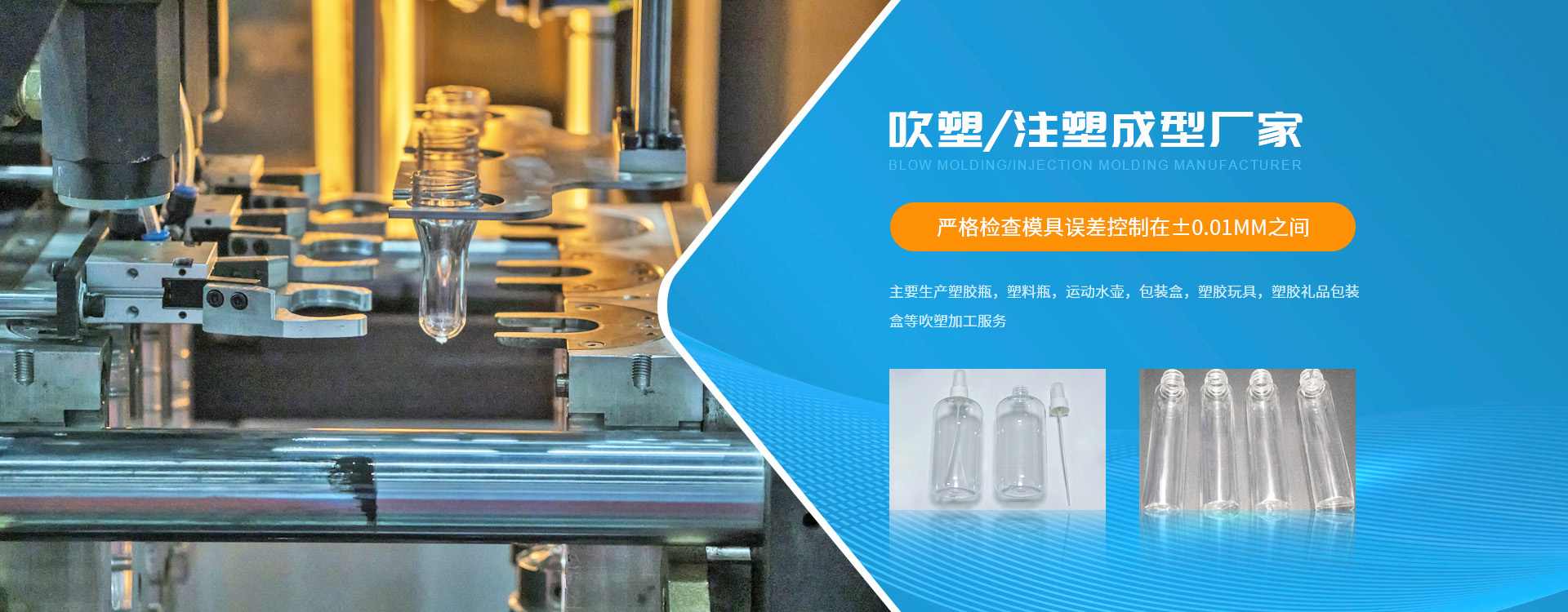
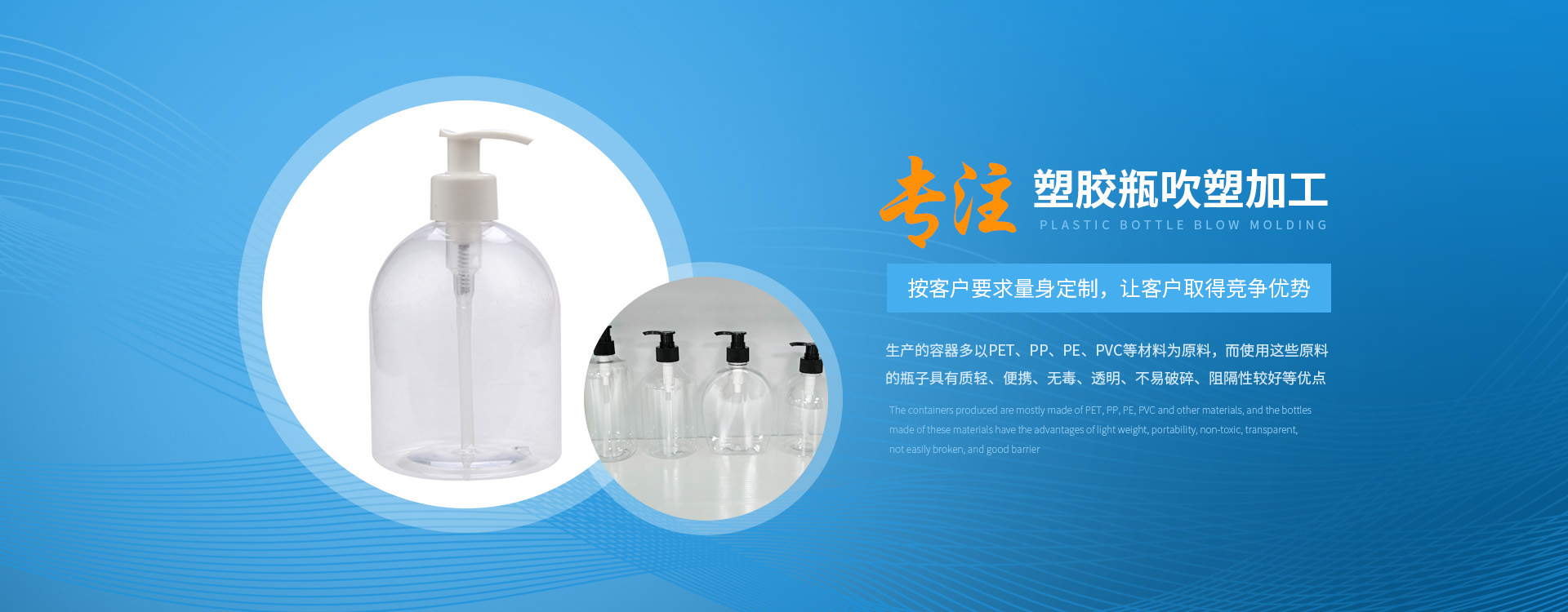




Also known as blow molding, this is a rapidly evolving plastic processing method. Blow molding was first used during World War II to produce low-density polyethylene bottles. In the late 1950s, with the advent of high-density polyethylene and the development of blow molding machines, the technology gained widespread application. Hollow containers can reach volumes of thousands of liters, and some production lines have adopted computer control. Plastics suitable for blow molding include polyethylene, polyvinyl chloride, polypropylene, and polyester, with the resulting hollow containers widely used as industrial packaging. Blow molding can be categorized into extrusion blow molding and injection blow molding, with the emergence of new techniques such as multilayer blow molding and stretch blow molding.
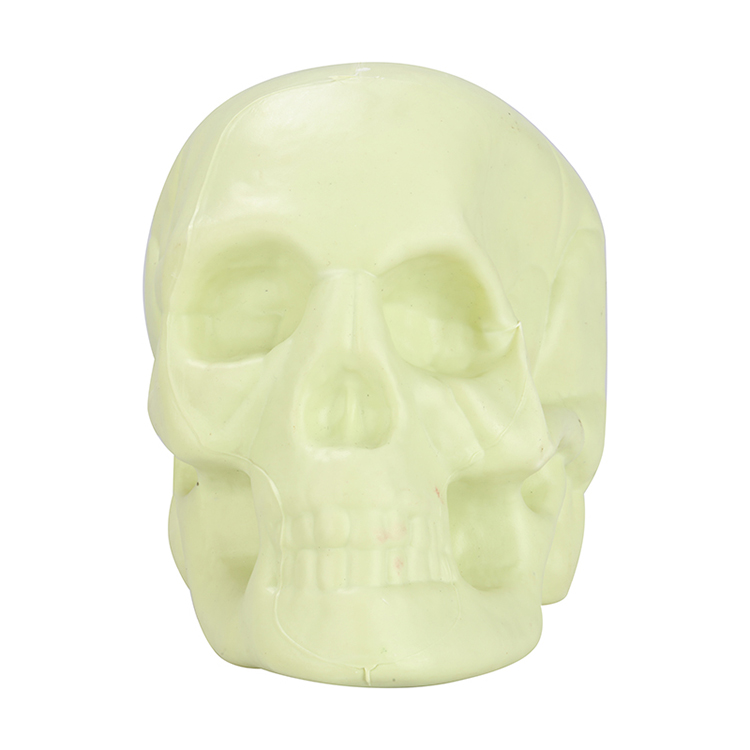
Extrusion blow molding is a method for manufacturing hollow thermoplastic articles. Common blow molded items include bottles, barrels, cans, boxes, and containers for all packaged foods, beverages, and household items. Large blow molded containers are typically used for packaging chemical products, lubricants, and bulk materials. Other blow molded products include balls, corrugated pipes, and toys. In the automotive industry, fuel tanks, car shock absorbers, seat backs, center supports, and armrests and headrest covers are all made by blow molding. For the machinery and furniture industries, blow molded parts include casings, door frames, racks, ceramic pots, or boxes with an open face.
Polymer
Standard blow molding plastic materials are high-density polyethylene, with most milk bottles being made from this polymer. Other polyolefins are also commonly processed through blow molding. Depending on the application, polyester, polyurethane, polycarbonate, and other thermoplastic resins can also be used for blow molding.
Engineering plastics are widely accepted in the automotive industry. Material selection is based on mechanical strength, weather resistance, electrical properties, optical properties, and other performance characteristics.
Process
Three-quarters of the blow-molded products are manufactured using the extrusion blow molding process. The extrusion process involves forcing material through a hole or mold to create products.
The extrusion blow molding process consists of 5 steps: 1. Plastic parison (extrusion of hollow plastic pipes); 2. Close the valve mold on the parison, clamp the mold and cut the parison; 3. Blow the parison into the mold cavity's cold wall, adjust the opening, and maintain a certain pressure during cooling; 4. Open the mold and remove the blown part; 5. Trim the flash to obtain the finished product.
Extrusion
Polymer blending is defined as a process that elevates the grade of a polymer or polymer system through melt mixing. The blending process ranges widely from the addition of a single additive to the handling of multiple additives, polymer alloys, and reactive blends. It is estimated that one-third of polymer production in the United States undergoes blending. Blended materials can be customized according to the performance requirements of the application. Blended products exhibit mixed properties, such as high gloss and excellent impact strength, or precision molding capability and good rigidity.
Blended polymers are typically pelletized for further processing. However, there is growing industrial interest in combining blending with the next step, such as profile extrusion, to avoid reheating the polymer again.
