
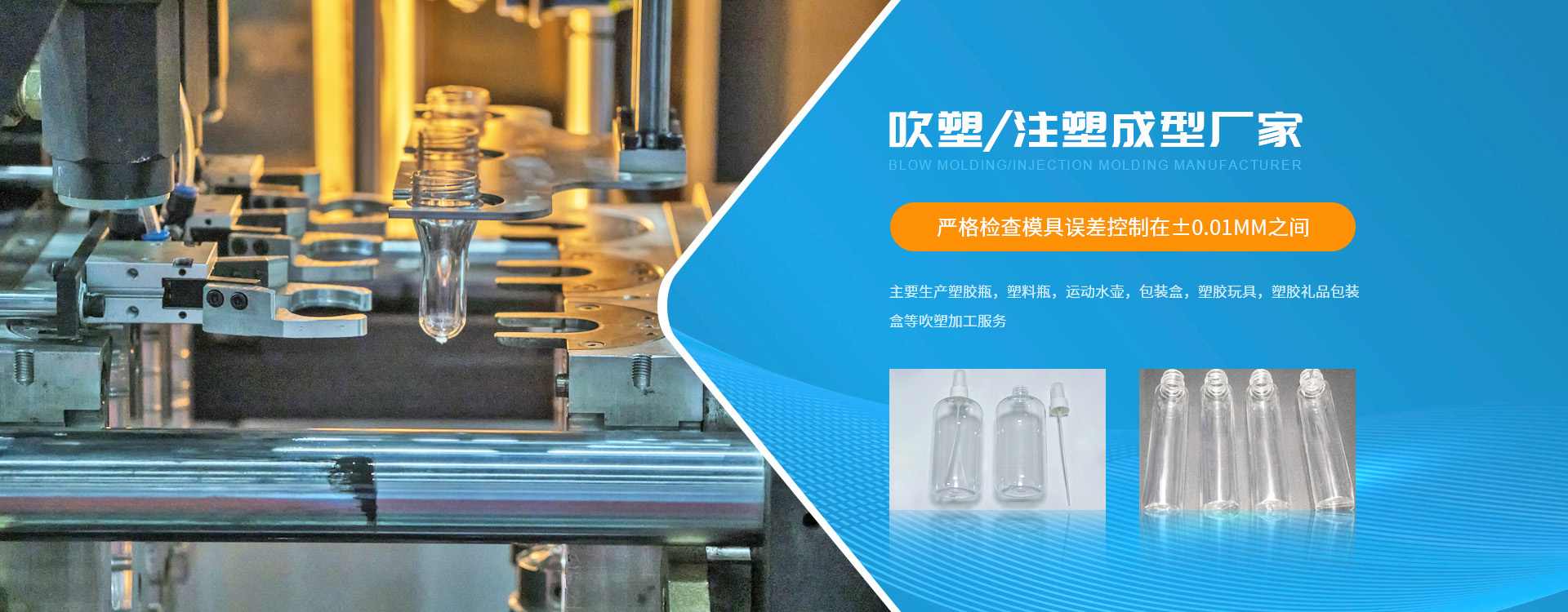
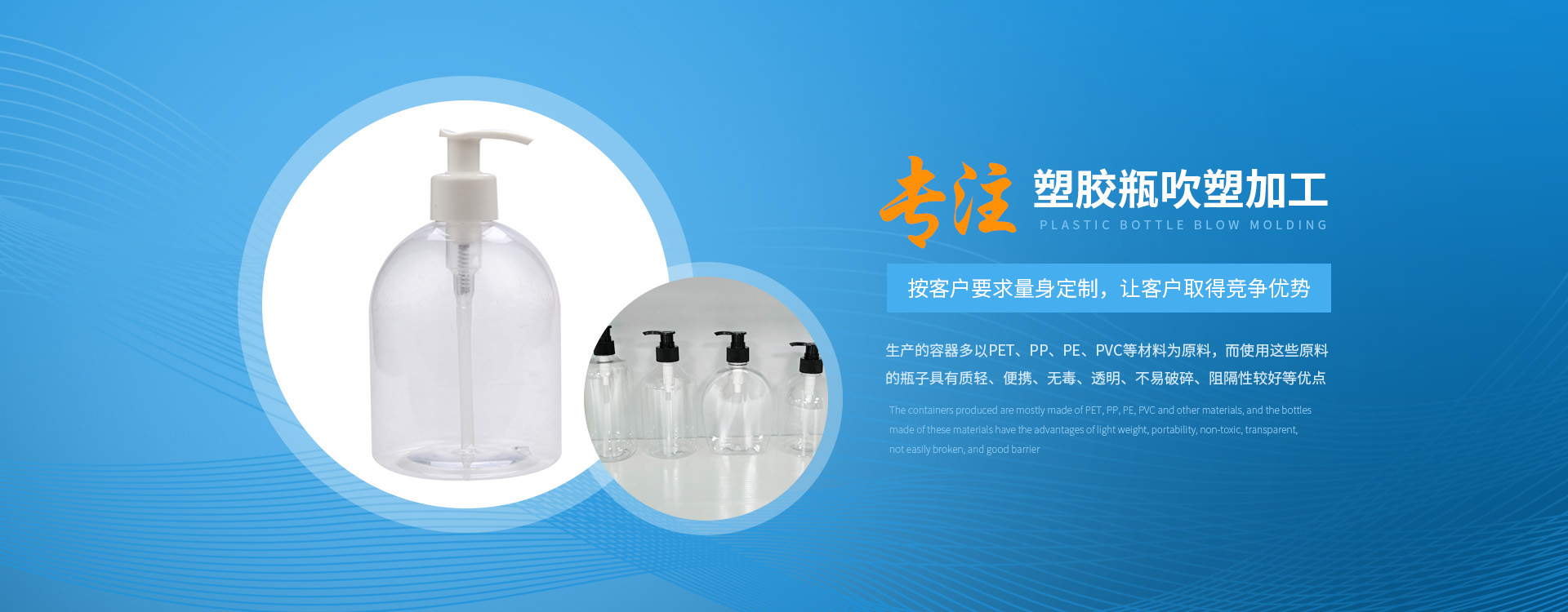


Details need to be addressed before the plastic bottle is molded, particularly ensuring symmetry in its shape. This means we should aim to minimize extreme stretch points and areas. Additionally, all transitions should be rounded. So, what are the specific considerations to keep in mind before molding the plastic bottle?
When designing extruded plastic bottles, the cross-section should be rectangular or elliptical. For flexible plastic bottles, a circular cross-section is preferable as it facilitates the extrusion of contents. During blow molding, the plastic first tends to harden in the leading areas, resulting in thicker walls in those sections. As the parison expands and contacts the mold, the wall thickness at the edges and corners becomes thinner. Therefore, the edges and corners of the plastic bottle should be designed with rounded corners.
How to Improve the Gloss of Plastic Bottles? This can be understood from two aspects. Firstly, if we aim to increase the surface gloss of plastic products, it is referred to as brightening modification. On the other hand, if we lower the surface gloss of plastic products, it is known as matte modification.
Enhancing the luster of plastics, which is to increase the overall surface gloss and smoothness of the product, involves specific methods such as the rational selection of raw materials, as well as adding brightening techniques or blending methods, controlling the morphology for brightening, controlling the finish of molding equipment, secondary processing brightening methods, and surface coating brightening methods. The rational selection of raw materials for plastics is a fundamental factor in improving the surface smoothness of plastic products; choosing good raw materials makes it easier to enhance gloss, whereas it becomes more challenging otherwise.
Manufacturers of general plastic bottles often believe that products made from melamine resin, PP, and other resins have better gloss properties. Additionally, emulsion PVC resin tends to have a higher gloss than suspension PVC resin. However, since plastic bottles are synthesized through different polymerization methods, there is a variation in gloss levels. Particularly, the gloss of the corresponding products increases as the molecular weight distribution becomes wider, leading to a decrease in the product's gloss. This is primarily due to the wider molecular weight distribution and increased irregularity of the material.
Food-grade plastic bottles, known for their good sealability, lightweight nature, and portability, have been extensively integrated into consumers' daily lives. However, when encapsulating hot food items, we often worry about the insufficient heat resistance of these plastic bottles. Reasons for improving the heat resistance of food-grade plastic bottles.
