
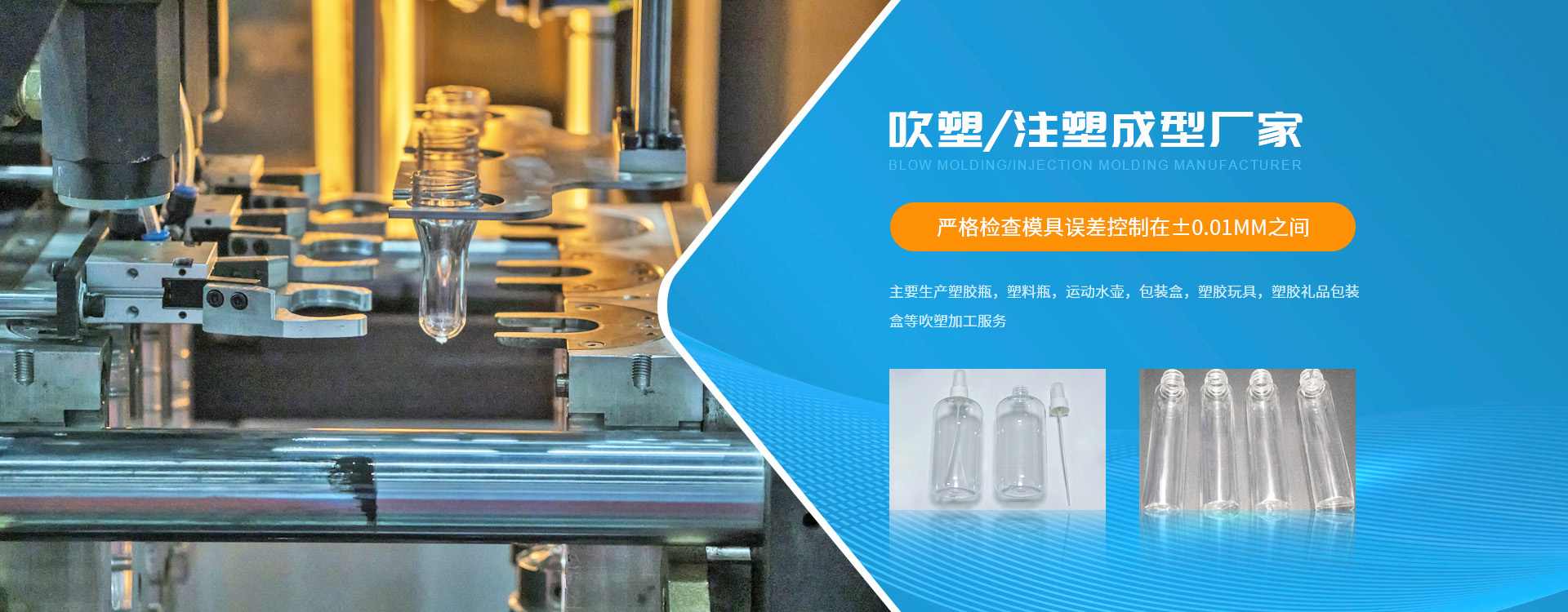
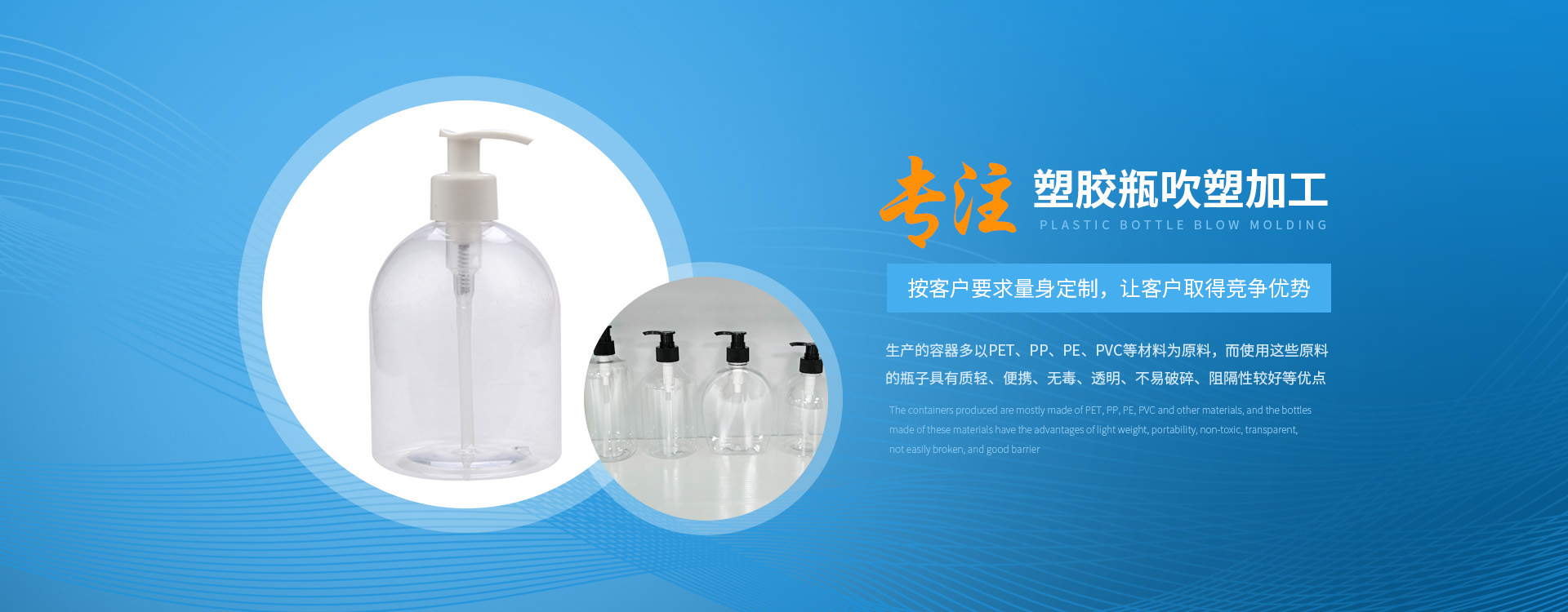



Dongguan Dongzheng Blowing Products Co., Ltd. is a professional company engaged in blow molding, injection molding, mold development and production, as well as processing. We always adhere to the business philosophy of survival through quality and development through integrity, providing excellent service to both new and old customers. Our main products include various containers, sports water bottles, oil cans, bubble bottles, toys like Christmas balls, beach balls, golf balls, plush toys, and more. Customers can place custom orders or provide materials for processing. The materials used in our product processing and production include PE, PP, ABS, 475, PVC, PET, PC, and PETG. Our products are of high quality, precision, and reasonable pricing, earning the trust of both new and old customers. We are honest and reliable, and we strive for excellence.
Introduction to the Selection of Blowing Molding Dies
Don't solely focus on product design and neglect the plastic mold manufacturing.
Some users, when developing products or new product prototypes, often only focus on product research and development at the initial stage, neglecting communication with plastic mold manufacturers. There are two benefits to contacting mold manufacturers as soon as the preliminary design of the product is determined:
1. We guarantee the products will have good forming processes, and the design will not be altered due to difficulty in part processing.
2. Mold manufacturers can make design preparations in advance to prevent hasty consideration that may affect the project timeline.
3. To produce high-quality plastic molds, close collaboration between both suppliers and buyers is essential to reduce costs and shorten production cycles.
Don't just focus on price; consider quality, lead time, and service from multiple angles.
1. There are many types of molds, which can be roughly divided into ten categories. Selection of different mold forming types is based on various requirements such as material of parts, physical and chemical properties, mechanical strength, dimensional accuracy, surface finish, service life, and cost-effectiveness.
2. High-precision molds require machining on high-precision CNC machines, and there are strict requirements for mold material and forming process. CAD/CAE/CAM mold technology must also be used for design and analysis.
3. Some parts require specialized molding requirements, necessitating advanced techniques such as hot runner molds, gas-assisted molding, nitrogen cylinders, and other sophisticated processes.
4. Manufacturers should have CNC machines, electrical discharge machines, wire-cutting machines, CNC copying milling equipment, high-precision grinding machines, high-precision three-coordinate measuring instruments, computer design and related software.
5. For general large stamping molds (such as automotive cover mold), consider whether the machine tool has a blanking edge mechanism, as well as side lubricants, multi-station progressive feeding, etc. In addition to the stamping tonnage, also take into account the number of strokes, feeding device, machine tool, and mold protection devices.
6. The manufacturing methods and processes for the aforementioned molds are not possessed or mastered by every company. When selecting a collaborative manufacturer, it's essential to understand their processing capabilities, not only in terms of hardware equipment but also in combination with management levels, processing experience, and technical strength.
7. There can be significant price differences for the same mold from different manufacturers. You shouldn't pay more than the mold's value nor less than its cost. Mold manufacturers, like you, need to make a reasonable profit in their business. Ordering a mold with a much lower price can be the start of trouble. Users must assess from their own requirements.
Avoid multiple collaborations and strive for an integrated process of plastic mold making and product processing.
1. Having a qualified mold (sample qualified) doesn't necessarily guarantee the production of batch-qualified products. This primarily relates to the selection of processing machines for parts, forming technology (forming temperature, forming time, etc.), and the technical qualifications of the operator.
2. With a good mold, you also need excellent forming processing. It should be a seamless collaboration, avoiding multiple parties as much as possible. If the conditions are not met, select one party to be responsible, and be sure to specify this in the contract.
