



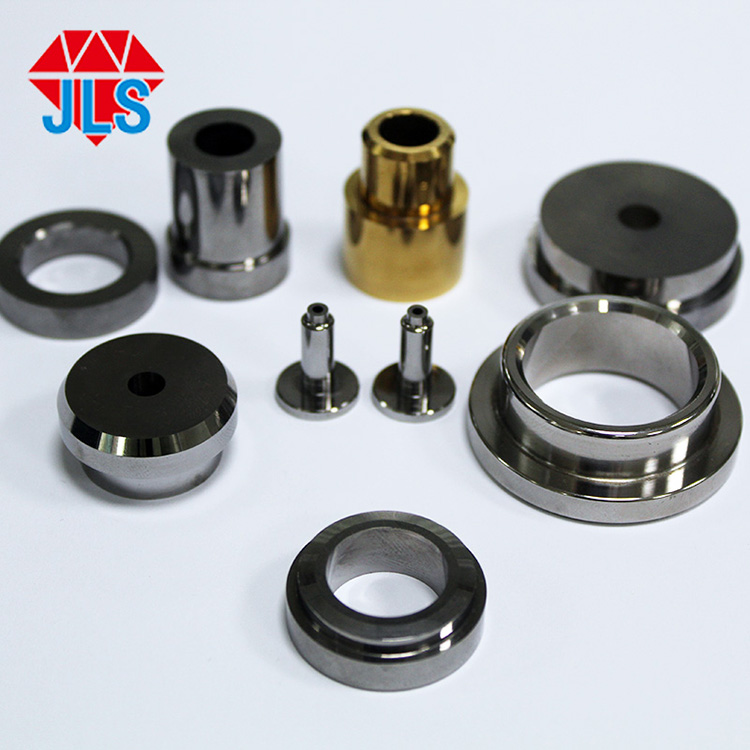
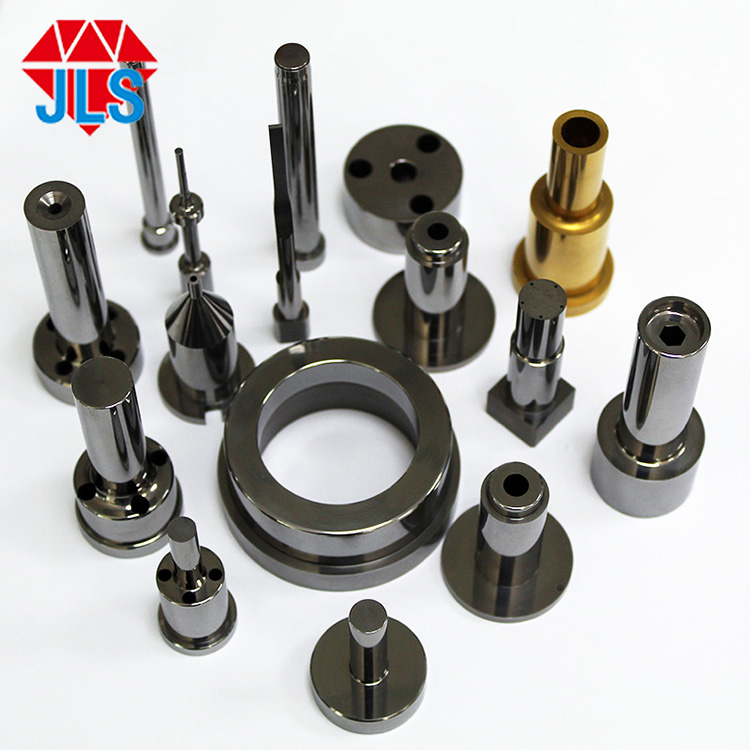
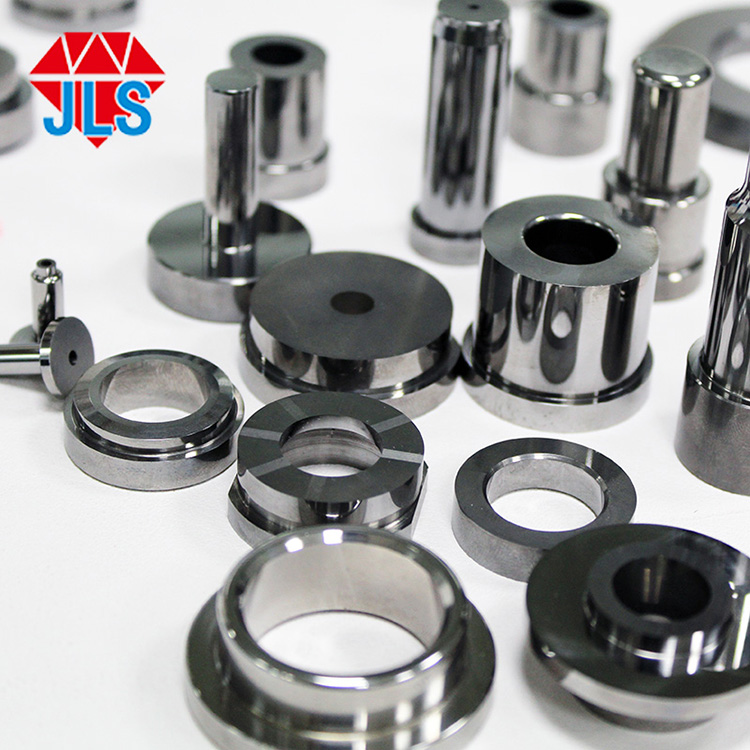
Sleeves are components used for protecting equipment. By using sleeves, the wear between punches or bearings and the equipment can be effectively reduced, and they also serve as a guiding function. In the field of stamping molds, tungsten steel sleeves are widely used due to their wear resistance, good finish, and the need for infrequent replacement, thus achieving higher utilization rates for both equipment and personnel.

Hardened alloy bushes, also known as tungsten steel bushes, are primarily used in stamping and stretching applications. Hardened alloys are extensively used as cutting tool materials, such as lathe tools, milling cutters, planning cutters, drills, and boring bars, for cutting cast iron, non-ferrous metals, plastics, synthetic fibers, graphite, glass, stone, and common steel. They can also be used to machine difficult-to-cut materials like heat-resistant steel, stainless steel, high manganese steel, and tool steel. The cutting speed of the new generation of hardened alloy cutting tools is hundreds of times that of carbon steel.
Hardened alloy bushes, in terms of tensile applications, mainly involve the stretching of copper and stainless steel components. Due to their high usage frequency, they tend to overheat and cause wear on the bushes, leading to misalignment of the punch needles, dimensional errors in the product, and poor product appearance. With the increase in oil extraction volume, the shallow oil reserves are diminishing, and to ensure oil consumption, people are gradually moving towards deeper, highly inclined wells. However, the difficulty in oil extraction is increasing, thus requiring components with excellent wear resistance, corrosion resistance, or impact resistance, etc.
