




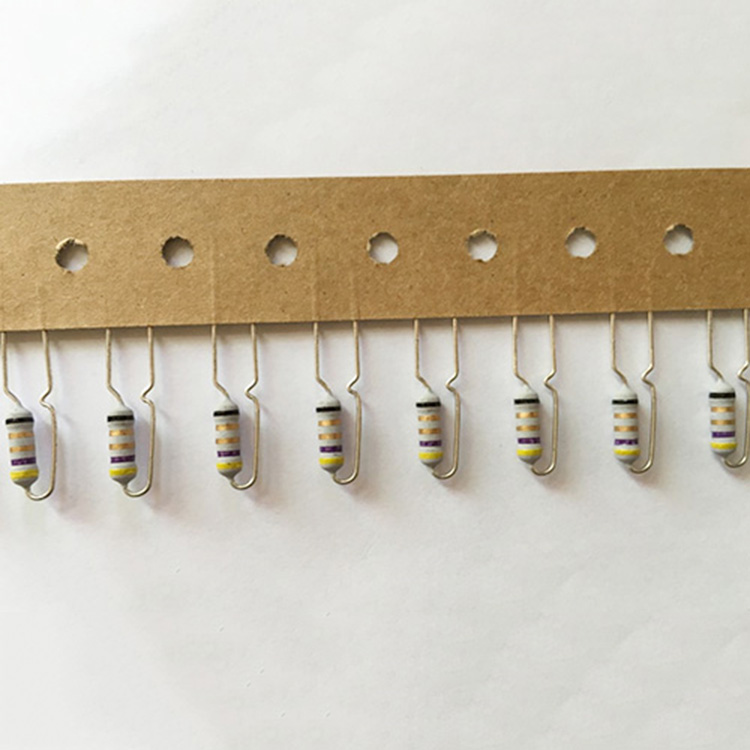
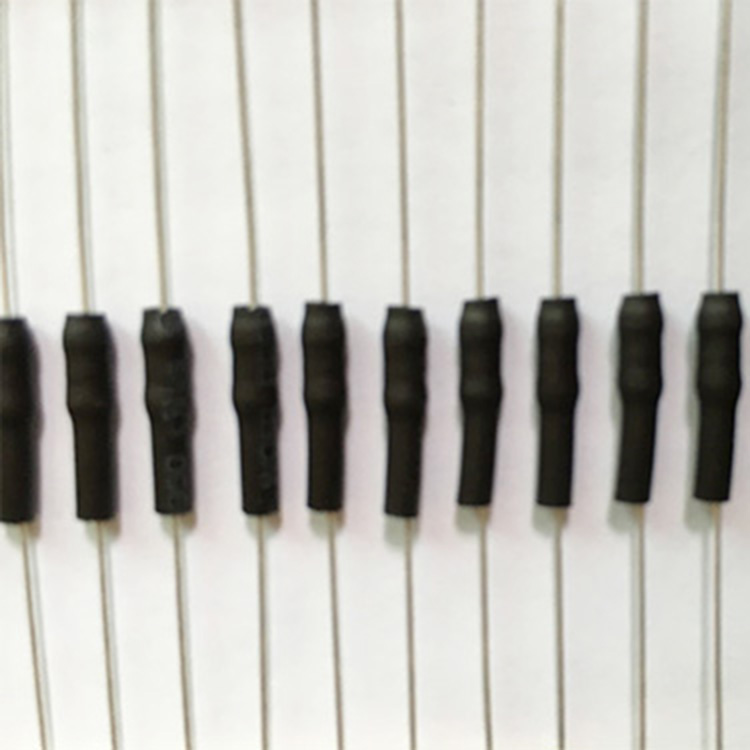
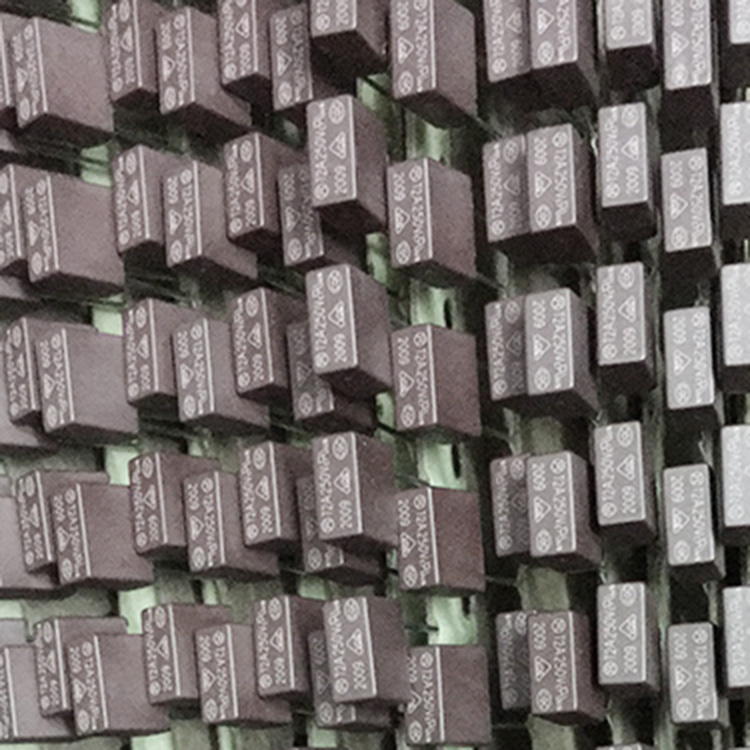
Fusible resistor refers to a product that resembles a resistor in appearance and is marked with color bands to differentiate the current size, hence also known as a fuse resistor or PICO fuse. While both the fusible resistor and the resistor have similar appearances, do they serve the same purpose? Today, the editor will explain the differences in function between the fusible resistor and the resistor.
The meaning of fuse resistor refers to the voltage division and current limiting that are generally串联 with the load (electrical products) to prevent the load (electrical products) from burning out or short-circuiting. It serves the same purpose as a fuse; therefore, if a standard fuse breaks, it needs to be replaced, whereas a fuse resistor will not break. Its primary function is to prevent circuit short-circuiting (which poses a risk of fire and other hazards). As for how much resistance to use in a fuse resistor, it depends on the specific situation. Too much resistance would waste a lot of electrical energy.
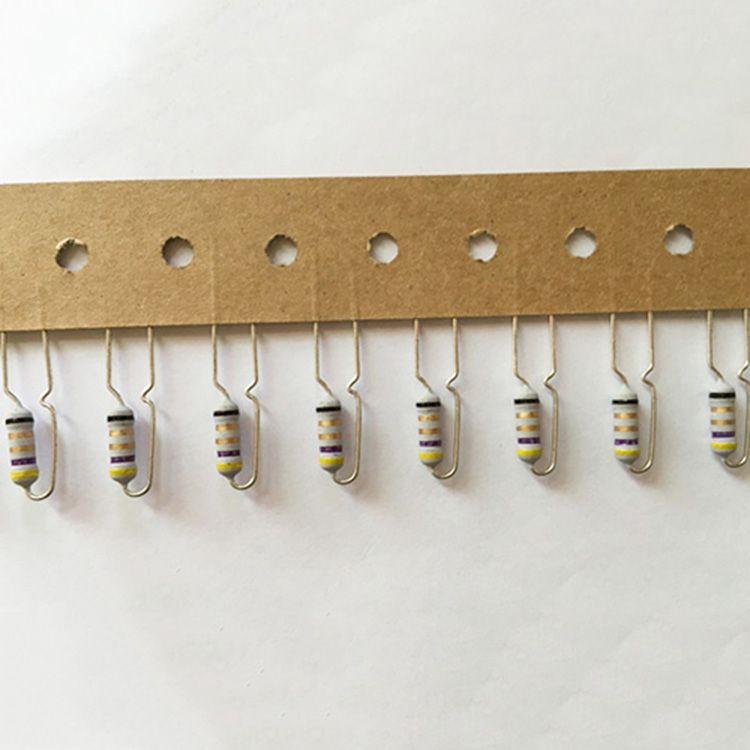
Fuses have a similar function to fuse resistors, which is to interrupt the current when the circuit overloads, thus serving as a fuse. However, this often leads to confusion. The load on a resistor has a limit; if the current exceeds this limit, the resistor burns out and becomes an open circuit. This is different from the fuse's melting protection. A fuse must have three functions simultaneously: protection, load-bearing, and safety. In contrast, a fuse resistor cannot effectively perform these three functions.
The protection features include overload and short-circuit protection, meaning that when the circuit experiences an unpermitted overcurrent up to the limit of short-circuit overcurrent, the fuse must operate within the specified time frame to protect the circuit or component. However, the starting and operating time of the fuse resistor, along with other technical parameters, cannot be as accurate as the fuse, ensuring that overload current protection is not guaranteed and can only provide some protection against short-circuit current.
The fuse's carrying function is guaranteed by its melting heat value, allowing it to withstand certain energy pulses from the required number of on/off cycles. When selecting, we need to calculate and evaluate it. The fuse resistor itself does not have a similar technical specification; using it too small may cause it to be broken by the pulse, and using it too large offers no protective function.
Safety features are ensured through rated voltage, breaking capacity, and other indicators, especially by authoritative third-party safety certification. However, the fuse itself is not a safety component and does not require safety certification. Its safety is self-evident. Its protective function is inherently insufficient, and it is difficult to guarantee that no hazardous phenomena occur around it during the melting process.
